


Understanding Zoning Laws
Understanding Zoning Laws: A Practical Guide for Real Estate Investors and Developers
Zoning laws are the local rules that decide what can be built where, how dense a site can be, and which activities are allowed on a parcel. For developers and investors, zoning shapes feasibility, project timelines, and financing — so reading the code early is essential. This guide breaks down how municipal zoning ordinances work, how they interact with state and federal overlays, and why zoning is a core input for highest-and-best-use and risk assessment. You’ll get clear explanations of key zoning types, practical constraints like setbacks and floor area ratio (FAR), and how those rules affect valuation and loan underwriting. We also walk through permits, variances, and rezoning workflows with realistic timelines and a documentation checklist to help you plan execution. Finally, we link zoning outcomes to financing — especially hard-money and construction lending — and highlight trends such as ADU legalization and reduced parking minimums that create new opportunities.
What Are Zoning Laws and Why Do They Matter for Property Development?
Zoning laws divide land into categories and set rules for permitted uses, building form, and development intensity. They exist to protect public health and safety, manage infrastructure, and keep uses compatible — but they also define what you can build and how long approvals will take. For developers, zoning sets baseline constraints like height limits or parking requirements that feed directly into cost estimates and schedules. For lenders, zoning informs risk and allowable loan-to-value. Identifying zoning issues early avoids costly redesigns, shortens financing timelines, and can reveal upside opportunities such as allowable conversions or added density.
What Is the Purpose of Zoning Laws in Land Use and Property Regulation?
Zoning’s main role is to organize land use to protect public welfare — separating incompatible activities, managing density and traffic, and directing infrastructure investment. By spelling out permitted uses, setbacks, height limits, FAR, and parking rules, codes create predictable development patterns that help communities grow safely. Predictability reduces legal and market risk for investors because it clarifies what’s feasible and what approvals are required. Knowing these policy goals also points to the regulatory levers — variances, conditional use permits, or rezoning — that can unlock value, and highlights where technical mitigation (for example, a parking study) or public outreach can change an outcome.
How Do Local and Municipal Zoning Ordinances Different from Federal Regulations?
Local zoning ordinances — adopted by cities and counties — are the primary tool for land-use control. State and federal laws create overlays or mandates that can limit or guide local authority, such as environmental protections, accessibility standards, or statewide housing rules (for example, ADU legislation). For investors and lenders, that hierarchy means a site’s regulatory picture may include municipal zoning plus state or federal constraints that affect feasibility, permitting, and timing. A thorough deal review checks the municipal code and any applicable state or federal overlays so approvals, permits, or funding draws aren’t surprised by an unseen restriction.
What Are the Main Zoning Classifications and How Do They Affect Property Types?
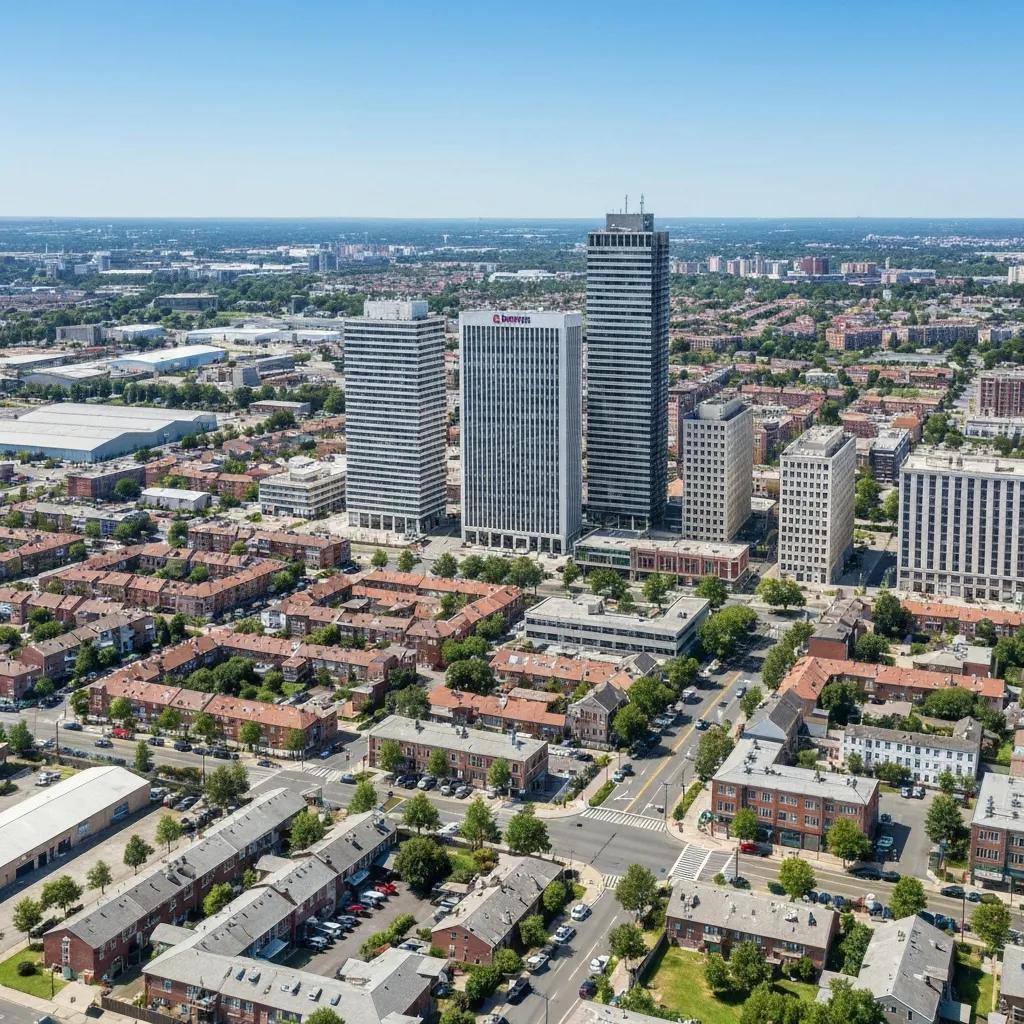
Major zoning categories — residential, commercial, industrial, agricultural, and mixed-use — define permitted activities and the physical form of development, which determines which investment strategies will work on a parcel. Each category typically includes rules on permitted uses, height limits, FAR, setbacks, and parking. Understanding subcategories (single-family vs. multifamily, light vs. heavy industrial) clarifies whether a project needs a variance or rezoning and whether financing will be straightforward. Below is a compact comparison table to speed early due diligence.
| Zoning Category | Typical Restrictions | Investor Notes |
|---|---|---|
| Residential | Limits on unit type, density, lot coverage, parking | Single-family zones limit conversions; multifamily allows greater unit yields and rental strategies |
| Commercial | Use-specific rules (retail, office), parking minimums, signage | Good for retail or office conversions; mixed-use projects often locate adjacent to commercial corridors |
| Industrial | Height limits, loading access, nuisance and environmental buffers | Light industrial can be repurposed for creative uses; heavy industrial drives higher mitigation and cost |
| Agricultural | Restrictions on subdivision, building footprints, septic/water limits | Land banking or ag-to-res rezoning can add value but usually requires policy change and infrastructure |
| Mixed-Use | Combined residential/commercial standards, often transit-oriented incentives | Enables vertical mixed-use that lifts ARV and diversifies income streams |
Use this comparison to prioritize sites where zoning already supports your plan and to spot parcels where entitlement work could unlock upside.
What Are Residential, Commercial, Industrial, Agricultural, and Mixed-Use Zoning Categories?
Residential zoning covers single-family homes, duplexes, and multifamily buildings and sets rules on density, lot coverage, and often parking that determine unit counts and project scale.
Commercial zoning covers retail, offices, and service uses and governs signage, access, and customer parking — factors that shape tenant mix and cash-flow models.
Industrial zoning regulates noise-generating, heavy-vehicle, or emissions-producing uses and typically requires loading access, setbacks, and environmental mitigation that influence building design and costs.
Agricultural zoning preserves farmland and limits subdivision; converting ag land to development usually needs rezoning and significant infrastructure investment.
Mixed-use zoning intentionally blends residential and commercial uses, often near transit, enabling denser projects with higher ARV when design and parking comply with code.
How Do Zoning Classifications Influence Property Development Options?
Zoning sets the development envelope by defining allowable density (units per acre), FAR, height, and setbacks — together these determine buildable square footage and unit yield. A higher FAR or relaxed height limit can turn a marginal site into a viable multifamily project, while strict setbacks and parking rules can make small infill lots uneconomical. These constraints flow into pro formas — affecting ARV, construction cost per square foot, and soft costs for variances or mitigation — and lenders use them when setting LTV and holdback policies. Practical mitigations include negotiating parking reductions, leveraging on-street credits, or applying for density bonuses; those strategies can materially change feasibility and lender appetite.
How Do Zoning Laws Impact Real Estate Investment and Property Value?
Zoning defines highest-and-best-use by setting allowable activities and the physical envelope, and those factors drive market value through unit yield, revenue potential, and liquidity. Restrictions that reduce buildable area or permitted uses tend to lower ARV and narrow exit options, while favorable zoning or a successful rezoning can create significant value uplift by enabling more units or higher-margin uses. Investors and lenders price entitlement risk by adjusting expected returns, requiring larger equity cushions, or staging financing so funds release after permit milestones. Often, a single variance that adds one unit or relaxes a setback is enough to justify the entitlement cost — but timing and certainty of approvals determine whether that uplift is captureable.
In What Ways Do Zoning Regulations Affect Project Feasibility and Market Value?
Zoning affects feasibility through buildable area, allowable unit count, and permitted uses — inputs that determine projected revenues and construction scope. For example, a 1.0 FAR produces far less buildable area than a 2.0 FAR, directly changing unit yield and ARV; those numeric differences shape lender underwriting and investor capitalization decisions. Parking minimums or height caps may raise per-unit construction costs or reduce net rentable area, reducing returns unless mitigated. That’s why feasibility analysis must convert zoning constraints into concrete unit yield and cost adjustments for realistic pro formas and financing strategies.
How Can Zoning Changes and Variances Influence Investment Opportunities?
Rezoning and variances can convert constrained parcels into higher-yield opportunities by increasing density, reducing setbacks, or permitting new uses, but they create time and approval risk that must be priced into offers. Variances are typically quicker and narrowly scoped, often requiring demonstration of hardship; rezoning can be transformative but is slower and requires political and community support. Lenders evaluate deals relying on variances or rezoning conservatively — asking for more equity, contingency reserves, or staged funding — so investors should model both success and failure scenarios and prepare technical studies and outreach plans to improve approval odds.
How Can Investors Navigate Zoning Permits, Variances, and Rezoning Processes?

Follow a staged workflow for permits, variances, and rezoning that balances speed with thorough documentation and stakeholder engagement to reduce delays and lender concerns. Start with a municipal code review and zoning verification, then move to design-level entitlements, application submission, public notice and hearings, and finally permit issuance. Each stage has typical timelines and stakeholders that affect deal pacing. Gathering the right documentation — zoning letters, site plans, surveys, environmental reports, and community outreach materials — shortens review cycles and smooths lender due diligence. The checklist and timeline below show common entitlement paths and expected durations.
The step-by-step process below outlines core stages and approximate timelines investors should expect.
- Zoning Confirmation: Request a zoning verification letter from planning staff to confirm allowed uses and restrictions; typically 1–3 weeks.
- Pre-Application Review: Meet with planners for initial feedback on code compliance and likely requirements; usually 2–6 weeks depending on scheduling.
- Permit or Entitlement Submission: Submit a building permit, conditional use permit, or rezoning package with full plans and studies; municipal review cycles commonly run 4–12 weeks.
- Public Hearings and Approvals: Attend hearings for variances or rezoning where neighbor input is considered; allow an additional 6–12 weeks for notice and scheduling.
- Permit Issuance and Conditions: Receive permits that may include conditions or mitigation obligations; final issuance timing varies and can require follow-up documentation.
Using this staged approach clarifies responsibilities and helps investors and lenders set realistic closing and funding timelines.
| Process Step | Typical Timeline | Stakeholders & Documentation |
|---|---|---|
| Zoning Verification | 1–3 weeks | Planning staff, site survey, zoning verification letter |
| Pre-Application Meeting | 2–6 weeks | Planner meeting notes, preliminary site plan |
| Permit Submission | 4–12 weeks | Complete plans, engineering studies, environmental reports |
| Public Hearing | 6–12 weeks | Notice materials, community outreach records, hearing transcript |
| Final Permit Issuance | 2–8 weeks | Proof of condition compliance, contractor disclosures |
What Are Zoning Permits and How Do They Affect Property Development?
Zoning permits include building permits, conditional use permits, and occupancy permits. They are the municipal approvals required to build, change use, or occupy a property under specific conditions. Building permits confirm compliance with structural and life-safety codes and are generally required before construction; conditional use permits allow uses that need special review under the code.
To lenders, permits are risk-reduction milestones that often trigger funding draws when conditions are met. Preparing permit-ready documentation — detailed plans, engineer sign-offs, and environmental compliance — shortens review times and increases lender confidence, reducing holdbacks and smoothing closings.
How Do Zoning Variances and Rezoning Requests Work?
A variance is a discretionary exception to a specific code requirement granted when strict compliance causes practical hardship; rezoning is a legislative change that alters a parcel’s land-use designation and development standards. Variances usually require showing unique circumstances and minimal community impact, while rezoning needs broader policy justification and public process. Timeframes differ: variances often resolve within one hearing cycle; rezoning can take several months and face political scrutiny. Investors pursuing either path should prepare technical studies, community outreach plans, and contingency financing to cover extended timelines and lender concerns.
How Do Zoning Laws Relate to Hard Money Loans and Financing Property Development?
Zoning status plays a major role in hard-money and construction underwriting because lenders assess whether the intended use is permitted, whether permits are obtainable, and how zoning risk affects exit strategies and collateral value. When zoning is clear, fix-and-flip and purchase loans are straightforward. When a deal hinges on a variance or rezoning, lenders typically require more equity, holdbacks, or staged advances to manage approval risk. Common lender requirements tied to zoning include a municipal zoning letter, architect site plans, permit-status evidence, and contingency reserves. The checklist below maps zoning outcomes to typical lender expectations.
- Zoning Verification Letter: Lenders expect official confirmation of permitted uses and overlays.
- Site Plan and ALTA/Survey: Shows buildable area, setbacks, and encumbrances.
- Permit Status Evidence: Demonstrates whether permits or entitlements are pending or approved.
- Equity & Contingency: Extra borrower equity or reserves required when variance or rezoning risk exists.
| Loan Program | Zoning-Related Requirement | Typical LTV / Timeline Impact |
|---|---|---|
| Fix and Flip | Permitted residential use or minor variance; clear site plan and permit path | More conservative LTV until permits; draws tied to inspections |
| Land & Construction | Clear entitlements or a strong rezoning strategy; phased draws require permits | Lower initial LTV on raw land; longer timeline for entitlement |
| Commercial Hard Money | Permitted commercial use, environmental clearances, parking/traffic studies | Underwriting is sensitive to permitted uses; longer diligence period |
That mapping shows how zoning outcomes shift underwriting terms and expected timelines.
Fidelity Funding offers fast, flexible financing tailored to investor needs and zoning realities, including land and construction loans, commercial financing, and fix-and-flip programs. We emphasize property equity over credit scores and deliver quick approvals to help you act on time-sensitive deals. When zoning uncertainty exists — for example, a variance-dependent conversion — lenders like Fidelity Funding typically require clear entitlement milestones, documented site plans, and additional equity or holdbacks to address approval risk. Working with a lender that understands entitlement workflows helps align financing with permitting timelines and reduces unexpected funding delays.
How Do Zoning Requirements Affect Fix and Flip, Commercial, and Land Construction Loans?
Fix-and-flip loans require that the after-repair use is permitted or that a straightforward variance is feasible; lenders often limit LTV until permits are finalized and may hold contingency reserves for unresolved zoning issues.
Commercial loans need verified permitted use, tenant plans, and sometimes traffic or parking studies depending on business type — all of which can extend underwriting timelines.
Land-and-construction financing places a premium on entitlement status: raw land without approvals typically gets lower LTV and a longer funding horizon, while entitled lots qualify for higher leverage and faster draws. Common lender mitigants include escrows for remediation, phased funding tied to permit milestones, and higher borrower equity when rezoning risk is present.
What Should Borrowers Know About Zoning When Applying for Hard Money Loans?
Prepare a zoning packet before you apply to speed underwriting and improve approval odds: include a zoning verification letter, ALTA survey, scaled site plan, preliminary architectural drawings, and a clear permit path description.
Lenders will evaluate whether the project depends on a variance or rezoning and will ask for timelines, community outreach plans, and contingency funds if approvals are not secured.
Hard-money underwriting prioritizes equity and property value; demonstrating sufficient borrower equity, realistic ARV assumptions, and documented permit progress helps secure faster approvals. Use the checklist below to assemble a lender-ready package.
- Zoning Verification Letter: Official confirmation of current zoning and permitted uses.
- ALTA Survey & Site Plan: Shows setbacks, easements, and buildable area.
- Architectural Plans & Scope of Work: Describes proposed changes and required permits.
- Entitlement Status and Timeline: Outlines where the project is in permitting and expected milestones.
- Equity Evidence & Exit Plan: Demonstrates borrower stake and a realistic repayment or exit strategy.
When these documents are included, many fast-approval lenders can move from inquiry to conditional approval within days, provided entitlement timelines are clear.
What Are the Recent Zoning Trends and Opportunities for Real Estate Investors?
From 2020 through 2024 many jurisdictions have expanded opportunities for investors: ADU-friendly policies, relaxed single-family restrictions, and reduced parking minimums have emerged to encourage transit-oriented and missing-middle housing. Those reforms increase unit potential on existing parcels and reduce costs tied to parking, making small-scale multifamily and accessory rental strategies more feasible. Investors who monitor local reforms can find markets where policy change shifts land-use economics toward denser, higher-ARV outcomes and structure deals to capture that value. Below are practical opportunities and risks tied to recent reforms.
The list below highlights notable zoning trends and investor implications.
- ADU Legalization and Duplex/Triplex Allowances: Add rental income and lift ARV with relatively low entitlement friction.
- Reduced Parking Minimums: Lower construction costs and more buildable area in transit corridors, improving mid-rise feasibility.
- Inclusionary and Affordable Housing Incentives: Density bonuses, fee waivers, or tax credits that can improve returns when paired with subsidy layering.
These trends create pathways for ADU conversions, small-scale multifamily, and transit-oriented projects that use relaxed rules to increase yield and reduce per-unit costs.
How Are Zoning Reforms Like ADU Legalization and Mixed-Use Development Changing the Market?
ADU reforms and more permissive mixed-use zoning have unlocked incremental supply by allowing accessory units and gentle density in areas previously reserved for single-family homes. That generates new cash-flow opportunities with relatively modest capital investment. Investors can add rental income or boost ARV through ADU builds or conversions, and mixed-use zoning near transit increases development yield and tenant diversification. Lenders increasingly accept ADU-backed cash flow and mixed-use pro formas when permits and plans are documented, so tracking ordinance updates and preparing standardized permit packages lets you move quickly when new allowances take effect.
What Are the Implications of Affordable Housing and Exclusionary Zoning on Investment?
Exclusionary zoning that limits multifamily supply can push prices up by constraining housing stock, creating both barriers and opportunities for investors who navigate entitlements or partner with public programs. Affordable housing mandates and inclusionary zoning add requirements but also offer incentives — density bonuses, fee waivers, or tax credits — that can offset costs and improve long-term occupancy. Investors should assess whether a market incentivizes affordable units or favors market-rate development, then structure deals to use available incentives or pursue niche strategies like adaptive reuse or public–private partnerships. Understanding local policy drivers helps anticipate demand shifts and identify where entitlement expertise creates an edge.
If you’re ready to move on time-sensitive zoning opportunities, practical next steps are to prepare a lender-ready packet and contact a financing partner that understands entitlement-aware loans. Fidelity Funding specializes in fast, flexible financing for investors and business-purpose borrowers, prioritizing property equity over credit scores. We offer purchase loans, fix-and-flip, land and construction, and commercial financing that align with zoning scenarios, often delivering approvals within 5–7 days and using staged funding and clear milestone paperwork to limit delays.
To pursue an opportunity, gather your zoning verification, site plan, and scope of work, then submit a deal package, call our team, or fill out our inquiry form for a fast, no-pressure review.
Frequently Asked Questions
What are the common challenges investors face with zoning laws?
Common challenges include inconsistent rules across municipalities, the need for variances or rezoning, and potential community opposition. Interpreting local codes takes time, and mistakes can lead to costly redesigns or permit delays. Approval timelines for permits and variances are often unpredictable, affecting financing and construction schedules. Ongoing monitoring of regulatory changes and early stakeholder engagement are key to managing these risks.
How can investors effectively research local zoning regulations?
Start with municipal planning resources: zoning maps, code text, and comprehensive plans. Attend planning meetings and speak with local planners to learn about upcoming changes and community sentiment. Use online municipal portals and searchable ordinance databases, and bring in real estate attorneys or zoning consultants when issues are complex. Early, documented due diligence reduces surprises later in the process.
What role do community stakeholders play in the zoning process?
Residents, neighborhood groups, and local businesses often influence variances, rezoning decisions, and development approvals. Engaging stakeholders early and addressing concerns proactively can smooth approvals and reduce opposition. Building positive relationships with the community and sharing clear project benefits — jobs, improved housing, or neighborhood investment — increases the likelihood of a favorable outcome.
How do zoning laws affect environmental considerations in property development?
Zoning can incorporate environmental protections by limiting development in sensitive areas, requiring stormwater management, or triggering environmental review. Developers may need mitigation measures or special permits for wetlands, floodplains, or other constrained sites. Understanding these requirements up front avoids compliance issues and helps budget for potential remediation or design changes.
What are the implications of zoning changes on property values?
Zoning changes can materially affect values. Upzoning that allows greater density or mixed-use can increase a property’s value by widening its potential uses and revenue streams. Conversely, downzoning or stricter restrictions can reduce development options and lower market value. Investors should track local zoning shifts and model how changes could impact their holdings, as policy shifts create both risk and opportunity.
What strategies can investors use to advocate for favorable zoning changes?
Advocacy strategies include engaging local officials, participating in public hearings, and building coalitions with community stakeholders. Present data-driven arguments that show economic benefits — job creation, increased tax revenue, or neighborhood improvements — and run outreach campaigns to educate residents. Working with planners and decision-makers early and transparently improves the chances of successful rezoning or conditional approvals.
Conclusion
Zoning laws shape what you can build, how long it will take, and how lenders will finance a project. Investors who understand local ordinances, anticipate entitlement risks, and prepare lender-ready documentation position themselves to capture value and avoid costly delays. Stay engaged with zoning trends, organize clear permit packages, and partner with a lender that understands entitlement workflows to move confidently on opportunities. To discuss financing that aligns with your zoning plan, contact our team at Fidelity Funding — we’ll help you evaluate options and move quickly when timing matters.