


Investing in Apartment Buildings
Apartment Building Financing: Fast, Flexible Multifamily Loans and Practical Financing Solutions
Financing apartment buildings means securing capital for acquisitions, renovations, or emergency rescues while protecting investor returns and rental income. This guide walks through the options investors use most—hard money purchase loans, multifamily fix‑and‑flip rehab financing, bridge loans, DSCR and commercial products, and rapid bailout funding for distressed assets. You’ll find program details (typical LTV ranges, interest starting points, and term lengths), the documents underwriters expect, realistic approval timelines, and how different choices affect leverage and cash flow. We map the approval workflow step‑by‑step and highlight the documents that speed pre‑approval and closing, so you can move quickly on time‑sensitive opportunities. Sections cover why apartments matter, which fast loan programs suit multifamily deals, the mechanics of DSCR and commercial loans, bailout options, underwriting requirements, and how to submit a deal to Fidelity Funding. The emphasis is practical—helping investors evaluate offers, reduce closing risk, and protect equity while growing a rental portfolio.
Why Invest in Apartment Buildings? Key Benefits for Real Estate Investors
Apartment buildings pair steady rental income with scale advantages that can improve net operating income and investor returns. Multifamily assets deliver recurring cash flow across many units, which smooths vacancy risk versus single‑family properties and supports consistent debt service coverage. Investors also benefit from economies of scale in maintenance and management, and from value‑add renovations that raise the rent roll and after‑repair value (ARV). Knowing these financial benefits makes targeted financing and renovation capital essential—so choosing the right loan program for an acquisition or value‑add project matters.
Apartment ownership offers distinct financial advantages:
- Consistent rental income from multiple units, reducing single‑tenant vacancy exposure.
- Higher NOI through operational efficiencies and consolidated expense management.
- Greater leverage potential to accelerate equity growth when paired with appropriate financing.
Because financing strategy directly affects returns, the next section outlines the fast loan programs commonly used for apartment building deals.
What Are the Financial Advantages of Apartment Building Investments?
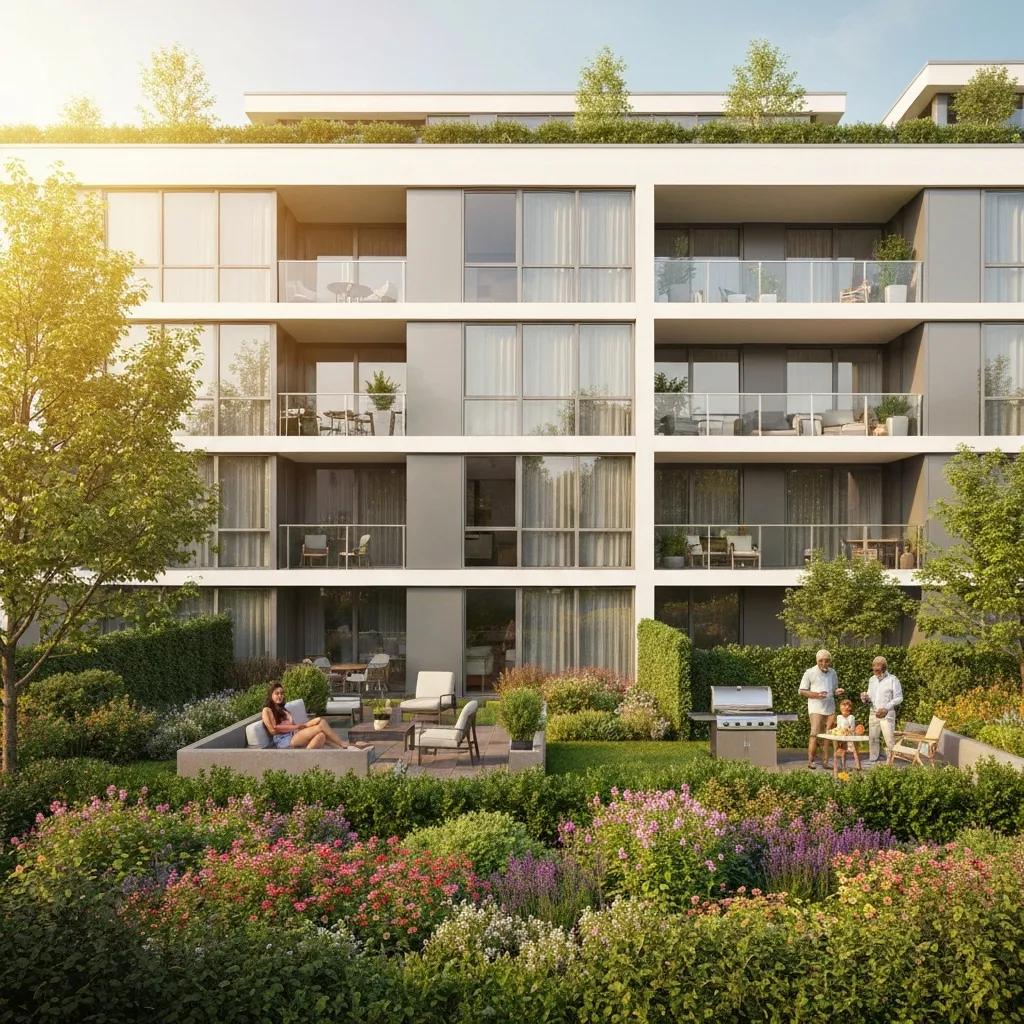
Apartment buildings create net operating income by combining rent from multiple units, which supports debt coverage and owner distributions. Properly used leverage can boost return on equity when rental income and appreciation outpace borrowing costs—making loan terms directly relevant to IRR. For example, financing a value‑add purchase with a planned rehab can lift ARV and rents, increase NOI, and enable a refinance or cash‑out to scale the portfolio. That link between financing, renovations, and returns means accurate underwriting of rent rolls, P&L statements, and ARV projections is critical to success.
Those underwriting needs inform how lenders design fast loan programs for multifamily borrowers and which program fits a particular deal.
How Does Multifamily Property Diversify Your Real Estate Portfolio?
Multifamily assets lower portfolio volatility because multiple tenants spread income risk and reduce dependence on any single payer. Scale also cuts per‑unit management costs and strengthens negotiating power with vendors, improving margins and stabilizing cash flow. Diversifying across unit types and lease terms cushions revenue through market cycles and creates opportunities to pursue value‑add strategies during softer periods. These stability characteristics make apartments attractive both for active operators and investors seeking predictable rental income.
The need to preserve cash flow and execute renovations efficiently helps determine the choice of financing—next we review the fast loan programs that support multifamily acquisitions and repositioning.
What Fast Loan Programs Does Fidelity Funding Offer for Apartment Building Financing?
Fast loan options for apartments include acquisition purchase loans, refinance and cash‑out financing, fix‑and‑flip rehab loans, bridge loans, DSCR and commercial hard‑money products, plus bailout funding for urgent situations. Programs prioritize property equity and operational metrics, with LTV, term, and rate characteristics tied to use case and condition. Speed is a focus—qualified files can see approvals in as little as 24 hours and closings frequently within 5–10 days—so investors can act on time‑sensitive deals while protecting value. Below is a practical comparison of our core programs, typical LTVs, terms, rate starting points, and ideal uses.
The table below compares common multifamily loan programs to help investors skim core attributes quickly:
| Loan Program | Typical Max LTV / Structure | Typical Term & Rate | Ideal Use |
|---|---|---|---|
| Hard Money Purchase Loan | Up to 70% typical, 75% case-by-case | Terms 12–60 months, rates starting at 6.99% interest-only | Fast acquisitions where collateral and equity matter more than credit history |
| Fix and Flip Loan (Multifamily) | Up to 90% purchase, rehab financing up to 100% of rehab | Short-term bridge; interest-only with rehab draws | Renovation and value-add repositioning using ARV underwriting |
| Bridge Loan | Case-by-case LTV based on project | Short-term (months to a few years) | Hold until longer-term financing or stabilization |
| DSCR Loan | Underwriting based on rental income | Commercial-term structures, rate varies | Income-producing properties evaluated on NOI and DSCR |
| Commercial Hard Money | Flexible LTVs, supports 2nd/3rd trust deeds | Terms 12–60 months, interest-only options | Mixed-use, larger multifamily, and non‑conforming deals |
| Foreclosure / Bankruptcy Bailout | Case-dependent LTV and timing | Fast-closing, short-term funding | Time-sensitive rescues to stop foreclosure or support bankruptcy navigation |
This side‑by‑side makes program trade‑offs clear: purchase and bridge loans prioritize speed and equity; fix‑and‑flip products focus on ARV and draw schedules; DSCR and commercial loans center on income underwriting. Fidelity Funding applies an equity‑first approach and aims for fast pre‑approvals (often 24 hours) and quick closings (commonly 5–10 days) on qualifying deals.
How Do Hard Money Purchase Loans Support Multifamily Acquisitions?
Hard money purchase loans for multifamily deals emphasize the property and borrower equity over full personal income documentation, which accelerates decisioning. Underwriting centers on property value, rent roll, and projected rents. Typical guidance is up to 70% LTV, with 75% possible in select cases, and terms range from 12 to 60 months with rates starting at 6.99% interest‑only. Streamlined submissions—title, rent roll, photos, and P&L—can yield fast pre‑approval. Knowing these mechanics helps investors choose loans that preserve working capital for renovations and reserves.
These acquisition dynamics dovetail with the rehab financing structures used for value‑add apartment work.
What Are Fix and Flip Loans for Apartment Complex Renovations?
Fix and flip loans for multifamily projects are ARV‑based products that finance purchase and rehab—sometimes covering up to 90% of purchase and funding significant rehab costs via staged draws. Underwriters compare projected ARV to total project costs; some programs provide up to 100% of rehab funding through milestone draws. Terms are short and aligned with renovation schedules, typically interest‑only to reflect project risk. Fast approvals and funded draws keep contractors paid and timelines moving, but realistic ARV assumptions and contingency budgeting are essential to protect margins.
Well-structured rehab financing sets the property up for stabilization and a follow‑on DSCR or longer‑term commercial refinance once rents are reset.
How Can Specialized Loans Help with Commercial and DSCR Apartment Investments?
Products like DSCR loans and commercial hard‑money loans underwrite primarily to rental income and NOI, allowing approvals based on property cash flow rather than borrower personal income. DSCR (debt‑service coverage ratio) lending tests whether NOI covers debt service at a required multiple—useful for operators with multiple assets or limited traditional documentation. Commercial loans accommodate mixed‑use and larger projects with tailored amortization, recourse terms, and covenants. Choosing the right product depends on whether you prioritize immediate speed or a longer amortization and lower ongoing payment.
Below are focused explanations of DSCR mechanics and commercial loan attributes for multifamily investors.
What Are DSCR Loans and How Do They Benefit Rental Income Properties?
DSCR loans underwrite the property by dividing net operating income by projected debt service to produce a coverage ratio—NOI ÷ Debt Service = DSCR. Lenders typically require a minimum DSCR based on risk; a common threshold is 1.20–1.25. A higher DSCR improves approval odds and can lower pricing. DSCR underwriting helps investors scale because it ties credit to property performance rather than individual tax returns, enabling faster decisions on income‑producing apartment buildings.
This income‑based approach contrasts with ARV‑driven rehab loans and informs longer‑term financing strategies for stabilized assets.
How Do Commercial Loans Facilitate Mixed-Use and Larger Apartment Projects?
Commercial loans for mixed‑use and larger multifamily projects offer tailored amortization, recourse options, and underwriting that considers leases, tenant mix, and market comparables. Terms and LTV vary with property type and lease structure; lenders commonly request P&L statements, rent rolls, executed leases, and appraisals to assess income sustainability. These loans can bridge to permanent financing or support longer‑term holds when conventional lending metrics are met. Choosing between a commercial hard‑money loan, a bridge product, or a DSCR loan depends on timeline, documentation, and whether speed or amortization is the priority.
Understanding these commercial features points to the rescue options available if a property becomes distressed.
What Solutions Exist for Distressed Apartment Properties and Foreclosure Bailouts?

Distressed apartment properties need fast, practical financing to stop foreclosure or stabilize operations. Bailout loans and bankruptcy rescue financing provide short‑term liquidity and time to restructure. A foreclosure bailout typically cures arrears or covers a payoff and can close quickly when documentation and title are in order. Bankruptcy bailouts are more complex, requiring coordination with trustees or courts and tailored loan structures that respect legal constraints. Comparing bailout types, timelines, and likely outcomes helps owners preserve equity and avoid forced sales.
The table below compares common bailout options, timelines, and typical lender outcomes for distressed multifamily situations.
| Bailout Type | Typical Timeline | Purpose / Typical Outcome |
|---|---|---|
| Foreclosure Bailout Loan | 5–7 days to close in many cases | Provides liquidity to stop foreclosure and cure arrears; preserves owner equity |
| Bankruptcy Bailout Program | Case-dependent; may require trustee/court coordination | Restructures obligations or provides debtor-in-possession financing to maintain operations |
| Short-Term Rescue Bridge | Days to a few weeks | Stabilizes cash flow until refinance or sale; funds operations and repairs |
These options are equity‑focused and designed to act quickly, giving owners the breathing room needed to pursue a longer‑term solution. Fidelity Funding can deploy fast‑closing bailout capital in many cases, prioritizing equity preservation and rapid funding to interrupt foreclosure timelines.
How Do Foreclosure Bailout Loans Protect Apartment Owners?
Foreclosure bailout loans provide immediate liquidity to cure arrears or pay off a subordinate lender, halting foreclosure when time is critical. Typically the loan funds a payoff or supplies short‑term capital while title, current balances, and proof of occupancy or rents are assembled. Rapid approvals and expedited closings are essential to meet sale timelines. Common documentation includes recent mortgage statements, a rent roll, and ownership evidence; once cleared, funds can be wired to the servicer to stop the sale. Quick bailout financing protects owner equity by avoiding a fire sale and enabling an orderly stabilization or sale.
Rapid funding capability is especially important in bankruptcy scenarios, which require different legal navigation.
What Are Bankruptcy Bailout Programs for Investment Properties?
Bankruptcy bailout programs work within court constraints to provide debtor‑in‑possession financing or negotiated payoffs that let a property keep operating during reorganization. Lenders evaluate trustee approvals and court schedules, and structures may include short‑term bridge loans or conditional payoffs tied to court orders. Required documentation typically expands to bankruptcy filings, trustee contacts, and detailed financials; timelines depend on court calendars and negotiations. The goal is to preserve property value and buy time for restructuring rather than force an immediate exit.
Understanding bailout mechanics clarifies the documentation and speed a lender will require—next we cover the key loan requirements and approval steps investors should prepare.
What Are the Key Loan Requirements and Approval Steps for Apartment Building Financing?
Fast approvals and short closings rely on prioritized documentation and an efficient workflow that focuses on property equity and income. Lenders commonly follow these steps: deal submission, initial underwriting and due diligence, pre‑approval (often within 24–48 hours on qualified files), completion of required items, and closing—which can occur in 5–10 days when title and payoff conditions are clear. Core documents include title reports, rent rolls, P&L statements, photos, and appraisals or valuations; having these organized speeds decisions. The checklist and table below link approval phases to required documents and typical timelines so investors can prepare efficiently.
Use these numbered steps to streamline approval and closing:
- Submit the deal with property basics, asking price, and borrower background.
- Provide prioritized documents: title, current rent roll, P&L, recent photos, and leases.
- Receive a property‑first pre‑approval—possible in as little as 24–48 hours for complete files.
- Complete underwriting items (appraisal/valuation, contractor bids) and schedule closing—often within 5–10 days for fast files.
These steps emphasize speed and equity; the table below summarizes approval phases, required documents, and typical timing.
| Approval Phase | Key Documents | Typical Timeline |
|---|---|---|
| Initial Submission | Purchase contract, estimated rehab scope | 24–48 hours to review |
| Underwriting | Title report, rent roll, P&L, photos, leases | 1–5 business days |
| Valuation & Approval | Appraisal or internal valuation, contractor bids | 3–10 business days |
| Closing | Executed loan docs, title clearances, payoff instructions | 5–10 days for fast files |
This timeline shows which documents unlock each phase and why completeness speeds funding. Prioritizing these items reduces conditional back‑and‑forth and improves the chance of rapid closing.
What Loan-to-Value Ratios Are Typical for Multifamily Hard Money Loans?
LTV guidance depends on program and property condition: purchase loans commonly reach up to 70% LTV with 75% as a case‑by‑case maximum, while fix‑and‑flip purchase portions can reach up to 90% depending on ARV and rehab funding structures. Refinance and cash‑out loans generally carry lower LTVs tied to NOI and valuation, and commercial loan LTVs vary with lease stability and borrower profile. Factors that influence LTV include property condition, local market strength, unit mix, rent roll quality, and the presence of experienced management. Translating LTV into equity requirements helps investors plan down payments and contingency reserves.
Grasping LTV dynamics lets investors size capital needs and contingency buffers—both of which inform the documents lenders will request next.
Which Documents Are Needed for Fast Loan Approval?
To move fastest, assemble these must‑have items first: a clear title report, an up‑to‑date rent roll, P&L statements showing current income and expenses, recent photos of units and common areas, and executed leases when available. Helpful items that accelerate underwriting include contractor bids, recent appraisals, vacancy history, and proof of reserves. Missing documents typically trigger delays, so labeling materials as “must‑have” and “helpful” in your submission speeds review. Complete documentation aligns with property‑first underwriting and increases the chance of pre‑approval within 24–48 hours and a quick closing thereafter.
Organizing documents this way supports an efficient submission and improves the odds of meeting aggressive closing timelines.
How to Get Started Investing in Apartment Buildings with Fidelity Funding?
Start by preparing a concise deal package and choosing the loan program that fits your timeline and goals—acquisition, rehab, refinance, or bailout. Compile the core documents—purchase agreement, rent roll, P&L, photos, and scope of work if rehab is planned—and submit the deal through Fidelity Funding’s intake channels. Expect a rapid initial response: qualifying files can receive pre‑approval in 24–48 hours, and many closings occur within 5–10 days when title, payoffs, and documentation are clear. Below are practical submission steps and eligibility notes to get you started.
Submit a deal using this checklist to speed review and pre‑approval:
- Include a short property summary, asking price, and intended loan program.
- Attach key documents: title (if available), current rent roll, P&L, photos, and scope of rehab.
- Flag any time‑sensitive deadlines (auction date, court date) so we can prioritize review.
These actions help underwriters assess equity and timing quickly. Fidelity Funding typically responds fast to complete submissions—pre‑approval in 24–48 hours and closings often achievable within 5–10 days when conditions permit.
How Can Investors Submit a Deal or Contact Fidelity Funding?
Submit deal details and documentation through Fidelity Funding’s standard intake channels and request rapid pre‑approval. Include property information, rent roll, P&L, purchase contract, and any rehab budgets to speed review. We underwrite to property equity, support 2nd and 3rd trust deeds when appropriate, and fund loans consistent with product attributes shown earlier. Clear submissions allow our team to respond quickly—complete files can receive a pre‑approval within 24–48 hours, followed by coordinated steps to meet your target closing window. This straightforward process helps you understand timelines and next steps without committing to a final loan until underwriting is complete.
What Property Types Are Eligible for Multifamily and Commercial Loans?
Eligible assets typically include small to mid‑size multifamily apartment buildings, mixed‑use properties with rental components, small apartment complexes, and some commercial‑multifamily hybrids; in select cases financing extends to land and construction loans for multifamily projects. Eligibility depends on the business‑purpose nature of the loan, unit mix, occupancy, and local market dynamics. Some programs focus on non‑owner‑occupied investments. Ineligible situations usually involve unresolved title challenges, environmental liabilities, or property types outside lender appetite. Clarifying eligibility early helps match the right program to the asset and avoid wasted time in underwriting.
These eligibility rules tie back to program choice and documentation needs described earlier, completing the practical path from strategy to funding.
This guide combined product details, underwriting mechanics, approval steps, and bailout comparisons so investors can evaluate multifamily financing options. The tables and checklists map loan types to LTV, term, rate starting points, and timing so you can prioritize documents and select the right program for acquisitions, renovations, conversions, or urgent rescues. Ready to submit a deal? Compile the prioritized documents and note any time‑sensitive deadlines when contacting Fidelity Funding—complete submissions may receive pre‑approval in 24–48 hours and closings often within 5–10 days when conditions permit.
Frequently Asked Questions
What is the difference between hard money loans and traditional financing for apartment buildings?
Hard money loans are asset‑based: the property secures the loan and underwriting focuses on collateral value rather than borrower credit profiles. That makes them well suited to fast acquisitions or distressed deals. Traditional financing typically requires extensive personal income and credit documentation and takes longer to close. Hard money usually carries higher rates and shorter terms, but it delivers speed and flexibility that can be decisive in competitive markets.
How can I determine the right loan program for my apartment investment?
Pick a program based on your strategy, property condition, and timeline. Do you need acquisition speed, rehab draws, or a longer‑term income‑based loan? Compare LTVs, rates, terms, and documentation requirements. If you’re unsure, discuss the deal with a lender or advisor to match your objectives with the product that balances cost, speed, and capital preservation.
What are the risks associated with investing in apartment buildings?
Risks include market downturns that raise vacancies and lower rents, tenant turnover and management challenges, unexpected repair costs, and regulatory changes. Mitigate risk with thorough market research, conservative underwriting, adequate reserves, and experienced property management. Diversifying across markets and product types also reduces exposure.
What role does property management play in the success of apartment investments?
Strong property management is essential. A good manager improves tenant retention, enforces leases, coordinates maintenance, and helps maintain steady rent collection. Efficient operations directly increase NOI and property value, so budgeting for capable management is often a better investment than cutting costs on operations.
How can I improve the value of my apartment building after purchase?
Value improvements include thoughtful unit upgrades, better curb appeal, and operational efficiencies. Targeted renovations, improved common areas, and energy upgrades can justify higher rents. Marketing and tenant retention programs reduce vacancy and turnover. Always weigh renovation costs against realistic ARV and NOI gains to protect returns.
What should I consider when evaluating potential apartment building locations?
Look at local market trends, job growth, schools, transit access, and demographic shifts. Assess vacancy rates, rent comparables, and competition. Neighborhood safety, amenities, and planned development also affect long‑term demand. Strong fundamentals make underwriting assumptions more reliable.
What are the tax implications of investing in apartment buildings?
Tax considerations include deductions for mortgage interest, property taxes, and depreciation. Investors may use 1031 exchanges to defer capital gains when reinvesting in like‑kind property. Tax rules vary by jurisdiction and can be complex—consult a tax professional to understand implications for your strategy and ensure compliance.
Conclusion
Apartment building investment delivers scale, steady rental income, and leverage opportunities—but success depends on the right financing. Understanding fast loan programs, preparing the required documents, and working with a responsive lender lets you move quickly on time‑sensitive deals while protecting equity. Compile your prioritized materials and contact Fidelity Funding to explore tailored financing options and accelerate your next multifamily investment.