


Short-Term Real Estate Financing
Short‑Term Real Estate Financing — Fast, Flexible Hard‑Money & Bridge Loans in California
Short‑term real estate financing provides quick, asset‑backed capital to bridge acquisition, rehab, and timing gaps for active investors and owners facing distress in California. This guide walks through how hard money and bridge loans work, the investor benefits they deliver, and which short‑term products suit common strategies — fix‑and‑flip, bridge/gap financing, DSCR rental financing, and foreclosure bailouts. Many borrowers value speed, predictable leverage, and rehab funding more than conventional credit underwriting; short‑term lenders underwrite on property equity and after‑repair value (ARV) to provide that flexibility. Below you’ll find clear definitions, LTV and ARV examples, DSCR and P&L guidance, step‑by‑step application and closing timelines, and practical checklists to help you close time‑sensitive deals. We also outline typical program features and explain how a California‑focused lender executes 5–7 day approvals and closings. Read on to compare loan types, confirm required documents, and learn how to prepare a deal for fast funding.
What Are Hard Money Loans and How Do They Benefit California Real Estate Investors?
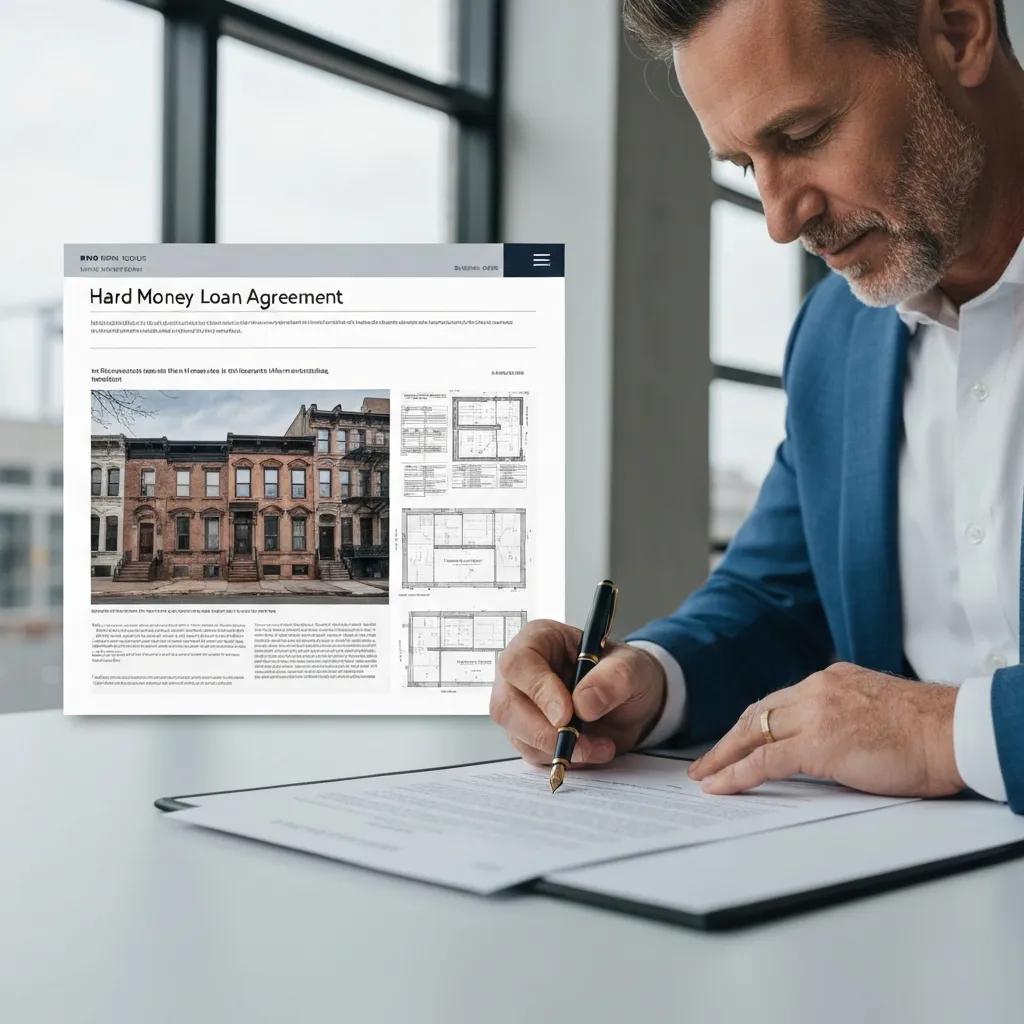
Hard money loans are short‑term, asset‑based loans secured by real estate where underwriting centers on the property’s value and equity rather than traditional income or credit checks. Underwriting is collateral‑first: lenders evaluate current value, repair scope, and projected ARV to set allowable LTV and rehab reserves, then price the loan with higher rates and shorter terms to reflect the speed and risk. Investors get faster approvals and closings, flexible payment options like interest‑only notes, and rehab funding tied to project milestones. These programs let you win competitive purchases, bridge transactions, or rescue distressed situations. Knowing how they work helps you match the loan to your exit — sale, refinance, or long‑term payoff.
How Do Hard Money Loans Work for Short‑Term Real Estate Financing?
Hard money underwriting begins with a valuation and an ARV estimate; together these set the lender’s LTV ceiling and the rehab budget. Lenders commonly offer interest‑only structures for the short term, with terms from a few months up to several years depending on the product, and they underwrite based on a clear exit strategy — sale, refinance, or payoff. For example, if ARV is $400,000 and the lender will finance up to 85% ARV, the maximum ARV‑based loan is $340,000, which determines purchase leverage and rehab allocation. Lien position matters: first‑position loans get the best terms while subordinate positions are available at higher cost. These factors create a predictable financing path for short‑term deals.
What Are the Key Benefits of Hard Money Loans for Investors?
Hard money loans are built for investors who need speed and equity‑driven leverage. They enable rapid closings so you can win deals and start rehabs sooner. They increase purchasing power by focusing on property equity and ARV rather than FICO. Many programs include rehab financing and interest‑only payments to preserve cash flow during construction. Lenders also accept non‑traditional documentation and can structure second or third liens to complete complex capital stacks. Taken together, these features make hard money a practical tool for time‑sensitive and opportunistic investing.
Which Loan Programs Does Fidelity Funding Offer for Short‑Term Real Estate Financing?
Short‑term lenders bundle several product types to fit common investor needs: purchase loans for quick acquisitions, fix‑and‑flip loans combining purchase and rehab funding, bridge loans to close timing/value gaps, DSCR loans that underwrite to property cash flow, and foreclosure/bankruptcy bailouts for distressed cases. Each program emphasizes speed, asset‑based underwriting, and exit‑aligned terms tailored to anticipated hold periods. Comparing attributes side‑by‑side helps you pick the product that best matches your deal and exit plan. The table below summarizes typical program features to guide selection.
Different short‑term programs serve distinct use cases and investment timeframes.
| Loan Program | Typical Loan Term | LTV / ARV | Rehab Funding | Typical Use Case |
|---|---|---|---|---|
| Purchase Loans | 6–24 months | Up to 70–75% LTV | Limited rehab funding | Fast acquisitions that need a quick close |
| Fix and Flip Loans | 6–18 months | ARV financing up to 85–90% | Rehab reserves funded to scope | Purchase + rehab with a resale exit |
| Bridge Loans | 6–24 months | Up to 70% LTV | Gap funding allowed | Bridge timing mismatches between deals |
| DSCR Loans | 12–60 months | Based on cash flow, lower LTV | Rehab optional | Rental financing under income/cash‑flow underwriting |
| Foreclosure Bailout Loans | Short‑term (weeks–months) | Case‑by‑case | Funds to cure arrears | Stop foreclosure and buy time |
Use this comparison to connect program features with investor goals and to narrow your options before preparing a targeted submission.
Below are focused descriptions of common short‑term options and what to expect when using them.
What Are Fix and Flip Loans and How Can They Maximize Your Investment?
Fix‑and‑flip loans combine acquisition and rehab financing with underwriting based on projected ARV, so investors can buy underperforming properties and fund renovations within one facility. These loans emphasize ARV financing — many lenders will consider up to 85–90% of ARV and may fund most of the rehab budget based on contractor bids and a draw schedule. Required paperwork typically includes the purchase contract, contractor estimates, a rehab budget, and a project timeline; these support underwriting and draw administration. With interest‑only payment choices and draws released on inspection, fix‑and‑flip loans align funding to construction milestones and the resale exit, which helps maximize ROI.
How Do Bridge Loans Support Quick Property Acquisitions and Renovations?
Bridge loans supply interim capital to cover timing or valuation gaps when immediate acquisition or renovation funds are needed before permanent financing is in place. Typical uses include buying before you sell another asset, funding a purchase while waiting on long‑term approval, or covering short‑term rehab costs that unlock value. Bridge terms usually run 6–24 months and underwriters focus on property equity, clear title, and a credible exit plan. Because bridge loans solve timing mismatches, they’re processed on an accelerated track — present a concise exit strategy and proof of value creation to qualify.
What Are DSCR Loans and How Do They Help Investors Qualify Without Traditional Income Verification?
DSCR (Debt Service Coverage Ratio) loans underwrite to a property’s net operating income versus required debt service, letting investors qualify on rental cash flow instead of personal income. DSCR = Net Operating Income ÷ Annual Debt Service; lenders commonly require a DSCR of around 1.0–1.25 or higher to ensure cash flow covers payments. Documentation includes rent rolls, lease agreements, P&L statements, and market rent comps; short‑term rental (STR) income can be used if supported by reliable data. DSCR loans are ideal for investors who want underwriting based on property performance rather than individual tax returns.
How Do Foreclosure Bailout Loans Prevent Property Loss for Distressed Owners?
Foreclosure bailout loans are time‑sensitive facilities designed to cure arrears, halt pending foreclosure actions, and buy short‑term breathing room to negotiate a longer‑term resolution. Funds are applied to delinquent mortgage payments, reinstatement amounts, and required fees to stop the foreclosure, while the borrower pursues sale, refinance, or restructuring. Typical lender requirements include a mortgage statement, an arrears schedule, a title search showing active foreclosure, and a clear cure or exit plan. Speed matters: experienced bailout lenders coordinate rapidly with title and servicers to meet cure deadlines and avoid auction outcomes.
What Are the Typical Requirements and Terms for Short‑Term Real Estate Loans?
Short‑term underwriting centers on measurable property attributes — current value, ARV, rehab scope, and title status — plus a realistic exit strategy; borrower credit and income are secondary. Terms vary by product but usually include higher interest rates than permanent mortgages, origination points, and interest‑only payment options to conserve cash during renovation. Knowing standard LTV/ARV ranges, documentation expectations, and fee structures helps investors prepare accurate submissions and speeds review. The table below shows representative Fidelity Funding values for common underwriting attributes so borrowers know what to expect.
The following table lists typical requirement values and the documentation lenders commonly request.
| Attribute | Fidelity Funding Typical Value | Notes / Documentation Needed |
|---|---|---|
| Purchase LTV | Up to 70–75% | Purchase contract and valuation required |
| ARV Financing | Up to 85–90% (for ARV‑based rehab) | ARV report and contractor bids required |
| Rehab Funding | Percent of rehab based on scope | Rehab budget, contractor agreements, draw schedule |
| Credit Emphasis | Secondary to equity | Credit pulled but strong equity can offset |
| Loan Terms | 6–60 months (product‑dependent) | Exit strategy required (sale/refi) |
| Interest & Fees | Higher than bank rates; origination points typical | Fee schedule and payoff structure disclosed |
Meeting these documentation expectations reduces review cycles and improves your chance of better terms. Prepare clear budgets and valuation support to align with these attributes.
What Loan‑to‑Value and After‑Repair Value Ratios Are Offered?
LTV and ARV ratios set the maximum loan amount and rehab funding. Lenders typically cap purchase LTV around 70–75% and offer ARV financing up to 85–90% for renovation projects. These ratios matter because they define the lender’s risk relative to the property’s projected post‑rehab value and determine how much leverage you can safely use. For example, if ARV is $500,000 and ARV financing is 85%, the lending cap on finished value is $425,000, which governs combined acquisition plus rehab funding. Accurate ARV support — comps, scope, and cost estimates — helps you maximize leverage and secure proper rehab reserves.
How Does Fidelity Funding Prioritize Property Equity Over Credit Scores?
Asset‑based underwriting emphasizes demonstrable property equity and a clear value‑creation plan over personal credit metrics, enabling borrowers with past credit issues but strong collateral to access funding. Lenders still review credit as part of risk assessment, but substantial equity or conservative LTVs can offset low FICO scores. To show equity, provide recent appraisals or broker price opinions, title reports, and a detailed repair scope that supports ARV projections. This approach shifts the decision to tangible collateral and exit feasibility rather than solely personal credit.
What Are the Common Loan Terms, Interest Rates, and Payment Options?
Short‑term loan terms range from a few months to several years depending on the product. Hard money programs often feature interest‑only payments and balloon maturities at exit. Interest rates are higher than conventional mortgages to reflect speed and short duration, and origination fees or points are common; exact pricing depends on property type, lien position, and borrower profile. Payment flexibility — such as interest‑only periods during rehab — and the option for subordinate liens make these loans useful for managing renovation cash flow. Plan for upfront fees, reserves for draws, and a clear exit plan to avoid maturity surprises.
How Can Real Estate Investors Apply and Get Approved Quickly for Short‑Term Financing?

Fast approvals depend on a complete submission, a clear exit strategy, and tight coordination with valuation and closing partners to meet aggressive timelines like 5–7 day closings. Lenders move faster when borrowers provide a concise package: purchase contract, current title report, recent photos, repair estimates, and a stated exit plan (sale or refinance). Operational speed comes from pre‑qualified appraisers, streamlined underwriting checklists, and closing teams that run escrow and title in parallel. The table below outlines a typical fast‑approval flow with expected timeframes and required inputs so you can prepare to move quickly.
The application‑to‑closing flow can be compressed when documentation is complete and roles are defined.
| Step | Action | Expected Timeframe | Required Documents / Inputs |
|---|---|---|---|
| 1 | Deal submission and initial review | 24–72 hours | Purchase contract, property photos, borrower ID |
| 2 | Term sheet and preliminary underwriting | 24–48 hours | Valuation summary, rehab budget |
| 3 | Due diligence and appraisal | 2–7 days | Title report, contractor bids, inspections |
| 4 | Final docs and funding | 1–3 days after clear title | Signed loan docs, funding instructions |
This timeline assumes responsive borrower cooperation and clear title. With a complete package, many straightforward transactions receive approvals in 24–72 hours and close in 5–7 days.
What Are the Steps to Submit a Deal and Get Fast Loan Approval?
A tight submission checklist reduces back‑and‑forth: include the purchase agreement, multiple property photos, a realistic rehab budget with contractor bids, your proposed exit plan, and borrower ID. Lenders can deliver term sheets quickly when the package contains a concise scope of work and valuation support, so have these materials ready before you call. Other items that speed review include a clean preliminary title report, proof of funds for any equity contribution, and asset documentation for DSCR or P&L scenarios. The clearer and more complete your initial package, the smoother underwriting will be.
How Does Fidelity Funding Ensure Closings Within 5 to 7 Days?
To deliver 5–7 day closings, Fidelity Funding uses prioritized underwriting lanes for time‑sensitive deals, trusted appraiser and title/escrow relationships, and draw systems that release rehab funds on verified milestones. Borrower readiness — ID, signed purchase contracts, and contractor agreements — reduces administrative delays. Lenders that coordinate directly with title companies and servicers shorten cure and payoff timelines. Fidelity Funding focuses reviews on valuation and exit viability rather than protracted income verification, which helps speed approvals; clear title and prompt borrower cooperation remain essential.
Why Choose Fidelity Funding for Your Short‑Term Real Estate Financing Needs in California?
When timing matters, choose a lender that prioritizes speed, asset‑based underwriting, and investor‑friendly structures. Fidelity Funding offers a range of short‑term programs — fix‑and‑flip, bridge, DSCR, commercial hard money, foreclosure bailouts, and longer short‑term loans up to 60 months — with underwriting tuned to ARV and rehab budgets. Our value proposition centers on fast approvals and closings often within 5–7 days, meaningful leverage where appropriate (LTV up to 70–75% and ARV financing up to 85–90%), rehab funding, and investor‑friendly options like subordinate liens and interest‑only payments. These features create a practical path for investors to execute deals quickly and predictably.
What Makes Fidelity Funding’s Loan Programs Flexible and Investor‑Friendly?
Fidelity Funding’s programs support multiple lien positions, interest‑only structures, and customized rehab funding based on validated scopes, letting investors structure loans around their exit plan and cash‑flow needs. Flexibility shows up in underwriting that leans on equity and ARV, enabling loans where conventional credit might block financing. Practical features include rehab draw administration, cash‑out and refinance options, and a suite of products — purchase loans, fix‑and‑flip, bridge, commercial hard money, and foreclosure bailouts — to fit diverse scenarios. That flexibility helps investors bridge short‑term gaps or execute value‑add strategies without being forced into ill‑fitting long‑term debt.
How Does Local Expertise Benefit California Borrowers?
Local underwriting knowledge yields faster, more accurate valuations and market comps tailored to California submarkets, improving ARV estimates and reducing appraisal disputes. Familiarity with regional title practices, escrow workflows, and rehab cost expectations shortens due diligence and supports reliable closing estimates. Strong relationships with local appraisers, contractors, and title companies speed inspections and draws — especially important when timelines are measured in days, not weeks. For California borrowers, that local expertise often means smoother execution during competitive acquisitions or distress rescues.
What Success Stories Demonstrate Fidelity Funding’s Impact on Real Estate Investors?
Representative case teasers show what fast, asset‑based funding can do: a residential fix‑and‑flip closed in seven days with ARV financing that covered purchase and rehab, enabling a timely renovation and profitable resale; a foreclosure bailout where rapid funds cured arrears and allowed an orderly refinance that avoided auction; and a commercial bridge that covered an acquisition gap until permanent financing was secured. These examples highlight speed, leverage, and exit‑focused underwriting — core strengths Fidelity Funding uses to help investors execute time‑sensitive deals.
- Contact for inquiries and submissions: call (877) 300‑3007 or email info@fidelityfundingcorp.com.
- Office address: 450 N Brand Blvd, 6th Floor, Glendale, CA, 91203, United States.
These contact points let investors start a review and discuss program fit with a California‑focused short‑term lender.
What Are Common Questions About Short‑Term Real Estate Financing?
Investors often ask whether poor credit disqualifies them, how fast they can fund a fix‑and‑flip, what gap financing covers, how DSCR is calculated, and how foreclosure bailouts stop a sale. Below we give concise, practical answers with formulas and readiness checklists so borrowers know what to prepare and what to expect.
Can I Get a Hard Money Loan with Bad Credit?
Yes — many hard money lenders emphasize property equity and ARV over borrower credit. Strong collateral and conservative LTVs can allow approval despite low FICO scores. Compensating factors include large down payments, solid comps supporting ARV, licensed contractor plans, and a clear exit strategy. Helpful documents are title reports, recent appraisals or BPOs, rehab budgets, and proof of funds for equity. While credit can affect pricing, it often doesn’t block access to short‑term, asset‑based capital when collateral is strong.
How Fast Can I Secure Funding for a Fix and Flip Project?
With a complete package — purchase contract, property photos, rehab bids, scope of work, and proof of borrower funds — initial approvals can happen in 24–72 hours and closings in as little as 5–7 days for straightforward deals. Speed factors include clean title, responsive borrower communication, pre‑qualified appraisers, and an experienced closing team running escrow and funding in parallel. To move quickly, prepare contractor agreements, a realistic draw schedule, and ensure all parties are available for expedited signings.
What Is Gap Financing and How Do Bridge Loans Cover It?
Gap financing fills temporary shortfalls when timing or valuation mismatches prevent a transaction from closing with permanent funds. Bridge loans provide short‑term capital backed by property equity and a clear exit plan so you can acquire or rehab while arranging long‑term financing or a sale. Typical bridge terms run 6–24 months and require evidence of an exit or resale plan. Present a concise repayment timeline to satisfy underwriting.
How Do DSCR Loans Calculate Debt Service Coverage Ratio?
DSCR = Net Operating Income (NOI) ÷ Annual Debt Service (principal & interest). Lenders commonly require a DSCR of 1.0–1.25 or higher so cash flow covers debt. Example: projected NOI $36,000 ÷ annual debt service $30,000 = DSCR 1.2, which meets many lender minimums. Acceptable income items include verified rents, documented occupancy, and realistic expense assumptions. Lenders will ask for rent rolls, leases, expense statements, and comps. Strong P&L or rent documentation supports DSCR approvals when personal tax returns aren’t the primary credential.
How Do Foreclosure Bailout Loans Work to Stop Foreclosure?
Foreclosure bailouts deliver timely funds to cure arrears, pay required fees, and reinstate a mortgage to stop foreclosure. Lenders coordinate with servicers and title companies to ensure funds meet reinstatement deadlines. Required items include a current mortgage statement, an arrears schedule, title documentation showing foreclosure status, and a repayment or refinance plan. Timing is critical: submissions must align with servicer cure windows and rapid coordination reduces auction risk. Bailouts convert an urgent situation into an orderly resolution or refinance opportunity.
- Prepare core documents: purchase contract, photos, rehab estimate.
- Choose the right program: fix‑and‑flip, bridge, DSCR, or bailout.
- Submit a complete package, including title and exit plan, to speed approval.
This guide provided clear definitions, program comparisons, underwriting norms, DSCR and ARV calculations, and a practical application timeline to support investors who need immediate short‑term financing. Use the checklists and tables to prepare your submission and, when ready, contact the lender to discuss program fit and timing.
Frequently Asked Questions
What is the difference between hard money loans and traditional bank loans?
Hard money loans are asset‑based and prioritize the property’s value over the borrower’s credit or income. Traditional bank loans rely heavily on credit scores, income verification, and a longer approval process. Hard money offers faster funding for acquisitions and rehabs but typically carries higher rates and shorter terms. Bank loans usually have lower rates and stricter qualification requirements and take longer to close.
How can I prepare my property for a hard money loan application?
Gather a recent appraisal or BPO, a detailed rehab budget, and contractor estimates. Have a clear exit strategy (sale or refinance), the purchase contract, and current property photos. Organized documentation streamlines underwriting and improves your chances of a quick approval.
What are the typical interest rates for hard money loans?
Hard money interest rates typically range from 8% to 15%, depending on lender, property type, and perceived risk. These rates reflect the short‑term nature and speed of funding. Expect origination fees or points that add to the overall borrowing cost.
Can I use hard money loans for commercial properties?
Yes. Hard money can finance commercial properties, including retail, office, and multi‑family assets. These loans are useful for quick acquisitions or renovations, but terms and underwriting vary, so discuss your specific commercial needs with the lender.
What should I consider when choosing a hard money lender?
Evaluate reputation, local market experience, and turnaround speed. Look for flexible terms, transparent pricing, and a lender that understands your investment strategy. Good communication and hands‑on support during the process make transactions smoother.
How do I calculate the after‑repair value (ARV) of a property?
Estimate ARV by researching comparable properties (comps) that sold after renovations, adjusting for size, condition, and features, and adding the estimated value contributed by your planned renovations. In short: ARV = sale prices of comps (adjusted) + estimated value from renovations. Solid comps and realistic renovation estimates are essential.
What happens if I default on a hard money loan?
If you default, the lender can foreclose because the loan is secured by the property. That can result in loss of the property and any equity. To avoid default, maintain a clear exit strategy and open communication with your lender if difficulties arise — many issues can be managed or negotiated before they escalate.
Conclusion
Short‑term financing through hard money and bridge loans gives investors the speed and flexibility needed to act in California’s competitive market. By prioritizing property equity over traditional credit checks, these loans let borrowers secure funding quickly for acquisitions and renovations. Understanding program differences and preparing the right documentation positions you to close fast and with confidence. When you’re ready to explore tailored short‑term financing, contact us to discuss options that fit your deal and timeline.