

Build-to-Rent Communities: Market Outlook and Practical Financing Solutions for Investors
Build-to-Rent (BTR) communities are reshaping the housing market as more renters and investors seek stable, professionally managed rental options. This piece explains what BTR is, why it’s growing, and where the best opportunities are appearing. You’ll also get a clear look at financing paths commonly used for BTR projects—like hard money and DSCR loans—and how those products fit different investment strategies. Finally, we outline how Fidelity Funding supports investors with fast, tailored lending that keeps projects moving.
What Are Build-to-Rent Communities and Why Are They Growing?
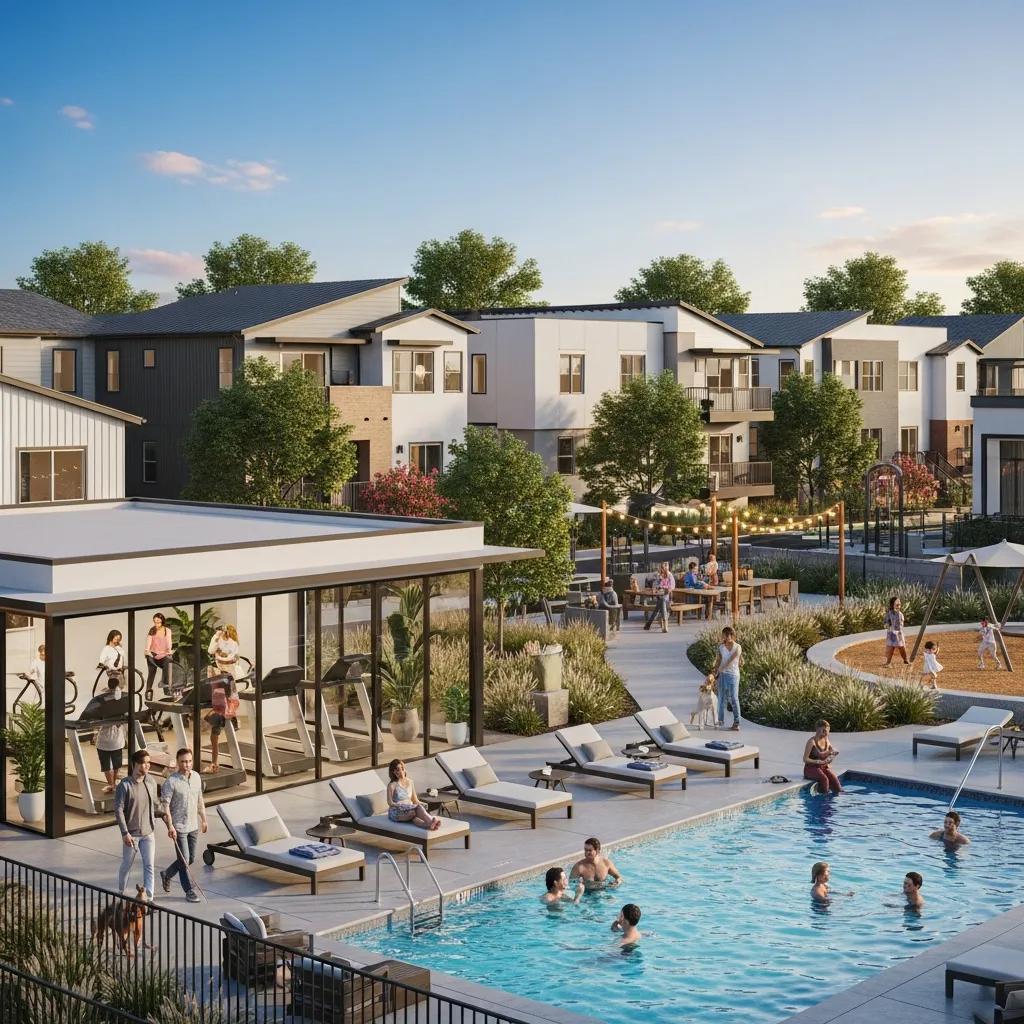
Build-to-Rent communities are purpose-built residential developments intended primarily for renting rather than selling. They typically include shared amenities and professional property management designed to deliver a consistent renter experience. BTR’s expansion reflects demographic shifts, economic pressures, and evolving renter preferences that favor convenience, quality and flexibility.
Definition and Types of Build-to-Rent Communities
BTR projects take several forms—single-family rental neighborhoods, multi-family apartment communities, and mixed‑use developments that combine residential units with retail or office space. Each format targets different renter profiles: single-family rentals offer a neighborhood feel, while multi-family BTR emphasizes amenities and communal living that appeal to urban and suburban renters alike.
Key Drivers Behind the Build-to-Rent Market Growth
Several forces are propelling BTR growth. Rising home prices and higher mortgage costs have put homeownership out of reach for many, increasing demand for quality rentals. Demographic factors—like aging millennials, young professionals, and remote workers—favor flexible housing options. Together, these trends create sustained demand for professionally managed rental communities.
How Does the Build-to-Rent Market Outlook Shape Investment Opportunities?
The BTR outlook is encouraging for investors who understand local demand drivers and timing. Identifying market trends and regional hotspots is essential to positioning capital where occupancy, rents, and long-term value align.
Current Trends and Regional Hotspots in BTR Development
Investors are increasingly targeting suburban and exurban corridors where affordable land, solid job growth, and population inflows support rental demand. Sun Belt metros and other growth regions remain attractive due to expanding employment bases and household formation—key ingredients for steady BTR performance.
Demographic and Economic Factors Influencing BTR Demand
Demographics—especially the maturing millennial cohort—and the rise of flexible work have shifted preferences toward rentals that offer space and amenities. Economic fundamentals such as wage growth, employment stability, and local housing supply constraints all affect a BTR project’s rentability and return profile.
What Financing Solutions Support Build-to-Rent Development?

Capital planning is critical for BTR success. Lenders offer a range of products—each suited to different stages of acquisition, construction, renovation, and stabilization. Understanding the tradeoffs helps investors choose the right tool for timing and risk tolerance.
Hard Money Loans for Build-to-Rent Projects
Hard money loans deliver rapid, asset-backed capital—useful when you need to move quickly on acquisitions or bridge renovation costs. They are short-term by design and focus on collateral value, enabling investors to secure property and begin value-add work without lengthy underwriting delays.
DSCR and Commercial Loans Tailored for BTR Investors
Debt Service Coverage Ratio (DSCR) loans evaluate a property’s ability to cover debt from projected rental income, making them well suited for stabilized BTR assets. Commercial loans provide longer terms and competitive pricing for larger or cash-flowing projects. Together, these options let investors align financing to a project’s life cycle and cash-flow expectations.
The table summarizes common financing routes for BTR projects, highlighting how each product matches investor needs at different stages.
How Can Investors Leverage Fix and Flip Strategies in Build-to-Rent Communities?
Fix-and-flip approaches can add value in BTR markets by converting underperforming or outdated properties into modern rentals. When executed carefully, renovations increase rent potential and shorten vacancy cycles—improving both cash flow and resale options if needed.
Converting Properties for Rental Use with Fix and Flip Financing
Successful conversions start with disciplined sourcing, realistic renovation budgets, and financing that covers acquisition plus rehab. Fix-and-flip loans bridge the gap from purchase through renovation, allowing investors to reposition assets quickly and bring units to market.
Benefits of Flexible Loan Programs for Time-Sensitive BTR Deals
Flexible lending—characterized by streamlined approvals and credit terms tuned to project timelines—lets investors act decisively in competitive markets. Speed and predictability in funding often make the difference between winning a deal and missing an opportunity.
What Are the Benefits of Investing in Build-to-Rent Communities?
BTR investments offer a combination of predictable income and operational scale that appeals to investors focused on long-term cash flow and portfolio diversification.
Stable Rental Income and Community Amenities
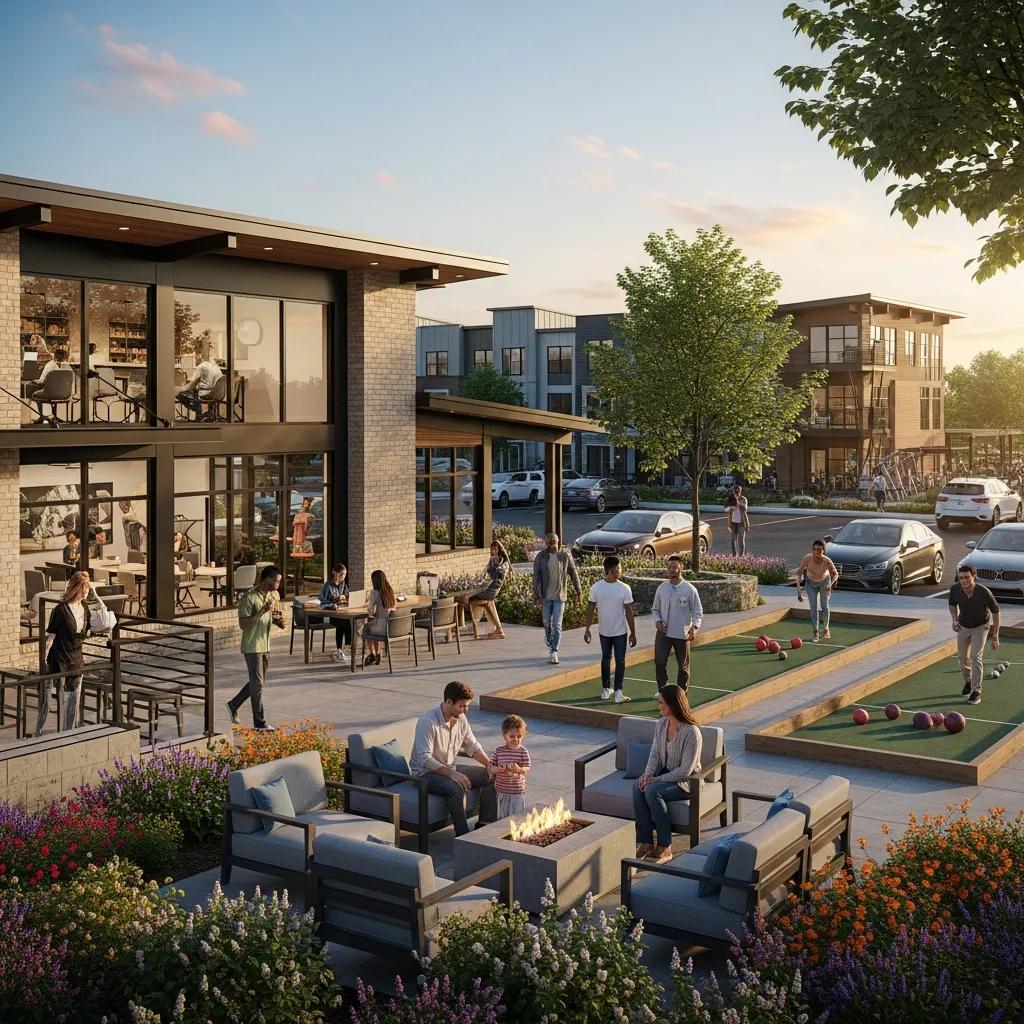
BTR properties typically achieve consistent occupancy thanks to targeted amenities—fitness centers, pools, shared workspaces, and community areas—that attract and retain renters. Professional management and amenity-driven leasing can translate into steadier revenue and lower turnover costs.
Addressing the Housing Affordability Crisis Through BTR
BTR communities provide professionally managed rental options across price tiers, helping broaden housing choices where for-sale inventory is constrained. Well-planned BTR developments can ease local housing pressure while delivering investment returns.
How Does Fidelity Funding Facilitate Build-to-Rent Investment Success?
Fidelity Funding partners with investors to simplify financing for BTR projects. We combine fast decisions, flexible loan structures, and underwriting experience to keep deals moving and align capital to your strategy.
Fast Approval and Funding Processes for BTR Loans
Our streamlined approval workflow reduces friction at critical deal moments, so you can secure capital quickly and avoid missed opportunities. Speed is paired with underwriting discipline to protect returns.
No Prepayment Penalties and Equity-Focused Loan Criteria
Many of our programs include no prepayment penalties and prioritize equity-based underwriting—giving investors flexibility to refinance, sell, or pay down debt as strategy dictates while rewarding strong sponsor equity.
Frequently Asked Questions
What are the typical amenities found in Build-to-Rent communities?
BTR communities commonly offer amenities that enhance daily life and drive leasing: fitness centers, pools, shared lounges, co‑working spaces, pet areas and outdoor recreation. These features foster community, improve tenant retention, and often justify premium rents.
How do Build-to-Rent communities impact local economies?
BTR projects create construction jobs and ongoing roles in property operations, while adding residents who support nearby retail and services. Increased occupancy can boost local tax revenues and spur infrastructure improvements, contributing to broader economic activity.
What are the risks associated with investing in Build-to-Rent communities?
Risks include market downturns that lower demand or rents, regulatory changes, zoning challenges, and rising construction costs. Competition can also compress yields. Thorough market analysis, conservative underwriting, and contingency planning are key to managing these risks.
How does the rental market differ in Build-to-Rent communities compared to traditional rentals?
BTR properties are purpose-built and professionally managed with a focus on amenities and tenant experience, which can increase retention and stabilize cash flow versus scattered traditional rentals. Lease terms and unit finishes are often more standardized, making operations more predictable.
What role does technology play in the management of Build-to-Rent communities?
Technology streamlines operations and enhances resident convenience: property management platforms for rent collection and maintenance, smart-home features for energy efficiency and security, and analytics that inform pricing and amenity investments. Tech adoption improves margins and resident satisfaction.
Are Build-to-Rent communities suitable for all types of investors?
BTR is well suited to investors seeking steady, long-term income and operational scale. It may be less appealing to investors focused on short-term, high-risk flips. Align your capital horizon, risk tolerance, and operational appetite before committing to BTR strategies.
Conclusion
Build-to-Rent communities offer a durable avenue for rental income and a practical response to constrained for-sale housing markets. With appropriate financing—whether hard money for agility or DSCR and commercial loans for cash-flowed assets—investors can capture these opportunities. Fidelity Funding delivers experienced underwriting, fast execution, and flexible terms to help you move from deal sourcing to stabilized returns. Contact us to learn how we can support your next BTR investment.