


Post-Purchase Property Checklist for Investors: Essential Steps After Buying Investment Property
Buying an investment property is a major win — but the work starts at closing. This guide lays out a clear, prioritized checklist so you can protect your asset, prepare it for tenants, and set up systems that reduce headaches later. Follow these steps to secure the property, organize important records, handle immediate repairs, and tackle ongoing management, legal, and financial responsibilities. Whether you’re scaling a portfolio or managing your first rental, this checklist helps you avoid common mistakes and move quickly from purchase to productive income.
What are the first tasks investors should complete after closing?
Right after closing, focus on tasks that protect the asset and create an operating foundation. Key priorities are securing the property, gathering and organizing paperwork, and completing a thorough inspection to surface any urgent repairs.
How to secure and inspect your new rental property
Protect the investment immediately: rekey or replace locks, verify all windows and exterior doors close and lock properly, and consider a monitored alarm or smart-entry system. Next, perform a methodical inspection to identify safety hazards and immediate maintenance needs — check for leaks, test electrical systems, and look for structural issues. A careful inspection helps you plan repairs and budget for tenant-readiness upgrades.
Why is document organization critical after property acquisition?
Keeping documents organized saves time and reduces risk. Assemble the purchase agreement, inspection reports, receipts, appliance warranties, and any service contracts in a single, accessible system — digital and/or physical. A consistent filing approach speeds communication with contractors, property managers, and accountants when issues arise.
How to prepare your investment property for tenants?
Tenant readiness is about safety, functionality, and curb appeal. Address repairs, verify safety systems, and make sure essential services are set up so tenants can move in without disruption.
What are the key maintenance and repairs to address post-purchase?
Start with safety items: confirm smoke and CO detectors work, secure railings, and correct any obvious hazards. Next, handle common fixes such as leaky faucets, patched walls, and HVAC servicing. Prioritize repairs that affect habitability and tenant comfort to reduce the chance of complaints and turnover.
How to set up utilities and essential services for rental readiness?
Establish accounts for electricity, water, gas, and internet before move-in. Confirm start dates and final meter reads where applicable. Provide tenants a concise list of utility providers and emergency contacts — it eases onboarding and reflects well on your management approach.
What are the best practices for post-acquisition property management?
Good management preserves value and minimizes vacancy. Decide whether to self-manage or hire a professional, and put systems in place to track maintenance, rent, and tenant communication.
How to choose a property manager or manage yourself as a first-time landlord

Choose based on time, expertise, and scale. A qualified property manager handles tenant screening, rent collection, and maintenance coordination — useful if you’re remote or busy. Self-management works if you have local presence and time to respond to issues. In either case, learn local landlord-tenant rules and establish clear tenant communication processes.
What systems should investors implement for efficient property oversight?
Use property-management software to centralize rent tracking, maintenance requests, and tenant records. Standardize workflows for vetting applicants, handling repairs, and performing periodic inspections. Consistent systems reduce errors and preserve your time.
How to handle legal and financial responsibilities after buying investment property?
Protect the asset with appropriate insurance and stay on top of accounting and tax obligations to preserve cash flow and limit liability.
What are the essential insurance policies for new rental properties?
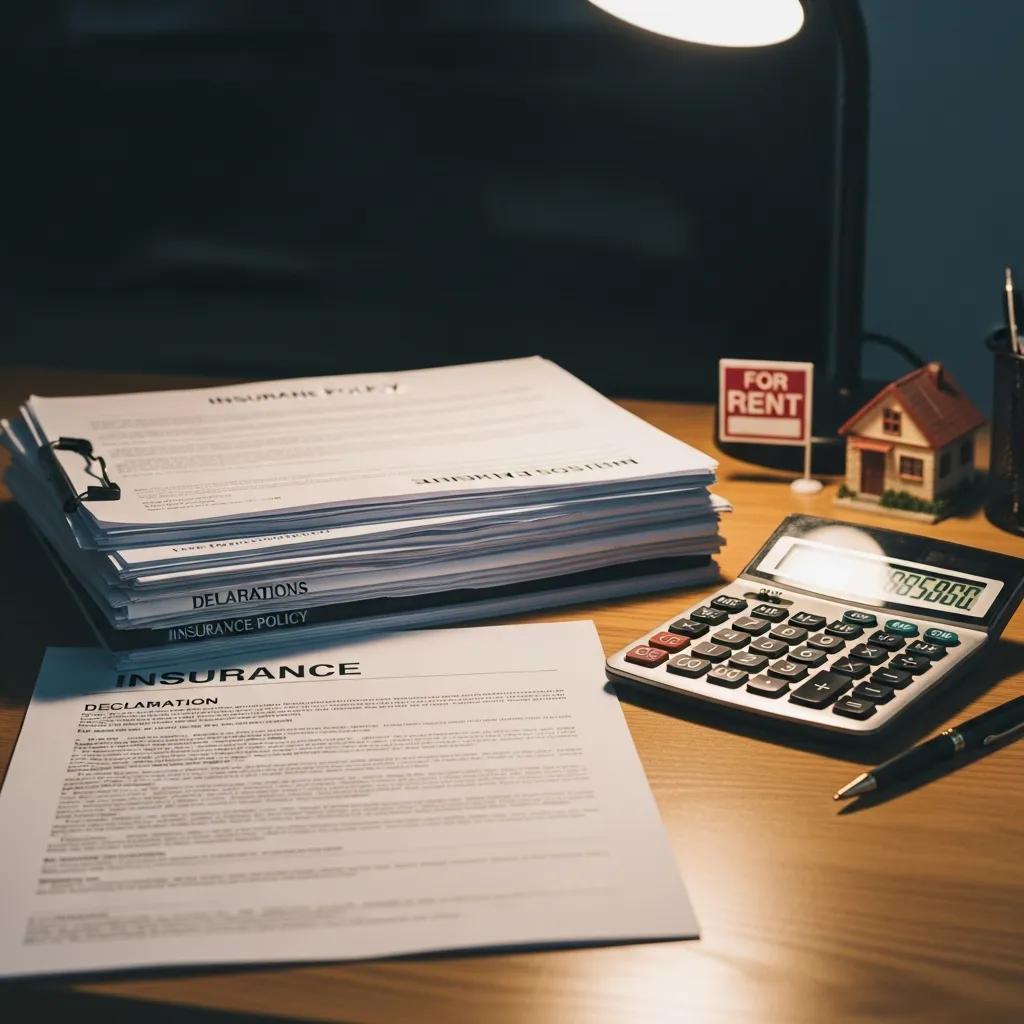
Begin with landlord insurance to cover property damage, liability, and loss of rental income. Evaluate an umbrella policy for added liability protection, especially if you own multiple units or high-value properties. Review policy limits and exclusions with your agent to avoid gaps.
How to manage taxes and accounting for investment properties?
Track every income and expense related to the property — repairs, utilities, management fees, and capital improvements. Use accounting software geared to rental properties and retain receipts for deductions like depreciation and repairs. Meet with a tax professional to ensure you’re maximizing benefits and complying with reporting requirements.
What should first-time landlords know to succeed?
Begin with solid screening, clear leases, and consistent expectations. Proactive communication and routine maintenance cut down on disputes and turnover.
How to screen tenants effectively and legally
Adopt a standardized screening process: verify identity, employment, income, rental history, and run credit and background checks where permitted. Apply screening criteria uniformly to comply with fair housing rules. A reliable screening process reduces risk and encourages on-time rent and property care.
What are the common challenges and how to avoid them?
Frequent issues include late rent, property damage, and tenant disputes. Prevent problems by using a clear lease that spells out responsibilities, enforcing consistent policies, and scheduling regular inspections. Promptly address maintenance requests to maintain goodwill and protect your asset.
This table highlights the first priorities after purchase. Focusing on these items helps you secure the asset and accelerate rental readiness.
These policies form the baseline of financial protection for rental properties. Review coverage as your portfolio grows.
In short, a disciplined post-purchase plan protects your investment and speeds up income generation. Secure the property, confirm tenant readiness, and set up management, insurance, and accounting practices that scale with your goals. Whether this is your first rental or one of many, these steps give you a practical path to steady, well-managed returns.
Frequently Asked Questions
What should I do if I discover issues during the property inspection?
Prioritize safety-related repairs first — electrical hazards, major water leaks, or structural concerns. Document everything with photos and reports, and get professional quotes for repairs. If the purchase is not finalized, negotiate with the seller for repairs or credits; if it’s post-closing, schedule repairs promptly and keep records for future claims or tax purposes.
How can I effectively market my rental property to attract tenants?
Use sharp photos, a clear description of features and nearby amenities, and list on multiple rental platforms. Highlight move-in readiness and any utilities or services included. Consider short open houses and offer competitive incentives (for example, a flexible move-in date or a limited rent concession) to reduce vacancy time.
What are the best practices for setting rental prices?
Research comparable rentals in the neighborhood, account for size and amenities, and factor in your carrying costs. Set a price that balances market demand and profitability, then monitor vacancy and adjust as needed. Periodic market checks will keep your pricing competitive.
How can I ensure compliance with local landlord-tenant laws?
Learn local regulations on security deposits, notice periods, required disclosures, and eviction processes. Attend local landlord trainings or consult an attorney for clarifications. Staying informed and documenting communications with tenants reduces legal risk.
What should I include in a lease agreement?
Include rent amount and due date, lease term, security deposit terms, maintenance responsibilities, rules around pets and smoking, and procedures for late payments and lease termination. Be explicit about tenant and landlord obligations to prevent disputes, and make sure both parties receive signed copies.
How can I handle tenant disputes effectively?
Listen to the tenant’s concerns, document the issue, and refer to the lease terms. Seek a reasonable, documented resolution and communicate decisions in writing. If disputes can’t be resolved directly, consider mediation before escalating to legal action.
Conclusion
A structured post-purchase checklist is one of the best ways to protect your investment and reduce stress as you onboard tenants. Secure the property, complete necessary repairs, set up utilities and insurance, and establish management and accounting practices that keep operations smooth. With these steps in place, you’ll be better positioned to preserve value and generate reliable rental income. Explore our resources and tools to streamline your next steps.