


Real Estate Due Diligence Checklist for Investors — A Practical Guide to Smarter Property Investment
Real estate can deliver strong returns, but it also carries risks that demand careful review. Due diligence is the step that separates confident investments from costly surprises. This guide breaks down a clear, practical checklist so you can inspect properties, review finances and legal details, and read market signals with confidence. Along the way, we’ll show how Fidelity Funding can help with clear loan options and timely funding to keep your deals moving.
What Is Real Estate Due Diligence and Why Is It Essential for Investors?
Due diligence is the systematic review of a property before you close. It uncovers risks, validates assumptions, and confirms a property aligns with your investment goals. Skipping these checks can lead to unexpected repair bills, legal complications, or investments that don’t perform as expected. Proper due diligence reduces those risks and helps you make informed choices.
How Does Due Diligence Protect Your Investment Decisions?
Think of due diligence as a risk filter. It evaluates a property’s condition, financial track record, and legal standing so you can spot issues early. With clear findings, you can negotiate price or terms, plan repairs into your budget, or walk away from deals that don’t meet your criteria — all steps that protect your capital and improve the chances of a successful investment.
What Are the Key Components of a Due Diligence Checklist?
- Physical Inspection: On-site review of structure, systems, and visible damage to determine repair needs.
- Financial Analysis: Examination of rent rolls, expense history, and cash-flow projections to assess profitability.
- Legal Review: Title checks, zoning and permit verification, and a search for liens or encumbrances.
When combined, these steps give you a complete picture of a property’s risks and opportunities so you can act with clarity.
How to Conduct a Thorough Property Inspection Checklist for Investors
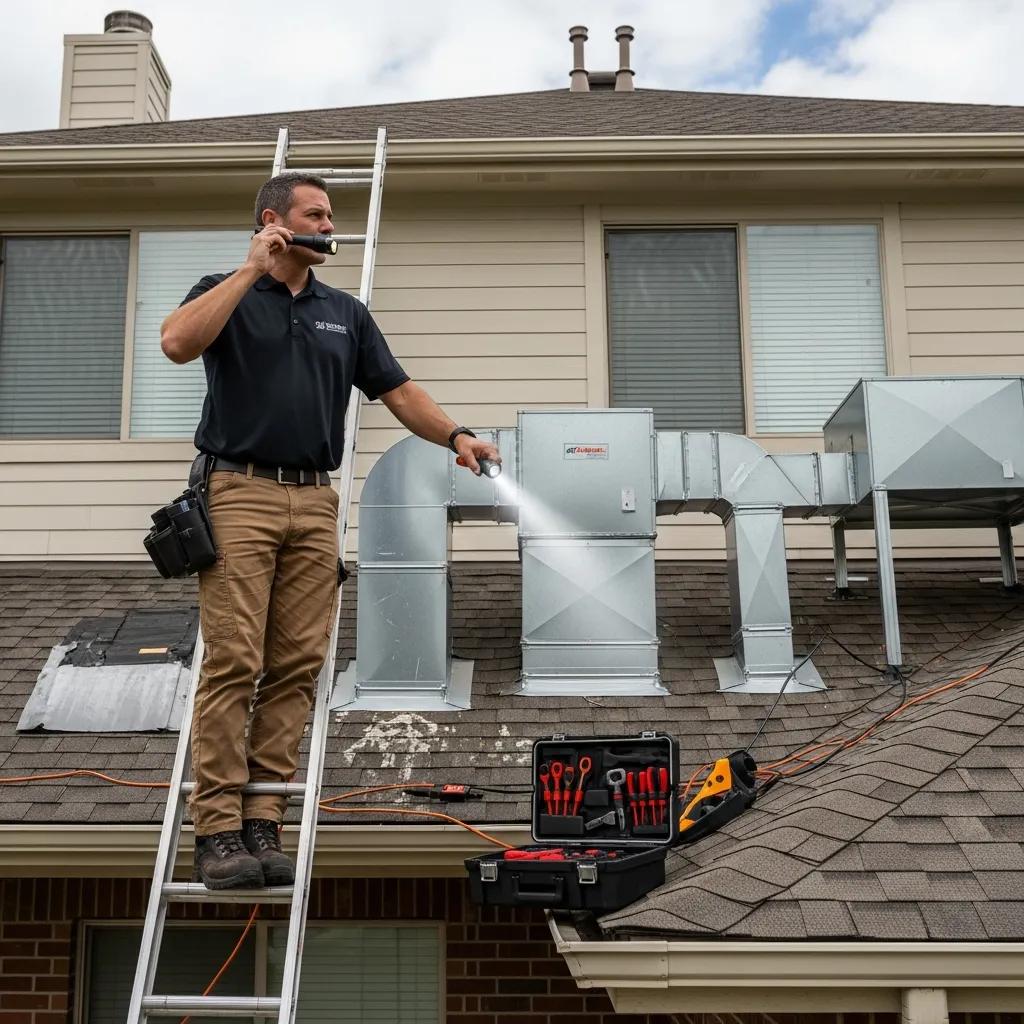
A methodical inspection is one of the most important parts of due diligence. Use this checklist to identify issues that affect safety, value, and your renovation budget.
What Structural and Systems Aspects Should You Evaluate?
- Roof Condition: Look for leaks, damaged or missing shingles, and signs of long-term wear.
- HVAC Systems: Confirm heating and cooling equipment is working and note age and maintenance history.
- Plumbing and Electrical Systems: Check for leaks, outdated wiring, and code compliance that could require upgrades.
Capturing these details helps you estimate repairs and adjust your offer or reserve funds accordingly.
How to Identify Pest, Mold, and Environmental Issues During Inspection?
- Signs of Pest Infestations: Search for droppings, nests, chewed wood, or other evidence of pests.
- Mold Detection: Inspect for discoloration, musty odors, or damp spots in basements, bathrooms, and crawlspaces.
- Environmental Hazards: Note potential issues like lead paint, asbestos, or other contaminants that require specialist testing.
Early identification of these problems prevents surprises and informs remediation costs and timelines.
What Does Financial Due Diligence in Real Estate Involve?

Financial due diligence measures whether a property will meet your return targets. It focuses on income reliability, expense accuracy, and realistic future performance.
How to Analyze Rent Rolls, Operating Expenses, and Cash Flow Projections?
- Reviewing Rent Rolls: Verify current rents, lease terms, and tenant payment history to confirm income stability.
- Evaluating Operating Expenses: Reconcile management, maintenance, insurance, and utility costs to spot overruns.
- Assessing Cash Flow Projections: Build conservative forecasts that factor in vacancy, maintenance reserves, and capex.
Solid financial analysis tells you whether a deal supports your yield expectations and where assumptions need stress-testing.
Why Are Property Taxes, Utilities, and Vacancy Rates Critical to Review?
- Property Taxes: Taxes can meaningfully affect net returns — verify current assessments and any upcoming changes.
- Utilities: Confirm who pays utilities and review historical usage to estimate operating costs.
- Vacancy Rates: High or rising vacancies signal demand issues and should be reflected in your underwriting.
Factoring these items into your model gives you a realistic view of ongoing cash flow and risk.
How to Perform Legal Due Diligence on Investment Properties
Legal due diligence ensures your ownership and intended uses are secure by checking permits, title, zoning, and contract language.
What Should You Verify in Title Searches, Zoning, and Permits?
- Title Searches: Confirm the title is clean of liens, judgments, or unresolved easements.
- Zoning Compliance: Make sure the property’s current and intended uses comply with local zoning rules.
- Permit Verification: Check that prior renovations were permitted and that necessary certificates are on file.
These steps reduce the chance of future legal or use restrictions that could impact value.
How to Review Lease Agreements, Liens, and Environmental Assessments?
- Key Lease Agreement Terms: Look at rent escalation clauses, tenant repair obligations, and termination rights.
- Identifying Liens: Search for mortgages, tax liens, or contractor claims that could affect transfer of title.
- Environmental Assessments: Use phase I/II reports where appropriate to identify contamination risk and remediation costs.
Thorough legal checks protect you from liabilities that can surface after closing.
How to Analyze Market Trends and Conduct Commercial Property Due Diligence
Market analysis tells you whether a property’s location and price fit broader demand and economic trends that drive returns.
What Local Market Indicators and Comparable Property Values Matter?
- Local Market Trends: Track changes in property values, rent growth, and absorption rates in the submarket.
- Comparable Property Analysis: Compare sales and lease comps to validate the property’s asking price and rent potential.
- Investment Timing: Consider whether market conditions favor acquisition, hold, or wait strategies.
Market context helps you price risk and opportunity into your offer and business plan.
How Do Demographics and Economic Factors Influence Investment Risk?
- Population Growth: Rising populations usually support rent demand and value appreciation.
- Economic Stability: A diverse, stable local economy supports occupancy and rent resilience.
- Job Market Trends: Strong employment growth in key sectors drives housing and commercial demand.
Understanding these drivers clarifies long-term prospects for occupancy and rent growth.
How to Assess and Mitigate Real Estate Investment Risks Effectively
Risk assessment converts unknowns into manageable variables. Document each risk and assign mitigation tactics before you commit capital.
What Environmental and Insurance Considerations Should Investors Know?
- Environmental Hazards: Identify flood zones, contamination, or other site risks that may require remediation or special coverage.
- Insurance Types: Confirm property, liability, and specialty policies are available and priced for the asset class and location.
- Risk Management: Plan mitigations such as escrowed reserves, vendor warranties, or contingent pricing to limit downside.
Addressing these items up front reduces post-close surprises and safeguards returns.
How to Develop Exit Strategies Based on Due Diligence Findings?
- Selling the Property: Prepare an exit price range and a target market window if resale becomes necessary.
- Refinancing: Identify refinance triggers and lender requirements that could improve cash flow or unlock equity.
- Holding for Appreciation: Determine if long-term appreciation aligns with your return and liquidity goals.
Having clear exit options tied to due diligence findings keeps your investment plan flexible and realistic.
This table summarizes the core components of a due diligence checklist and why each is essential to evaluating a property.
This table highlights common risk categories and practical mitigation steps — the kind of planning that protects capital and preserves upside.
In short, disciplined due diligence is the foundation of successful real estate investing. Follow this checklist to reduce risk, sharpen your negotiations, and make investment decisions with confidence. Fidelity Funding is ready to support your strategy with clear loan guidance and timely funding when opportunities arise.
Frequently Asked Questions
What are the common mistakes investors make during due diligence?
Investors often rush inspections, rely on incomplete financials, or skip legal checks. Other common errors include underestimating capex and ignoring local market trends. Taking a structured, methodical approach prevents these costly oversights.
How long does the due diligence process typically take?
Timelines vary by property complexity. A straightforward transaction may take a few days to a couple of weeks, while larger or problem-prone assets can require several weeks. Plan for inspections, document collection, and any specialty reports when setting your schedule.
Can due diligence be conducted after purchasing a property?
Some checks can occur post-close, but that increases your exposure to unknown liabilities. Whenever possible, complete due diligence before purchase so you can negotiate repairs, price adjustments, or walk away if needed.
What role does a real estate agent play in the due diligence process?
An experienced agent helps gather documents, suggest trusted inspectors and attorneys, and provide market context. They can streamline the process and flag issues that impact value or operability.
How can technology assist in the due diligence process?
Technology speeds data collection, centralizes documents, and improves analysis accuracy. Tools for rent-roll validation, financial modeling, and property records access can save time and reduce human error.
What should investors do if they discover issues during due diligence?
First, assess materiality: quantify repair costs, legal exposure, and timeline impact. Then negotiate with the seller for repairs, price reduction, or credits; order further testing if needed; or walk away when risks exceed your tolerance.
Conclusion
Thorough due diligence is the best way to protect capital and make clear, confident investment decisions. Use this checklist to evaluate property condition, financial health, and legal standing. When you’re ready to move, Fidelity Funding can help with straightforward loan guidance and prompt funding to keep your transactions on track. Explore our services today.