

Fast Hard‑Money Loans for Natural‑Disaster Property Protection and Recovery
Natural disasters strike without warning, and property owners and investors often need funds quickly to secure, repair, or restore damaged real estate. This guide explains how fast hard‑money loans can protect property values and speed recovery. You’ll learn how disasters affect values, why traditional lending can be too slow, and how hard‑money programs can fill the gap. We also outline the programs we offer at Fidelity Funding, our approval approach, and the types of properties that typically qualify—so you can make clear, confident decisions when time matters most.
Why Are Fast Loans Critical for Natural Disaster Property Protection?
After a disaster, timing matters. Quick access to capital lets owners stop further damage, complete repairs, and stabilize value—actions that can prevent deeper losses. Traditional loans can take weeks or months; hard‑money loans are secured by the property and built to move faster so repairs and recovery can start right away.
How Do Natural Disasters Impact Property Owners and Investors?
Disasters can cause serious financial setbacks: structural damage, expensive repairs, and an immediate drop in market value. Studies show affected properties may lose roughly 10%–30% of their value right after an event, depending on severity and location. For investors who can act quickly, those same conditions can create opportunities to acquire and rehabilitate distressed assets at lower prices.
Why Traditional Loans Often Fail in Post-Disaster Scenarios
Banks and conventional lenders rely on strict credit, income documentation, and lengthy appraisals—requirements that frequently break down after a disaster. When approvals stall, properties sit unrepaired and damage compounds. Hard‑money lenders prioritize the collateral and the repair plan, enabling faster decisions when traditional underwriting is impractical.
What Hard Money Loan Programs Support Disaster Property Repair and Investment?
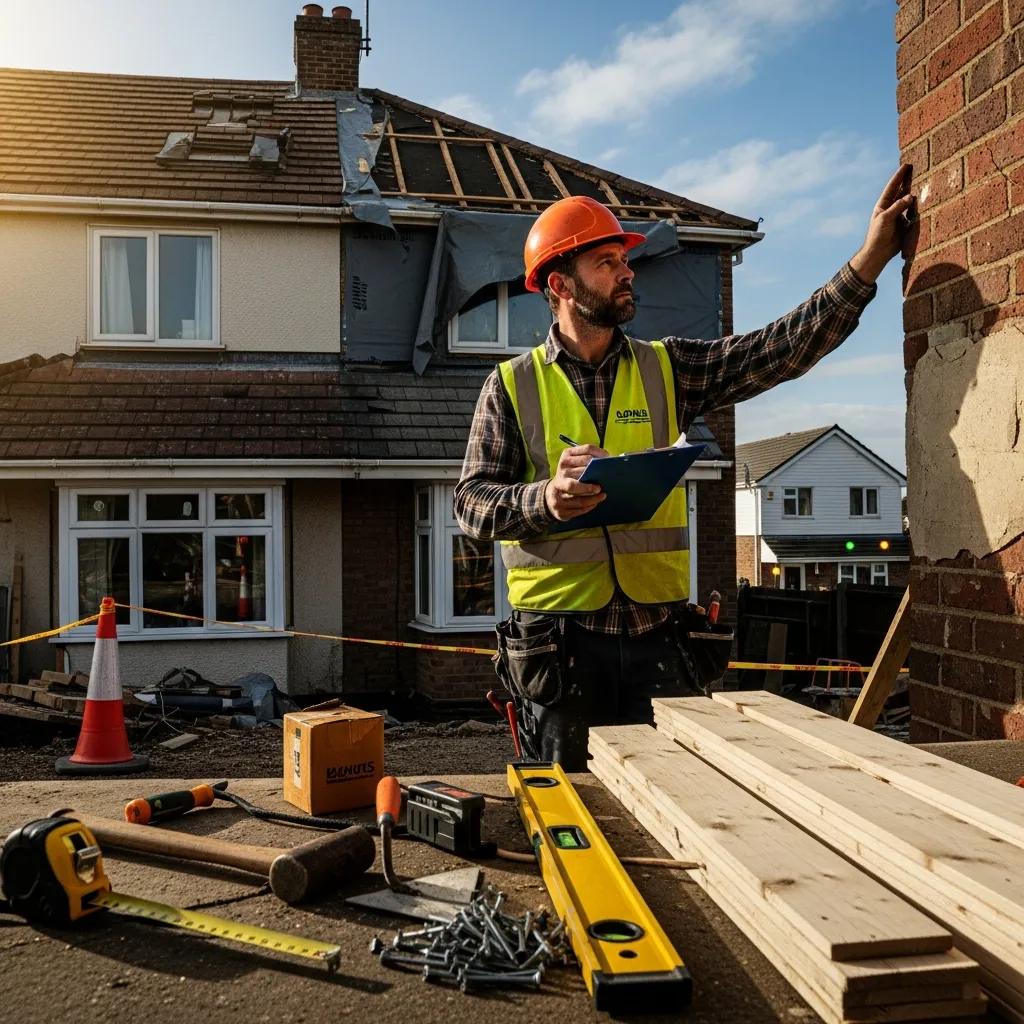
Hard‑money loans are a practical option for owners and investors working through disaster recovery. Secured by the property, these loans streamline approval and funding compared with conventional financing. Below are common programs we use to get projects moving fast.
How Do Fix and Flip Loans Facilitate Post-Disaster Property Rehabilitation?
Fix‑and‑flip loans give investors quick capital to buy damaged properties and start repairs immediately. With a clear budget and timeline, investors can rehab, relist, or refinance and often achieve strong returns—while also returning properties to productive use in damaged neighborhoods.
What Are Foreclosure Bailout Loans and How Do They Protect Disaster-Affected Properties?
Foreclosure bailout loans provide short‑term cash to homeowners facing default because of disaster impacts. These loans can cover missed payments or fund repairs that make a property marketable again, helping owners keep their homes and communities stabilize. Many properties helped this way are restored to their prior value once repairs are complete.
How Does Fidelity Funding Ensure Fast Approvals and Funding for Disaster Recovery Loans?
Fidelity Funding focuses on speed and clarity. We streamline applications, evaluate the property and repair plan, and move to decisions quickly so funds reach borrowers when they’re most needed. Our goal is to remove red tape and deliver practical financing on an accelerated timeline.
What Are the Simple Requirements for Hard Money Loans After a Disaster?
Post‑disaster hard‑money approvals emphasize the property and the plan. Borrowers typically provide limited documentation focused on ownership, property condition, and repair scope. That simplicity shortens processing times and gets funds into hands faster.
How Do Loan-to-Value Ratios and Timelines Affect Disaster Loan Funding?
Loan‑to‑value (LTV) determines how much you can borrow against a property. Higher LTVs can unlock larger loans for extensive repairs. Timelines for approval and funding vary by loan type, but hard‑money lenders are structured to shorten both—helping you begin repairs or foreclosure prevention without long delays.
Who Benefits from Hard Money Loans for Natural Disaster Property Protection?
Hard‑money loans serve a range of borrowers: homeowners needing emergency repairs, investors buying distressed assets, and owners seeking to avoid foreclosure. The flexibility and speed of these loans make them a practical solution when traditional financing isn’t available or fast enough.
What Property Types Are Eligible for Disaster Recovery Financing?
Eligible properties commonly include single‑family homes, multi‑family buildings, and commercial real estate. Each property is evaluated on its own merits, but damaged properties with clear repair plans and recoverable value are typically good candidates for hard‑money financing.
How Do Real Estate Investors Leverage Hard Money Loans Post-Disaster?
Investors use hard‑money loans to acquire distressed properties quickly, pay for repairs, and then sell or refinance. Acting fast lets investors purchase at reduced prices, complete targeted renovations, and either capture resale gains or place the asset on stable long‑term footing—helping revive neighborhoods in the process.
What Are the Steps to Secure Emergency Property Repair Financing After a Disaster?
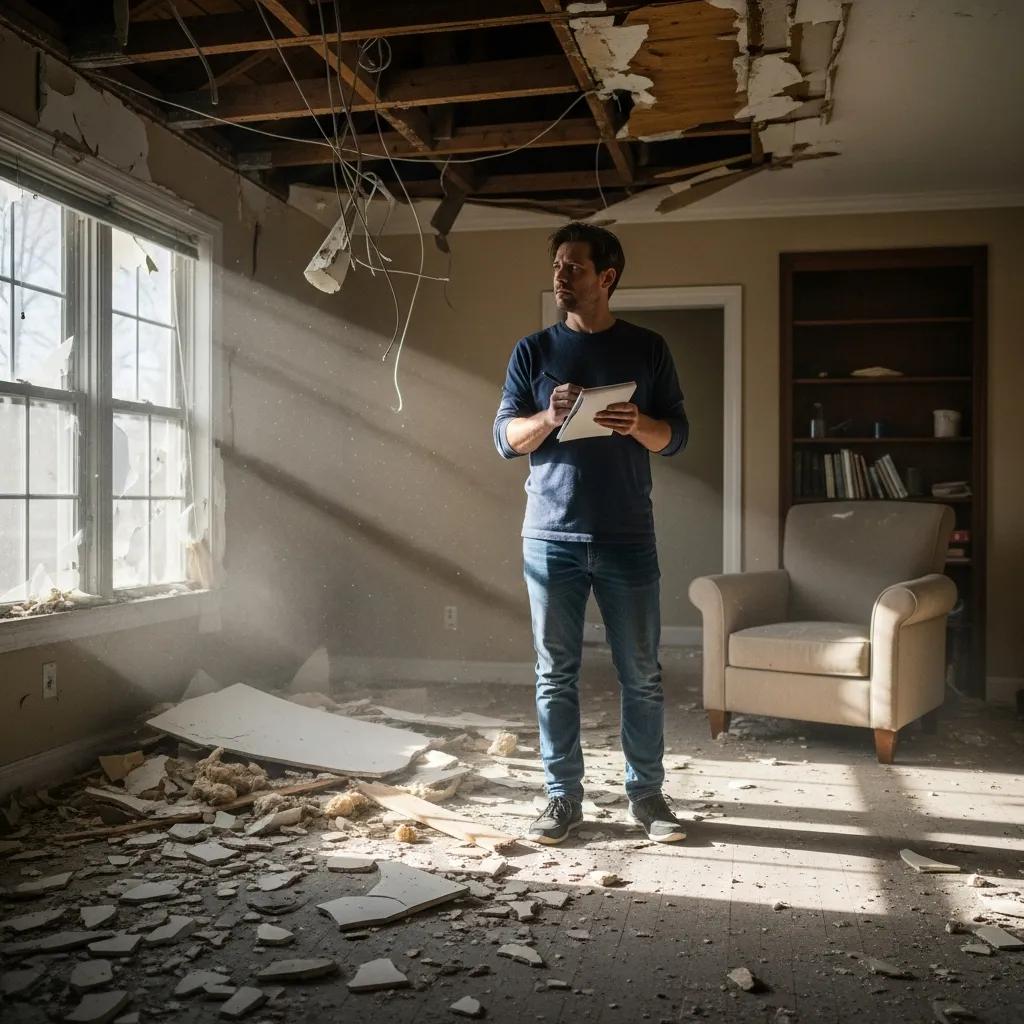
Getting emergency repair financing typically follows a short, clear sequence to keep recovery moving.
- Assess Damage: Determine the scope of repairs and immediate safety needs.
- Gather Documentation: Collect proof of ownership, insurance information, and contractor estimates.
- Contact Lenders: Speak with hard‑money lenders like Fidelity Funding to review options and timelines.
Which Documents Are Required for Fast Disaster Property Loan Approval?
To speed approval, have these documents ready:
- Proof of property ownership
- Recent property appraisal
- Documentation of damage and contractor repair estimates
How Can Property Owners and Investors Contact Fidelity Funding for Disaster Loans?
If you need fast disaster recovery financing, contact Fidelity Funding to discuss your situation and start the application. Our team provides straightforward guidance and works to move your loan from application to funding as quickly as the project requires.
Frequently Asked Questions
What is the typical interest rate for hard money loans used for disaster recovery?
Rates vary by lender and loan structure, but hard‑money interest rates are commonly in the 8%–15% range. The higher rate reflects the short‑term nature and increased lender risk, while the tradeoff is much faster access to capital than conventional financing.
How quickly can I expect funding from a hard money loan after applying?
Speed is a core advantage: once your application and required documentation are complete, funding often occurs within a few days to a week. That quick turnaround is critical for urgent repairs, stabilization work, or preventing foreclosure after a disaster.
Are there any risks associated with hard money loans for disaster recovery?
Yes. Hard‑money loans carry higher interest and shorter terms than traditional mortgages, which can increase repayment pressure. If a property doesn’t increase in value as expected, or if you can’t refinance or sell in time, the financial burden can be heavy. It’s important to have a clear exit plan before borrowing.
Can I use hard money loans for properties that are not my primary residence?
Yes. Hard‑money loans are commonly used for investment properties, commercial buildings, and vacation homes. Lenders focus on property equity and the intended use of funds rather than whether it’s your primary residence.
What should I do if my hard money loan application is denied?
If denied, ask for the reasons—common issues include insufficient equity or incomplete paperwork. You can address these concerns by providing additional documentation, reducing the requested loan amount, improving the repair plan, or exploring other lenders with different criteria. A financial advisor can also help map alternative solutions.
How do I determine the right amount to borrow for disaster repairs?
Start with contractor estimates and a realistic budget for repairs and contingencies. Factor in other obligations and your exit strategy—whether that’s a sale, refinance, or rental—so you borrow only what’s necessary to complete the work and meet repayment goals.
Conclusion
When every day counts, fast hard‑money loans can make the difference between stabilizing a property and suffering bigger losses. They offer quick funding and a lighter documentation load than traditional loans, helping owners and investors get repairs started and protect value. If you’re dealing with disaster damage, reach out to Fidelity Funding to review your options and get the recovery process moving.