
Smart Home Technology: How Smart Upgrades Raise Property Value for Real Estate Investors
Smart home technology is reshaping the real estate market by increasing both a property’s appeal and its resale value. This guide explains how integrating smart devices can meaningfully boost a home’s market worth and attract buyers or renters. For investors focused on maximizing returns, knowing which smart upgrades work — and how to finance them — is essential. We’ll examine how smart systems influence value and sale speed, highlight top upgrades for resale, and review financing options and ROI expectations for home automation.
How Does Smart Home Technology Increase Property Value?
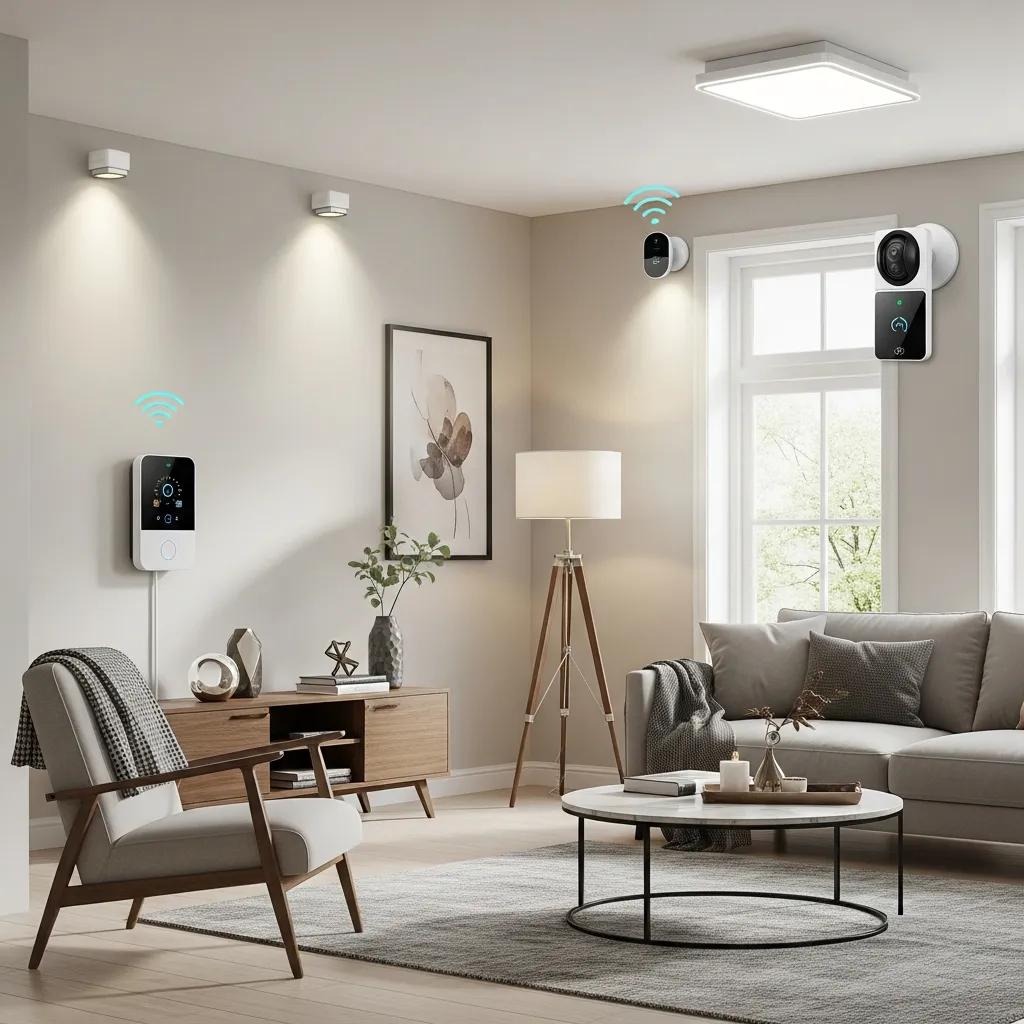
Smart home technology drives value through improved convenience, stronger security, and better energy efficiency — the three factors modern buyers care about most. Properties with well-chosen smart features often command higher prices and sell faster than comparable homes without them. Research shows homes with smart technology can see a value increase of roughly 3% to 5%, depending on the systems installed, reflecting growing demand for connected, efficient living.
What Are the Key Benefits of Smart Home Upgrades for Investors?
Investors who add smart features can realize several practical benefits:
- Increased Buyer Appeal: Smart-equipped homes attract tech-minded buyers seeking modern convenience and ease of living.
- Potential for Higher Rental Income: Well-appointed smart properties can command premium rents thanks to added comfort and convenience.
- Energy Savings: Devices like smart thermostats and lighting reduce utility costs, improving net operating income and tenant satisfaction.
These outcomes make smart home upgrades a strategic, portfolio-friendly move for real estate investors.
Which Smart Devices Contribute Most to Property Value?
Certain devices tend to deliver the biggest market impact:
- Smart Thermostats: Improve HVAC efficiency and comfort, delivering measurable energy savings.
- Smart Security Systems: Provide cameras, alarms, and remote monitoring that increase buyer confidence and perceived safety.
- Smart Lighting: Automated lighting systems boost energy efficiency and staging, enhancing visual appeal.
Targeting these technologies can make a property more marketable and raise its perceived value.
What Are the Top Smart Home Upgrades to Maximize Resale Value?
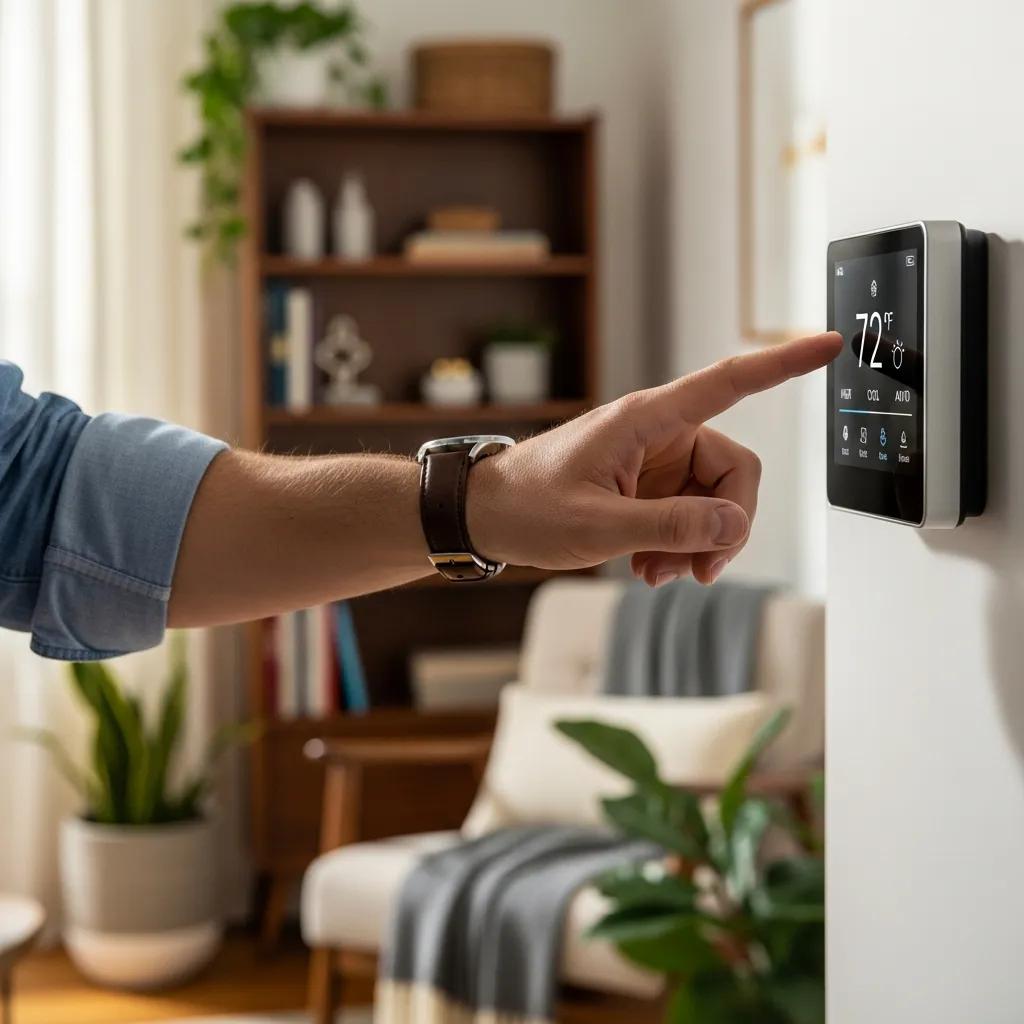
To maximize resale value, consider prioritizing the following smart upgrades:
- Smart Thermostats: Save energy and offer remote control and scheduling that buyers expect.
- Smart Security Systems: Integrated cameras, alarms, and remote monitoring add safety and market appeal.
- Smart Lighting: Automated lighting enhances ambiance, reduces energy use, and helps homes show better.
How Do Smart Thermostats Enhance Energy Efficiency and Savings?
Smart thermostats learn household patterns and adjust heating and cooling to cut waste. Studies indicate they can reduce energy consumption by about 10% to 12%, lowering utility bills and appealing to buyers focused on sustainability and operating costs.
How Do Smart Security Systems Improve Home Safety and Appeal?
Smart security systems offer real-time monitoring, instant alerts, and remote access — features that increase a home’s sense of safety. Integration with other smart devices and the possibility of lower insurance premiums make these systems especially attractive to prospective buyers.
How Can Hard Money Loans Finance Smart Home Renovations?

Hard money loans are a practical financing option for investors adding smart home technology. Secured by the property, these loans typically provide faster access to capital and more flexible underwriting than traditional mortgage products, allowing investors to move quickly on value-adding renovations.
What Are the Advantages of Fidelity Funding’s Fast Loan Programs?
Fidelity Funding delivers several benefits for investors seeking timely financing:
- Speed of Approval: Loans can be approved in as little as five to seven business days, helping you start renovations sooner.
- Flexible Terms: Loan options tailored to investor timelines and project needs reduce financing friction.
- No Prepayment Penalties: Pay off loans early without penalty, giving you flexibility when deals close faster than expected.
Those features make Fidelity Funding a practical partner for financing smart home upgrades on investment properties.
How Do Fix and Flip Loans Support Smart Tech Integration?
Fix-and-flip loans cover acquisition and renovation costs, including smart technology installations. By financing upgrades that raise marketability and sale price, these loans help investors capture the value uplift before listing a property, often delivering returns that justify the initial investment.
What Is the ROI of Smart Home Automation for Real Estate Investors?
The ROI for smart home automation can be meaningful. Properties with thoughtful smart upgrades typically attract more buyer interest and can command higher sale prices. Investors often see an ROI in the range of 10% to 20% on smart upgrades, depending on the features installed and local market conditions.
How Do Smart Upgrades Affect Rental Income and Tenant Attraction?
Smart upgrades can increase rental income by drawing tenants willing to pay a premium for convenience and security. These features also improve tenant retention by enhancing comfort and reducing day-to-day friction.
What Long-Term Savings Result from Energy Efficient Smart Homes?
Energy-efficient smart homes generate ongoing savings through lower utility bills and optimized system performance. Those savings improve net operating returns and make properties more attractive to cost-conscious buyers and renters.
How Does Smart Home Technology Influence Appraisal and Sale Speed?
Smart home features can positively affect appraisals and reduce time on market. Appraisers may account for installed technology when determining value, and buyers often move faster on listings that offer modern, energy-saving, and secure systems.
Do Smart Homes Sell Faster and at Higher Prices?
Research shows smart homes commonly sell faster and for approximately 3% to 5% more than comparable non-smart homes. As buyer demand for connected features grows, this pricing premium persists in many markets.
How Does Buyer Demand for Smart Features Impact Market Value?
Rising buyer preference for technology and efficiency increases demand for smart-equipped properties. Investors who integrate relevant upgrades keep their assets competitive and better positioned to capture market premiums.
How to Partner with Fidelity Funding for Smart Home Investment Financing?
Partnering with Fidelity Funding gives investors access to fast, investor-focused financing that supports smart home upgrades. Our programs are designed to help you implement value-enhancing renovations quickly and efficiently.
What Is the Application Process for Hard Money Loans?
The application process with Fidelity Funding is straightforward:
- Submit an Application: Provide basic details about the property and the loan amount you need.
- Property Evaluation: We evaluate the property’s current value and its potential after upgrades.
- Receive Approval: Once approved, funds are made available so renovations can begin promptly.
This streamlined workflow helps investors act quickly on opportunities to increase property value.
How Does Fidelity Funding Support Time-Sensitive Smart Renovations?
We know timing matters on renovation projects. Fidelity Funding offers quick approvals and flexible loan terms so investors can complete smart upgrades on schedule and bring properties to market without avoidable delays.
This table highlights how key smart devices contribute to property value, making them strategic investments for real estate portfolios.
Smart home technology not only raises property value but also aligns with market demand for efficient, modern living. With a clear view of benefits and financing options, investors can make informed choices that strengthen their portfolios and meet buyer expectations.
Frequently Asked Questions
What are the most common smart home features that buyers look for?
Buyers commonly seek features that improve convenience, safety, and energy use. The most requested technologies include smart thermostats, security systems with cameras and remote monitoring, smart lighting, and integrated home automation platforms that coordinate multiple devices.
How can smart home technology affect insurance premiums?
Smart security and monitoring systems can lower insurance premiums by reducing risks like theft and property damage. Energy-efficient systems may also qualify for green discounts. Always check with your insurance provider to confirm available reductions.
Are there any tax benefits associated with smart home upgrades?
Some energy-efficient smart upgrades may qualify for federal or state incentives and tax credits, depending on the technology and local programs. Consult a tax professional to determine eligibility and how to claim applicable benefits.
What is the impact of smart home technology on property maintenance?
Smart devices can streamline maintenance by providing real-time alerts for issues like leaks or HVAC faults. Remote monitoring and automation reduce risk and can lower long-term maintenance costs while extending equipment life.
How do smart home upgrades compare to traditional renovations in terms of cost?
Smart upgrades can have higher upfront costs than basic cosmetic renovations, but they often deliver greater long-term value through energy savings, higher rents or sale prices, and improved marketability. Evaluate expected ROI when planning upgrades.
What role does market demand play in the value of smart homes?
Market demand is central — where buyers prioritize technology and efficiency, smart features can add a measurable premium. Investors should track local buyer preferences to ensure upgrades match market expectations.
Can smart home technology help with energy efficiency certifications?
Yes. Smart systems that monitor and optimize energy use can support certifications like Energy Star or LEED by helping meet efficiency benchmarks. Certification can further boost a property’s appeal to eco-conscious buyers.
Conclusion
Smart home technology offers a clear pathway to higher property value, stronger tenant demand, and long-term operating savings. For investors, the right upgrades — backed by timely financing — can improve resale prospects and rental income. Explore smart upgrades and financing options to make your next investment more competitive and more profitable.