


Historic Preservation Laws in California: Key Regulations, Incentives, and Financing
California’s historic preservation framework protects the state’s cultural and architectural legacy while offering practical tools to make preservation affordable. These laws shield historic properties and—through programs, tax incentives, and grants—help owners offset restoration costs. This guide walks through the core regulations, the Mills Act, relevant financial incentives, how the Secretary of the Interior Standards shape work on historic buildings, and how investors can use short-term financing to move projects forward. Read on to get a clear, actionable view of the rules and resources that support preservation across California.
What Are the Core Historic Preservation Laws in California?
California’s preservation framework balances protection and practical application. The primary statutes and programs you’ll encounter are the California Historical Building Code (CHBC), the California Environmental Quality Act (CEQA), and the Mills Act. Together they guide how historic properties are repaired, reviewed for environmental and cultural impacts, and supported financially—ensuring rehabilitation work respects a building’s character and civic value.
How Does the California Historical Building Code Guide Property Restoration?
The California Historical Building Code (CHBC) provides tailored code options for designated historic properties. It allows for alternative methods and certain exemptions so owners can meet safety, accessibility, and energy requirements without stripping away historic fabric. That flexibility often reduces cost and permitting friction while helping preserve the building’s defining features.
What Role Does the California Environmental Quality Act Play in Historic Preservation?
CEQA requires that projects likely to affect historic resources undergo environmental review and, where necessary, adopt mitigation measures. By making cultural resources part of the environmental evaluation, CEQA has helped protect many significant sites—forcing project changes, mitigations, or preservation-minded alternatives when impacts would be unacceptable.
How Does the Mills Act California Program Support Historic Property Owners?
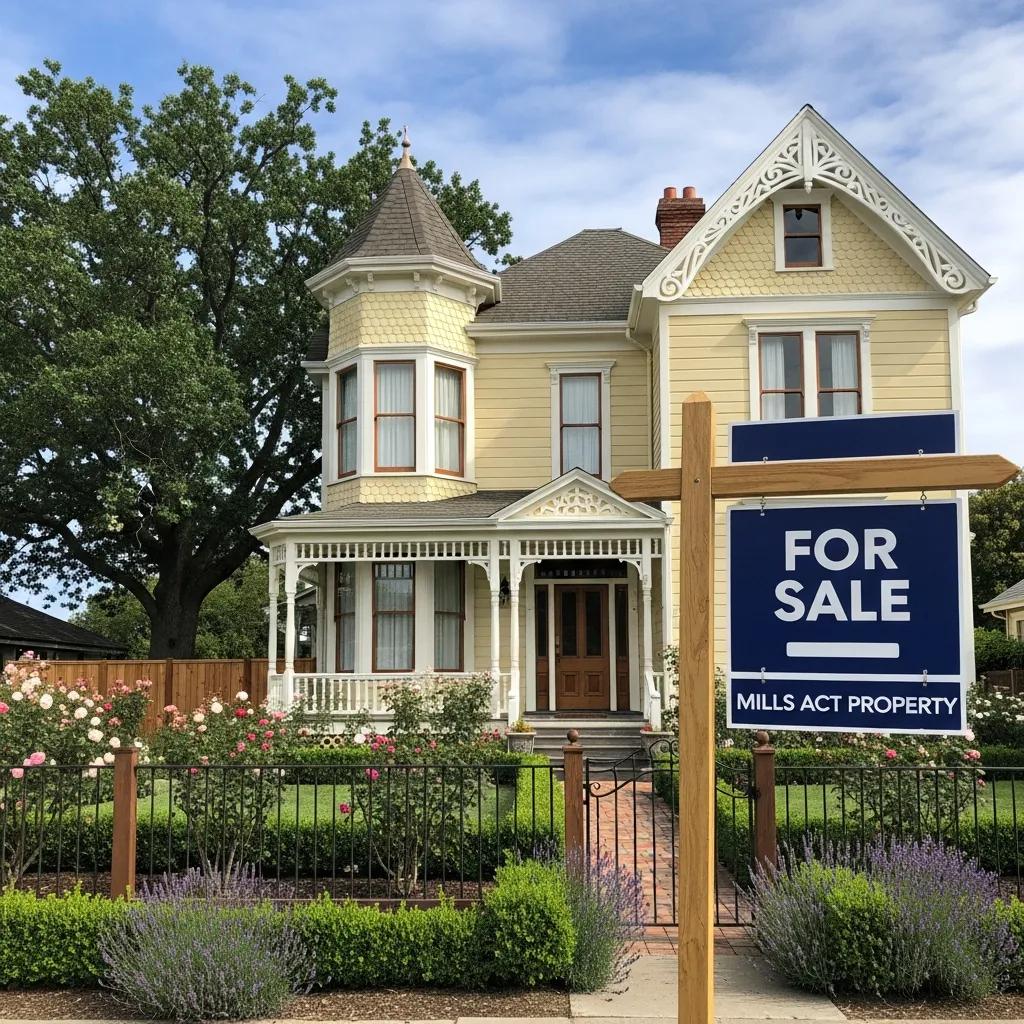
The Mills Act is a widely used local program that reduces property taxes in exchange for a legally binding commitment to preserve and maintain an historic property. For homeowners and investors alike, the Mills Act can make long-term restoration projects financially feasible by lowering ongoing carrying costs through tax relief.
What Are the Eligibility Requirements for the Mills Act Program?
Eligibility typically requires that the property be designated as a historic resource by local authorities and that the owner enter a Mills Act contract committing to approved maintenance and restoration standards. Cities vary in their application procedures and selection criteria, so applicants should be prepared with documentation of the property’s significance and a clear preservation plan.
How Do Property Tax Incentives Work Under the Mills Act?
Tax savings under the Mills Act vary by jurisdiction and valuation method, but participating owners often see meaningful reductions—commonly in the range of tens of percentage points—over standard property tax bills. Contracts are usually long-term and can provide predictable tax relief that helps offset rehabilitation expenses and ongoing maintenance.
What Financial Incentives and Grants Are Available for Historic Properties in California?
Beyond the Mills Act, owners can pursue a mix of grants, tax credits, and local incentive programs to support preservation. Knowing which programs apply to your property and designing work to meet program requirements can significantly reduce net project costs.
How Can the California Historic Preservation Grants Assist Renovation Projects?
State and local preservation grants fund a range of activities—from planning and stabilization to full rehabilitation. Grant awards depend on project scope, demonstrated public benefit, and compliance with preservation standards. Successful applicants typically show a clear preservation strategy and measurable community impact.
What Is the California State Historic Rehabilitation Tax Credit and How Does It Work?
The California State Historic Rehabilitation Tax Credit offers a 20% credit on qualifying rehabilitation expenses, lowering the effective cost of approved work. To claim the credit, projects must meet eligibility rules and follow the Secretary of the Interior Standards. Property owners should consult tax and preservation specialists to confirm qualification and track eligible expenses.
How Do the Secretary of Interior Standards Affect Historic Property Renovations?
The Secretary of the Interior Standards set the accepted approach for rehabilitating historic properties: preserve character-defining features, use compatible materials, and make changes that are reversible where possible. Many funding and tax programs require adherence to these standards, so they’re a practical and regulatory baseline for preservation work.
What Are the Key Guidelines of the Secretary of Interior Standards for Historic Properties?
Key principles include retaining original materials and features, repairing rather than replacing when feasible, matching replacement materials to the original in appearance and composition, and avoiding changes that destroy historic character. Following these guidelines helps ensure projects retain authenticity and remain eligible for financial support.
How Do These Standards Influence Loan and Financing Options?
Lenders and funding programs often view properties that comply with preservation standards as better collateral, since such projects are more likely to retain value and qualify for incentives. Demonstrating standards compliance can therefore improve loan terms or unlock specialized financing products aimed at historic rehabilitation.
How Can Investors Leverage Hard Money Loans for Historic Property Preservation?
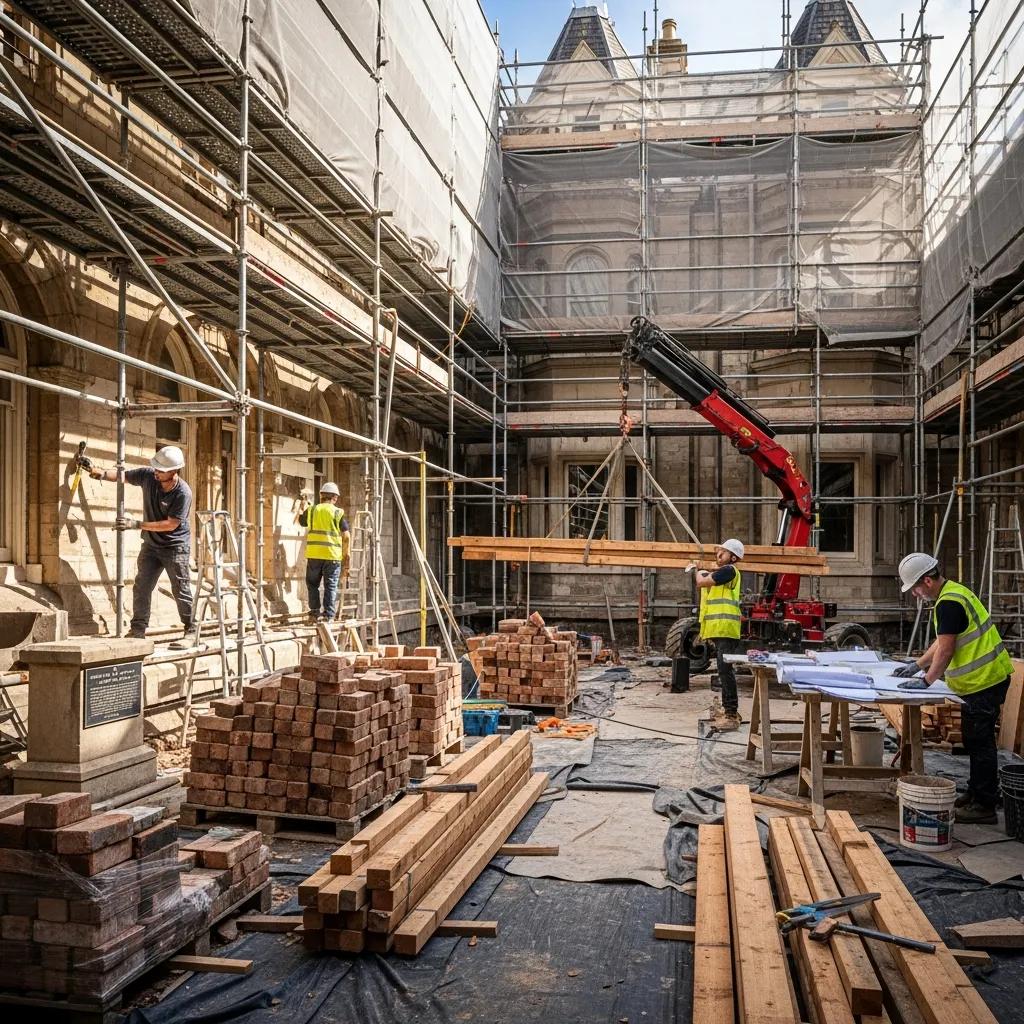
Hard money loans provide rapid, asset-backed capital that can bridge gaps during acquisition and renovation of historic properties. For investors who need speed or whose projects don’t fit conventional underwriting, these loans fund work quickly so preservation can begin without lengthy bank timelines.
What Loan Programs Does Fidelity Funding Offer for Historic Properties?
Fidelity Funding provides loan products designed with historic projects in mind—short-term acquisition and rehab options that recognize unique timelines and cost profiles associated with preservation work. Our programs aim to be flexible and practical so borrowers can move through acquisition, stabilization, and rehabilitation efficiently.
How Do Hard Money Loans Complement Historic Preservation Incentives?
Hard money can cover upfront rehabilitation costs while owners wait for tax credits, grants, or Mills Act approvals to take effect. Using short-term financing alongside available incentives helps maintain project momentum and can improve overall returns when credits or reimbursements arrive later in the project timeline.
What Is the Application Process for Financing Historic Property Preservation in California?
Financing historic preservation requires careful documentation and coordination, but a clear process makes approvals smoother. Understanding required steps and assembling materials in advance reduces delays and strengthens applications.
What Are the Steps to Apply for Hard Money Loans for Historic Properties?
Typical steps include compiling property documentation (designation notices, photos), a detailed scope of work and cost estimates, contractor bids, and an appraisal or market analysis. Submit these with a loan application; underwriting focuses on after-repair value and the feasibility of the rehab plan. Once approved, funding can often be deployed quickly so work can start.
What Documentation Is Required to Qualify for Preservation Financing?
Commonly required documents include proof of historic designation or significance, architectural plans or scopes of work, contractor bids, cost breakdowns, and evidence of compliance with applicable preservation standards. Complete, well-organized documentation speeds review and improves approval odds.
Frequently Asked Questions
What are the benefits of historic preservation for communities?
Historic preservation strengthens local identity, attracts tourism, and supports neighborhood character—often boosting property values and economic activity. Reusing existing buildings also reduces construction waste and supports sustainability, while preserved landmarks reinforce community pride and civic continuity.
How can property owners find local historic preservation resources?
Start with your city or county planning department and local historic preservation commissions. State historic preservation offices and organizations like the National Trust for Historic Preservation also offer guidance, grants, and technical resources. Local historical societies and preservation consultants can provide hands-on advice and networking opportunities.
What are the common challenges faced in historic property renovations?
Challenges include complying with preservation rules, sourcing appropriate materials, and finding contractors skilled in historic techniques—each of which can raise costs and extend schedules. Permitting can be more involved, and balancing modern needs with historic integrity requires careful planning and sometimes specialist input.
Are there specific tax benefits for commercial historic properties?
Yes. Commercial historic properties may qualify for programs like the California State Historic Rehabilitation Tax Credit—offering a 20% credit on qualifying rehabilitation expenses—and other local incentives. Owners should consult tax professionals to confirm eligibility and integrate credits into project financing.
How does historic preservation impact property values?
Preserved historic properties often command higher market interest because of their unique character and neighborhood appeal. Designation and high-quality rehabilitation can increase demand and long-term value, and incentives like tax relief can improve the investment case for buyers and developers.
What role do local governments play in historic preservation?
Local governments designate landmarks and districts, enforce preservation rules, and administer incentive programs such as the Mills Act. They also provide guidance, review rehabilitation plans, and can offer grants or technical assistance—making them key partners in successful preservation outcomes.
Conclusion
Knowing how California’s preservation laws, incentive programs, and financing options work together empowers owners and investors to protect architectural heritage while managing project costs. Programs like the Mills Act, state tax credits, and targeted grants—paired with practical financing solutions—create a clear pathway to successful restoration. If you’re considering a preservation project, review available incentives, align work with preservation standards, and talk to local experts or our team to map the financing that fits your timeline and goals.