

Automating Rental Property Management: Practical Software and Smart Tools for Landlords and Investors
Automation is reshaping how landlords and investors run rental properties — cutting repetitive work, tightening up finances, and improving tenant service. This guide walks through the tools and software that make property management leaner and more predictable. You’ll learn the core features to look for, how automation improves rent collection and maintenance, which efficiency tools complement your stack, how smart-home tech fits in, and how financing (including hard money loans) can fund the upgrades that scale your portfolio.
How can property management software simplify a landlord’s daily workload?
Property management platforms are built to take routine, error-prone tasks off your plate — from tenant messaging to bookkeeping. Automating those workflows saves time and reduces mistakes. Most systems offer online rent collection, maintenance tracking, and applicant screening; together those features let you spend less time on administration and more time building your portfolio.
Which features matter most when choosing property management software?
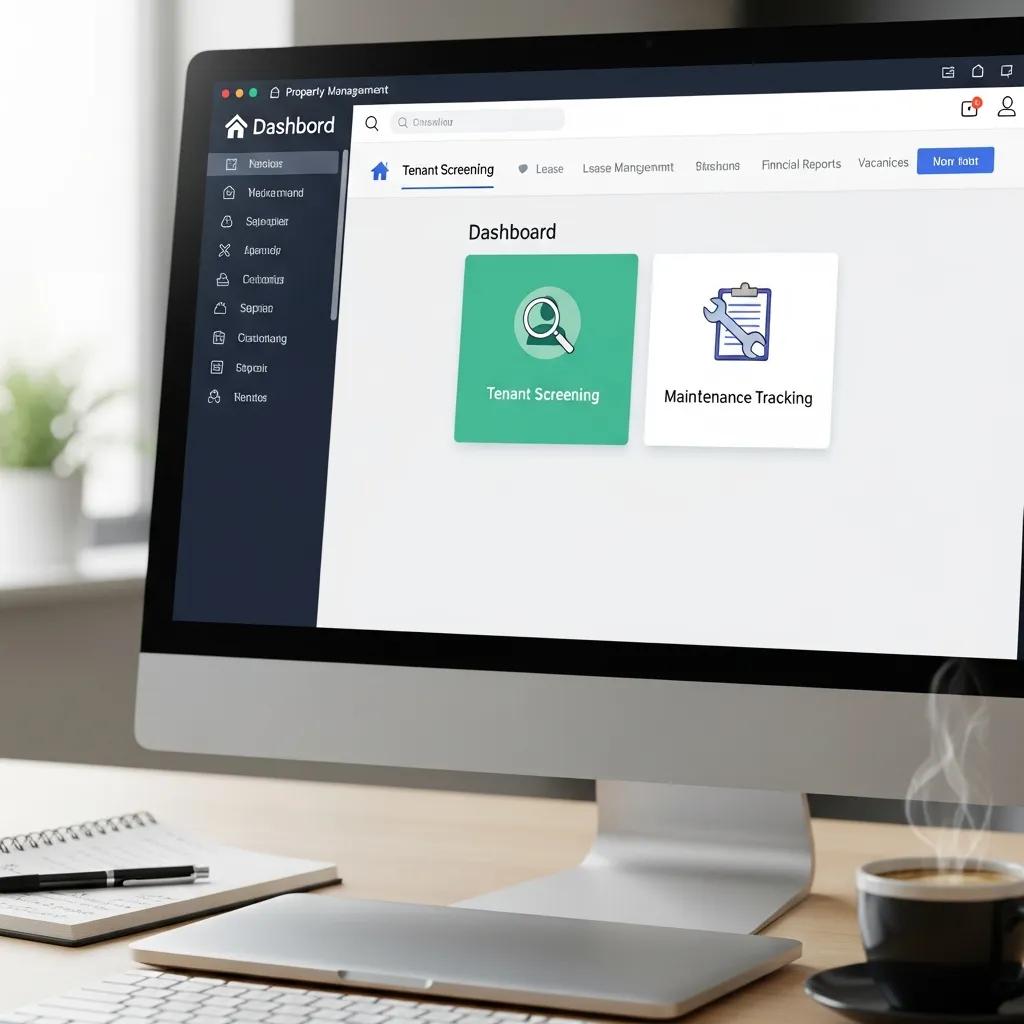
Pick software that’s easy to use and quick to learn. Strong integrations (especially with accounting tools) keep data aligned across systems. Look for clear financial reporting so you can read cash flow and performance at a glance — real-time reports help you make smarter, faster decisions.
How does automation streamline rent collection and financial tracking?
Automated rent systems let tenants pay online, send reminders, and reduce late payments — which improves cash flow. Built-in finance tools keep ledgers accurate and consolidate income and expenses so you always have a clear, auditable view of each property’s performance.
What concrete benefits does automation bring to rental efficiency?
Automation cuts administrative hours and lowers operating costs, freeing you to focus on growth. It also raises tenant satisfaction by delivering faster responses and transparent communication, which helps with retention. Combined, those gains make your rental business more scalable and profitable.
How does automation reduce admin work and save money?
When routine tasks — rent reminders, maintenance scheduling, tenant outreach — happen automatically, you need fewer hands on deck and spend less time chasing issues. That efficiency can produce meaningful savings over time; many landlords report sizable reductions in operating costs once automation is in place, though results depend on how it’s implemented.
How does automation improve tenant experience and support growth?
Tenants get faster updates and clearer channels for requests, which builds trust and lowers turnover. At the same time, automation lets you manage more units without a proportional increase in effort, so you can scale your portfolio more predictably.
Which efficiency tools best complement automated property management?
Beyond core management platforms, specialty tools — for maintenance, tenant screening, and vendor coordination — fill critical gaps. Together they form a joined-up system that handles each stage of the tenant lifecycle more efficiently.
How are maintenance workflows and vendor coordination automated?
Maintenance platforms let tenants submit requests online and automatically route jobs to the right vendors. That reduces back-and-forth, shortens repair times, and gives you a clear record of work completed and costs incurred. Vendor management features help track pricing, availability, and performance so you get consistent, cost-effective service.
What role do leasing automation and tenant screening play?
Automated leasing speeds applications, collects documents digitally, and accelerates move-ins. Integrated screening tools deliver background and credit checks quickly, helping you vet applicants faster and lower the risk of problem tenancies.
How does smart home technology connect with property automation?
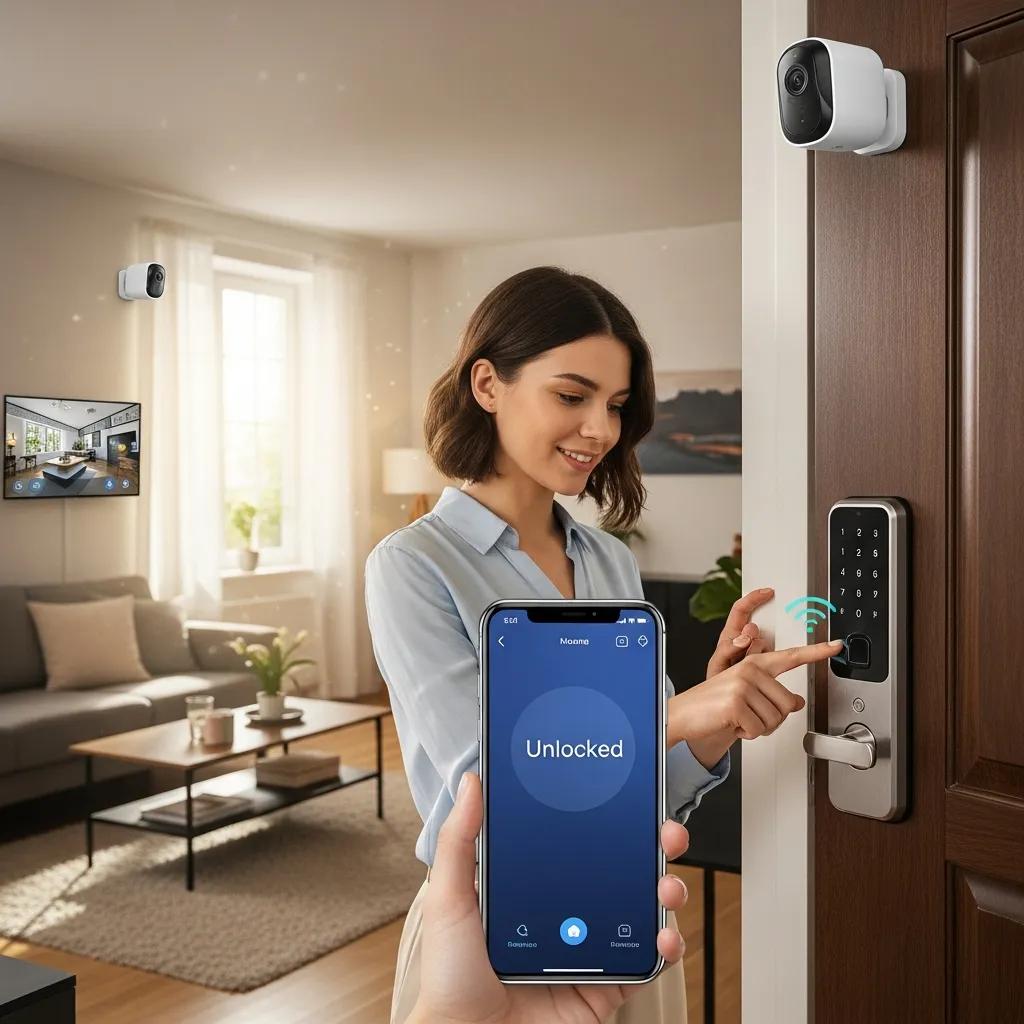
Smart devices are a natural extension of property automation — they add security, convenience, and data. When integrated with your management systems, smart tech reduces on-site visits and gives you operational insights that guide maintenance and upgrades.
Which smart devices boost security and tenant experience?
Smart locks, cameras, and alarm systems increase security and allow remote access control. Features like keyless entry and smart thermostats improve the tenant experience and make units more appealing on the market.
How does smart-home tech support efficient operations?
Smart thermostats and sensors optimize energy use and flag issues before they become costly. Remote monitoring reduces unnecessary site visits and provides usage data that helps prioritize repairs and capital improvements.
How can hard money loans help investors build automated rental portfolios?
Hard money loans can provide fast capital for acquisitions and renovations, enabling investors to move quickly when opportunities arise. That access to funds can be the difference between securing a deal and losing it.
Why is fast funding important for time-sensitive deals?
In competitive markets, quick closings win deals. Properties priced below market or in need of work often require rapid financing — hard money lenders can fund those transactions faster than many traditional routes.
How does financing support automation investments?
Financing lets you invest in the software and smart tech that reduce long-term costs and increase rents. By funding upgrades and systems now, you can improve operations and tenant satisfaction — and capture better returns across your portfolio.
What property management software should investors using hard money consider?
Investors should evaluate platforms that match their portfolio size and workflow needs. The right software balances tenant-facing tools with strong accounting and maintenance features so you can maximize the ROI from both your properties and your automation spend.
How should you evaluate features, pricing, and integrations?
Compare core capabilities — tenant screening, maintenance tracking, and financial reporting — alongside pricing that fits your unit count. Confirm the platform integrates with your existing tools to avoid duplicate work and ensure clean data transfer.
What are best practices for aligning automation with investment strategy?
Make automation part of your business plan: set measurable goals, review performance regularly, and adjust workflows based on data. Prioritize automations that save time and protect revenue, and consider financing upgrades that accelerate those gains.
This comparison highlights several solid options and their core strengths. Use it to narrow choices based on feature fit, pricing structure, and how well each platform will integrate with your existing processes.
In short, automating property management with the right software and tools saves time, reduces costs, and improves tenant retention — all of which support stronger, more predictable returns. As the market evolves, automation isn’t just a convenience; it’s a practical advantage for landlords and investors focused on growth.
Frequently Asked Questions
What are the first steps to implement property management automation?
Start by mapping your current processes and listing pain points. Then research platforms that address those gaps — prioritize ease of use and key integrations. Roll out changes in phases, train users, and monitor metrics so you can tweak the system as you go.
How can landlords protect tenant data when using management software?
Choose vendors that use encryption, secure authentication, and regular updates. Enforce strong password policies, train staff on phishing risks, and back up data. Also confirm the provider’s compliance with relevant privacy laws that apply to your area.
What common challenges come with moving to automated systems?
Expect a learning curve, occasional resistance to change, and integration hurdles. Minimize disruption with clear communication, hands-on training, and vendor support during setup — and plan for a phased rollout so issues don’t derail operations.
How do landlords measure whether automation is working?
Track KPIs like on-time rent collections, maintenance response times, tenant retention, and administrative hours saved. Combine quantitative metrics with tenant and staff feedback to get a full picture of impact.
How important is customer support from software providers?
Very important. Reliable support shortens downtime and helps you get the most from the platform. Look for providers with multiple support channels, solid documentation, and known responsiveness during onboarding and beyond.
Are there regulations landlords should consider when automating?
Yes. Be aware of data protection laws (for example, GDPR or CCPA where they apply) and local housing and fair housing regulations. Ensure your systems and processes protect tenant rights and handle data appropriately.
Conclusion
Adopting software and smart tools can simplify operations, improve tenant experiences, and boost returns. Thoughtful automation — supported by the right financing when needed — helps you scale with confidence. If you’re weighing software or funding options, take a strategic, measured approach: prioritize integrations, protect data, and focus on automations that deliver measurable savings and better tenant outcomes.