


Loan-to-Value (LTV) in Hard Money Lending: How It’s Calculated, Typical Ratios, and Maximum Limits Real Estate Investors Should Know
Loan-to-Value (LTV) is one of the primary metrics hard money lenders use to gauge risk and sizing for a loan. This guide walks through what LTV is, how to calculate it, and why it matters for investors who prefer asset-driven financing over traditional credit-based lending. Many borrowers struggle with bank requirements; hard money shifts the focus to property equity, which can open doors for experienced investors. Below we explain the math, typical LTV ranges by loan type, and how Fidelity Funding works with investors to optimize their LTV positions.
What is Loan-to-Value in Hard Money Lending and How is it Calculated?
Loan-to-Value (LTV) is the percentage that compares the loan amount to the value of the property being financed. In hard money lending, LTV is central to underwriting because it reflects how much of the asset is leveraged. You calculate LTV by dividing the loan amount by the appraised value of the property and multiplying by 100. For example, a $150,000 loan on a $200,000 property equals a 75% LTV. That percentage shows how much equity the borrower brings to the deal and helps determine terms and approval likelihood.
How do lenders calculate LTV ratios for hard money loans?
Lenders compute LTV by taking the requested loan amount and dividing it by the property’s appraised value. The final percentage depends on the current market value, the loan sum, and any additional financing tied to the property. For example, a $100,000 loan on a $125,000 property results in an 80% LTV. Lenders use this number to judge exposure and set terms accordingly.
What is the difference between LTV and After Repair Value?
LTV and After Repair Value (ARV) serve related but different roles. LTV measures the loan versus the property’s current value, while ARV estimates the property’s value after renovations. Both matter for project planning: LTV helps with loan eligibility and risk, ARV helps forecast profit on a fix-and-flip. For instance, a purchase at $150,000 with an expected ARV of $200,000 uses that $200,000 figure when lenders base a loan on ARV.
What are Typical LTV Ratios for Fix and Flip Loans and How Does Fidelity Funding Compare?

Fix-and-flip loans commonly fall in the 65%–85% LTV range, varying by lender and project specifics. Hard money lenders generally allow higher LTVs than conventional lenders because underwriting emphasizes the asset’s value and exit strategy rather than the borrower’s credit profile. Fidelity Funding competes in this range, giving investors room to leverage equity on renovation projects.
What LTV ratios does Fidelity Funding offer for fix and flip projects?
For select fix-and-flip deals, Fidelity Funding will consider LTVs up to 85%. That flexibility helps experienced investors conserve upfront capital and allocate more funds to renovation and holding costs. Our focus on property value and a clear exit plan is what enables higher LTVs on qualifying projects.
How do LTV ratios impact loan terms and investor benefits in fix and flip loans?
LTV directly influences terms like interest rate, required borrower equity, and repayment structure. Higher LTVs typically carry higher rates because they raise lender exposure, but they also let investors access more capital with less cash down. For example, an 85% LTV means a 15% down payment, freeing funds for rehab and other project expenses. Investors must balance the added leverage against the increased cost of capital.
How Does Commercial Hard Money Lending Use LTV Ratios and What are Fidelity Funding’s Guidelines?
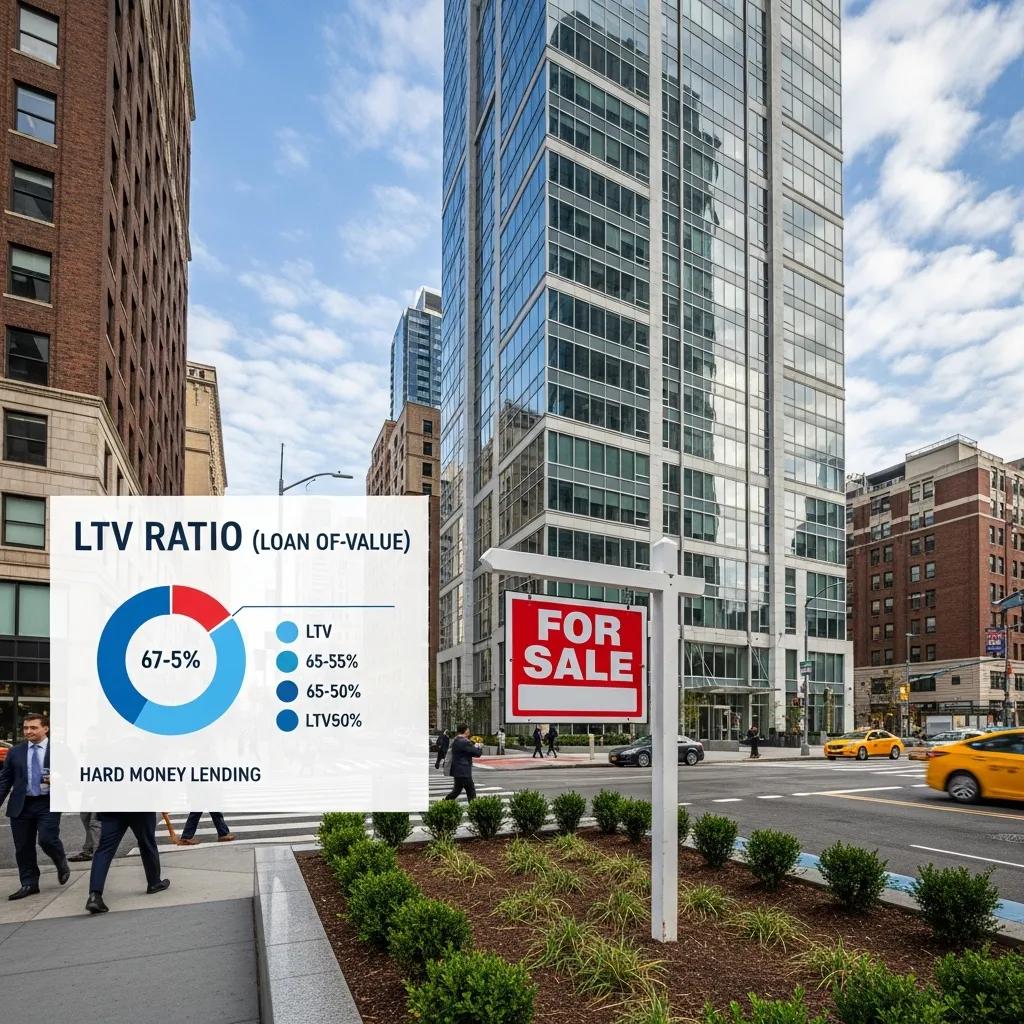
Commercial hard money underwriting uses LTV the same way: as a primary measure of lender exposure. Maximum LTVs for commercial deals usually sit between 65% and 75%, varying by property type, tenant mix, and location. Fidelity Funding follows these market norms while offering adaptable financing that reflects each commercial asset’s specifics.
What are the maximum LTV limits for commercial hard money loans?
Fidelity Funding typically caps commercial hard money loans at a 75% LTV. That cap is competitive and helps ensure investors can access meaningful financing while maintaining sufficient borrower equity to protect the lender and support approval.
How does LTV affect risk assessment and loan approval for commercial properties?
LTV is a core input in risk assessment: a lower LTV means the borrower has more equity at stake, which usually leads to better terms and a smoother approval. Higher LTVs increase perceived risk, which can translate to stricter underwriting and higher rates. Commercial investors should factor LTV into their strategy when evaluating leverage and potential returns.
What is the Maximum LTV Allowed for Hard Money Loans and How Does It Affect Borrowers?
Maximum LTV for hard money loans varies by lender and property type but generally ranges from 65% to 85%. That range determines how much capital a borrower can secure against a property and shapes the borrower’s upfront cash needs and overall project feasibility. Knowing the maximum LTV helps investors plan capital stacks and risk management.
What factors determine the maximum LTV in hard money lending?
Several factors influence the maximum LTV: property type, condition, location, market trends, and the borrower’s experience. Lenders will also consider comparable sales, exit strategy, and any existing liens. For example, a well-located commercial asset in solid condition may qualify for a higher LTV than a heavily distressed residential property that needs major repairs.
How does Fidelity Funding’s high LTV program provide competitive advantages?
Fidelity Funding’s higher-LTV options let investors access more capital with less initial cash, enabling larger or multiple projects at once. Coupled with our streamlined underwriting and funding timelines—often within five to seven days—investors can move quickly when opportunities arise. By prioritizing property equity and a clear exit plan over credit alone, we help experienced borrowers scale efficiently.
How Can Real Estate Investors Maximize Their LTV with Fidelity Funding’s Hard Money Loans?
Investors increase their LTV potential by choosing the right properties, presenting clear renovation plans, and working with lenders who understand their strategy. Strong comparables, conservative budgets, and a credible exit plan all support higher LTVs and cleaner approvals.
What strategies help borrowers achieve favorable LTV ratios?
- Choose Properties Wisely: Target markets and properties with steady demand and clear upside.
- Enhance Property Value: Focus renovations that deliver predictable value increases before you finalize financing.
- Work with Experienced Lenders: Partner with lenders like Fidelity Funding who underwrite based on property fundamentals and proven exit plans.
How does property equity and loan type influence LTV eligibility?
Property equity and loan purpose are central to LTV decisions. More equity generally supports a higher LTV because it lowers lender exposure. Different loan products also carry different caps—fix-and-flip loans often allow higher LTVs when based on ARV, while traditional mortgages usually use current market value. Understanding the interaction between equity and loan type is key to choosing the right financing.
What Are Common Questions About Hard Money LTV Ratios Answered?
Below are answers to frequent questions investors ask about LTV so you can evaluate financing choices with confidence.
What is a good LTV for a hard money loan?
A “good” LTV depends on your risk tolerance and strategy, but most hard money deals land between 65% and 85%. Lower LTVs reduce lender risk and typically produce better terms; higher LTVs let you conserve capital but usually cost more in interest and fees.
How is LTV calculated differently for various loan types?
LTV is the same math across loan types, but lenders may use different value metrics. Fix-and-flip loans often use After Repair Value (ARV) to justify higher LTVs. Traditional loans typically use current market value. Know which value your lender will use before you lock in terms.
Frequently Asked Questions
What are the risks associated with high LTV ratios in hard money lending?
High LTV increases risk for both sides. For lenders, it means less equity buffer if values fall; for borrowers, it can mean higher rates, tighter covenants, and reduced financial flexibility. High LTV deals require a clear exit plan and contingency capital to manage unexpected cost overruns or market shifts.
Can LTV ratios change after a loan is secured?
Yes. LTV can shift with changes in property value or if additional liens are added. A falling market increases LTV, reducing borrower equity and potentially affecting loan covenants. Conversely, rising values lower LTV and improve equity positions. Regular valuation checks help investors stay informed.
How do lenders assess property value for LTV calculations?
Value is usually determined through an appraisal that looks at condition, location, comparable sales, and market trends. For renovation projects, lenders may also consider contractor bids and projected ARV. Accurate valuation is crucial because it directly determines allowable loan size.
What role does borrower experience play in LTV determination?
Borrower experience matters. Seasoned investors with successful track records can often negotiate higher LTVs because they’re viewed as lower execution risk. Newer investors may face more conservative LTV limits until they build a reliable performance history.
Are there alternatives to hard money loans for high LTV financing?
Yes. Alternatives include private money loans, some seller financing arrangements, and certain government-backed products that permit higher LTVs under specific conditions. Local credit unions or community banks can also be options, depending on your project and qualifications.
How can investors improve their LTV ratios over time?
Investors can grow equity—and therefore improve LTV—by completing value-adding renovations, paying down principal, or waiting for market appreciation. Refinancing after value increases is another common way to lower LTV and access additional capital on better terms.
Conclusion
Understanding LTV is essential for anyone using hard money to finance real estate. The right LTV lets you balance leverage with risk, access the capital you need, and execute your exit plan. Fidelity Funding offers competitive, property-focused lending that helps investors optimize LTV while moving quickly when opportunities arise. Reach out to learn how we can tailor a solution that fits your strategy and timeline.