


California Rental Yields: Practical Analysis and Investor Strategies for 2025
Rental yield is one of the clearest signals for investors aiming to protect capital and boost cash flow in California’s fast-moving market. This guide breaks down how rental yield works, how to calculate it accurately, and what it tells you about opportunity and risk in 2025. We cover formulas, high-opportunity cities, how hard money and other financing can accelerate deals, practical ways to lift property ROI, and the market forces to watch this year. Read on to make smarter, faster investment decisions in California’s rental space.
What Is Rental Yield and How Is It Calculated for California Properties?
Rental yield measures the income a property produces relative to its value. It’s a quick way to compare potential returns across properties and markets. Calculated as annual rental income divided by the purchase price or current market value, expressed as a percentage, rental yield helps you evaluate whether a given property will cover expenses and deliver the returns you expect.
How to Calculate Gross and Net Rental Yield in California
Use this basic formula to estimate gross yield:
To arrive at net rental yield, subtract recurring costs—property management, maintenance, taxes, insurance, and vacancy allowance—from annual rental income before applying the same formula. Net yield gives you a clearer picture of true cash flow after typical expenses.
Why Rental Yield Matters for California Real Estate Investors
Because California prices tend to be high, yield is a practical filter for prioritizing deals. Higher yields improve your ability to cover financing, maintenance, and vacancy risk while still producing positive cash flow. Tracking yield trends also flags where demand is strengthening—properties in neighborhoods with rising yields often reflect growing renter demand and tighter supply.
Which California Cities Offer the Best Rental Property Investment Opportunities in 2025?
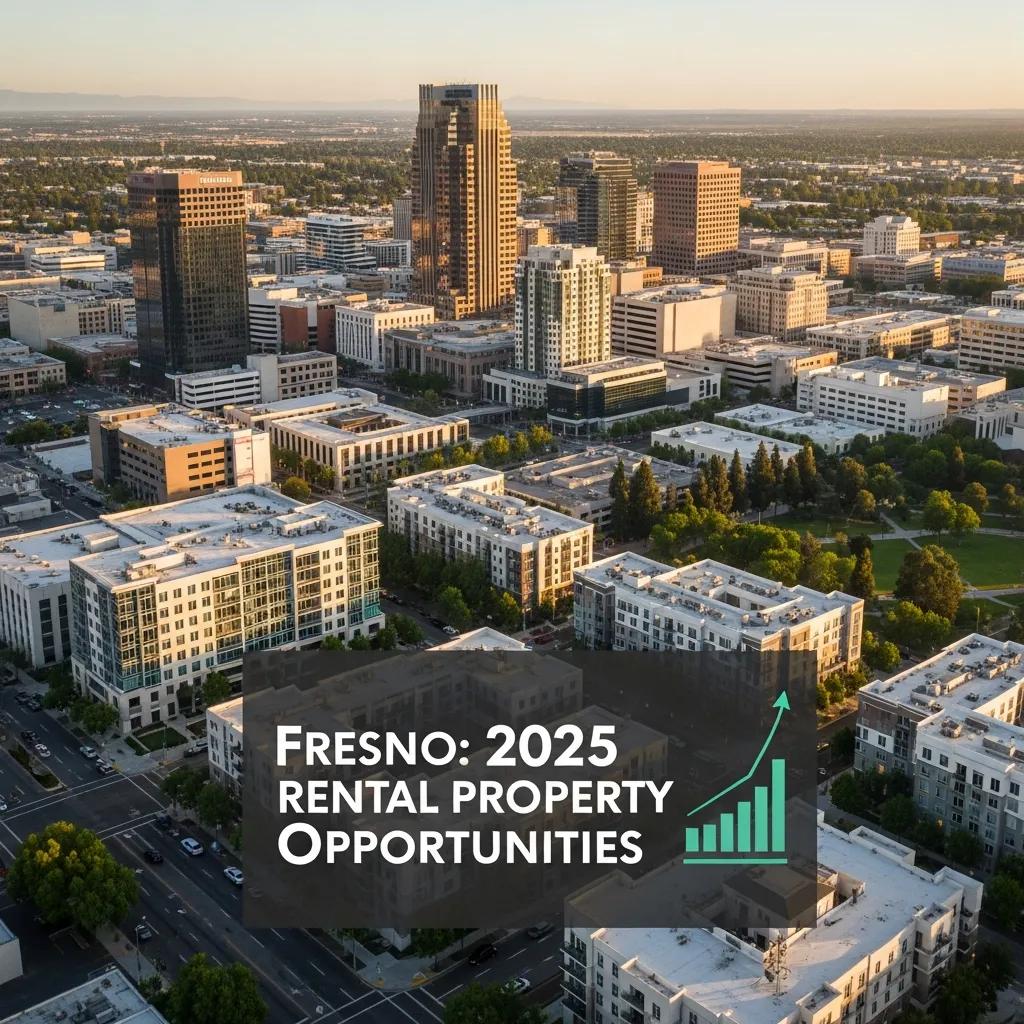
Location drives yield. For 2025, several inland and Central Valley cities show stronger yield potential as job and population growth shift away from core coastal markets. Look for places with improving employment fundamentals, stable demand, and reasonable acquisition prices.
What Are the Rental Yield Percentages in Riverside, Fresno, and Bakersfield?
Among these three, Fresno posts the highest yield, suggesting stronger cash-on-cash potential for 2025 while Riverside and Bakersfield remain solid options depending on your financing and exit plan.
How Do Job Growth and Population Trends Affect Rental Yields in California Cities?
Job growth and population inflows increase rental demand, tightening vacancies and pushing rents upward—both of which lift yields. Fresno and Bakersfield, for example, have seen job gains in healthcare, logistics, and manufacturing, which fuels steady rental demand. Combining demographic and employment data lets you target neighborhoods with the best upside for rent growth.
How Can Hard Money Loans from Fidelity Funding Support Your California Rental Property Investment?

Hard money can be a strategic tool when speed and flexibility matter more than the lowest long-term rate. These loans use the property as collateral and are structured for quick closings, making them useful for acquisitions, rehabs, and bridging to permanent financing.
What Are the Benefits of Fast Approval and Equity-Based Lending for Rental Properties?
Fast approval lets you act decisively in competitive markets—often closing in days rather than weeks. Equity-based lending also unlocks value in your existing holdings so you can scale more efficiently. For investors who prioritize deal velocity and flexibility, these features help secure attractive assets before traditional lenders can respond.
Which Loan Programs Does Fidelity Funding Offer for Rental Property Investors?
- Hard Money Loans: Fast, asset-backed financing to close quickly.
- DSCR Loans: Underwritten to rental income for portfolio investors.
- Fix and Flip Financing: Short-term capital for renovation and resale.
These programs give investors options depending on timeline, cash flow needs, and exit strategy—helping you match financing to the deal, not the other way around.
What Strategies Maximize Rental Property ROI in California?
To boost ROI, combine smart acquisition with targeted value-adds and disciplined cost control. Your choice of market, property type, and renovation scope all influence both near-term cash flow and long-term appreciation.
How Do Property Selection and Renovations Impact Rental Yield?
Select properties in locations renters prefer—close to transit, schools, and key employers—to reduce vacancy and command higher rents. Thoughtful renovations—kitchen or bath updates, durable flooring, energy-efficient systems—tend to deliver outsized rent lifts relative to cost when done to market standards.
What Tax Benefits and Expense Management Tips Should California Landlords Know?
Landlords can improve net returns through tax deductions like mortgage interest, property taxes, depreciation, and operating expenses. Tight expense control—regular preventative maintenance, thorough tenant screening, and competitive management fees—also preserves yield. Keep organized records to maximize deductions and protect cash flow at tax time.
What Are the Key California Rental Market Trends and Forecasts for 2025 and Beyond?
Several trends will shape rental economics: migration patterns, housing supply changes (including ADUs), local regulation, and macroeconomic variables such as interest rates and job growth. Monitoring these factors helps you pivot strategy between short-term cash flow and long-term appreciation.
How Are Accessory Dwelling Units Influencing Rental Supply and Demand?
ADUs are expanding supply and creating new income streams for homeowners. Where allowed and well-located, ADUs can increase total property yield and help meet local housing demand—making properties with ADU potential attractive to investors focused on cash flow.
What Economic Factors Will Affect Rental Yields and Property Appreciation?
Interest rates, employment, and inflation all affect both rent levels and buyer demand. Higher rates typically increase carrying costs and can compress buyer demand, while strong job markets lift rents and appreciation. Successful investors track these indicators and stress-test deals against different rate and rent scenarios.
Frequently Asked Questions
What is the difference between gross and net rental yield?
Gross yield compares annual rent to property value before expenses; net yield deducts ongoing costs—management, maintenance, taxes, insurance, and vacancy—from rental income first. Use gross yield for quick screening and net yield for realistic cash-flow planning.
How can I identify emerging rental markets in California?
Look for rising job opportunities, population inflows, new infrastructure, and local investment. Combine public data with on-the-ground intel from brokers and property managers to find neighborhoods where rent growth is likely to outpace acquisition costs.
What role do property management companies play in maximizing rental yield?
A good property manager reduces vacancy, enforces leases, and handles maintenance efficiently—directly protecting income and minimizing unexpected costs. Their market knowledge can also help set optimal rents to balance occupancy and cash flow.
Are there specific regulations I should be aware of when investing in California rental properties?
Yes. California and many cities have rent control, tenant-protection rules, and specific eviction procedures. Local ordinances vary, so research city-level regulations and stay current on state law to avoid compliance issues and unexpected costs.
What are the potential risks associated with investing in California rental properties?
Risks include market volatility, regulatory change, natural disasters, and rising insurance or financing costs. Mitigate these by diversifying locations, maintaining appropriate insurance, and stress-testing deals for lower rent or higher interest rate scenarios.
How can I leverage technology to enhance my rental property investment strategy?
Use property-management platforms to automate rent collection and maintenance, and analytics tools to track market trends and rent comps. Digital marketing and streamlined leasing processes also shorten vacancy periods and improve tenant experience—both of which protect yield.
Conclusion
Rental yield is a practical, comparative metric that helps you prioritize deals and manage risk across California’s diverse markets. Combine careful yield analysis with the right financing and a clear value-add plan to build a resilient rental portfolio in 2025. Explore our resources or talk with a Fidelity Funding specialist to align financing with your investment goals and move on the right opportunities.