


California BRE (now DRE) License: What It Means for Your Real Estate Business
The California Bureau of Real Estate (BRE) license is a foundational credential for anyone doing real estate business in California. Beyond legal authorization, it signals professionalism and builds client trust. Below, we unpack why the BRE evolved into the Department of Real Estate (DRE) license, what that shift means for agents, brokers and investors, and the practical requirements and benefits tied to licensure. Whether you’re working deals, investing, or lending, understanding this framework helps protect your business and unlock new opportunities.
What Is the California BRE License and How Has It Evolved into the DRE License?
The BRE license — now issued under the DRE — serves as California’s regulatory standard for real estate practitioners. It verifies that licensees meet required education and ethical standards to transact real estate. The change from BRE to DRE reflects an effort to modernize oversight, strengthen consumer protections, and clarify enforcement and educational expectations for the industry.
What Is the Difference Between BRE and DRE in California?
The difference is mainly organizational and functional: the DRE carries forward the regulatory duties of the BRE with a sharper focus on consumer protection, ethical conduct and ongoing education. In practice, the DRE places greater emphasis on enforcing standards and ensuring licensees stay current with law and market practice.
Why Understanding the California Department of Real Estate Matters for License Holders
Knowing how the DRE operates is essential to staying compliant and safeguarding your license. The department issues guidance, updates rules, and offers resources that affect daily operations. Staying aligned with DRE requirements helps you avoid enforcement issues and maintain credibility with clients and partners.
What Are the California Real Estate License Requirements for Brokers and Salespersons?
What Are the Step-by-Step Requirements to Obtain a California DRE Broker License?
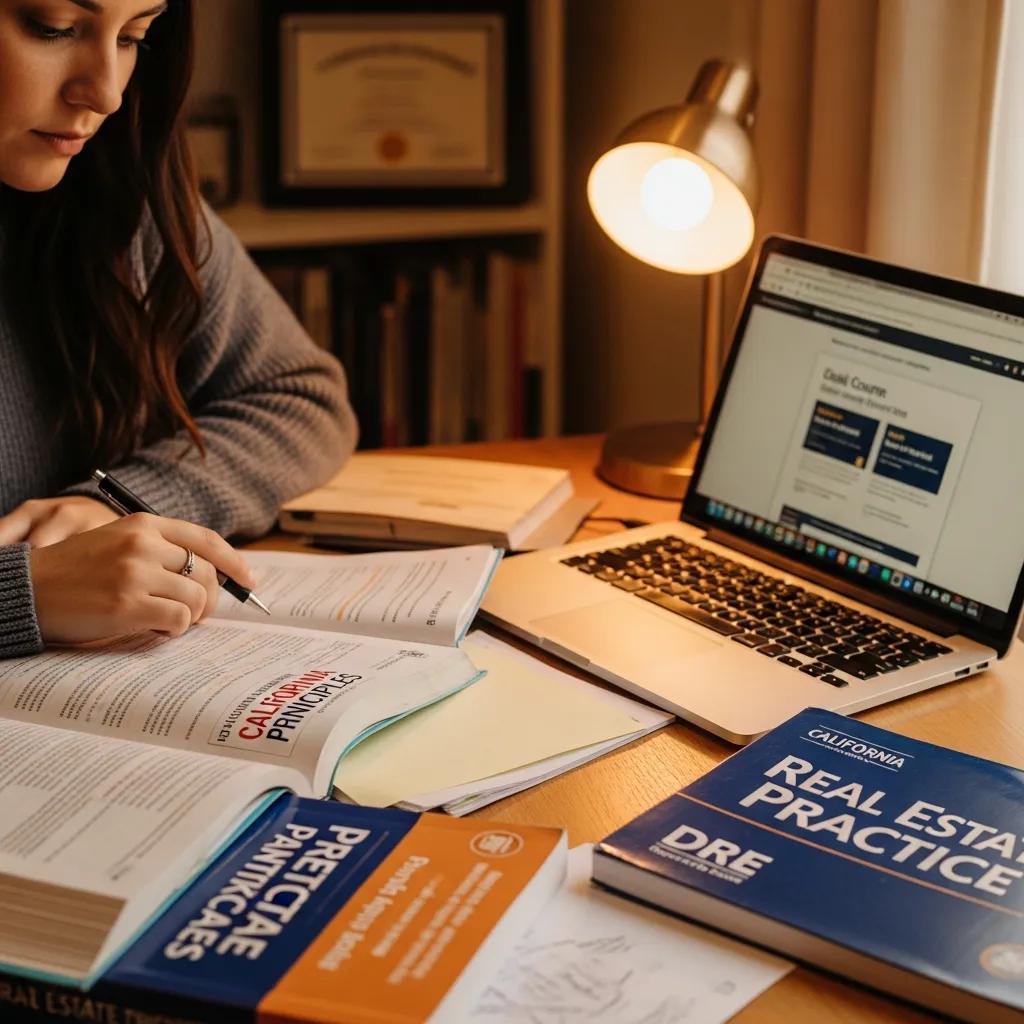
- Complete Required Education: Finish eight college-level real estate courses, including mandatory classes such as Real Estate Practice, Legal Aspects of Real Estate, Real Estate Finance and Real Estate Appraisal.
- Gain Experience: Have at least two years of full-time licensed salesperson experience in the last five years, or equivalent experience as accepted by the DRE.
- Pass the Broker Examination: After meeting education and experience requirements, pass the DRE broker exam.
- Submit Application: File a complete broker application with required fees to the DRE.
- Background Check: Undergo a criminal background check to confirm you meet the DRE’s ethical standards.
How Do Salesperson License Requirements Different from Broker License Requirements?
Salespersons need fewer courses and operate under a broker’s supervision. Typically, a salesperson completes three college-level real estate courses — Real Estate Principles, Real Estate Practice and one elective — and passes the salesperson exam. Unlike brokers, salespersons cannot run an independent brokerage and must work under a licensed broker’s oversight.
Why Is the California DRE License Essential for Hard Money Lenders and Brokers?
What Are the Licensing Obligations for Hard Money Lenders in California?
- Compliance with State Regulations: Lenders must follow California lending laws. Hard money lenders who make more than five loans per year or who broker loans are generally required to hold a real estate broker license from the DRE.
- Documentation Requirements: Maintain thorough, transparent records for all transactions to meet regulatory and due-diligence expectations.
- Continuing Education: Licensed brokers — including hard money lenders with broker licenses — must complete ongoing education to remain current on regulations and best practices.
How Does Holding a DRE License Benefit Hard Money Brokers and Their Clients?

- Stronger Trust: Licensing reassures borrowers and partners that you meet state standards and operate under regulatory oversight.
- Broader Product Access: Licensed brokers can offer a wider variety of loan programs and structuring options to meet client needs.
- Market Credibility: A DRE license enhances your professional standing and competitiveness in lending markets.
How Do Real Estate Investors Benefit from Holding a California DRE License?
What Are the Key Benefits of a DRE License for Real Estate Investors in California?
- MLS Access: Through broker relationships, licensed investors can access Multiple Listing Service data, broadening deal flow and property visibility.
- Networking Opportunities: Licensing opens doors to brokers, lenders and other professionals who can accelerate deal sourcing and execution.
- Deeper Market Knowledge: License holders must stay informed on law and market trends, which gives investors a strategic advantage.
Can a DRE License Enhance Your Investment Opportunities and Compliance?
Yes. A DRE license can unlock exclusive listings and broker-only channels while ensuring your activity complies with state rules — lowering legal risk and expanding business options.
What Are the Compliance and Renewal Requirements for Maintaining Your California DRE License?
What Continuing Education and Fees Are Required for License Renewal?
To renew a DRE license, you must complete 45 hours of continuing education every four years. Courses should cover real estate law, ethics and practical skills. You’ll also submit a renewal application and the applicable fee when you renew.
How Does Broker Compliance Impact Your License Standing and Business Operations?
Compliance is central to keeping your license in good standing. Violations can lead to fines, disciplinary action or suspension. Following DRE rules protects your license, your business reputation and your clients.
How Does Fidelity Funding Support Licensed Professionals and Ensure Compliance with California Real Estate Regulations?
How Does Fidelity Funding’s California BRE License 00785027 Reflect Its Commitment to Licensed Lending?
Fidelity Funding’s California BRE License 00785027 underscores our commitment to compliant, licensed lending. It signals that we operate within California’s regulatory framework and provides clients and partners with the assurance of regulated oversight.
What Loan Programs Does Fidelity Funding Offer to DRE-Licensed Brokers and Investors?
- Competitive Loan Amounts: Financing from $50,000 to $50,000,000.
- High Loan-to-Value Programs: Select deals offer up to 80–90% LTV to increase leverage on strong opportunities.
- Quick Approvals and Funding: Typical approvals within 48 hours and funding in 5–7 days to help clients move quickly on deals.
These programs position Fidelity Funding as a reliable capital partner for licensed professionals navigating the complexities of real estate finance.
Frequently Asked Questions
What Are the Consequences of Operating Without a DRE License in California?
Operating without a DRE license can result in significant penalties: civil fines, potential criminal charges, lawsuits from clients and restrictions on future licensure. Acting without proper licensure exposes you and your clients to legal and financial risk.
How Can I Check the Status of a California DRE License?
Check any California DRE license on the Department of Real Estate’s website using their license lookup tool. Enter a license number or name to see current status, expiration and any disciplinary actions.
What Are the Common Mistakes to Avoid When Applying for a DRE License?
Common errors include incomplete applications, missing supporting documents or fees, not meeting educational or experience requirements, and inaccurate background information. Prepare thoroughly and verify all submissions to avoid delays.
Can I Transfer My DRE License to Another State?
Licenses don’t automatically transfer between states. You’ll typically need to meet the new state’s requirements and apply there. Some states have reciprocity or streamlined paths, but rules vary — check with the destination state’s licensing board.
What Role Does Continuing Education Play in Maintaining a DRE License?
Continuing education keeps licensees current on laws, ethics and market practice. California requires 45 hours every four years; this training helps maintain compliance and strengthens your professional expertise.
How Can I Prepare for the DRE Broker Examination?
Preparation combines coursework review, practice exams and familiarity with exam format and timing. Consider prep classes or study groups, and focus on core topics like real estate law, finance and ethics to build confidence for test day.
Conclusion
Holding a California DRE license is more than a compliance checkbox — it’s a business tool that builds trust, expands access to opportunities and reduces regulatory risk. For agents, brokers, lenders and investors, licensing creates professional advantages that matter in competitive markets. If you’re ready to move forward, explore our resources and lending programs designed specifically for licensed professionals.