


AI in Real Estate: Future Trends & Practical Applications for Investors and Industry Professionals
Artificial intelligence is reshaping real estate — helping investors and industry professionals make faster, smarter decisions and run operations more efficiently. This article breaks down the practical AI applications you’ll see today and tomorrow, the rise of generative models, and the ethical questions that come with wider adoption. We’ll show how AI can inform financing choices and how Fidelity Funding supports investors who use data-driven strategies.
What are the key AI applications changing real estate right now?
AI touches many parts of the property lifecycle, from sourcing deals to valuing assets and forecasting markets. These tools streamline workflows and surface insights that help investors make data-backed choices. Core applications include predictive analytics, automated property valuation, and comprehensive market analysis — all aimed at reducing guesswork and improving returns.
How does predictive analytics improve real estate investment decisions?
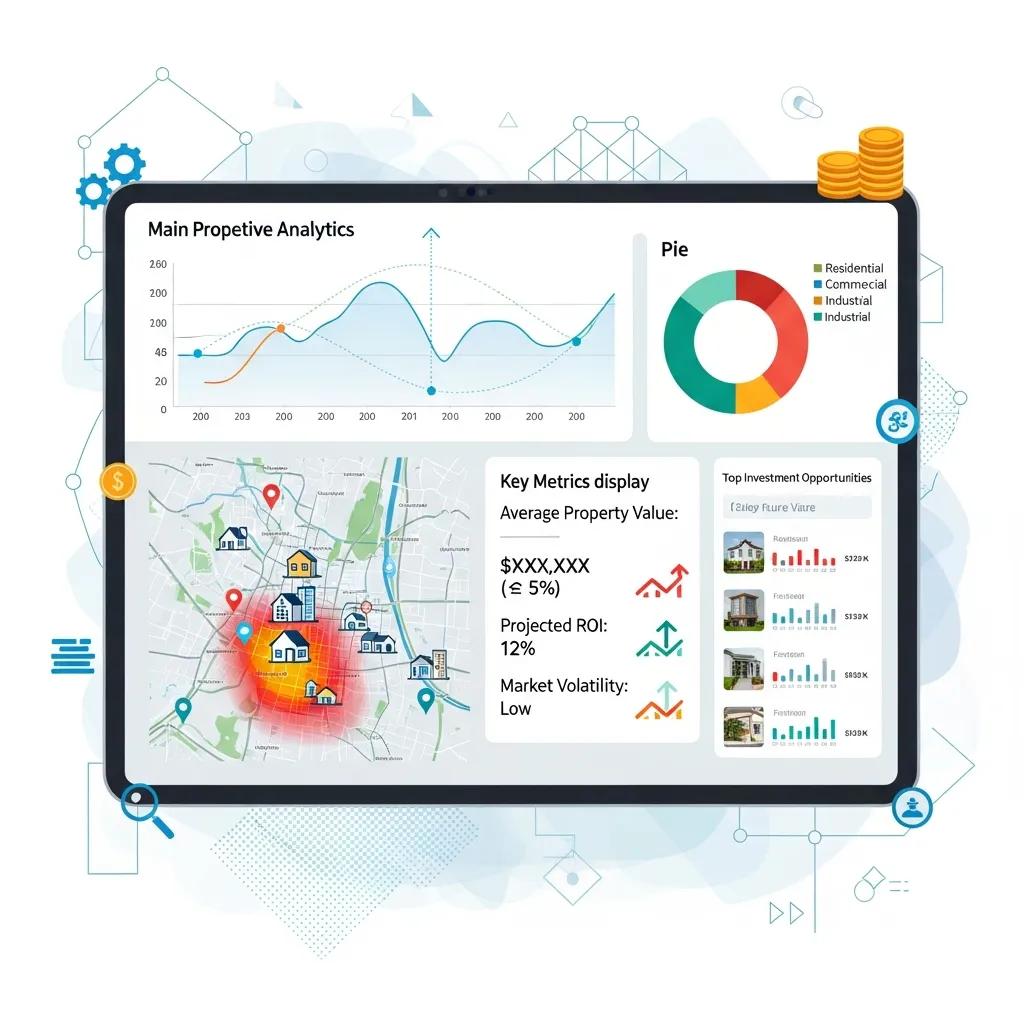
Predictive analytics combines historical data and machine learning to forecast where values, rents, and demand are headed. By spotting patterns in pricing, rental trends, and local demographics, these models highlight neighborhoods likely to appreciate and flag emerging risks. That clarity helps investors time purchases and allocate capital with greater confidence.
In what ways is AI improving property valuation and market analysis?
AI-driven valuation models pull in real-time listings, comparable sales, neighborhood indicators, and property characteristics to produce more consistent, objective appraisals. Where traditional methods rely on manual judgment, AI offers repeatable, data-rich valuations and clearer market context — useful for underwriting, pricing, and competitive analysis.
How is AI shaping future trends in real estate technology?
Advances in AI are pushing new efficiencies across marketing, operations, and asset management. Generative AI, automation, and connected building systems will change how properties are marketed, managed, and monetized — shifting the focus from routine tasks to higher-value strategic work.
What role will generative AI play in real estate marketing and lead generation?

Generative AI can produce tailored listings, ad copy, and outreach at scale by learning buyer preferences and behavior. That automation speeds campaigns and improves relevance, which drives higher engagement and conversion — freeing agents and marketers to focus on relationships and negotiations.
How will automation and smart buildings change property management?
Automation and smart building tech let managers monitor energy, security, and maintenance in real time and act before issues escalate. These systems cut operating costs, reduce downtime, and improve tenant satisfaction. As adoption grows, property teams will rely more on data and workflows that prioritize preventive maintenance and efficiency.
How can real estate investors use AI for faster, smarter financing?
AI is streamlining financing by accelerating underwriting, improving risk assessment, and surfacing market signals that inform funding decisions. That means faster access to capital and clearer visibility into deal viability.
How does AI speed hard money loan approvals and risk assessment?
AI can automate parts of underwriting by analyzing borrower profiles, property metrics, and market data to produce quick, consistent risk evaluations. For hard money lenders and borrowers, that translates to faster approvals, clearer terms, and reduced uncertainty — so investors can move on deals without unnecessary delay.
What are the benefits of AI-driven market insights for fix-and-flip strategies?
AI tools help flippers identify undervalued properties, estimate renovation ROI, and time exits to match local demand. By modeling costs, comps, and buyer trends, investors can prioritize projects with the best profit potential and avoid costly missteps.
What ethical and practical considerations should investors know about AI in real estate?
Widespread AI use raises practical and ethical issues investors must address. Data privacy, model transparency, and algorithmic bias can affect valuations and lending decisions. Practical barriers include tech costs and integration challenges. Thoughtful governance and vendor selection are essential.
How does AI affect data privacy and bias in real estate applications?
AI systems require large datasets, so maintaining compliance with privacy rules and protecting personal information is critical. Models can also inherit biases from their training data, leading to unfair or inaccurate outcomes. Investors should demand transparency, regular audits, and fair data practices from their AI partners.
What challenges do individual investors face when adopting AI?
Smaller investors may face upfront costs, a learning curve, and integration hurdles. Overcoming these requires targeted tools, reliable vendors, and a willingness to incorporate data-driven processes over time. Start small, validate tools on a few deals, and scale what works.
How does Fidelity Funding support AI-driven real estate investment strategies?
Fidelity Funding backs investors who use data and technology to move quickly. We provide clear loan terms, fast funding, and flexible programs that align with data-informed dealmaking — so qualified investors can act on opportunities flagged by AI tools.
What makes Fidelity Funding’s hard money loans a fit for AI-informed investors?
Our hard money loans combine speed and flexibility, which pairs well with insights generated by AI. Fast approvals and adaptable loan terms let investors close quickly when models identify high-opportunity deals, giving them an edge in competitive markets.
How can investors get started with Fidelity Funding’s fast, flexible loan programs?
Begin on our website to review loan options and requirements. The application is straightforward and focuses on key documentation to determine eligibility. We aim to make financing predictable and accessible so you can concentrate on executing your investment strategy.
AI offers practical tools that strengthen investing workflows — from sourcing and valuation to financing and asset management. By understanding these applications and choosing partners who move quickly, investors can use AI to improve outcomes. Fidelity Funding stands ready to provide the financing that complements data-driven strategies.
Frequently Asked Questions
What risks come with using AI in real estate?
AI can mislead if it relies on poor or incomplete data, and biased models can produce unfair results. Regulatory gaps and privacy risks also exist. To manage these risks, use reputable providers, audit model outputs, and maintain human oversight of final decisions.
How can small investors take advantage of AI technologies?
Small investors can use off-the-shelf AI tools for market scans, automated valuations, and lead generation to compete with larger firms. Start with low-cost pilots that answer a specific question — for example, which neighborhoods show the best short-term appreciation potential — and scale from there.
Which AI tools are available to real estate professionals?
Common tools include predictive forecasting platforms, automated valuation models, AI-enabled CRMs for lead scoring, virtual tour generators, and chatbots for client engagement. Choose tools that integrate with your workflows and provide transparent, auditable outputs.
How does AI change tenant screening and property management?
AI streamlines tenant screening by analyzing financial and rental histories to highlight reliable applicants, and it helps property managers prioritize maintenance through automated monitoring. These tools speed decisions and improve tenant satisfaction when used responsibly.
What long-term effects will AI have on real estate jobs?
Some routine tasks will be automated, but new roles will emerge around data, analytics, and technology management. Professionals who learn to interpret AI insights and manage digital systems will be in high demand.
How can investors promote ethical AI use in their practices?
Prioritize vendors who publish model documentation, perform bias testing, and follow privacy standards. Regularly audit AI outputs, keep human review in the loop, and insist on transparent data practices to build trust with clients and regulators.
Conclusion
AI is a practical force in real estate — improving valuation, speeding financing, and uncovering market opportunities. Investors who combine thoughtful AI adoption with flexible financing can move faster and reduce risk. Fidelity Funding offers loan programs designed to support data-driven investors — explore our options to see how we can help you act on AI-backed insights.