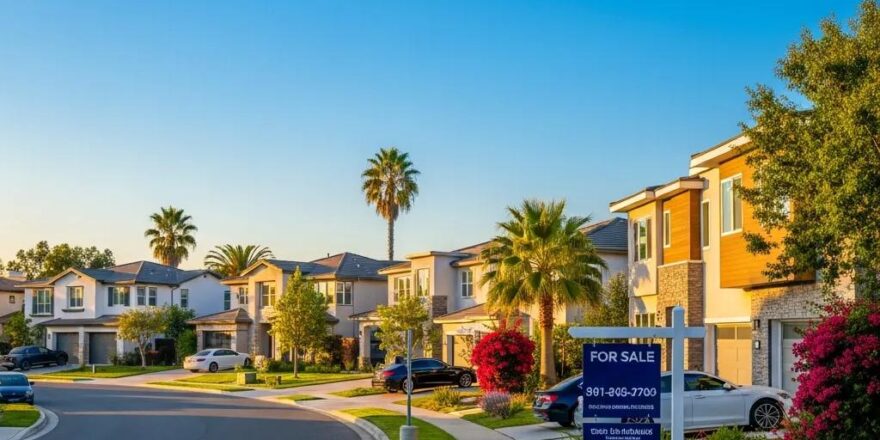


Analyzing Glendale Real Estate
Glendale, CA — 2025 Market Trends & Investment Analysis
Glendale’s real estate market in 2025 rewards investors who pair local market knowledge with fast, flexible financing. Below is a concise market snapshot—median price, appreciation, and competitiveness—and clear guidance on financing choices for buyers, flippers, landlords, and borrowers facing urgent timelines. You’ll see how home values and neighborhood traits affect leverage, which loan programs align with common strategies, and the step-by-step process a time-sensitive borrower should expect from application to funding. We explain LTV, ARV, terms, and documentation in straightforward, actionable terms so you can match deals to capital efficiently.
What Are the Current Glendale CA Real Estate Market Trends in 2025?
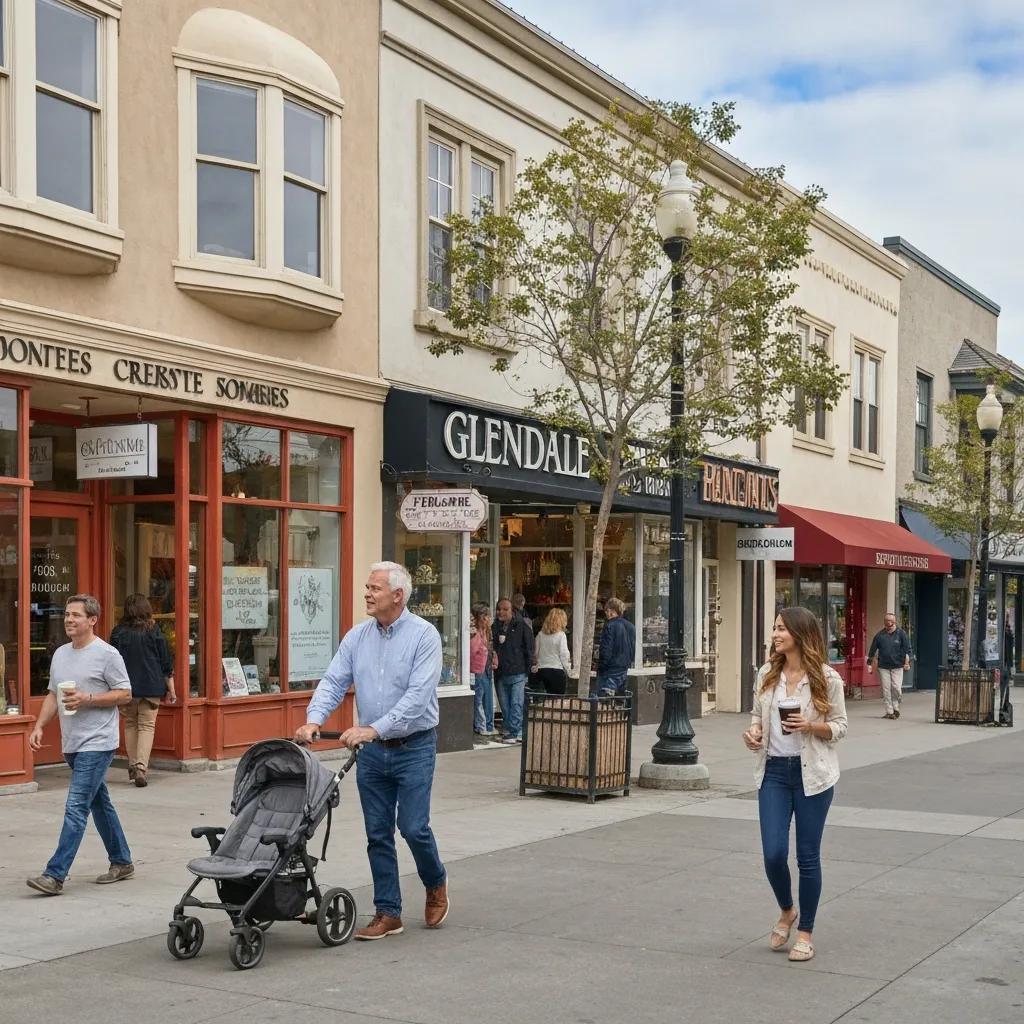
In 2025 Glendale shows steady price growth and low days on market—signs of persistent buyer demand against limited supply. That combination supports higher ARV assumptions for renovated homes but also tightens competition for entry-price acquisitions, which raises the value of fast-closing capital. Investors win when financing matches shorter hold periods and higher leverage on rehab-ready deals, while conservative LTVs help protect returns if the market softens. Reading these signals correctly guides your choice of loan terms and exit plan.
What Is the Median Home Price and Appreciation Rate in Glendale?
The median home price in Glendale for 2025 is about $1.15M with year-over-year appreciation near +6.5%, reflecting solid local demand and upward pricing pressure. Those figures lift ARV calculations—allowing larger rehab budgets when ARV-based lending is available—but they also compress cap-rate opportunities for long-term buy-and-hold plays. For investors, leverage choices should reflect current median pricing and realistic post-rehab comps to protect exit outcomes. Accurate comps and conservative contingency reserves are still essential when building pro forma and loan requests.
How Competitive Is the Glendale Housing Market?
Many Glendale submarkets remain seller-favoring: median days on market sit below regional averages and well-priced listings often draw multiple offers. Fast closings and proof of funds or lender pre-approval materially improve offer success, favoring buyers with access to bridge or hard-money capital. Tactical recommendations for investors: prepare concise deal packages, be ready to shorten due-diligence windows when appropriate, and prioritize lenders that value equity and speed over traditional credit metrics—those moves reduce time-to-close in competitive situations.
- Key signs Glendale is competitive:
Lower days on market than the broader region.
Regular multiple-offer rounds on desirable listings.
Price recoveries that reward quick rehabs and fast exits.
These dynamics make financing speed and a clear exit plan critical to winning and profiting from local deals.
Why Is Glendale CA a Prime Location for Real Estate Investment?
Glendale pairs proximity to major Los Angeles job centers with neighborhood retail, transit access, and steady rental demand—ingredients for durable housing and small-commercial demand. Employment density, transit corridors, and ongoing local development support both short-term flips and longer-term rental plays. That mix allows investors to use different strategies: short rehabs in appreciation pockets and buy-and-hold in stable-rent areas. For lenders, this profile often favors ARV-focused underwriting and moderate loan terms that support efficient rehab exits.
What Economic Factors Drive Glendale’s Real Estate Growth?
Concentrated employment near commercial corridors and good regional transit access increase housing demand, while infill and smaller-scale development push valuations higher. Local amenities—retail, dining, and cultural venues—draw both owner-occupiers and renters, keeping occupancy strong and rents steady. Demographics show a meaningful renter segment, supporting multi-family and small commercial returns. These drivers suggest investors should favor financing that supports staged value creation and realistic holding-period assumptions.
- Economic drivers and investor implications:
Job access → steady renter demand and lower vacancy risk.
Local development → upside for repositioned assets.
Amenities → stronger ARV potential for renovated properties.
These attributes align with financing that values collateral equity and supports short-to-medium hold periods.
Which Glendale Neighborhoods Offer the Best Investment Opportunities?

Downtown Glendale, Rossmoyne, and Verdugo Woodlands each offer distinct opportunities: Downtown favors mixed-use and small commercial conversions; Rossmoyne supports higher-value single-family rehabs; Verdugo Woodlands fits buy-and-hold or modest flips. Property types range from downtown condos and small multifamily to detached single-family homes in Rossmoyne and garden-style rentals in Verdugo Woodlands. Matching loan products to neighborhood strategy—short-term fix-and-flip loans for fast rehabs, longer hard-money holds for rentals—improves the odds of a successful exit.
- Neighborhood strategy matches:
Downtown Glendale: mixed-use deals and commercial hard money for repositioning.
Rossmoyne: single-family fix-and-flip financing where ARV windows are wider.
Verdugo Woodlands: buy-and-hold financing or longer-term hard money for rental conversions.
These targeted pairings help investors and lenders align financing and underwriting to each pocket of Glendale.
How Do Glendale CA Home Values Impact Real Estate Investment Decisions?
Home values set allowable leverage, ARV-driven rehab budgets, and acceptable loan hold periods. Higher median prices raise ARV ceilings but also increase acquisition and carrying exposure, shifting risk calculations for lenders and borrowers. Underwriting will typically adjust LTV and reserve requirements by property type and neighborhood trajectory; single-family resale markets may allow higher ARV assumptions, while commercial deals often need stricter DSCR or collateral coverage. Investors must align purchase price, projected ARV, and chosen loan program to protect the exit.
What Are the Historical and Forecasted Property Appreciation Rates?
Recent appreciation of about +6.5% YOY reflects a multi-year uptrend in Glendale, and short-term forecasts expect moderate continued growth absent major macro shocks. Historical gains make ARV estimates more confident for rehab projects, but sensible contingency buffers remain necessary to cover cost overruns. Run sensitivity scenarios that assume slower appreciation so exits still work under conservative ARV cases—this preserves lender confidence and lowers the risk of forced sales.
| Property Type / Neighborhood | Median Price / Value Band | Typical Investor Strategy |
|---|---|---|
| Downtown Glendale | Mid-to-high price tier | Mixed-use rehab, short hold |
| Rossmoyne | High price tier | Fix-and-flip with ARV focus |
| Verdugo Woodlands | Moderate price tier | Buy-and-hold rental, light rehab |
How Do Different Property Types Affect Investment Potential in Glendale?
Single-family homes usually suit straightforward fix-and-flip or buy-and-hold plays with ARV-driven rehab budgets. Multi-family buildings prioritize cash flow and typically require DSCR-style underwriting. Commercial and mixed-use assets need income-focused analysis and often favor longer terms. Land and construction projects carry higher execution risk and need construction loans with staged draws. Picking loan products that match property type reduces hold-time risk and improves underwriting alignment.
- Property-type to loan-product mapping:
Single-family flips → short-term fix-and-flip loans with ARV underwriting.
Multi-family rentals → DSCR or income-focused financing for steady cash flow.
Commercial/mixed-use → commercial hard money with income and collateral emphasis.
These distinctions shape budgeting, term selection, and lender choice for Glendale investments.
What Hard Money Loan Options Are Available for Glendale Real Estate Investors?
Hard money and private lending in Glendale span purchase loans, fix-and-flip financing, foreclosure bailouts, seconds, commercial hard money, DSCR loans, and P&L-based approvals—each targeted to specific deal traits. Programs differ by LTV/ARV exposure, term length, payment structure, and documentation needs, so investors should match the loan purpose (acquisition, rehab, bailout) to expected hold period and exit to optimize cost and risk.
How Do Fidelity Funding’s Fast Loan Programs Support Glendale Investors?
Fidelity Funding offers program-level solutions for time-sensitive deals: initial approvals in 24 hours and closings in as little as 5–7 days when the deal package and collateral are in order. Underwriting prioritizes property equity over exhaustive tax returns or strict credit thresholds, enabling faster decisions based on LTV and ARV metrics. Representative parameters include terms from 12–60 months, rates starting at 6.99% interest-only, and LTV/ARV policies up to 70% LTV (75% case-by-case) with ARV allowances near 85–90%—and, in select cases, 100% of rehab costs. Required documents focus on the deal package: property details, photos, scopes of work, and basic borrower ID and asset information.
| Loan Type | Attribute (LTV / ARV / Term / Speed / Interest) | Value |
|---|---|---|
| Fix & Flip | Up to 70% LTV; ARV up to 85–90%; 12–24 months; approvals in 24 hours; rates from 6.99% IO | Fast rehab exits |
| Purchase Loan | Up to 70% LTV; term 12–60 months; closings 5–7 days case-by-case | Quick acquisitions |
| Foreclosure Bailout | Case-by-case LTV; expedited underwriting; 24-hour approval when urgent | Time-sensitive rescue financing |
What Are the Key Requirements and Terms for Glendale Hard Money Loans?
Hard money underwriting centers on clear collateral, a concise deal package, and a transparent exit plan rather than exhaustive tax returns or credit history. Typical documentation includes government ID, the purchase contract or current loan statements, property photos, a scope of work and rehab budget, and proof of equity or source of funds for down payment. Interest is commonly interest-only with short maturities or balloon payments; fees can include origination and appraisal charges. Precise documentation and conservative ARV assumptions speed approvals and reduce conditions at closing.
- Common checklist for rapid approvals:
Borrower ID and basic asset documentation.
Purchase contract or current loan statements.
Rehab scope, contractor estimates, and ARV comps.
Submitting a complete package upfront minimizes underwriting questions and supports the fastest funding timelines.
How Can Investors Navigate the Glendale Real Estate Loan Approval Process?
A clear approval pipeline reduces time-to-close on competitive deals. Optimize submissions around the lender’s decision drivers—collateral equity, realistic ARV, and a documented exit—and you’ll trim days from the timeline. Know each step, typical timing, and common underwriting pivots so you can prioritize actions that speed approval. Efficient communication and prepared documentation are often the difference in multiple-offer situations. Use the practical step-by-step framework below to accelerate funding.
What Are the Typical Steps from Application to Funding?
- Initial Inquiry: Share basic property facts and intended strategy.
- Submit Deal Package: Provide ID, purchase contract, rehab scope, photos, and comps.
- Underwriting & Appraisal: Lender verifies value, ARV, and equity.
- Conditional Approval: Terms issued and final documents prepared.
- Closing & Funding: Title, signing, and disbursement complete.
Submission → Underwriting → Approval → Closing is the practical flow that gets capital out the door.
| Approval Step | Who/What/Typical Timeframe | Value |
|---|---|---|
| Application | Borrower submits deal package | Enables 24-hour initial review |
| Underwriting | Lender verifies ARV, LTV, and documents | Determines approval conditions |
| Closing | Title and signing finalize funding | Enables disbursement in 5–7 days |
How Does Fidelity Funding Address Common Investor Concerns?
We address investor concerns by putting property equity and deal economics first—rather than rigid credit or tax-return rules—which helps borrowers with non-traditional income documentation. Speed is a priority: 24-hour approvals and 5–7 day closings for clear packages support foreclosure bailouts and competitive acquisitions. In urgent scenarios, accelerated underwriting focuses on collateral and a documented exit. Case-by-case exceptions—higher LTVs or full rehab funding—depend on deal strength and precise documentation.
- How Fidelity Funding mitigates concerns:
Credit vs. equity: property value carries greater weight than credit history.
Speed: structured processes aim for 24-hour approvals on complete packages.
Property eligibility: broad acceptance of property types when ARV comps support the case.
These practices reduce friction for investors who need quick, equity-driven financing in Glendale.
What Are the Best Strategies for Investing in Glendale’s Top Neighborhoods?
Winning neighborhood strategies pair local market realities with the right financing and a clear exit. In high-demand pockets, speed and certainty in offers win deals; in steady rental areas, match financing to cash-flow goals. Build playbooks by neighborhood that define target property types, acceptable purchase ranges, rehab budgets, and preferred loan products. That discipline helps you allocate capital and choose the right deals across Glendale’s micro-markets.
How to Invest Successfully in Downtown Glendale Real Estate?
Downtown Glendale is rich with mixed-use and condo opportunities that respond well to quick repositioning. Target short holds backed by fast-capital or small commercial hard money when the plan includes storefront or unit upgrades. Example: a small mixed-use purchase with facade and interior rehabs is a fit for commercial hard-money or purchase loans with ARV-focused underwriting and a 12–36 month hold. In competitive bids, a fast-closing financing plan increases offer appeal and lowers carry risk.
- Downtown tactics:
Prioritize quick-capital lenders to strengthen offers.
Use commercial hard money when income generation is part of the exit.
Prepare ARV comps that justify rehab budgets and lender LTV.
Link asset type to financing choice to support rapid, profitable repositioning.
What Makes Rossmoyne and Verdugo Woodlands Attractive for Property Investment?
Rossmoyne’s higher-value single-family stock often yields larger ARV windows for skilled rehabs, making it ideal for fix-and-flip financing with fuller rehab budgets. Verdugo Woodlands’ moderate price bands and steady rental demand suit buy-and-hold strategies using longer-term hard money or DSCR products for income exits. In both areas, conservative ARV assumptions and contingency reserves reduce volatility and ensure your loan program covers likely hold and rehab durations.
- Neighborhood takeaways:
Rossmoyne → strong for value-add flips with ARV-focused loans.
Verdugo Woodlands → suited to rental conversions and longer holds.
Both require clear comps and rehab plans to secure favorable terms.
| Neighborhood | Typical Property Type | Recommended Loan Match |
|---|---|---|
| Downtown Glendale | Condos, mixed-use | Commercial hard money / purchase loans |
| Rossmoyne | Single-family | Fix-and-flip loans with ARV underwriting |
| Verdugo Woodlands | Small multi / single-family | Long-term hard money / DSCR loans |
- Prepare complete deal packages with ARV comps and rehab scopes.
- Choose loan products that align with neighborhood exit strategies.
- Maintain contingency reserves to protect exits in slower markets.
Frequently Asked Questions
What financing options are best for first-time investors in Glendale?
First-time investors often benefit from hard money loans because they provide quick capital and focus on the property’s value rather than the borrower’s credit profile. These loans can get deals closed faster, which matters in competitive markets. Also explore local assistance programs or first-time buyer incentives that may lower entry costs. Know each product’s terms so you pick financing that matches your exit and cash-flow plan.
How can investors assess the risk of investing in Glendale’s real estate market?
Assess risk by reviewing historical appreciation, local employment trends, vacancy and rent data, and neighborhood-level comps. Factor in macro variables like interest rates and regional job growth. Run downside scenarios—slower appreciation, higher rehab costs, longer vacancy—to test exits. Talk with local brokers and use data tools to validate assumptions before you commit capital.
What role do local amenities play in real estate investment decisions in Glendale?
Local amenities—schools, parks, transit, and retail—drive demand and support higher rents and resale values. Properties near strong amenities typically show lower vacancy and faster appreciation. Prioritize assets where the amenity mix aligns with your target renter or buyer demographic to maximize occupancy and long-term value.
How do zoning laws affect real estate investment opportunities in Glendale?
Zoning determines permitted uses, density, and redevelopment potential, so review local zoning to understand what you can build or convert. Mixed-use zones may offer upside for commercial-residential projects, while restrictive zoning can limit expansion. Consult planning departments early to uncover potential changes or variances that could affect a deal’s feasibility.
What are the tax implications of investing in Glendale real estate?
Taxes include property tax based on assessed value and potential deductions for mortgage interest, depreciation, and operating expenses. California’s Proposition 13 limits annual tax increases, which can benefit long-term holdings. Work with a tax advisor experienced in California real estate to structure ownership for tax efficiency and to understand local assessments or transfer taxes that may apply.
What are the common pitfalls to avoid when investing in Glendale real estate?
Common mistakes include underestimating rehab costs, skipping thorough market research, and over-leveraging. Don’t rely on optimistic ARV scenarios—build contingency buffers. Pay attention to neighborhood trends and maintenance obligations. Use local professionals and complete due diligence to avoid surprises that erode returns.
Conclusion
Glendale’s 2025 market presents real opportunities for investors who pair local insight with fast, appropriate financing. Know the trends, match loan products to neighborhood strategy, and prepare complete deal packages to move quickly when good deals appear. Use these insights to refine your underwriting and choose financing that supports your exit. Contact us or explore our resources to find the financing that fits your Glendale investment goals.