


Blockchain in Real Estate: How It’s Changing Transactions and Unlocking New Investment Opportunities
Blockchain is changing how industries operate — and real estate is no exception. This article outlines practical applications for blockchain in property markets: how it can tighten security, automate routine steps, and create new kinds of investments. You’ll get a clear look at how the technology works and where it can make a difference in buying, selling, financing, and investing in real estate. With ongoing pain points like slow processes and limited transparency, blockchain offers tools that can speed closings, reduce friction, and protect ownership records. We’ll cover the basics of blockchain, the power of smart contracts, how tokenization enables fractional ownership, and what decentralized finance (DeFi) could mean for property lending.
What Is Blockchain Technology and How Does It Apply to Real Estate?
Blockchain is a decentralized digital ledger that records transactions across many computers in a way that’s transparent and hard to alter. In real estate, that creates a reliable record of ownership and transaction history, which helps lower fraud risk. Because all participants can view the same ledger, trust rises and miscommunication falls. By reducing some middlemen, blockchain can shorten timelines, lower certain costs, and make routine tasks more predictable — benefits that matter to buyers, sellers, lenders, and investors.
Fidelity Funding is a private hard money lender based in California. We focus on clear loan terms and fast funding to help real estate investors move quickly. Our loan programs are designed for investors who need timely, reliable financing tailored to property deals.
How Does a Distributed Ledger Enhance Property Transactions?
A distributed ledger gives everyone a shared, auditable record of a property’s status. That single source of truth cuts down on disputes and mistakes because transactions are recorded in real time and can be verified independently. For example, when a sale posts to the ledger, buyers, sellers, and lenders can all confirm ownership and the transaction trail instantly. The result: shorter closes, fewer surprises, and more confidence among participants.
How Do Smart Contracts Automate and Secure Property Deals?
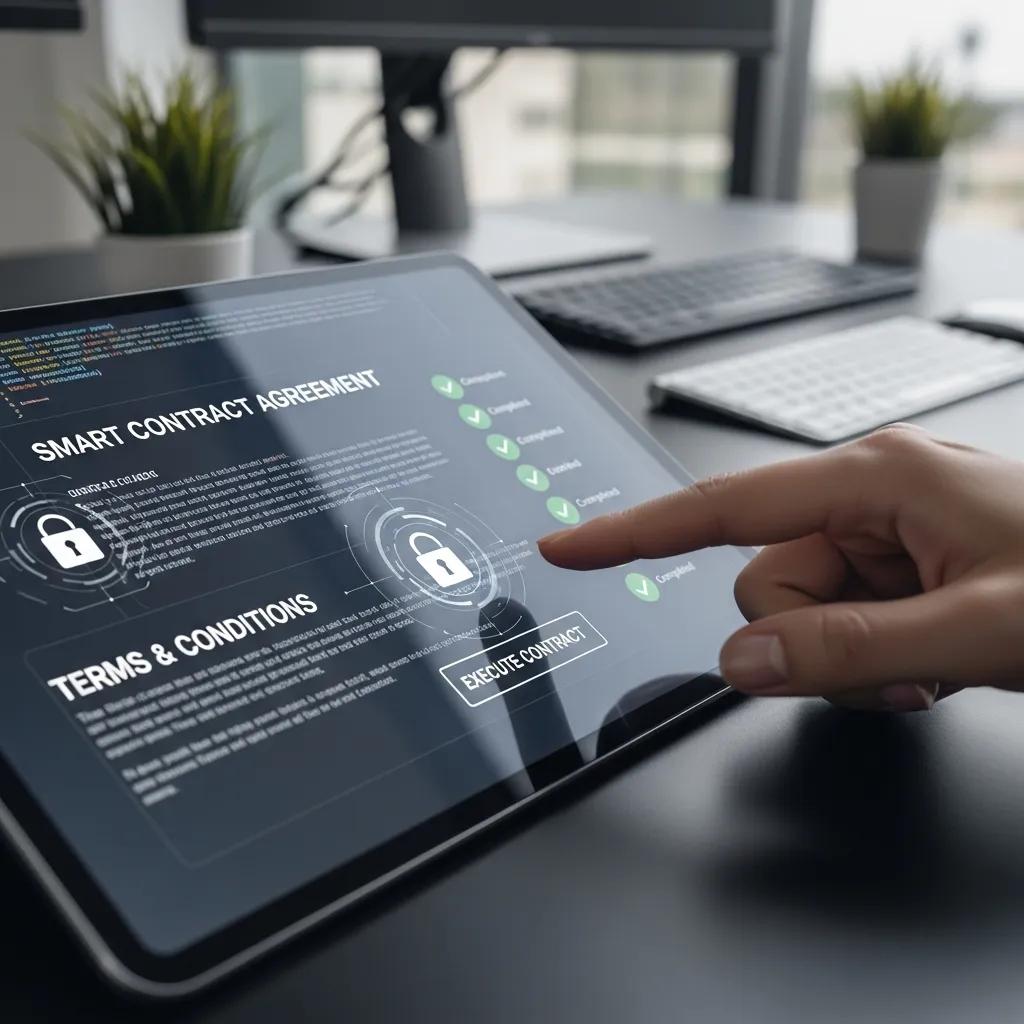
Smart contracts are code-based agreements that run automatically when predefined conditions are met. In real estate, they can trigger transfers or payments once contract terms are satisfied — for example, releasing funds when a title transfer is confirmed. That automation reduces manual steps, cuts human error, and removes some intermediaries, making transactions faster and more reliable.
What Are the Benefits of Smart Leases and Automated Payments?
Smart leases streamline routine lease administration. Automated rent collection ensures on-time payments, while transparent records reduce disputes. Smart leases can also include dynamic clauses — for instance, automatic rent adjustments tied to agreed benchmarks — which adds flexibility for both landlords and tenants.
What Legal Considerations Affect Smart Contract Adoption?
Smart contracts face legal and regulatory questions that vary by jurisdiction. Not all places treat code-based agreements the same, and enforcement can depend on how clearly terms are defined. Lawmakers and industry groups are working on frameworks to bridge gaps between smart contracts and existing legal systems. For anyone using this technology, understanding local rules and building clear, auditable contract logic is essential.
What Is Real Estate Tokenization and How Does It Enable Fractional Ownership?

Tokenization turns property interests into digital tokens that represent shares of an asset. That lets multiple investors own fractions of a building or portfolio without committing the full purchase price. Tokenization can increase liquidity and open access to higher-value deals for smaller investors, broadening who can participate in real estate investing.
How Does Tokenization Increase Market Liquidity and Accessibility?
With tokenized assets, investors can trade ownership shares on blockchain platforms, which makes entering and exiting positions easier and faster. That flexibility attracts a wider set of investors and lowers the capital barrier for participation, helping diversify the investor base for many properties.
Which Platforms Support Tokenized Property Investments?
Several platforms provide the infrastructure for tokenized real estate, offering interfaces for buying, selling, and managing digital ownership. These platforms differ in user experience, compliance support, and security. Investors should compare features and protections to choose the platform that best fits their goals and risk tolerance.
How Does Blockchain Improve Efficiency, Security, and Transparency in Real Estate?
Blockchain can materially improve transaction efficiency, data security, and transparency. An immutable, shared ledger reduces fraud risk and makes it easier to verify histories. That streamlining often leads to faster transactions and lower operational overhead, which benefits buyers, sellers, lenders, and service providers.
How Do Digital Land Registries and Immutable Records Reduce Fraud?
Digital land registries on blockchain create permanent, tamper-resistant ownership records. Because entries require consensus to change, it’s much harder for bad actors to alter titles or fabricate claims. Jurisdictions that pilot digital registries report fewer disputed claims and stronger buyer confidence.
What Role Does Blockchain Play in Due Diligence and Property Verification?
Blockchain brings clarity to due diligence by giving buyers and their advisors access to an auditable property history — ownership transfers, liens, and recorded events. That visibility reduces the time and cost of verification and helps buyers make informed decisions faster.
What Impact Will Blockchain Have on Real Estate Financing and Investment?
Blockchain and DeFi tools are poised to change how real estate is financed and invested. They can simplify lending workflows, introduce new credit channels, and create investment vehicles based on tokenized assets and programmable contracts. As these tools mature, they’ll enable more flexible and accessible financing options.
How Could Decentralized Finance Reshape Mortgage and Loan Processes?
DeFi could remove some intermediaries and offer more direct lending channels. Borrowers might access loans on blockchain platforms with streamlined approval and disbursement. That can reduce costs and provide alternative lending structures that better match borrower needs — though integration with traditional systems and regulatory compliance remain critical.
What Future Investment Opportunities Arise from Blockchain-Powered Real Estate?
Blockchain makes room for new investment forms: fractional ownership, tokenized portfolios, and novel financing structures. As the market evolves, investors should expect more liquid, modular ways to gain exposure to property, plus creative blended products that combine real estate cash flow with blockchain-native features.
This table highlights how blockchain’s core features translate into concrete benefits for real estate — from stronger transaction integrity to faster, lower-friction deals.
Ultimately, blockchain is positioned to reshape parts of the real estate lifecycle by improving transparency, strengthening security, and enabling new investment models. As the industry adopts these tools, property financing and investing should become more accessible and efficient — creating opportunities for both traditional and new-market participants.
Frequently Asked Questions
What are the challenges of implementing blockchain in real estate?
Adoption hurdles include regulatory uncertainty, the cost and complexity of integrating legacy systems, and the lack of standardized industry practices. Many jurisdictions still need clear legal frameworks for blockchain-based records and contracts. Legacy processes and stakeholders used to traditional workflows can resist change, and education is needed across the industry. Addressing these issues requires coordinated regulation, technical standards, and stakeholder buy-in.
How does blockchain affect property appraisal processes?
Blockchain can improve appraisals by supplying reliable historical data — past sales, renovations, and ownership changes — that appraisers can access quickly. Smart contracts can automate parts of the appraisal workflow, reducing manual error and ensuring consistent consideration of verifiable records. Overall, blockchain can help make valuations more accurate and repeatable.
What are the environmental impacts of blockchain technology in real estate?
Environmental concerns mostly relate to energy use on proof-of-work blockchains. Many platforms are moving to less energy-intensive consensus models like proof-of-stake, which dramatically reduce consumption. Blockchain can also support sustainability by tracking energy usage and carbon data for properties, helping owners and investors make greener choices.
How can blockchain enhance tenant-landlord relationships?
Blockchain can improve transparency and reduce disputes by recording rent payments, lease terms, and maintenance agreements on a shared ledger. Smart contracts automate recurring actions like rent collection and enforce agreed terms, which reduces misunderstandings and speeds resolutions. Tenants and landlords both benefit from clearer records and faster, automated processes.
What role does blockchain play in international real estate transactions?
For cross-border deals, blockchain simplifies record keeping and payment flows by providing a consistent, auditable ledger across jurisdictions. It can ease currency transfers and streamline verification when different legal systems are involved, though legal recognition and local compliance remain important considerations for international transactions.
How does blockchain influence real estate market trends?
Blockchain promotes transparency and fractional access, which can broaden investor participation and shift demand dynamics. Tokenization opens investing to smaller investors, potentially increasing liquidity and changing who invests in which assets. Combined with faster transaction mechanics, these shifts can accelerate market activity and influence pricing over time.
Conclusion
Blockchain is already influencing real estate by improving transparency, security, and operational efficiency. Tools like smart contracts and tokenization offer practical ways to streamline transactions and unlock new investment models. For investors and industry professionals, understanding these changes and preparing for integration will be key to taking advantage of the next wave of real estate innovation. Explore our resources to learn how these technologies might fit your investing and financing strategies.