


BRRRR Method Explained: Your Complete Guide to Buy, Rehab, Rent, Refinance, Repeat — Fast Financing for Investors
The BRRRR method — Buy, Rehab, Rent, Refinance, Repeat — is a proven pathway for investors who want to grow cash flow and recycle capital efficiently. This guide breaks down each step, the advantages they deliver, and how fast, tailored financing can keep deals moving. Many investors stall on funding or renovations; understanding the BRRRR sequence and the right loan products helps you close faster, finish renovations on budget, and pull equity out to fund the next acquisition. Below we cover the five BRRRR stages, how hard money and other loan types fit, refinancing strategies for rentals, and practical ways to avoid common pitfalls.
What Is the BRRRR Method and How Does It Benefit Real Estate Investors?
BRRRR is a repeatable investment process: buy a discount property, rehab it to raise value, lease it to tenants, refinance to recover cash, then repeat with the next purchase. Because you convert renovation work into higher property value and then extract that value through refinancing, you can grow a rental portfolio without continually tapping new cash. In short: BRRRR helps you build equity, create recurring income, and put your capital back to work faster.
What Are the Five Steps of the BRRRR Strategy?
- Buy: Purchase a property below market value — commonly found through distressed listings, auctions, or motivated sellers.
- Rehab: Complete targeted renovations to improve marketability and raise the property’s after-repair value (ARV).
- Rent: Place quality tenants to establish steady rental income and prove the property’s cash flow.
- Refinance: Refinance based on the new appraised value to pull out invested capital or take cash out for the next deal.
- Repeat: Deploy the returned capital into the next acquisition to scale your holdings and cash flow.
Executed correctly, BRRRR lets you keep reinvesting the same dollars while growing both equity and income streams.
How Does BRRRR Help Build Equity and Recycle Capital?
BRRRR builds equity by turning improvement dollars into a higher ARV — the key metric lenders use at refinance. That higher valuation lets you refinance and recover much or all of your original cash investment. Repeating this cycle accelerates portfolio growth: you continually convert renovated properties into new buying power. Investors who manage budgets, timelines, and tenant placement carefully typically see faster scaling and stronger returns while controlling risk.
How Do Hard Money Loans Support the Buy and Rehab Phases of BRRRR?
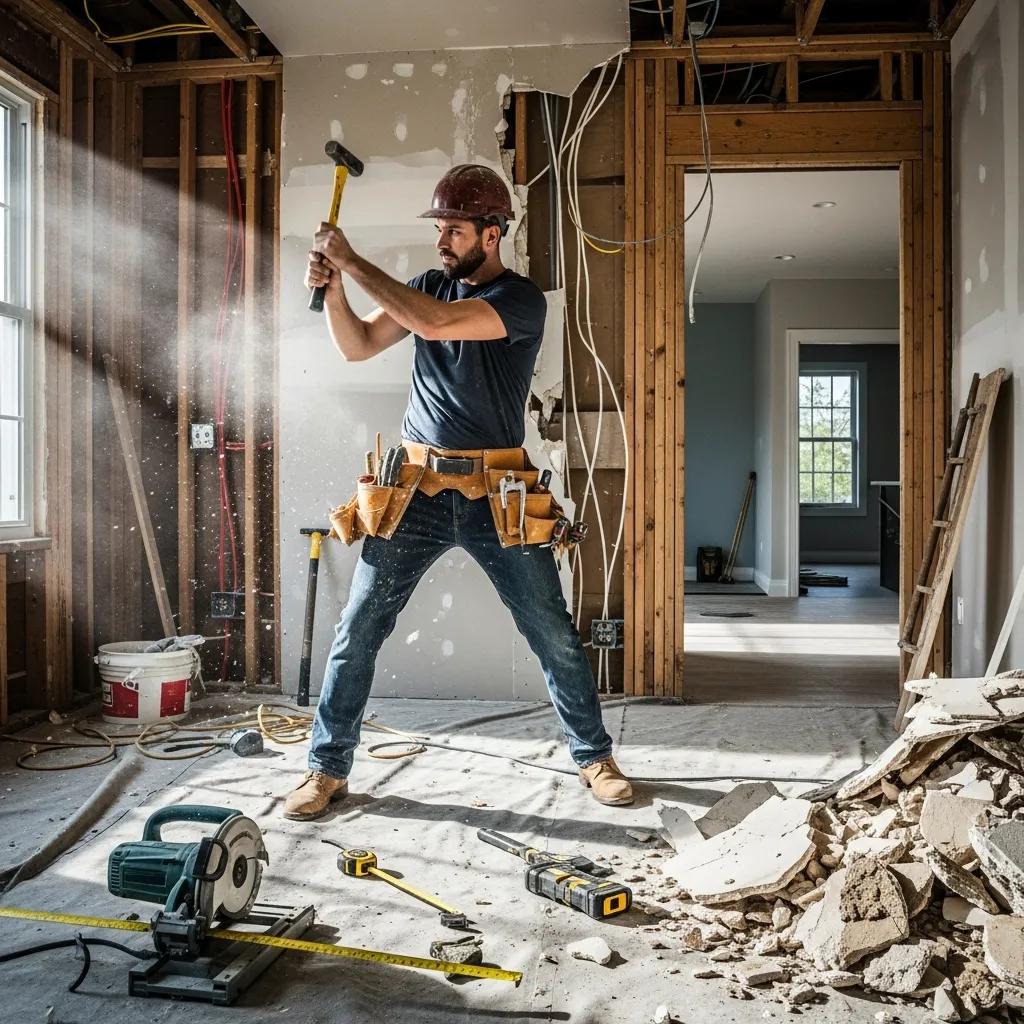
Hard money loans are short-term, asset-based loans that free investors from the slower requirements of bank underwriting. They’re especially useful for the Buy and Rehab phases because they close quickly and are sized around property value and project scope rather than strict borrower income tests.
What Are Hard Money Loans and Why Are They Ideal for BRRRR Acquisition?
Hard money lenders focus on the collateral — the property and its ARV potential — rather than only credit scores or tax returns. That makes them ideal when speed matters or when a property needs significant work. Quick approvals and fast funding let you win competitive deals and start renovations immediately, which is often the difference between landing a profitable BRRRR opportunity and losing it.
How Does Fidelity Funding’s Fix and Flip Financing Facilitate Renovations?
Fidelity Funding structures fix-and-flip loans to cover acquisition and renovation costs while you rehab the property. These loans are built around the project’s equity and timeline, giving you the capital to complete value-add work quickly. With flexible draws and a lender experienced in rehab cycles, you can finish on schedule and position the property for lease and refinance without unnecessary delays.
What Are the Best Financing Options for Renting and Refinancing in the BRRRR Process?
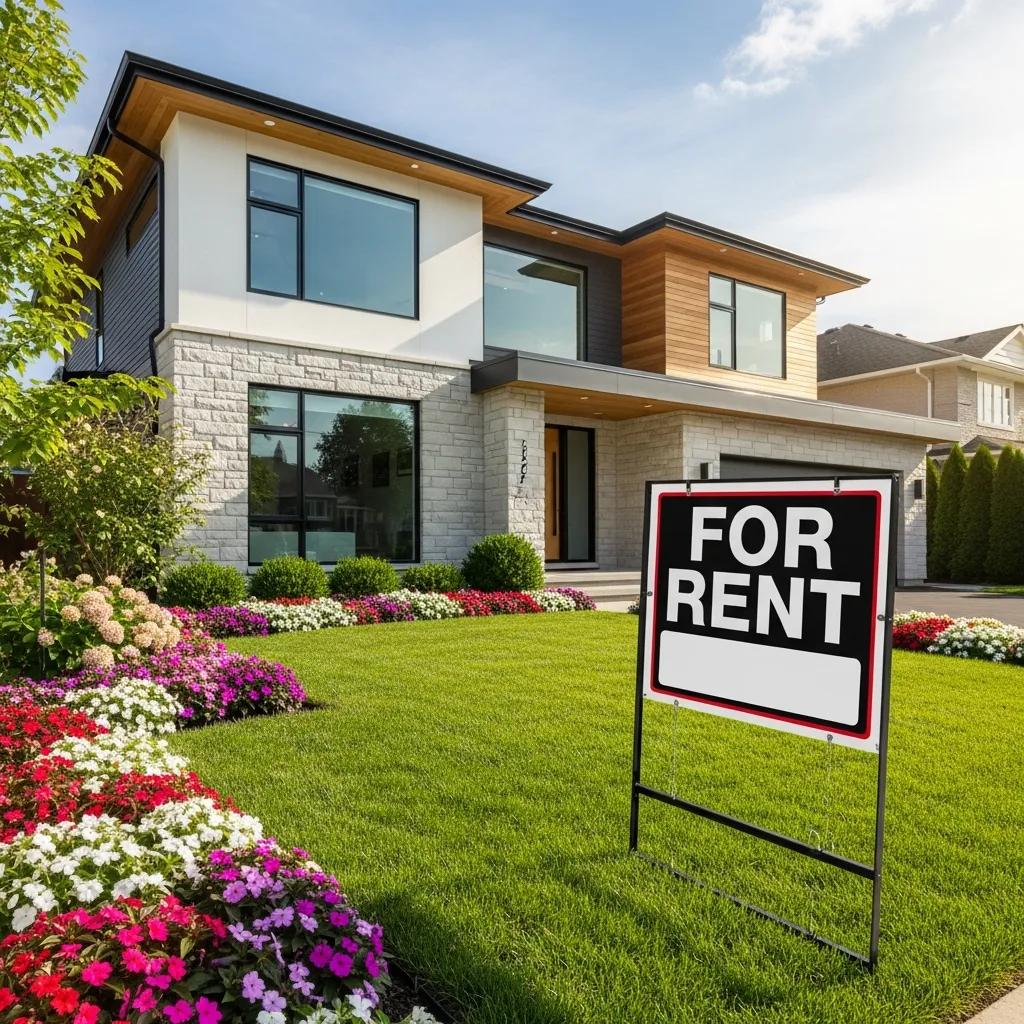
For the Rent and Refinance phases, the right loan depends on your goals: stabilize cash flow, pull equity, or lower your cost of capital. Common solutions include DSCR loans for rental underwriting and conventional/refinance products that let you extract equity once the property is stabilized.
How Do DSCR Loans Enable Cash-Out Refinancing for Rental Properties?
DSCR (Debt Service Coverage Ratio) loans assess the property’s rental income to determine borrowing capacity, rather than relying solely on personal income. That allows investors to refinance and take cash out based on demonstrated rental performance. For BRRRR investors, DSCR loans are a practical way to monetize stabilized cash flow and fund additional acquisitions.
What Are the Benefits of Using Refinance Loans to Extract Equity?
Refinance loans let you convert post-rehab appreciation into liquid capital without selling the asset. Benefits include pulling out funds for the next deal, potentially locking in lower rates, and improving monthly cash flow. When you refinance strategically, you preserve portfolio growth while maintaining ownership of performing rentals.
Which Fidelity Funding Loan Programs Are Tailored for Each BRRRR Stage?
Fidelity Funding offers programs that align with each BRRRR stage — from purchase and rehab to rental refinancing — so investors can access the right capital at the right time.
How Do Purchase Loans and Bailouts Accelerate Time-Sensitive Deals?
Our purchase loans are designed for speed, helping you close acquisition windows quickly. Bailout financing steps in for deals that need rescue funding — covering unexpected shortfalls or allowing you to take over distressed opportunities that require fast capital to preserve the deal’s economics.
What Loan Terms and LTV Ratios Does Fidelity Funding Offer for BRRRR Investors?
Fidelity Funding provides competitive term options and loan-to-value (LTV) structures tailored to BRRRR strategies. We size loans around project equity and ARV, offering flexibility so you can buy and rehab without overleveraging. Understanding those terms helps you plan exits and ensure each refinance supports your growth targets.
What Are the Common Challenges Investors Face with BRRRR and How Can They Be Overcome?
BRRRR offers strong upside but requires disciplined execution. Common challenges include funding delays, renovation overruns, tenant vacancies, and refinancing shortfalls. Addressing each with the right lender, realistic budgets, and a solid rental plan reduces risk and keeps the cycle moving.
How Does Fidelity Funding Address Credit and Speed Concerns?
Fidelity Funding emphasizes property equity and project viability over rigid credit hurdles, which helps investors with imperfect credit access needed capital. We also prioritize turnaround speed — approvals and funding can occur in as little as five to ten business days when files are complete — so you don’t miss time-sensitive opportunities.
What Property Eligibility and Foreclosure Timeline Issues Should Investors Know?
Property eligibility varies by program — condition, title status, and local foreclosure timelines all matter. Being aware of these constraints helps you select the right loan and avoid surprises. Fidelity Funding provides eligibility guidance and timeline clarity so you can evaluate deals with confidence.
How Can Investors Successfully Repeat the BRRRR Cycle to Grow Their Portfolio?
Repeating BRRRR successfully boils down to repeatable processes: find the right deals, control rehab costs and timelines, place reliable tenants, and refinance with predictable outcomes. Over time, a disciplined approach compounds — more equity, more cash flow, and faster acquisition velocity.
What Strategies Support Scaling and Capital Recycling in BRRRR?
To scale, prioritize properties with clear upside, tighten renovation budgets, create reliable leasing systems, and use refinance proceeds to fund new purchases. Track your metrics — ARV, rehab ROI, vacancy rates, and refinance timing — and use those numbers to sharpen acquisition criteria and repeat profitable deals.
How Do Fidelity Funding’s Flexible Loans Enable Continuous Investment?
Our flexible loan options are built to keep investors moving: acquisition financing that closes quickly, rehab draws that match construction needs, and refinance pathways that unlock equity. That flexibility helps you maintain momentum and capitalize on each stage of the BRRRR cycle.
Frequently Asked Questions
What types of properties are best suited for the BRRRR method?
BRRRR works best on properties you can buy below market and add value to — think foreclosures, short sales, or homes needing cosmetic or structural fixes. Markets with strong rental demand make the strategy more reliable because higher rents improve refinance and cash-flow outcomes. Always run comps and verify local rental demand before you buy.
How can investors determine the after-repair value (ARV) of a property?
Estimate ARV by comparing recently sold, renovated properties (comps) in the same neighborhood and adjusting for size, condition, and features. Use local agent or appraiser input for accuracy. A realistic ARV underpins your rehab budget and refinance assumptions, so don’t rely on optimistic estimates.
What are the risks associated with the BRRRR method?
Risks include market downturns that reduce ARV, renovation cost overruns, longer-than-expected vacancy periods, and refinance shortfalls. Mitigate these by building contingency reserves, vetting contractors, setting conservative ARV projections, and choosing lenders experienced with BRRRR timelines.
How important is property management in the BRRRR process?
Property management is central. Good management keeps occupancy high, maintenance costs predictable, and tenants satisfied — all of which protect cash flow and property value. If you don’t want to manage day-to-day operations, professional management can preserve returns and reduce headaches.
What financing options are available for investors with poor credit?
Investors with lower credit scores can often access hard money loans, private lending, or partner-funded deals where the partner’s credit is used. These options typically prioritize property value and project feasibility over personal credit history. Each has trade-offs in cost and terms, so evaluate them in the context of your exit plan.
How can investors effectively market their rental properties?
Market rentals with professional photos, clear floor plans, competitive pricing, and listings on major rental platforms. Highlight local amenities, update listings frequently, and respond quickly to inquiries. Screening for reliable tenants and providing clear lease terms reduce turnover and protect cash flow.
Conclusion
The BRRRR method is a practical way to scale a rental portfolio while recycling capital and building equity. With disciplined rehab, reliable tenancy, and the right financing at each stage, investors can accelerate growth without continually adding new cash. Fidelity Funding offers lending solutions designed to match every BRRRR phase — from fast purchase loans to rehab draws and refinance options — so you can keep moving from one deal to the next. Ready to scale? Explore the loan options that fit your strategy and keep your BRRRR cycle turning.