


California Renovation Permits: A Practical Guide for Investors and Homeowners
Renovating property in California means navigating local rules, state codes, and inspections — and those steps matter whether you’re an investor flipping a house or a homeowner improving your space. This guide walks you through which projects typically need permits, how to apply, the key building-code updates to watch, and practical financing options. Knowing the process up front helps you avoid surprises, reduce delays, and keep renovation costs under control. We’ll cover permit triggers, application paperwork, code considerations, funding choices, and what to expect at inspections.
Which Renovations Require California Building Permits?
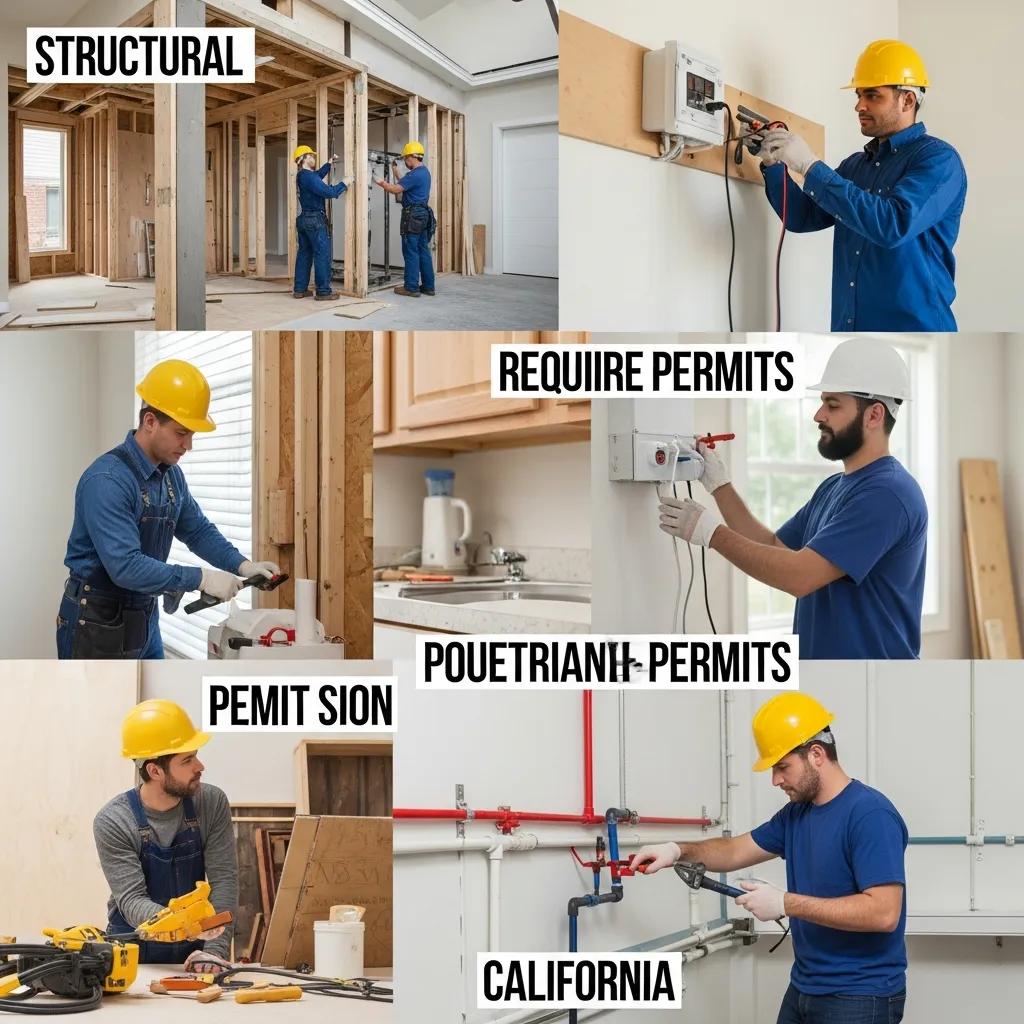
In California, many types of renovation work require a permit to make sure the project meets safety and local regulations. Knowing which projects trigger permitting helps you avoid fines, stop-work orders, or costly rework down the line.
Which Home Renovation Permits Are Needed in California?
Permits are commonly required for projects that affect safety, structure, or building systems. Typical permit-required projects include:
- Structural Changes: Any modifications to load-bearing walls, beams, or the foundation.
- Electrical Work: Adding or altering wiring, panels, or major electrical systems.
- Plumbing Changes: New plumbing runs, relocated fixtures, or major pipe work.
- Roofing: Full roof replacements or substantial roof repairs.
- Additions: Expanding the home’s footprint — rooms, decks, or other permanent additions.
Each permit type usually requires plans and specifications submitted to the local building department for review before work can start.
What Are Common Exemptions from California Remodel Permits?
Some small or cosmetic jobs may be exempt from permitting in many jurisdictions. Common examples include:
- Minor Repairs: Cosmetic work like painting, trim, or replacing flooring (when no structural work is involved).
- Fences: Fences below a locally specified height (often around 7 feet, but check your city or county rules).
- Landscaping: Routine landscaping that doesn’t change grading, drainage, or include tall retaining walls.
Even if a project appears exempt, unpermitted work can create problems during resale or insurance claims — when in doubt, check with your local building department.
How to Navigate the California Construction Permit Process Step-by-Step
The permit process can feel complex, but it follows predictable steps. Preparing accurate plans and working with the right professionals speeds approval and helps avoid costly revisions.
What Documents Are Required for California Building Permit Applications?
Most permit applications require a core set of documents, such as:
- Completed Application Form: Project and property details as required by the local jurisdiction.
- Site Plans: Drawings that show the project location, setbacks, and relationship to property lines.
- Construction Plans: Architectural drawings that define scope, dimensions, and materials.
- Structural Calculations: Required for projects that alter structural elements or require engineered solutions.
Accurate, complete submissions reduce review cycles and speed up permitting.
How Do Local and State Building Codes Affect Permit Applications?
State codes (Title 24) set the baseline standards for safety, energy, and accessibility, while local jurisdictions may add or interpret rules differently. Non-compliance with either level can delay approval or force design changes. Always confirm local requirements early in the design process and coordinate with your permitting office to align plans with both state and local codes.
Because local amendments and enforcement practices vary, early conversations with city or county plan reviewers help avoid surprises during plan check.
Key Residential Building Codes in California That Affect Renovations
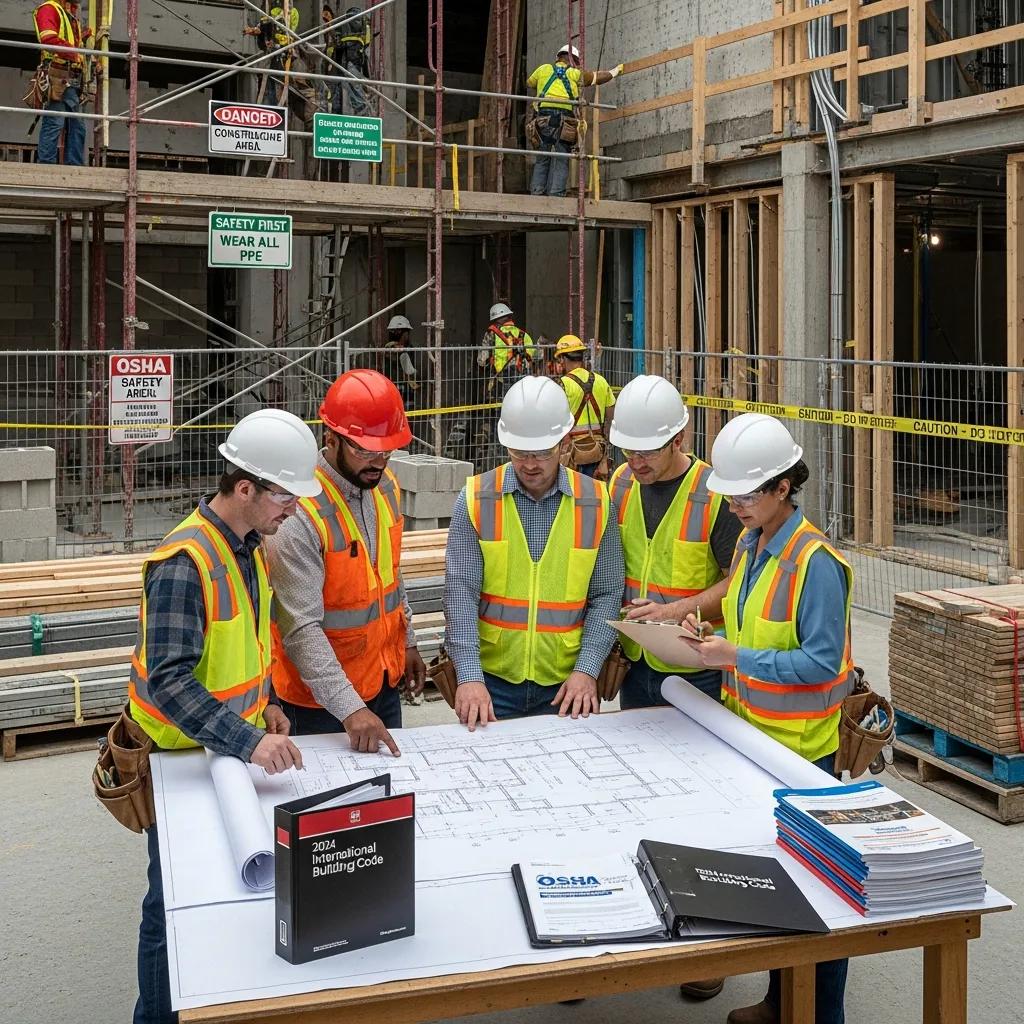
California’s codes are focused on safety, structural soundness, energy efficiency, and resiliency. Familiarity with the rules that apply to your project is essential to pass plan review and inspections.
What Is the California Building Standards Code and Its Role?
The California Building Standards Code (Title 24) sets mandatory minimums for construction across the state — covering structural requirements, fire and life safety, accessibility, and energy performance. Compliance with Title 24 is required for permitted work and helps ensure projects are safe, durable, and energy-efficient.
What Are the Important 2023–2024 Code Updates for Property Renovations?
Recent code changes emphasize efficiency, seismic safety, and sustainability. Key updates include:
- Energy Efficiency Improvements: Tighter standards for insulation, windows, and energy systems to reduce long-term operating costs.
- Seismic Safety Enhancements: Strengthened criteria for retrofits and structural upgrades in older buildings.
- Sustainability Measures: Increased focus on durable, low-impact materials and construction practices.
Staying current with code updates helps you plan smarter, avoid rework, and capture long-term value from upgrades.
How Financing Can Support Your Permitted Renovation Projects in California
Permits, plan checks, and compliance work add to project costs. Knowing financing options lets you cover permit fees, carry costs, and unexpected items without stalling the schedule.
How Do Hard Money Loans Facilitate California Renovation Permits?
Hard money loans are a common choice for real estate investors and homeowners who need fast, property-secured financing for renovation work. These loans move quickly and can cover construction, permitting, and related expenses. Fidelity Funding offers hard money options with flexible terms designed for renovation timelines and project needs.
What Funding Strategies Cover Permit Fees and Unexpected Costs?
Prudent budgeting includes a mix of financing and reserves. Typical approaches include:
- Contingency Funds: Reserve a percentage of the budget for unexpected issues discovered during construction.
- Hard Money Loans: Quick-access, asset-backed financing to keep projects moving.
- Home Equity Lines of Credit (HELOC): Using existing equity for larger homeowner-funded projects.
Combining a contingency with a reliable financing source reduces the risk of work stoppage when surprises arise.
What to Expect During Post-Permit Inspections and Compliance in California
Once permits are issued, inspections verify that work matches approved plans and meets code. Clear communication with inspectors and contractors keeps the process efficient.
How Are Building Inspections Scheduled and Passed in California?
Inspections are typically scheduled through your local building department. Inspectors review work at required milestones — framing, electrical, plumbing, final, etc. To pass, ensure the inspected work matches the approved plans, safety measures are in place, and corrections from previous inspections have been completed. Timely responses to inspection notes speed project closeout and issuance of final approvals.
How Does Cal/OSHA Ensure Safety Compliance During Renovations?
Cal/OSHA enforces worker safety rules on construction sites. Compliance — from fall protection to safe work practices — is mandatory. Violations can mean fines or project delays, so contractors and owners should prioritize safety planning and documentation throughout the job.
This summary highlights common permit triggers and frequent exemptions. Use it as a starting point, but always verify rules with your local building department before beginning work.
Understanding California’s permitting landscape is a key part of successful renovations. By knowing which projects require permits, preparing accurate documentation, and accounting for applicable building codes — plus arranging reliable financing — you can keep projects on schedule and avoid surprise costs. If you need flexible renovation financing, Fidelity Funding can help connect you with options tailored to your timeline and scope. Start planning early, lean on local reviewers for clarity, and keep communication open between owners, contractors, and inspectors for the smoothest outcome.
Frequently Asked Questions
What is the timeline for obtaining a renovation permit in California?
Timelines vary by jurisdiction and project complexity. Simple permits can clear in a few weeks; larger projects with engineered plans and multiple reviews can take several months. Submit complete plans and talk to your local plan-check staff to get a realistic schedule for your project.
Can I start my renovation before receiving a permit?
No. Beginning work before permits are issued can lead to fines, required removal of unpermitted work, and problems at sale or refinancing. Always wait for permit approval or written authorization from your local building department before starting construction.
What should I do if my permit application is denied?
Review the denial notice to understand the issues — common reasons include missing documents or code conflicts. Address the reviewers’ comments, revise your plans, and resubmit. If needed, ask about the appeals process or consult a design professional to resolve complex code or design questions.
Are there any fees associated with the permit application process?
Yes. Fees typically include application, plan-review, and inspection fees, and they vary by project size and local jurisdiction. Factor these costs into your budget and request a fee estimate from your local building office early in planning.
How can I ensure my renovation complies with local zoning laws?
Start by checking zoning rules for your property with the local planning department. Zoning affects setbacks, height limits, allowed uses, and parking requirements. Consulting a local architect or zoning specialist before submitting plans can prevent costly redesigns.
What happens if I fail a building inspection?
If an inspection fails, the inspector will list deficiencies that must be corrected. Address those items promptly and schedule a re-inspection. Leaving issues unresolved prolongs the project and increases costs, so coordinate quickly with your contractor to correct items.
Can I appeal a decision made by the building department regarding my permit?
Yes — most jurisdictions offer an appeals process. Follow the local procedure to file an appeal or request an administrative review. For complex disputes, consider engaging a professional familiar with local code interpretations to support your case.
Conclusion
Navigating California’s renovation permits takes planning, clear documentation, and attention to code updates. Learn what requires a permit, prepare complete plans, budget for fees and contingencies, and choose financing that fits your timeline. With the right preparation and local guidance, you’ll reduce delays, control costs, and complete a compliant, high-quality renovation.