
California ADU Laws & Investment Opportunities — Fast Financing and Practical Legal Guidance for Property Investors
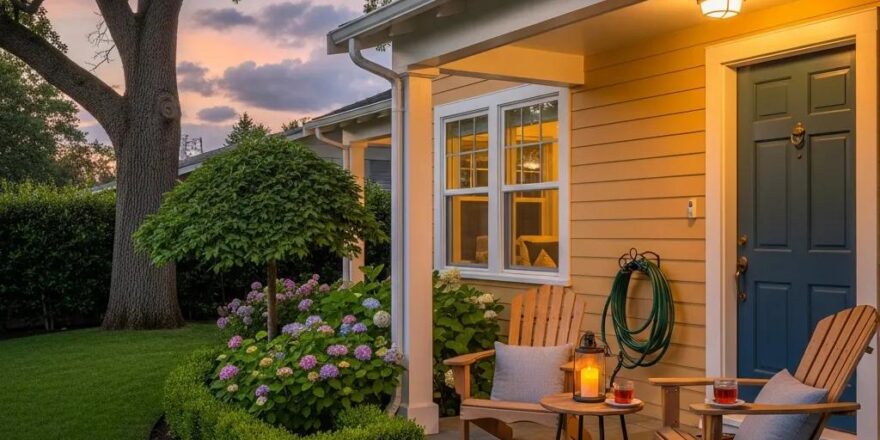
Accessory Dwelling Units (ADUs) are a practical way for California homeowners and investors to add value and produce steady rental income. This guide breaks down the latest ADU laws, financing paths, and investment considerations so you can move confidently. We’ll cover recent legislative updates, how hard‑money and other loans can fund ADU builds, the upside of ADU ownership, and the steps to secure financing with Fidelity Funding.
What are the latest California ADU laws investors need to know?
California has passed several laws to make ADU development more feasible and predictable for property owners. Key bills — including AB 1033, SB 9, and AB 68 — have reshaped zoning and permitting to encourage more ADUs across many communities.
How do AB 1033, SB 9, and AB 68 speed up ADU projects?
AB 1033 can remove parking requirements for ADUs located within a half mile of public transit, easing development in transit‑oriented areas. SB 9 enables the subdivision of single‑family lots in ways that can support multiple units on a parcel. AB 68 shortens review time by requiring local agencies to act on ADU applications within 60 days, helping investors move from plan to build faster.
What permit and zoning rules apply to ADU development in California?
Building an ADU requires following local permit and zoning rules. Generally, an ADU must remain secondary to the main residence, meet local building codes, and observe height and setback limits. Municipalities may also set size and type restrictions, so check local ordinances early in planning to avoid surprises.
How can you finance a California ADU with hard money loans?

Hard money loans are a practical option when speed and flexibility matter. Secured by the property, these short‑term loans deliver capital quickly and are well suited for time‑sensitive ADU builds or renovations.
What are Fidelity Funding’s fast hard money loan programs for ADU construction?
Fidelity Funding offers hard money products crafted for ADU construction with streamlined approvals and flexible terms. Our programs support a variety of project sizes and timelines, with competitive loan‑to‑value options so you can secure funding and keep your project on schedule.
How do fix-and-flip and refinance loans support ADU investments?
Fix‑and‑flip loans are useful if you’re renovating a property and adding an ADU to increase resale value. Refinance loans let owners access equity to fund ADU construction, which can be a cost‑effective way to finance expansion while preserving cash flow.
What are the investment benefits and expected ROI from California ADUs?
ADUs offer multiple financial benefits: added rental income, higher overall property value, and improved cash flow. For many investors, the combination of steady rent and long‑term appreciation makes ADU projects financially attractive.
How do ADUs lift property value and generate rental income?
Adding an ADU creates an independent living space you can rent long‑term or use for short‑term stays where allowed. That new rental stream helps cover mortgage and operating costs while the property’s market value typically rises with the added square footage.
What tax advantages and depreciation benefits apply to ADU investors?
ADU owners can often deduct construction and operating expenses, including mortgage interest, property taxes, and eligible repairs. Depreciation for the ADU portion of the property can further reduce taxable income, improving after‑tax returns. Consult a tax professional to apply deductions correctly for your situation.
Which ADU types are available and how do they affect development?
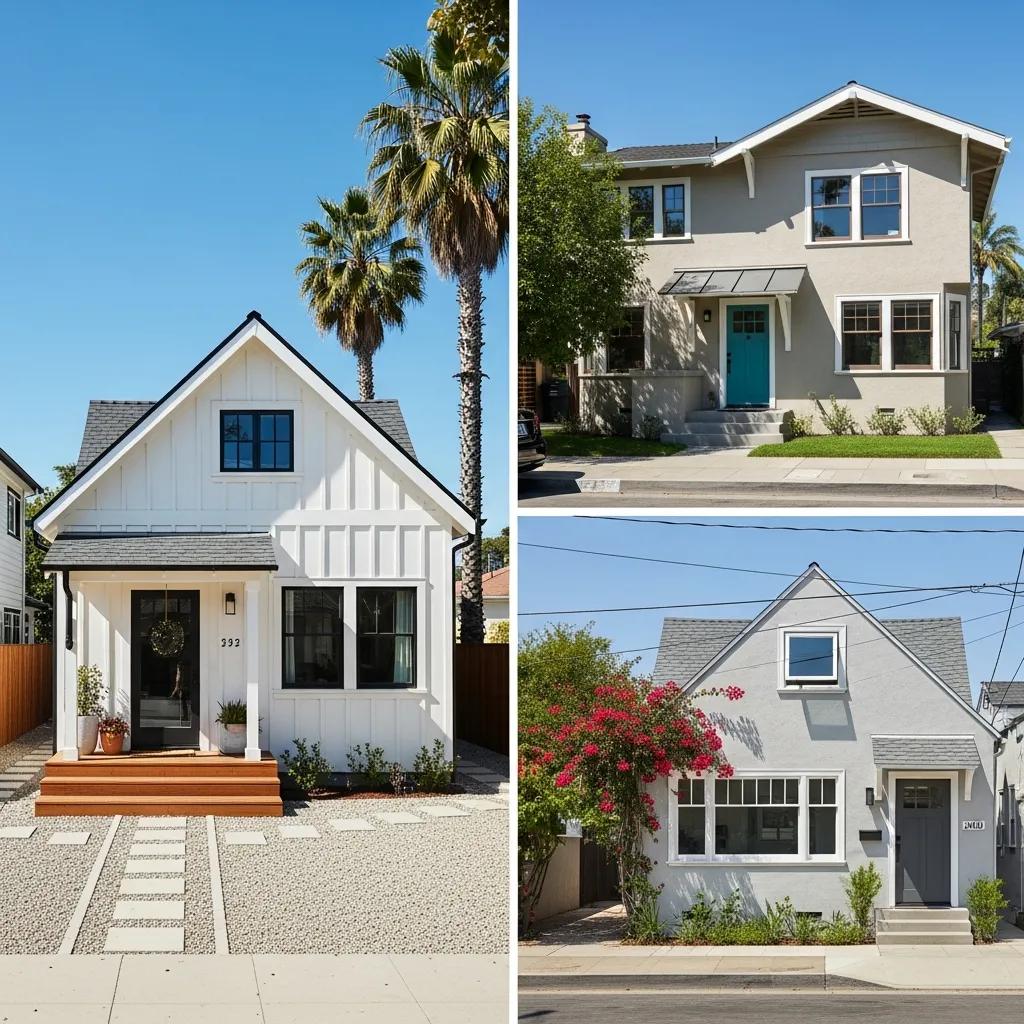
ADUs come in several forms, each with different construction, cost, and permitting implications. Knowing the distinctions helps you choose the right approach for your property and goals.
What are detached, attached, and junior ADU options in California?
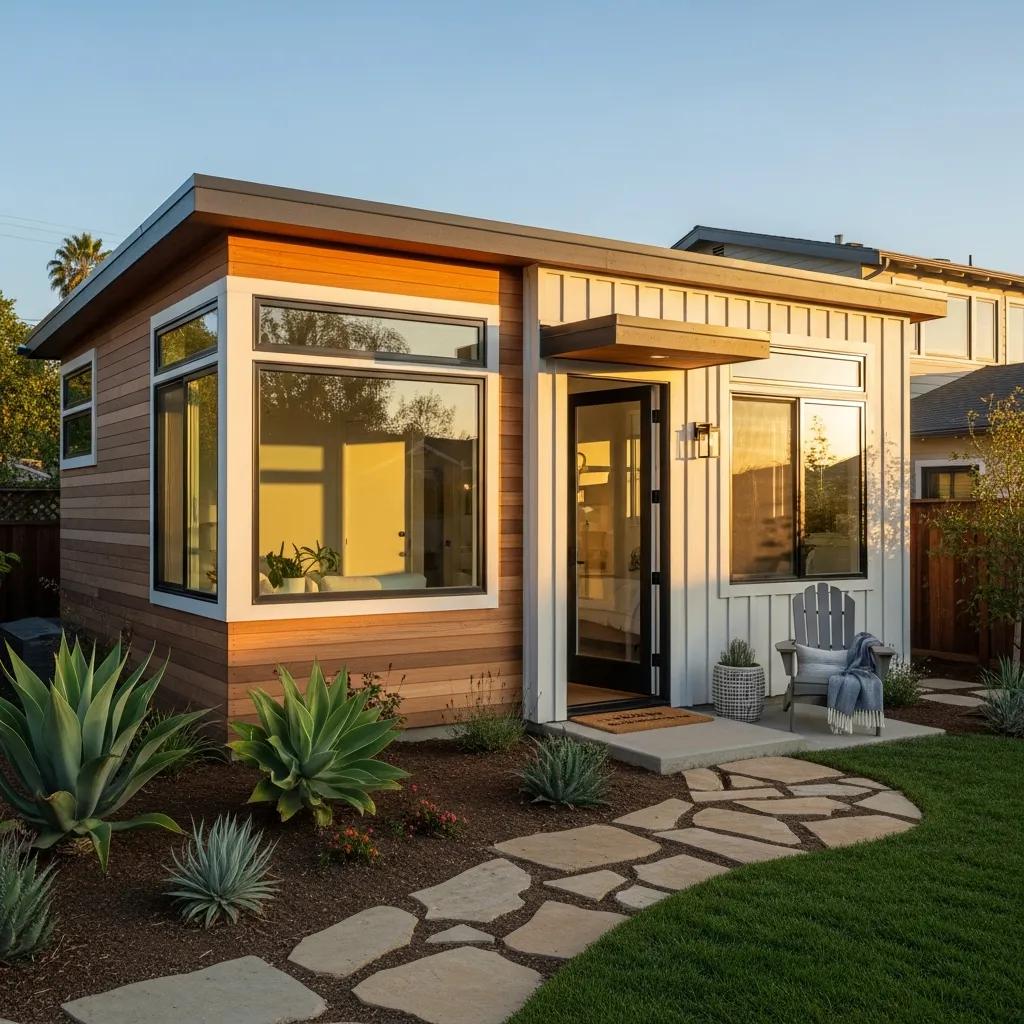
Detached ADUs are separate structures on the lot; attached ADUs are additions to the main house; junior ADUs are smaller units carved from existing space, such as a garage or basement. Each type has unique zoning and building requirements that affect design, cost, and permit timelines.
How do pre‑approved plans and construction costs affect ADU projects?
Using pre‑approved plans can shorten permit times and reduce design costs. Accurately estimating construction expenses — materials, labor, site work, and utility connections — is critical for budgeting. Complexity and site constraints are the biggest drivers of overall cost.
What are the steps to secure ADU financing with Fidelity Funding?
Fidelity Funding follows a clear, fast process to help investors get ADU projects financed: submit your project details, receive a timely review, and access funds quickly once approved.
How does the application, approval, and funding process work?
Start by providing basic property and project information. We review applications promptly and, when approved, disburse funds to keep your timeline intact. Our goal is to minimize delays so construction can begin as planned.
How does Fidelity Funding address common investor concerns like credit and speed?
We design hard money programs to be flexible on credit profiles and focused on speed. That means many borrowers with less-than-perfect credit can still qualify, and approved loans are funded quickly so you don’t lose momentum on your build.
Frequently Asked Questions
What are the zoning restrictions for ADUs in California?
Zoning rules vary by city and county. Typical restrictions cover size, height, setbacks, and whether a property can host a detached or attached ADU. Because local ordinances differ, check with your planning department early to confirm what’s allowed on your lot.
Can I convert an existing structure into an ADU?
Yes. Converting garages, basements, or other outbuildings into an ADU is common. The conversion must meet local building and safety codes and usually requires permits. Review local requirements and work with a contractor or architect experienced in ADU conversions.
What financing options are available besides hard money loans for ADUs?
Other options include traditional mortgages, home equity lines of credit (HELOCs), cash‑out refinances, FHA 203(k) renovation loans, and personal loans. Each option has trade‑offs in rate, term, and speed — choose the one that fits your timeline and financial goals.
How long does it typically take to build an ADU in California?
Construction time varies with design complexity and permitting. With permits in hand, typical build times range from about three to six months. Permit delays or site challenges can extend that timeline, so plan conservatively.
What are the maintenance responsibilities for ADU owners?
ADU owners are responsible for ongoing maintenance—landscaping, HVAC, plumbing, and electrical upkeep—just like any rental. If you lease the ADU, you must also follow landlord‑tenant laws and keep the unit habitable for occupants.
Are there any grants or incentives available for ADU construction in California?
Yes. Some cities and counties offer grants, rebates, or low‑interest loans to encourage ADU construction, and state programs may provide additional support. Availability varies by location, so research local housing programs and incentives early in your project.
Conclusion
ADUs offer a clear path to higher property value and reliable rental income in California. Understanding current laws, financing choices, and ADU types lets you plan a smarter, faster project. With the right financing partner and a solid plan, building an ADU can be a straightforward, profitable next step. Reach out to Fidelity Funding to discuss financing options for your ADU project.