

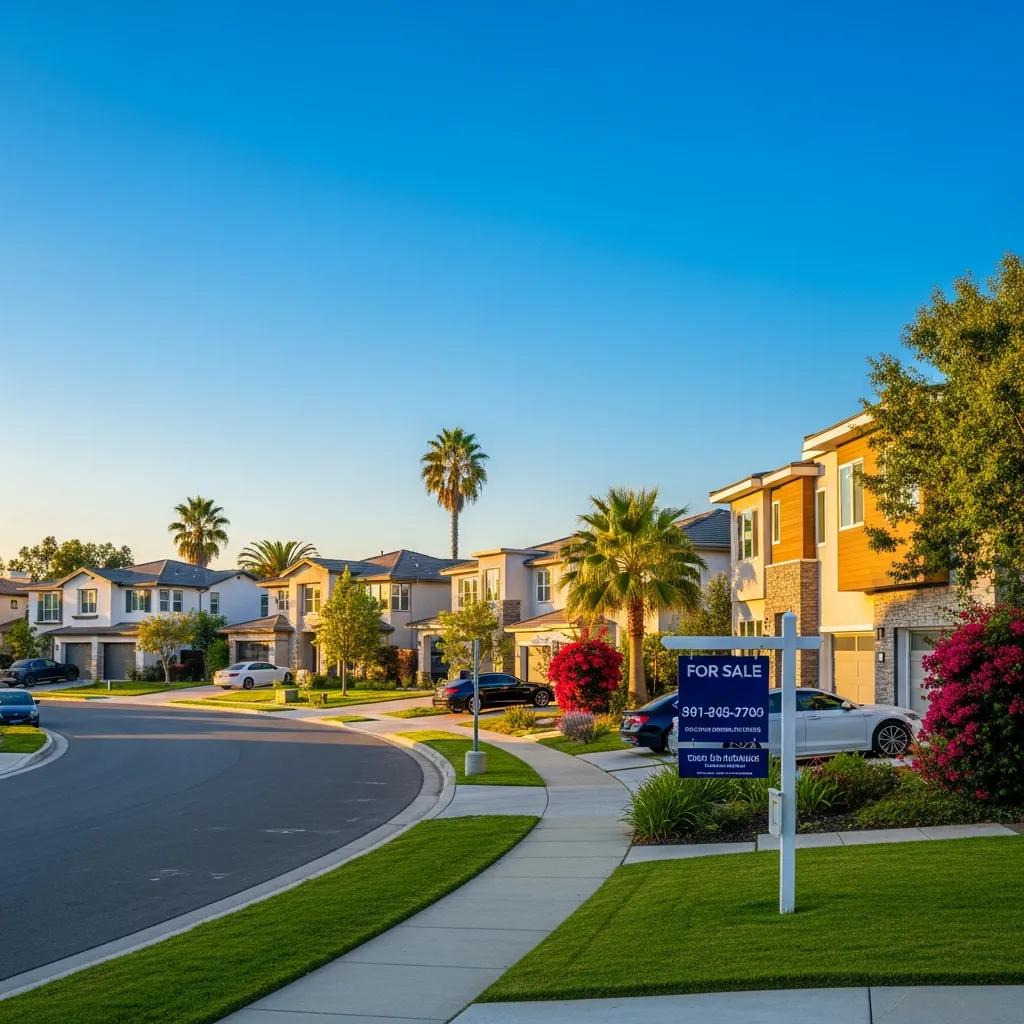
Emerging Southern California Real Estate Markets: Top Investment Areas and Financing Strategies for 2025
Southern California’s real estate picture is shifting — new neighborhoods are drawing interest from investors who want upside and steady cash flow. This guide breaks down what makes these markets promising, pinpoints neighborhoods to watch, and explains practical financing options, including hard money solutions. We review the economic and demographic signals behind demand, highlight rental dynamics, and show how the right capital strategy can accelerate deals. Throughout, you’ll find examples that show how investors turned local trends into profitable outcomes.
Why Southern California’s Emerging Real Estate Markets Look Strong in 2025
Several clear forces are making Southern California’s up-and-coming markets attractive: ongoing job creation across tech, media and logistics; steady renter demand; and constrained housing supply in many coastal submarkets. Together these trends put pressure on prices and rents in more affordable inland and transitional neighborhoods — creating room for appreciation and reliable rental income for investors who move thoughtfully.
How Economic Growth and Population Patterns Shape Opportunity
Economic growth shows up in hiring, development activity and rising consumer spending. Population gains are uneven — some inland and suburban areas are growing faster as people seek affordability and commuting alternatives. That uneven growth creates pockets of demand where investors can acquire assets before broader appreciation occurs. Spotting job corridors, transit improvements and new employers is a practical way to find those opportunities.
Why Rental Demand Remains Robust in Growth Areas
High ownership costs and lifestyle preferences keep many residents renting longer, fueling demand for quality rental units. Young professionals, families priced out of the coast, and workers near expanding job centers all boost competition for rentals. For investors, that means focusing on well-located, well-managed rental homes or multi-family units can deliver steady occupancy and income growth.
Which Neighborhoods and Regions Are Gaining Traction?
Knowing where to look matters. Emerging pockets across the Inland Empire, selected parts of Orange County, Los Angeles neighborhoods in transition, and targeted areas in San Diego County are all drawing investor attention for their balance of value and upside.
Investment Potential in the Inland Empire

The Inland Empire remains attractive because it offers lower entry prices than coastal markets and improving job and infrastructure fundamentals. Recent appreciation trends and growing rental demand make it suitable for buy-and-hold portfolios, value-add renovations, and fix-and-flip strategies. Investors benefit when they pair local market knowledge with reliable, quick financing.
How Orange County’s Emerging Neighborhoods Are Shaping Strategy
Parts of Orange County — including revitalizing corridors in Santa Ana and Anaheim — are drawing young professionals and families seeking walkable neighborhoods and transit access. Investors are targeting multi-family and mixed-use projects that match tenant preferences for proximity to services and transit. Success here often requires attention to local zoning trends and tenant-driven amenities.
How Los Angeles County Is Evolving for Investors
Los Angeles continues to transform through targeted development and demographic shifts. Its diverse economy and cultural assets keep demand strong, while revitalization in certain districts opens timing windows for investors who understand neighborhood-level catalysts.
Key Growth Zones in Los Angeles for Residential and Commercial Plays
Downtown LA, Koreatown and the Arts District remain active growth zones with new residential and commercial projects. These areas offer opportunities across asset classes — from value-add apartments to ground-floor commercial spaces — particularly where density, transit access and local amenities are improving.
Urban Development, Affordability and Investment Choices in LA
Affordability pressures in LA make revitalizing or transitional neighborhoods worth studying. Investors who identify undervalued properties near planned development or transit upgrades can capture equity as areas gentrify or densify. Balancing expected returns against community dynamics and regulatory risk is essential for long-term success.
Where San Diego County Shows Emerging Opportunity
San Diego’s market benefits from climate, lifestyle and measured growth. Targeted development and infrastructure projects are creating pockets where investor returns can outpace broader market averages when timed correctly.
Why Chula Vista Stands Out for 2025

Chula Vista is drawing attention because of its location, planned infrastructure upgrades and family-oriented amenities. Rising demand and improving transit connections are supporting steady appreciation. For investors focused on long-term growth, Chula Vista’s combination of accessibility and municipal investment makes it a practical target.
How Developments and Infrastructure Fuel San Diego’s Growth
Transportation projects, school investments and public amenities drive neighborhood desirability. Properties near these improvements typically see faster rent growth and stronger resale demand. Investors who position assets near confirmed public or private investments can capture that upside.
Financing Emerging Southern California Deals with Hard Money
Hard money financing remains a practical tool for investors pursuing time-sensitive or renovation-heavy opportunities. These loans provide speed and flexibility that traditional lenders often can’t match — helpful when you need to close quickly or fund a renovation to unlock value.
How Fidelity Funding’s Fast, Flexible Loan Programs Help Investors
At Fidelity Funding, we structure loans to get deals closed and projects started fast. Our programs are tailored to investor timelines and property types, with transparent terms and practical underwriting. Speed, flexibility and clear communication help investors move confidently when market windows open.
How Fix-and-Flip and Commercial Loans Support Time-Sensitive Deals
Fix-and-flip and commercial loans give investors capital for acquisitions, renovations and repositioning — typically with faster approvals and draw schedules designed for active projects. When paired with realistic budgets and exit plans, these loans let investors act quickly and capture short-term opportunities without waiting on bank timelines.
Success Stories from Southern California’s Emerging Markets
Real examples show how strategy plus the right capital converts opportunities into results. Below are condensed case types that illustrate common paths to profit.
How Investors Used Hard Money for Fix-and-Flip Projects in Riverside County
In Riverside County, investors used hard money to buy distressed homes, complete targeted renovations, and sell at a profit within months. Fast closings and flexible renovation draws made those transactions possible — demonstrating how short-term capital can accelerate returns in rising markets.
Examples of Commercial Investments Funded in Santa Ana
In Santa Ana, investors acquired and renovated small commercial storefronts in revitalizing corridors. Hard money financed the purchases and tenant-ready improvements, allowing owners to lease quickly and benefit from increasing foot traffic and neighborhood momentum.
Frequently Asked Questions
What should investors evaluate when choosing an emerging neighborhood in Southern California?
Focus on job growth, planned infrastructure, transit access, and neighborhood amenities. Check local permitting trends, school quality, and demographic shifts. Combine market data with on-the-ground visits and conversations with local brokers to confirm the narrative behind the numbers.
How can investors judge the long-term viability of a market?
Review historical price and rent trends, vacancy rates and employment data. Track local infrastructure projects and business relocations, and factor in supply constraints. Talk to property managers and neighborhood stakeholders to validate long-term demand drivers.
How do local government policies affect investment prospects?
Local policies shape zoning, density, permitting timelines, taxes and incentives. Pro-development incentives and transit funding can boost demand; restrictive zoning or unexpected fee changes can reduce returns. Stay informed on policy updates and engage with local planning departments when evaluating deals.
How can investors reduce risk in emerging markets?
Do thorough due diligence, diversify locations and strategies, and keep conservative renovation and exit assumptions. Work with trusted local partners and maintain contingency reserves. Using flexible financing like hard money can help manage timing risk but should be paired with realistic repayment plans.
Why invest in multi-family properties in emerging neighborhoods?
Multi-family assets often deliver steady cash flow and scale efficiencies in repairs and management. In emerging neighborhoods they can meet growing rental demand and benefit from improving neighborhood fundamentals, producing both income and appreciation over time.
How should demographic shifts influence property selection?
Match property type to the dominant local demographic: younger renters often prefer amenity-rich apartments or smaller units close to transit, while family-oriented areas favor single-family homes with good schools. Aligning product to demand improves occupancy and long-term returns.
Conclusion
Southern California’s emerging markets offer a mix of income and appreciation for investors who identify the right neighborhoods and pair strategy with timely financing. Understanding local drivers — jobs, infrastructure and renter demand — and choosing flexible loan solutions can turn opportunity into results. If you’re evaluating deals, consider how financing speed and structure will affect your ability to act; smart capital choices are often the difference between a good deal and a winning one.