


Environmental Regulations for CA Real Estate: A Practical Guide for Investors & Developers
Environmental rules in California shape how properties are developed, financed, and valued. For investors and developers, understanding those rules — from CEQA reviews to green building codes and wildfire disclosures — reduces surprises and speeds decision-making. This guide lays out the key laws, the compliance steps you’ll encounter, and how these requirements can change project timelines, costs, and long‑term returns. Read on for practical guidance that helps you manage risk and uncover opportunities in California real estate.
What is the California Environmental Quality Act and How Does It Affect Real Estate Development?
The California Environmental Quality Act (CEQA) requires environmental review for projects that may have significant environmental impacts. CEQA’s goal is to make sure environmental effects are identified, disclosed, and mitigated before approvals are final. For developers and investors, CEQA influences permitting schedules, budgets, and scope — and often requires preparing studies such as Environmental Impact Reports (EIRs). Knowing how CEQA works is essential to plan realistic timelines and costs.
What Are the Key Steps in the CEQA Compliance Process?

CEQA typically follows a structured path. These are the core stages you’ll see on most projects:
- Initial Study: A preliminary review to determine whether the project could produce significant environmental effects and whether further analysis is required.
- Environmental Impact Report (EIR): If the Initial Study shows potential significant impacts, an EIR documents those impacts and proposes mitigation measures.
- Public Review Process: Draft reports are circulated for public and agency comment so concerns can be raised and addressed before final approval.
Following these steps helps integrate environmental protections into project planning and reduces the risk of costly delays later in development.
How Do Recent CEQA Reforms Impact Property Development Timelines?
Recent CEQA changes aim to shorten review times for certain types of projects and reduce procedural delays. Highlights include:
- Expedited Review Processes: Projects that meet criteria — for example, affordable housing or infill developments — may qualify for accelerated reviews.
- Streamlining Measures: Reforms target redundant steps and clarify procedures to cut unnecessary administrative time.
Those reforms can speed approvals for eligible projects, but CEQA still requires careful planning to avoid scope creep and contested reviews.
How Do California Green Building Standards Influence Property Construction and Investment?
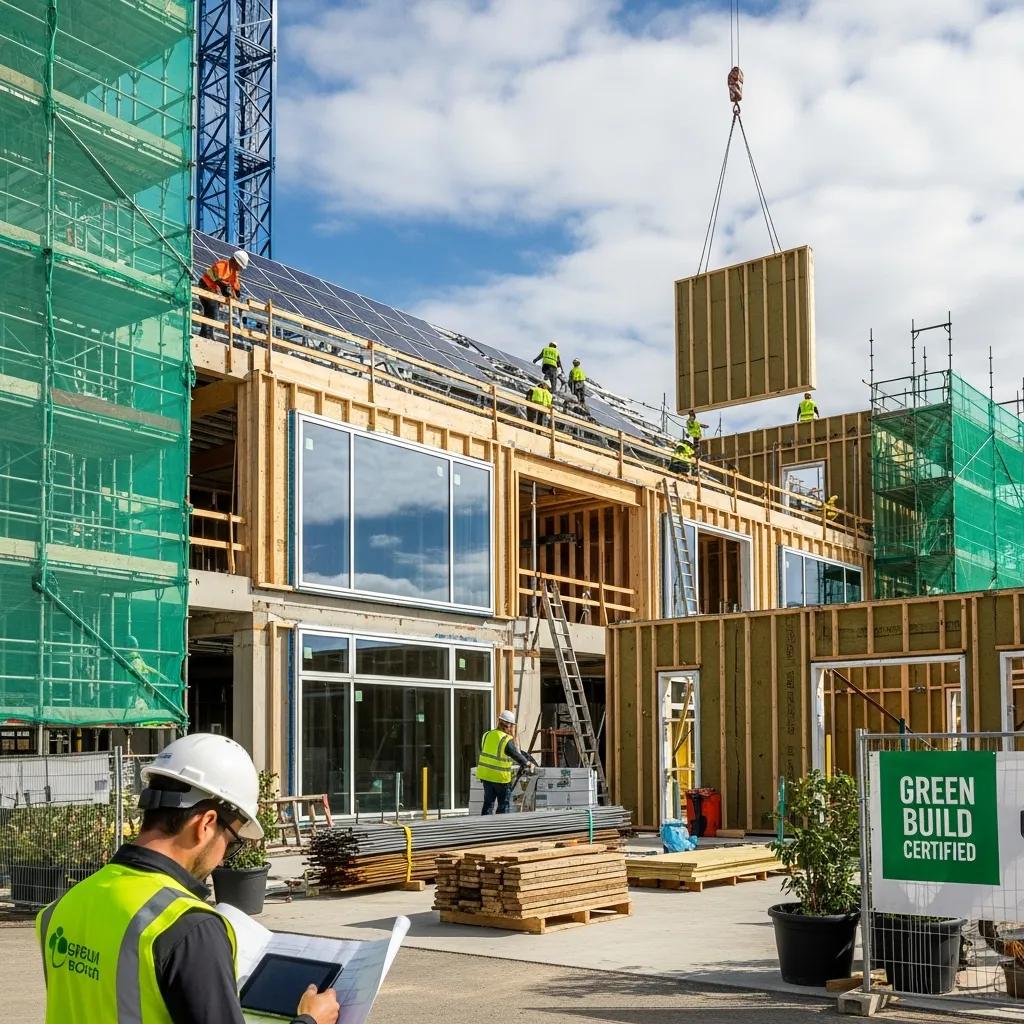
California’s green building rules — led by the CALGreen Code — set mandatory sustainability and efficiency standards for new construction. These standards reduce energy and water use, improve occupant health, and increasingly factor into buyer and tenant demand.
What Are the Mandatory CALGreen Requirements for New Developments?
Key CALGreen measures that apply to new projects include:
- Energy Efficiency Measures: Buildings must meet defined energy performance targets to reduce consumption and emissions.
- Water Conservation Standards: Requirements for water‑efficient fixtures, irrigation, and landscaping to conserve supply.
Complying with CALGreen can increase upfront costs modestly but often improves marketability and lowers operating expenses over the life of the asset.
How Do Title 24 Energy Efficiency Standards Affect Building Costs and Value?
Title 24 sets statewide energy efficiency rules for construction. Its effects include:
- Initial Investment: Energy‑efficient equipment and materials can raise initial construction costs but reduce long‑term utility expenses.
- Increased Property Value: Buildings that meet or exceed Title 24 standards tend to be more attractive to buyers and tenants, which can translate to higher rents and resale values.
Understanding Title 24 helps investors weigh upfront costs against lifecycle savings and resale advantages.
What Is Environmental Due Diligence in California Real Estate and Why Is It Crucial for Investors?
Environmental due diligence identifies site‑specific risks — contamination, regulatory constraints, or other liabilities — that could affect a property’s value and your ability to finance or redevelop it. Thorough due diligence protects investors from unexpected cleanup costs and lender pushback.
What Are Phase I and Phase II Environmental Site Assessments?
Environmental site assessments typically proceed in two stages:
- Phase I ESA: A records review, site inspection, and interviews to spot signs of past contamination or environmental concern.
- Phase II ESA: If Phase I flags potential issues, Phase II uses testing (soil, groundwater, vapor) to confirm and quantify contamination.
These assessments are standard lender requirements and core tools for managing acquisition and remediation risk.
How Does Environmental Due Diligence Mitigate Liability and Influence Loan Approval?
Complete due diligence reduces lender uncertainty and can be decisive for loan approval. Lenders require evidence that environmental risks are identified and, where necessary, addressed — otherwise financing terms may be restricted or declined. Demonstrating proactive compliance protects your investment and improves access to capital.
What Are California’s Wildfire Risk Disclosure Requirements and Their Impact on Property Transactions?
Because wildfire risk has grown in many parts of California, sellers must disclose wildfire hazards to buyers. These disclosures affect buyer perception, insurance availability, and ultimately property values.
How Do Wildfire Disclosures Affect Property Value and Buyer Decisions?
Wildfire disclosures can influence transactions in a few predictable ways:
- Market Perception: Listings in high‑risk zones may see reduced buyer demand and longer selling timelines.
- Buyer Caution: Buyers often weigh insurance costs, evacuation risk, and mitigation expenses when evaluating a purchase.
Knowing disclosure requirements helps investors price assets accurately and plan for mitigation or insurance strategies.
What Are Fire Hardening Measures and Their Benefits for Investors?
Fire hardening reduces a property’s vulnerability to wildfire and can improve insurability and resale appeal. Common measures include:
- Defensible Space: Clearing and maintaining vegetation buffers to slow fire spread.
- Fire‑Resistant Materials: Using non‑combustible siding, roofing, and vents to reduce ignition risk.
Investors who invest in fire hardening may lower long‑term risk and make properties more attractive to safety‑minded buyers.
How Do Environmental Liabilities and Specialized Regulations Affect California Real Estate Investments?
Specialized environmental rules and site‑specific liabilities can materially affect project feasibility, timelines, and returns. Anticipating those constraints is essential to accurate underwriting and successful redevelopments.
What Are the Implications of Brownfield Redevelopment and Coastal Development Permits?
Brownfield projects — redeveloping formerly contaminated sites — carry both challenges and incentives:
- Regulatory Compliance: Cleanup plans, permits, and oversight can add time and cost to a project.
- Potential Incentives: Grants, tax credits, and low‑interest financing are often available to offset remediation costs.
Similarly, coastal development permits are governed by strict rules to protect shoreline ecosystems and public access; those requirements should be factored into schedules and budgets early.
How Does the California Endangered Species Act Influence Property Development?
The California Endangered Species Act (CESA) restricts actions that could harm listed species or critical habitat. Compliance typically requires surveys, avoidance, and mitigation measures, all of which can affect timelines and costs. Early coordination with resource agencies reduces the likelihood of costly delays.
Being aware of CESA implications upfront helps investors avoid surprises and design compliant, buildable projects.
How Can Investors Navigate Environmental Regulations to Secure Fast and Flexible Hard Money Loans?
Hard money lenders prioritize collateral and exit strategy, but environmental issues are a major underwriting factor. Preparing clear documentation on environmental status and planned mitigations speeds approvals and preserves favorable loan terms.
What Environmental Compliance Factors Do Hard Money Lenders Like Fidelity Funding Consider?
When assessing loans, hard money lenders such as Fidelity Funding typically look for:
- Environmental Assessments: Completed Phase I (and Phase II, if needed) reports that outline current site conditions and remediation needs.
- Compliance with Local Regulations: Evidence that the project conforms to zoning, CEQA timing, and other local environmental rules.
Providing these items up front reduces underwriter questions and shortens approval timelines.
What Strategies Help Investors Mitigate Environmental Risks for Faster Loan Approvals?
Practical steps to improve the financing timeline include:
- Conduct Thorough Due Diligence: Order Phase I/II ESAs early so issues are identified before offer or underwriting.
- Engage with Lenders Early: Share reports and remediation plans with potential lenders to address concerns proactively.
- Implement Risk Mitigation Measures: Take corrective actions or secure environmental insurance to limit lender exposure.
These measures position your project as fundable and reduce surprises during closing.
Staying current with California’s environmental rules is essential for protecting investment value and unlocking development opportunities. With the right planning, documentation, and mitigation strategies, investors can reduce risk, meet lender requirements, and pursue projects that deliver both financial and community benefits.
Frequently Asked Questions
What are the consequences of non-compliance with California’s environmental regulations?
Failing to comply can trigger fines, stop‑work orders, permit denials, and costly remediation. Legal challenges and reputational harm can also follow, prolonging delays and increasing project costs. Compliance up front is far less expensive than correcting violations later.
How can investors stay updated on changes in environmental regulations?
Subscribe to updates from CalEPA and local planning departments, follow industry publications, and join relevant trade groups. Attend workshops and maintain relationships with environmental consultants and land use attorneys who monitor regulatory changes and can advise on impacts to your portfolio.
What role do environmental consultants play in real estate development?
Environmental consultants conduct site assessments, prepare reports, design remediation plans, and guide regulatory permitting. Their expertise helps quantify risk, estimate cleanup costs, and demonstrate compliance to lenders and agencies — all essential for smooth transactions and approvals.
What are the benefits of incorporating sustainable practices in real estate development?
Sustainable design reduces operating costs, boosts tenant demand, and often raises resale value. Developers may also qualify for incentives and tax benefits. In short, sustainability can improve cash flow and marketability while meeting regulatory expectations.
How do local zoning laws interact with environmental regulations in California?
Zoning controls land use and density; environmental rules ensure projects consider ecological impacts. A project may be properly zoned yet still trigger CEQA review or other environmental requirements. Coordinating zoning and environmental reviews early avoids conflicting requirements down the line.
What are the potential financial incentives for brownfield redevelopment projects?
Brownfield projects can access tax credits, grants, and low‑cost loans to offset cleanup and redevelopment costs. Federal, state, and local programs often support these efforts to encourage infill and urban renewal, turning contaminated sites into productive assets.
Conclusion
California’s environmental landscape is complex but navigable. By anticipating CEQA steps, integrating CALGreen and Title 24 requirements, addressing wildfire risks, and completing proper due diligence, investors can reduce risk and improve financing outcomes. If you plan early, document thoroughly, and work with experienced advisors, environmental requirements become a manageable part of a successful investment strategy. Explore our resources or contact us to discuss how these rules may affect your next project.