


Fast Real Estate Investment Loans — Quick, reliable financing for investors
Fast real estate investment loans are short-term, asset-backed lines of capital built for time-sensitive deals. They prioritize speed, flexible underwriting, and leverage based on property equity so investors can close quickly. This guide walks through what fast financing looks like, when investors use it, and how equity-driven underwriting, ARV calculations, and LTV limits influence quick decisions. You’ll find program options—purchase loans, fix-and-flip financing, bridge and commercial hard-money loans, foreclosure and bankruptcy bailouts, DSCR and P&L approvals, and subordinate trust-deed solutions—plus the standard documents and timelines to close fast. Practical examples and comparison tables show typical LTV/ARV ranges, expected close times, and borrower profiles so you can judge fit for a specific deal. Finally, we outline a step-by-step approval workflow, answer common investor questions about credit and property eligibility, and give clear next steps to submit a deal or contact a lender when time is tight.
What is fast financing for real estate investments?
Fast financing is short-term, equity-first lending that trades lengthy income verification for a quicker, collateral-focused review. Underwriting emphasizes loan-to-value (LTV) or after-repair value (ARV) tests and property condition, which shortens appraisal, title, and credit hurdles and speeds approval. The main advantage is predictability—decision and funding windows measured in days, not weeks—so investors can secure purchases, cover rehabs, or stop imminent foreclosure actions. Common uses include contracts that must close quickly, staged rehab draws, bridge funding between transactions, and bailout financing when timing is critical. Knowing these features helps investors choose the right program and prepare the documents that keep the file moving.
How does fast financing benefit real estate investors?
Fast financing delivers timely capital, higher usable leverage, and underwriting flexibility that works with nontraditional income and rapid exits. Quick closings help investors win competitive offers and lock in discounted buys. Equity-focused loans let rehab-heavy projects use future value to support funding, while draw-based disbursements keep rehabs on schedule and reduce carrying costs. In urgent bailouts, speed can save a deal from foreclosure by providing a cure or short-term restructure. Those advantages come with trade-offs—higher rates or fees and the need for disciplined exits—so investors should match financing cost to forecasted returns.
What types of investment properties qualify for fast loans?
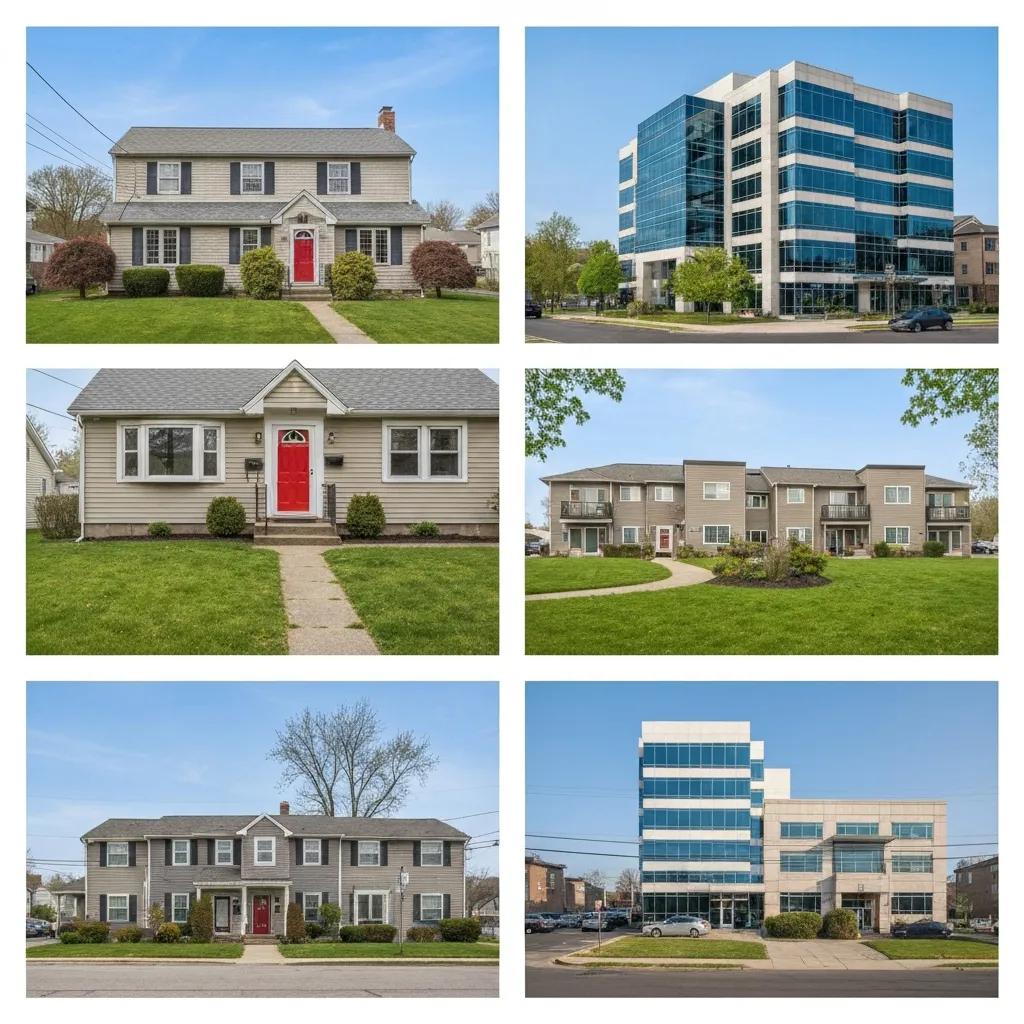
Fast loans typically underwrite against a broad set of investment property types: single-family homes, small multifamily, vacant land with construction plans, mixed-use assets, and many commercial properties. Eligibility hinges on collateral value and the exit plan—fix-and-flip deals with strong ARV comps are ideal, while DSCR programs favor stabilized rentals with verifiable rent rolls. Severe environmental issues, zoning conflicts, or unclear title can slow or disqualify a file. Before submitting, investors should self-check title clarity, occupancy, and a realistic rehab budget and be ready to supply comps, scopes of work, and exit strategies to speed underwriting.
Which hard money loan programs does Fidelity Funding offer?
Hard money loan programs cover a range of short- and medium-term solutions tailored for investors: acquisition loans, fix-and-flip financing, bridge loans, DSCR products for rental cash-flow deals, foreclosure and bankruptcy bailouts, subordinate trust-deed loans for added leverage, and commercial hard-money for larger or income-producing assets. Across programs we focus on property equity, ARV where applicable, and clear exits. Advantages include flexible documentation options, program-specific LTV/ARV limits, and speed that often beats conventional lenders. Use the concise comparison below to match product purpose with borrower and property type.
Intro to program comparison table: The table below summarizes common program attributes so investors can quickly match deal purpose to product.
| Loan Program | Key Attributes (LTV, Term, Typical Close Time, Purpose) | Typical Borrower / Property Type |
|---|---|---|
| Fix and Flip | Up to 90% of cost or ARV-based sizing; short-term; typical close 5–7 days; rehab funding with draw schedules | Active rehab investors on single-family or small multifamily |
| Cash-Out / Refinance | Up to ~75% LTV for cash-out scenarios; medium-term exit; closes in 7–14 days depending on title | Investors seeking liquidity from equity in stabilized assets |
| Bridge Loans | Short bridge term; interest-only options; close in 5–10 days; used for acquisitions pending long-term financing | Buyers needing interim capital for transactions or repositioning |
| DSCR Loans | Underwritten to debt-service coverage and rent rolls; medium-term; typical close 7–14 days | Buy-and-hold landlords and portfolio refinances |
| Commercial Hard Money | Larger loan sizes; asset-based underwriting; terms vary; close times depend on complexity | Small commercial, retail, office, and multifamily investors |
This snapshot highlights differences in leverage, timing, and borrower profile—use it to narrow your options before deeper underwriting.
What are fix-and-flip loans and their key terms?
Fix-and-flip loans finance the purchase and rehab of properties intended for resale. Underwriting centers on ARV, rehab budget with contingencies, and the borrower’s plan and experience—not long-term income. Typical terms include interest-only payments during the hold, draw schedules tied to milestone inspections, and exits by sale or refinance. Well-prepared deals with clear contracts and title can close in 5–7 days. Lenders size loans using loan-to-cost or ARV-based limits, and disciplined draw management keeps projects on schedule and within budget.
How do DSCR loans support rental property investments?
DSCR loans evaluate the property’s income versus debt service—net operating income divided by annual debt payments—so borrowers qualify based on rental cash flow rather than personal tax returns. Lenders use actual rent rolls or market rent schedules to calculate coverage; threshold expectations vary, but the focus is on sufficient cash flow after expenses. DSCR underwriting fits investors with portfolio properties or nontraditional personal income documentation because repayment is driven by the asset’s performance. Common uses include buy-to-let purchases and portfolio refinances where rents are stable and documentable.
What are foreclosure and bankruptcy bailout loans?
Bailout loans provide urgent, short-term capital to cure defaults, stop trustee sales, or stabilize title while a longer-term solution is arranged. These products move quickly when legal deadlines are pressing: funds are advanced to bring loans current, pay delinquent taxes, or buy time to negotiate a refinance or sale. Pricing reflects urgency, and required steps include a rapid title review and confirmation of trustee sale timelines to meet funding windows. In time-sensitive rescue scenarios, submitting the necessary documents immediately significantly improves the chance of stopping foreclosure actions.
How do bridge loans and commercial hard money loans work?
Bridge and commercial hard-money loans close timing gaps between transactions or fund repositioning where conventional lenders are too slow or restrictive. Underwriting focuses on collateral value, a clear exit plan, and market fundamentals. Bridge loans are short-term, often interest-only, and designed to support an acquisition or temporary hold until a permanent loan or sale occurs. Commercial hard-money applies the same equity-first logic to larger income-producing assets but adds deeper asset underwriting—rent rolls, leases, and market analysis—so close time varies with complexity. These programs suit investors doing value-add work across retail, office, mixed-use, and multifamily properties who need decisive interim capital.
What are second and third trust deeds and their benefits?
Second and third trust deeds are subordinate liens that provide extra capital or cash-out while the first mortgage remains in place. They increase leverage by tapping remaining equity for rehab, acquisition, or working capital. Because subordinate liens accept higher risk, they carry higher returns and pricing that compensates the lender. Benefits include access to opportunistic capital and flexibility when a first-lien refinance isn’t practical; downsides include lower priority in foreclosure. Investors often use seconds to close quickly or to extract funds when a conventional refinance isn’t yet available.
How does the fast loan approval process work?

Fast approval follows a compressed, predictable workflow: submit core deal materials, run rapid equity and title checks, complete inspection or ARV assessment, reach an underwriting decision, and close once conditions are met. We prioritize the equity test and clear title because those are primary decision drivers; when they’re satisfactory, underwriting focuses on exit clarity and rehab schedules. Typical timelines: term decisions in 24–72 hours and closings in 5–7 days for straightforward deals with clean title and complete docs. More complex commercial files or title issues extend timelines. Preparing the right documents in advance materially shortens the process.
Intro to document turnaround table: The table below lists common submission items, who provides them, and expected turnaround to help prepare a rapid-approval checklist.
| Step / Document Required | Who Provides It | Typical Turnaround (days/hours) |
|---|---|---|
| Purchase contract / signed offer | Borrower / Investor | 0–1 day for initial review |
| Title commitment / preliminary report | Title company | 1–3 days for standard searches |
| Proof of equity / funds / P&L | Borrower | Same day to 2 days depending on documents |
| Rehab scope & budget | Borrower / GC | 1–3 days including inspection |
| Rent roll / DSCR data | Borrower | 1–2 days with verified leases |
| Appraisal or ARV evaluation | Lender or appraiser | 1–5 days depending on market |
This checklist shows which documents trigger fast term decisions and how coordinated effort reduces total approval time.
What documents are required for fast real estate loan approval?
A prioritized document set separates an initial term decision from full funding. For initial approval, lenders typically need a signed purchase agreement (if applicable), a preliminary title report, proof of equity or funds to close, a concise rehab scope and budget for flips, and basic borrower identity information. For funding, the title commitment, executed closing documents, insurance, and final draw schedules or inspection sign-offs are required. Optional items that speed things up include recent comps, contractor bids, lease agreements for DSCR loans, and an organized P&L when tax returns aren’t used. Providing these early shortens the path to funding.
Intro to required-docs list: The following are the prioritized items that most accelerate approval.
- Signed purchase contract and property details.
- Preliminary title report and exception list.
- Proof of equity, funds-to-close, or source letters.
- Rehab scope, budget, and contractor estimates.
Submitting these items first typically moves a file to a term decision within 24–72 hours and sets the pathway to a rapid closing when title and inspections are clear.
How quickly can investors expect loan closings?
When a file is straightforward—signed purchase agreement, clear title, proof of equity, and rehab plans—closing in about 5–7 days is achievable. Initial terms are often issued in 24–72 hours once the equity threshold and title search are satisfactory; remaining time depends on final title clearance, document execution, and funding logistics. More complex commercial deals, environmental or permitting issues, or title defects push timelines into multiple weeks. To hit a 5–7 day close, deliver the purchase agreement, title report, proof of funds, and a clear exit plan immediately and resolve any title exceptions or contractor scheduling issues up front.
Why choose Fidelity Funding for quick investment property financing?
Fidelity Funding is an equity-focused hard-money lender that moves quickly for residential and commercial investors. Our programs emphasize speed, competitive LTV options for eligible projects, and flexible underwriting tailored to investor exits. We routinely close in 5–7 days when documentation and title are in order and prioritize equity-first qualification so borrowers with nontraditional income documentation can still access capital based on property value and ARV. If time and certainty matter, our approach reduces the friction conventional lenders introduce during critical deal windows.
How does equity-based lending simplify qualification?
Equity-based lending shifts the emphasis from borrower income to the asset’s value and upside. Appraisals, comparable sales, and rehab budgets show sufficient equity or ARV to support the loan, reducing dependence on tax returns or wage verification. Common supporting documents include comps, contractor bids, and ARV analyses to validate valuation and exit feasibility. Because underwriting centers on the collateral, decision cycles are typically shorter and administrative burden lower when investors present a clear exit plan and rehab schedule.
What flexible loan terms and high LTV options are available?
Representative examples: fix-and-flip financing with high ARV-based leverage (up to roughly 90% on eligible projects), and cash-out or refinance scenarios that reach about 75% LTV depending on property type and borrower profile. Terms range from short bridge horizons for flips to medium-term structures for stabilized rentals or commercial repositioning, with pricing and fees aligned to program complexity and risk. Expect draw-based disbursements for rehab loans, interest-only payments during the hold, and flexible payoff paths—sale, refinance, or bridge payoff—depending on the program.
Intro to sample terms list: Key representative terms investors commonly encounter:
- Fix & Flip: high ARV leverage, draw schedules, short-term exit.
- Cash-Out Refinance: moderate LTV, refinance path for liquidity.
- Bridge: short-term, interest-only, supports transaction timing.
These examples show how program selection balances leverage, term, and exit strategy—factors that affect returns and closing timelines.
How does Fidelity Funding support all property types?
We finance a wide range of property categories—single-family, small multifamily, mixed-use, land with construction potential, and many commercial asset types—tailoring underwriting to each asset and exit strategy. Rehab-heavy residential deals emphasize ARV and contractor oversight; commercial loans require lease analysis, rent rolls, and market underwriting. Common uses include short-term flips, buy-and-hold acquisitions, portfolio refinances for landlords, and bridge financing for commercial repositioning. Presenting tailored documentation—lease schedules for DSCR loans or detailed construction budgets for land-to-build scenarios—speeds approval for each asset class.
What are common investor concerns about fast financing?
Investors often worry about credit scores, property eligibility, the cost of speed, and how bailout loans operate under legal timelines. In practice, many fast-finance lenders prioritize equity and exit viability over credit, allowing borrowers with imperfect credit but strong collateral to qualify. Costs are higher than conventional mortgages to reflect short terms and increased risk, so investors must ensure expected returns exceed financing costs. The table below maps common concerns to practical realities and recommended actions to improve approval odds.
Intro to concern table: The table below pairs typical investor worries with explanations and recommended steps to improve approval chances.
| Concern | Reality / Explanation | What Fidelity Funding Requires / Recommends |
|---|---|---|
| Low credit score | Credit impacts pricing more than basic qualification when equity is strong | Show higher equity, provide ARV/comps, or add a qualified co-borrower |
| Property condition | Severe environmental or title issues delay funding | Identify title exceptions early and provide remediation or assessment plans |
| Foreclosure timelines | Urgency shortens underwriting windows but requirements remain | Submit trustee sale details, title, and proof of funds immediately for bailout review |
| Cost vs speed tradeoff | Faster funding typically costs more but preserves deal opportunities | Present clear exit and ROI to justify higher short-term costs |
Address these items early—document equity, clear title, and present realistic exits—to reduce delays and match financing costs to expected returns.
How does credit score impact fast hard money loans?
Credit score usually affects pricing and terms, but when speed matters lenders prioritize collateral and project feasibility. Lower credit can be offset with larger down payments, higher equity, strong ARV comps, experienced co-borrowers, or a concise exit plan. Expect higher rates or fees with weaker credit, but not automatic denial if the asset and plan are solid. Disclose credit issues early and provide compensating documentation so underwriters can move quickly.
What property types are eligible for quick investment loans?
Eligible types include single-family homes, duplexes and small multifamily, certain commercial assets, vacant land with construction plans, and mixed-use properties—provided title is clear and the exit plan fits the program. Properties needing manageable rehabs with defined budgets work well for fix-and-flip loans; stabilized rentals with verifiable rents fit DSCR channels. Title exceptions, environmental issues, or complex zoning can block eligibility and lengthen timelines, so pre-submission checks on title and permits help avoid surprises. Use a property checklist—title status, occupancy, rehab scope, and comps—to self-assess readiness before applying.
How do foreclosure bailout loans help prevent property loss?
Bailout loans provide short-term funds to cure defaults, cover trustee sale costs, or restructure payments to prevent immediate loss. These loans are structured around legal timelines like trustee sale dates and require rapid verification of auction dates, arrears, and title. Necessary documents include trustee notices, payoff demands, and authority to request funds; the lender coordinates with title and escrow to apply funds correctly. After bailout funding, borrowers work toward an exit—sale, refinance, or negotiated workout—to resolve the delinquency.
How can investors get started with fast financing for their next deal?
Start by assembling a concise package: purchase contract or property details, a preliminary title report, proof of equity or funds, a rehab scope and budget when relevant, and a clear exit plan. Submit these core items for a term decision, respond quickly to title or condition questions, and schedule inspections or appraisals as requested. For urgent bailouts, include trustee sale dates, arrears statements, and any court or trustee communications right away so the lender can triage the file. Below is a short submission checklist to use before contacting a lender.
Intro to submission checklist: Use this minimum viable set to obtain an initial term decision.
- Signed purchase agreement or detailed property information.
- Preliminary title report or recent title status.
- Proof of available equity, funds to close, or collateral documentation.
- Rehab scope & budget or rent roll/DSCR data for rentals.
Submitting these prioritized items and clarifying your exit strategy raises the odds of a rapid initial decision and compresses the path to closing.
How do you submit a deal for quick loan approval?
Prepare the minimum document set—purchase agreement, preliminary title report, proof of equity/funds, and a rehab budget or rent roll—and present a concise exit plan with timeline and projected payoff. Preferred submission channels vary by lender, but clearly labeled electronic files and a single point of contact speed follow-up and reduce errors. Include title and contractor contact info and flag urgent deadlines like trustee sale dates or escrow expirations so underwriters can prioritize. Clear organization and quick responses are the best way to keep a file on a 5–7 day closing track.
When should investors contact Fidelity Funding’s team?
Contact our team at key decision points: before submitting an offer (to confirm financing fit), immediately on foreclosure or bankruptcy urgency, when planning rehabs that need staged draws, and when evaluating portfolio-level refinances that may benefit from DSCR or bridge products. For bailout needs, reach out as soon as a trustee sale date or delinquency notice appears so we can triage and begin title and payoff verification. Early conversations clarify program fit and documentation needs, reducing last-minute surprises and supporting predictable timing.
What are the next steps after loan approval?
After approval we coordinate title and escrow, execute loan documents, satisfy closing conditions, and fund according to the program—either an initial disbursement or a draw schedule for rehab loans. Borrower responsibilities typically include securing insurance, signing closing packages, and meeting any prescriptive conditions such as contractor agreements or permit evidence. For rehab loans, draws follow agreed inspections; for bailouts, funds are applied to cure arrears per title instructions. Timely execution of post-approval tasks keeps funding on schedule.
For investors ready to move quickly: submit a deal with the prioritized documents above, call our team for urgent matters or bailout timelines, or complete the lender intake form to start review and receive a term decision. Fidelity Funding (NMLS: 340265, California – BRE License: 00785027) provides clear loan information and helps real estate investors secure fast funding with program options and timelines tailored to property type and strategy. Our office for correspondence is 450 N Brand Blvd, 6th Floor, Glendale, CA, 91203, United States.
Final actionable list: Quick next steps to execute now.
- Gather the purchase contract, title, proof of equity, rehab scope, or rent roll.
- Submit the package and highlight any urgent deadlines (trustee sale dates).
- Contact our funding team for triage or clarification and be prepared to execute documents upon approval.
Following these steps and presenting clear documentation helps investors secure timely term decisions and, in many cases, close within the expedited windows outlined above.
Frequently Asked Questions
What is the typical interest rate for fast real estate investment loans?
Rates vary by lender, borrower profile, and program. Because these loans are short-term and higher risk, rates are generally above conventional mortgage levels—often in the mid-to-high single digits into the teens depending on LTV and urgency. Compare offers and factor total cost of capital into your deal analysis.
How can investors improve their chances of loan approval?
Improve approval odds by delivering an organized package: a clear exit strategy, proof of equity, and a detailed rehab budget when applicable. Strong ARV comps, concise contractor bids, and upfront disclosure of credit or title issues all help underwriters move faster. Maintain open communication throughout the review.
Are there any fees associated with fast real estate loans?
Yes—fast loans typically include origination fees, processing fees, and closing costs. Fees are often higher than traditional loans to reflect expedited underwriting and increased risk. Review the fee schedule carefully and include fees in your ROI calculations.
What happens if an investor cannot repay a fast loan?
If a loan isn’t repaid, the lender can pursue foreclosure on the collateral. These loans are asset-backed, so protecting the exit plan—sale, refinance, or workout—and communicating early with the lender are key to avoiding loss. Plan exits conservatively and keep contingencies in place.
Can fast loans be used for new construction projects?
Yes—fast loans can fund new construction, particularly land-to-build projects with clear plans and budgets. Eligibility and terms depend on project details; be prepared with construction schedules, budgets, and permitting timelines to demonstrate feasibility.
What is the difference between a bridge loan and a hard money loan?
A bridge loan is short-term financing used to cover timing gaps between transactions—such as buying a new property before selling an old one. A hard-money loan is asset-based financing that prioritizes collateral and can be used for quick funding across various investment purposes, including flips and bridges. Both prioritize property value over borrower income, but bridge loans are specifically transitional.
How can investors find reputable lenders for fast financing?
Find reputable lenders by researching experience and track record, asking for referrals from peers, and reviewing testimonials. Compare terms, responsiveness, and underwriting practices across multiple lenders. Local real estate investment groups and industry forums are good sources of vetted recommendations.
Conclusion
Fast real estate investment loans give investors the speed and flexibility needed to act on time-sensitive opportunities. By understanding available programs, their trade-offs, and required documentation, you can choose financing that matches your strategy and timeline. When you’re ready, gather your package and reach out to our team for a focused review. Secure the funding you need and move your deal forward.