

Gentrification’s Impact on Property Values: How Investors Can Capture Growth and Financing Opportunities
Gentrification reshapes neighborhoods and the fortunes of local real estate. This article breaks down how neighborhood change affects property values, what drives those shifts, and practical strategies investors can use to benefit responsibly. You’ll learn the hallmarks of gentrifying areas, the upside and downside for housing prices, and tactics—from fix-and-flip to buy-and-hold—that work in these markets. We’ll also explain how fast, flexible financing such as hard money loans can help you move quickly, the risks to watch for, and how Fidelity Funding supports investors with lending solutions tailored to evolving urban neighborhoods.
What is gentrification and how does it shape property values?
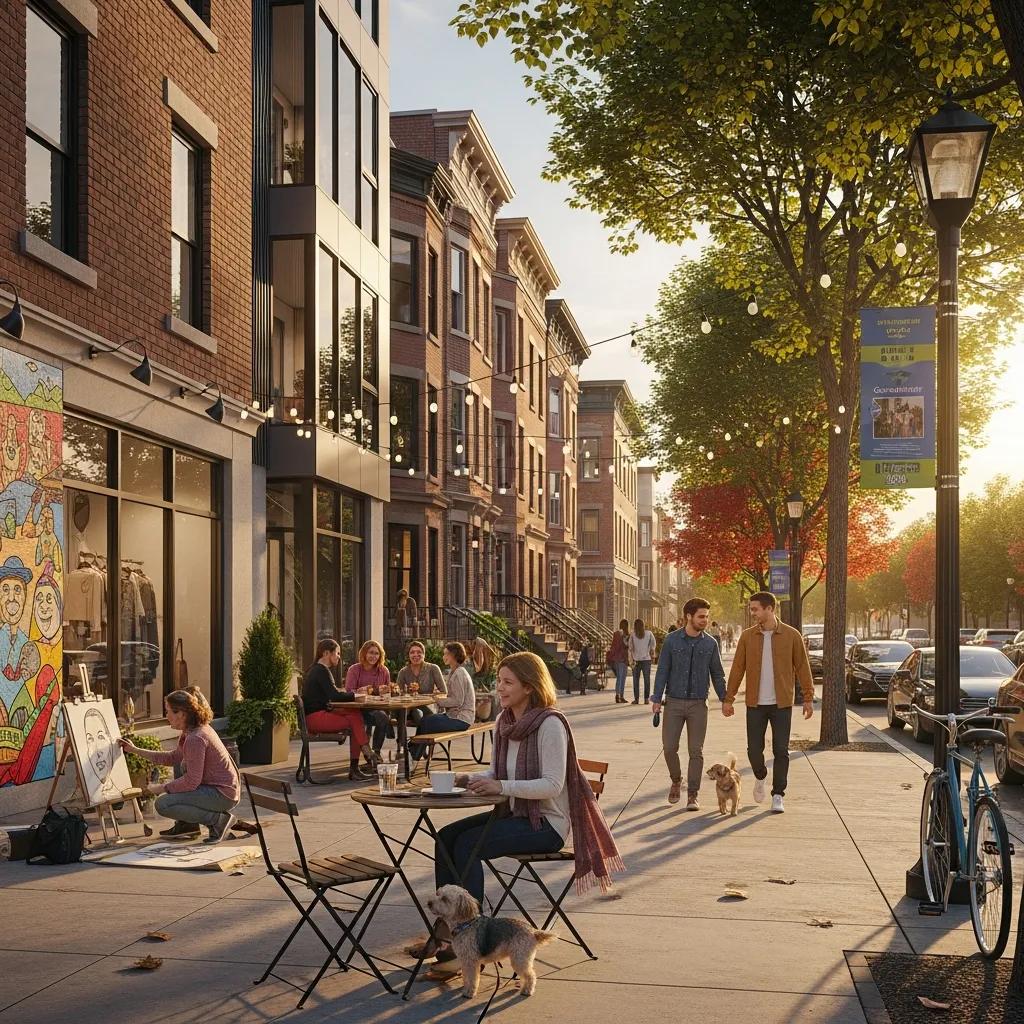
Gentrification describes when lower-income neighborhoods attract higher-income residents and new investment, often pushing up property values and changing local character. It’s driven by economic growth, policy choices, and social shifts—like demand for urban living—and produces both opportunities for investors and real impacts for long-term residents. As capital and amenities flow into an area, real estate values typically rise, altering market dynamics for owners and renters alike.
What are the key signs and drivers of gentrification?
Typical signs include rising home prices, visible renovation activity, and demographic shifts toward higher incomes. Job growth, targeted urban policies, and a concentration of cultural or transit amenities often act as catalysts. In many cities, neighborhoods with strengthening employment centers and lifestyle appeal attract new residents first, which then fuels further investment and change.
How does gentrification produce value growth and urban renewal?
Value growth usually follows a sequence: infrastructure upgrades and amenities raise desirability; investors renovate or replace housing stock; and new commercial activity appears. That combination increases demand and, in turn, prices. For investors who time acquisitions and improvements well, gentrifying areas can deliver meaningful appreciation and cash-flow upside.
What are the positive and negative effects of gentrification on housing prices?
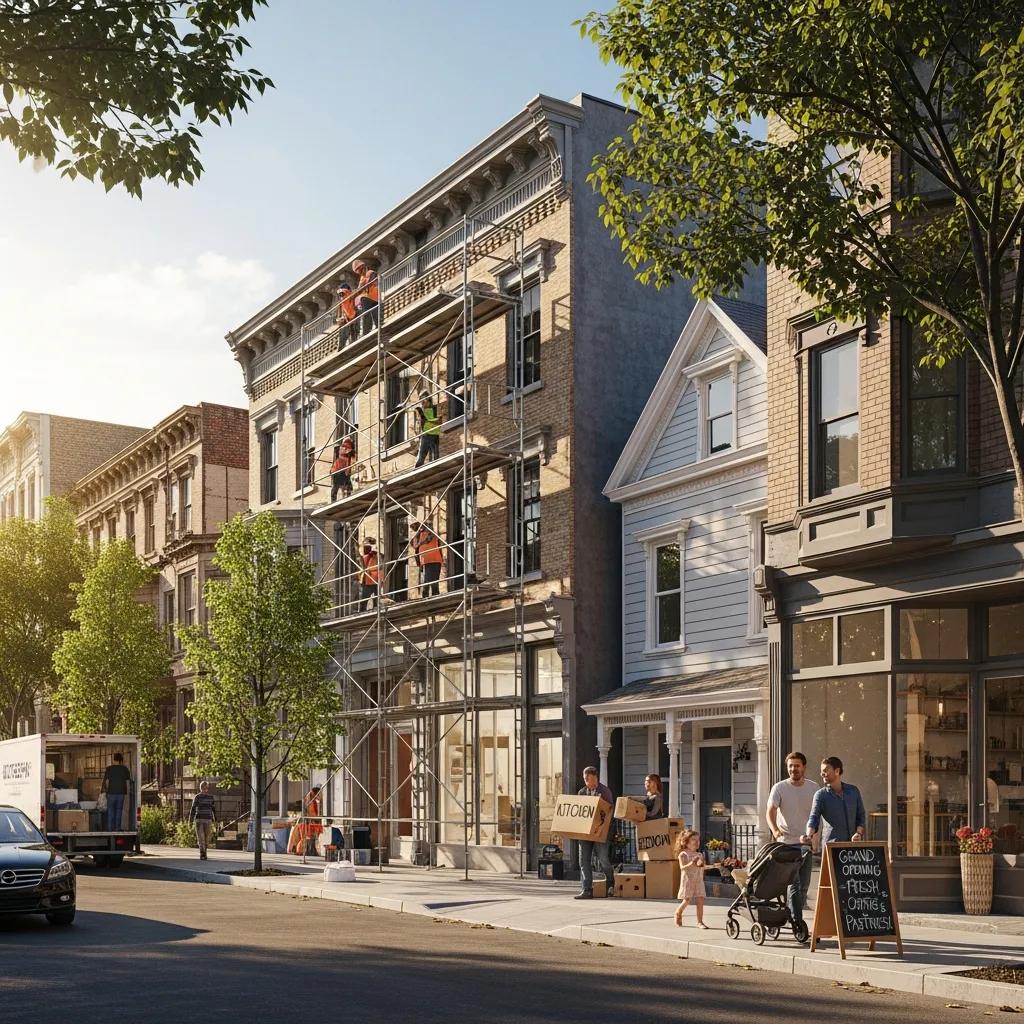
Gentrification can lift home values and revive neighborhoods, but it can also squeeze affordability and displace residents. For investors, that creates a dual reality: stronger returns paired with social and regulatory complexity. Knowing both sides helps you make smarter, more responsible investment choices.
How does gentrification affect displacement and housing affordability?
As prices and rents climb, longtime residents can face affordability pressures and, in some cases, relocation. That loss of stability and cultural fabric is a core downside of rapid neighborhood change. Investors and planners who anticipate these effects can look for ways to mitigate harm—through mixed-income projects, community partnerships, or support programs that preserve housing access.
What infrastructure and amenity upgrades commonly accompany gentrification?
Upgrades often include improved transit, new parks, streetscape work, and refreshed retail corridors. Those improvements enhance livability and attract additional investment, which in turn lifts property values and demand for both owner-occupied and rental housing.
How can investors maximize returns in gentrifying neighborhoods?
Successful investors combine market research with timing and a clear strategy. Watch local indicators, move decisively when opportunities arise, and align your exit (or hold) plan with the neighborhood’s trajectory.
What real estate strategies work best in gentrifying areas?
Common strategies include fix-and-flip for quick value creation, and buy-and-hold to capture longer-term appreciation. Well-located rental properties can deliver steady income as demand strengthens. The right approach depends on your capital, risk tolerance, and timeline.
How do urban renewal initiatives create commercial real estate prospects?
Public and private renewal projects often generate new retail and office demand as foot traffic and population density increase. Investors can partner with developers or leverage local incentives to position commercial assets where rising consumer and workforce activity promise outsized returns.
How do hard money loans support investment in gentrifying markets?

Hard money and other short-term, asset-based loans give investors speed and flexibility—two advantages in fast-moving gentrifying markets. These products bridge acquisition and renovation phases so investors can secure properties and execute plans before conventional financing is available.
What are the benefits of fast hard money loans for acquisitions?
Fast hard money loans offer quicker approvals and more flexible underwriting than traditional lenders, letting you close deals and start renovations without delay. That agility can be the difference between winning a contract or watching prices rise beyond reach.
How do fix-and-flip and bridge loans support urban redevelopment projects?
Fix-and-flip loans and bridge financing cover purchase and rehab costs, enabling rapid property turnarounds. By supplying capital for both acquisition and improvement, these loans accelerate value creation and help fund the kinds of renovations that drive neighborhood renewal.
What risks should investors weigh in gentrifying neighborhoods?
While upside can be strong, gentrifying markets carry risks: market corrections, policy shifts, community resistance, and operational challenges. Solid underwriting and contingency planning help mitigate those risks.
How can market corrections change property values in gentrifying areas?
Downturns can reverse recent gains, leaving investors with properties worth less than projected. Conservative valuation assumptions, stress-tested pro formas, and exit flexibility reduce exposure to sudden market shifts.
What role do foreclosure prevention programs play in high-appreciation areas?
Foreclosure prevention efforts help stabilize neighborhoods by keeping homeowners in place during financial stress. For investors, awareness of these programs matters—both for assessing local stability and for identifying opportunities to collaborate on solutions that preserve community housing while protecting investments.
How does Fidelity Funding enable successful investment with flexible loan programs?
Fidelity Funding provides a suite of flexible loan products designed for active investors in changing markets. Our programs focus on speed, practical underwriting, and terms that reflect real-world cash flows—so you can act when opportunity strikes while managing downside risk.
What are the approval steps and typical loan terms for investors in gentrifying areas?
Approvals are streamlined to move quickly. Typical requirements include property details, proof of income or project budgets, and a credit assessment. Loan terms are structured to match the project—short-term bridges, rehab financing, or hold-period lending—so investors get capital that fits their strategy.
How do P&L based and DSCR loans add flexibility versus traditional credit?
P&L-based and Debt Service Coverage Ratio (DSCR) loans evaluate an asset’s income potential rather than relying solely on personal credit. That approach widens access to capital for investors and businesses whose properties generate reliable cash flow, making financing decisions more closely tied to the deal economics.
Frequently Asked Questions
What are the long-term effects of gentrification on community identity?
Over time, gentrification can alter a neighborhood’s cultural and social fabric as new residents and businesses change the everyday life of the community. That shift can erode long-standing traditions and networks, creating friction between newcomers and long-term residents. Investors who prioritize community-sensitive development and local partnerships can help reduce negative impacts while still participating in neighborhood growth.
How can investors assess the potential of a gentrifying neighborhood?
Look at indicators like rising rents and sale prices, new business openings, transit or infrastructure projects, and demographic trends. Review municipal plans, track building permits, and speak with local brokers and community stakeholders. A mix of quantitative data and on-the-ground intelligence gives the clearest picture.
What ethical considerations should investors keep in mind when investing in gentrifying areas?
Consider the social impact of displacement and loss of affordability. Ethical investing means engaging community voices, exploring mixed-income or affordable units, and supporting local initiatives that preserve neighborhood character. Those choices can reduce backlash and create more sustainable, long-term returns.
How do local government policies influence gentrification trends?
Policies such as zoning changes, tax incentives, and infrastructure investments directly shape where and how investment flows. Programs that promote affordable housing and transit can moderate displacement, while incentives for luxury development can accelerate it. Investors should track local policy shifts as part of their due diligence.
What are the signs that a neighborhood is on the verge of gentrification?
Early signs include new cafes and boutiques, a rise in renovation permits, improving transit access, and an influx of younger professionals. Watch for coordinated public investment or developer activity—those are often the clearest indicators that a neighborhood is turning.
What role does community engagement play in successful gentrification?
Engaging residents and local stakeholders leads to better outcomes. When investors include community input on projects—whether through partnerships, affordable-housing elements, or support for local businesses—they reduce resistance and help ensure that development benefits a broader cross-section of the neighborhood.
Conclusion
Gentrifying neighborhoods offer meaningful opportunities for investors who pair market insight with careful risk management and community awareness. With the right strategy and flexible financing—like the products Fidelity Funding provides—you can pursue strong returns while staying mindful of local impacts. Explore our resources or contact our team to see how we can help finance your next opportunity in evolving markets.