

Get in Touch with Fidelity Funding
Contact Fidelity Funding for Fast Real‑Estate Investor Loans
We specialize in fast, equity‑first lending for real‑estate investors and business‑purpose borrowers. This guide shows exactly how to contact Fidelity Funding, which application routes are available, and which loan programs fit common investor needs — so you can move quickly on time‑sensitive deals. You’ll find direct contact options, a step‑by‑step submission workflow, program comparisons, expected timelines, and a prioritized document checklist designed to shorten underwriting. The page also explains phone and email inquiry best practices, how to use the online inquiry or “Submit Your Deal” process, and clear answers about eligibility and equity‑focused underwriting. Keywords like fidelity funding contact, loan inquiry, hard money approval timeline, DSCR loan requirements, and submit your deal Fidelity Funding are included to help investors find the practical details they need fast.
How can I contact Fidelity Funding for loan inquiries?
We offer immediate and documented contact paths to speed pre‑qualification and underwriting. Reach us by phone at +1-877-300-3007 or by email at info@fidelityfundingcorp.com. When you call or email, include basic deal details to accelerate review. Initial contact triggers a short pre‑qual that focuses on property equity, chosen loan program, and timing — our equity‑first approach weighs LTV and ARV ahead of credit history to shorten the path to conditional approval. After contact you’ll get a confirmation and any document requests needed to support value and repayment. For time‑sensitive transactions, phone contact usually gives the fastest feedback. This section tells you what to have ready for phone or email and what happens next so you can pick the quickest route for your deal.
What is the best phone number to reach Fidelity Funding?
The quickest line for urgent inquiries is +1-877-300-3007. Call this number for time‑sensitive purchases or bailout scenarios that need rapid pre‑qualification. Have these three items ready to speed the call:
- Property address or parcel ID
- Requested loan amount and your estimated ARV or purchase price
- Target closing date or rehab completion timeline
A short pre‑qual call will cover the equity position, loan purpose (purchase, fix & flip, refinance, bailout, commercial, DSCR, seconds, or P&L approval) and any urgent contingencies like foreclosure or auction deadlines. Being prepared helps our underwriting team advise likely LTV ranges and next documentation steps, reducing back‑and‑forth and moving you faster to conditional approval.
How do I email Fidelity Funding for real‑estate loan questions?

Send email inquiries to info@fidelityfundingcorp.com and format them for quick triage. Use a clear subject like “Loan Inquiry: Fix & Flip — [City, State] — $RequestedAmount” and include short bullets: property type, ARV or purchase price, loan amount requested, intended use of funds, and your closing timeline. Attach up to five supporting files (photos, purchase agreement, rehab budget, title snapshot) so underwriting can assess the file right away. You should receive an acknowledgment and a follow‑up with any document requests within our stated response window.
What are the available ways to submit a loan application or inquiry?
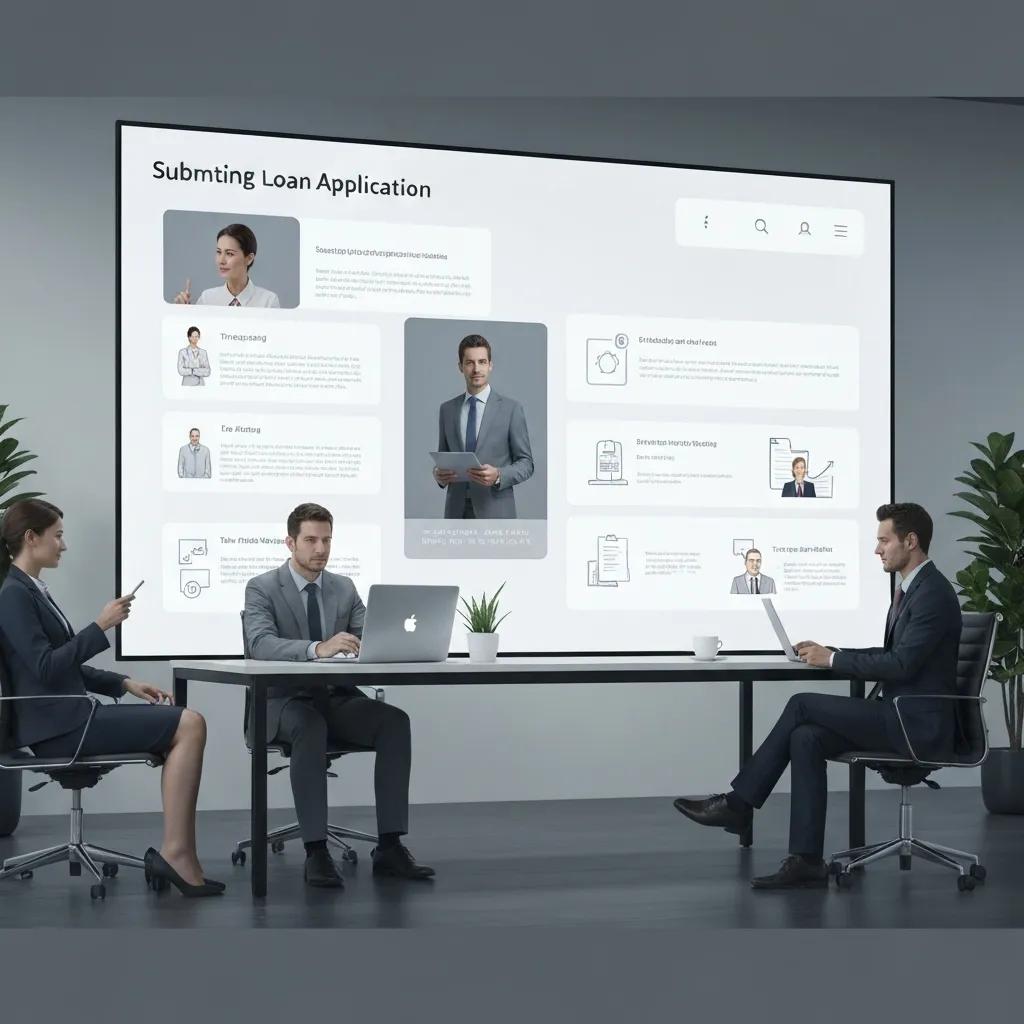
Choose the submission path that fits how complete your materials are: phone pre‑qual for speed, email with attachments for a quick documented inquiry, or the online inquiry / “Submit Your Deal” form for a full submission. All routes follow the same underwriting logic — we evaluate equity and collateral first — so the more complete your package, the faster underwriting can move. For urgent deals, call first to get a preliminary green light, then follow up with the full online submission. Below we outline form priorities, alternate ways to send documents, and how to present a deal for the fastest decision.
- Complete a short inquiry with the property address, loan purpose, and requested amount for a fast screen.
- Attach critical documents (purchase contract, photos, rehab scope, proof of funds) so underwriting can assess ARV and equity.
- Expect a follow‑up from underwriting asking for clarifying items or scheduling a valuation if needed.
Use this checklist before you send your deal. Following the workflow helps route your file correctly and cuts delays caused by missing information.
How do I use the hard‑money loan inquiry form online?
The online form highlights the fields that prompt faster underwriting: property address, loan program, requested amount, estimated ARV, and timeline. Enter accurate ARV figures and a concise rehab budget — those numbers directly affect LTV and conditional loan sizing. Attach photos, purchase agreement, and contractor estimates as PDFs or images to show collateral and planned work. When the form is complete and attachments are clear, underwriting can move from inquiry to conditional approval more quickly.
Can I submit my deal details through an online form?
Yes. Full submissions via the “Submit Your Deal” page are preferred when you can provide a complete file. A complete package usually includes property photos, purchase agreement or deed, rehab scope and budget, income documentation for DSCR or P&L approvals, and a title snapshot. Submitting these together reduces iterative requests and shortens the time to conditional approval. After you submit, underwriting triages the file and replies with any additional asks — sometimes a valuation or updated contractor bids. If you need help with the form, call or email the intake team for step‑by‑step guidance so your submission meets the underwriting checklist.
What loan programs can I discuss when contacting Fidelity Funding?
We offer a range of hard‑money and private lending solutions for investors: purchase loans, fix & flip financing, bailouts, seconds, commercial loans, DSCR loans, and P&L‑based approvals. Each program is defined by collateral quality, LTV limits, loan term, and the borrower’s repayment plan. These are all forms of hard‑money or private lending, and they share common elements like Loan Term, Interest Rate, LTV Ratio, Required Documents, and Closing Timeline. Knowing the differences helps you pick the right option and shortens approval cycles.
Below is a quick side‑by‑side comparison to help you match your deal to the right program.
| Loan Program | Key Attributes (LTV, Term, Rate, Purpose) | Typical Timeline / Docs |
|---|---|---|
| Purchase Loans | LTV: up to 75% CLTV; Term: short‑term bridge; Rate: typically interest‑only; Purpose: acquisition | Timeline: 3–10 days; Docs: purchase agreement, proof of funds, property photos |
| Fix and Flip Financing | LTV: up to 70% of ARV; Term: 6–18 months; Rate: rehab‑focused pricing | Timeline: 5–10 days; Docs: ARV estimate, rehab budget, contractor bids, purchase contract |
| Bailout Loans | LTV: equity‑driven; Term: short‑term emergency financing; Rate: higher to reflect urgency | Timeline: 24–72 hours for initial approval; Docs: current title, payoff demand, equity calc |
| Seconds Loans | LTV: subordinate position; Term: match primary or short‑term; Rate: subordinate pricing | Timeline: 5–10 days; Docs: first mortgage details, title report, borrower profile |
| Commercial Loans | LTV: varies by property; Term: mid‑term; Rate: commercial underwriting | Timeline: 7–21 days; Docs: leases, financials, commercial appraisal |
| DSCR Loans | LTV: income‑based; Term: 12–36 months; Rate: cash‑flow focused | Timeline: 5–14 days; Docs: rent roll, P&L, operating statements |
| P&L Based Approvals | LTV: income‑validated; Term: flexible; Rate: based on revenue strength | Timeline: 5–14 days; Docs: profit & loss statements, business financials |
Which hard‑money loan options are available for real‑estate investors?
We structure products to solve common investor needs: quick purchase loans to close deals, fix & flip loans that fund rehab to ARV, bailouts for emergency rescue financing, seconds for layered capital, commercial loans for income properties, DSCR loans that underwrite cash flow, and P&L approvals based on business revenue. Each program prioritizes equity and collateral condition — strong asset positions often smooth approval even if credit is imperfect. Typical uses include closing a competitive purchase, financing rehab to ARV with a flip loan, or using DSCR financing to convert rental income into qualifying cash flow for a refinance exit.
How do Fix & Flip, DSCR, and Commercial loans differ?
Fix & flip loans underwrite to ARV and control rehab costs, funding draws as work is completed. DSCR loans focus on the property’s income relative to debt service and rely on rent rolls or pro forma statements. Commercial loans dig into leases, tenant quality, and net operating income and usually require formal appraisals and lease documentation. Knowing whether your loan will be ARV‑driven, income‑driven, or lease‑driven tells you which documents and underwriting metrics matter most.
How fast can I expect a response after contacting Fidelity Funding?
Response speed depends on how complete the submission is and the program’s complexity, but initial screens and conditional approvals can be very fast. For straightforward bailout or purchase scenarios with clear equity and basic docs, we can provide initial approval in as little as 24 hours. Well‑documented fix & flip or purchase loans commonly close in about 5–7 days. Delays come from incomplete documentation, title complications, required commercial appraisals, or third‑party hold‑ups — preparing a full packet reduces each of these risks. The table below breaks down expected timeframes and what we’ll ask from you at each stage.
| Process Step | Typical Timeframe | Action Required (from borrower) |
|---|---|---|
| Initial Inquiry / Pre‑Qual | 24 hours to 3 days | Provide property address, loan amount, ARV estimate, photos |
| Underwriting & Conditional Approval | 1–5 days | Upload purchase contract, rehab budget, rent roll or P&L as applicable |
| Closing Preparation | 2–7 days | Resolve title issues, provide insurance, sign closing docs |
| Funding / Disbursement | Same day to 3 days after closing | Complete final conditions, sign funding paperwork |
What is the typical approval timeline for loan inquiries?
Timelines vary by program: simple purchase screens and bailout requests can reach initial approval within 24–72 hours. Commercial or DSCR loans that need detailed income or lease review often take one to two weeks for a conditional commitment. Documentation quality drives timing — clear ARV, a full rehab scope, or current P&L/rent rolls shorten underwriting time. Common slowdowns include incomplete contractor bids, messy title chains, and delayed third‑party valuations; fixing these early keeps your file in the faster lanes.
How quickly does Fidelity Funding fund approved loans?
After conditional approval, residential investor loans typically fund in 3–7 days; commercial loans may take longer due to appraisal and title requirements. Funding speed depends on clearing closing conditions such as lien releases, escrow instructions, and insurance certificates. Urgent bailouts or deals with clean title and strong equity can fund faster when documents and signings are promptly coordinated. Coordinate with title/escrow early and plan the closing checklist to speed final funding.
Where is Fidelity Funding’s office located and how can I visit?
We maintain a physical office for in‑person consultations when needed. The office and mailing address is 450 N Brand Blvd, 6th Floor, Glendale, CA, 91203. Call or email ahead to schedule visits or document drop‑offs so the right team member is available. The Glendale office serves regional borrowers in California and can be helpful for complicated title or commercial lending conversations. For out‑of‑state borrowers, larger loans may be handled nationwide — confirm jurisdictional coverage when you first contact intake.
What is the address and office hours of Fidelity Funding in Glendale, CA?
Our address is 450 N Brand Blvd, 6th Floor, Glendale, CA, 91203. Please call or email before visiting to schedule an appointment or document review — that ensures you meet with the underwriting or sales representative best suited to your file. Using phone or email for initial triage saves time and lets us prepare any paperwork needed for an in‑person meeting. If you plan to bring physical documents, confirm which copies are required to avoid extra trips.
Are there directions or a map to the Fidelity Funding office?
For directions or to arrange a visit, contact intake by phone or email so we can advise on access, parking, and appointment procedures and assign the right specialist to meet you. Including the office address on a deal summary helps underwriters verify jurisdiction and local title practices. If you’re unsure whether an in‑person visit is necessary, use the phone pre‑qual to determine whether a remote submission will suffice for an initial approval. Scheduling ahead makes any office visit more productive.
What are common questions about contacting Fidelity Funding?
Borrowers often ask which documents to prepare, how credit affects approvals, and what to expect for urgent timelines. Clear answers reduce back‑and‑forth and speed underwriting. Because we emphasize equity and collateral condition, strong LTV and ARV evidence often matters more than credit history in investor transactions. The table below pairs common questions with required documents and helpful notes so you can submit a complete file.
| Question (entity) | Required Documents | Notes / Exceptions |
|---|---|---|
| Purchase loan inquiry | Purchase agreement, proof of funds, property photos | Rapid approvals when purchase is fully executed and funds verified |
| Fix and flip financing | ARV estimate, rehab budget, contractor bids, purchase contract | Include a clear, line‑item rehab budget to reduce appraisal adjustments |
| DSCR loan requirements | Rent rolls, lease copies, proof of income, P&L | Provide 12 months of stabilized income where possible |
| Bailout lender questions | Current title, payoff demands, property condition photos | Urgent scenarios prioritized once equity is verified |
What documents do I need to prepare before contacting Fidelity Funding?
Start with a master checklist and add program‑specific items: purchase agreement or proof of funds, property photos, rehab budget and contractor bids for flips, rent rolls for DSCR loans, P&L statements for business approvals, and a recent title snapshot if available. Clear, legible PDFs or high‑resolution photos speed review and cut iterative requests; consistent file names help underwriters find what they need quickly. For commercial deals include leases, operating statements, and any environmental reports that affect collateral value. Prioritizing these documents increases the chance of moving from inquiry to funding in the faster timeframes above.
How does Fidelity Funding prioritize property equity over credit scores?
We use asset‑based underwriting that prioritizes Loan‑to‑Value (LTV), After‑Repair Value (ARV), and cash‑on‑cash return as primary risk metrics rather than relying only on credit scores. Strong collateral coverage can often outweigh weaker credit because the loan’s protection is the property’s value. LTV thresholds, rehab‑to‑ARV caps, and DSCR ratios determine sizing and pricing; borrowers with lower credit who can document substantial equity or a clear exit plan frequently qualify. If credit is a concern, present a larger equity cushion, a solid exit strategy, or stronger business P&L documentation to align with our underwriting priorities and improve approval odds.
Next steps: submit your deal via the online form, email a complete package to info@fidelityfundingcorp.com, or call +1-877-300-3007 for urgent inquiries. Prepare the prioritized document checklist and be ready to demonstrate equity through ARV and rehab budgets to reach the fastest approval windows. Fidelity Funding focuses on fast, flexible hard‑money lending primarily in California and has nationwide capacity for loans $1,000,000 and up — state your program choice in your initial contact so we route the file correctly. Submit your deal, call the team, or fill out the inquiry form with the documents noted to move toward a conditional approval.
Frequently Asked Questions
What types of properties are eligible for loans from Fidelity Funding?
We lend on a variety of property types: single‑family homes, multi‑family units, commercial properties, and other investment assets. Each program has its own guidelines on property condition and use. Fix & flip loans are best for properties you can renovate and resell quickly; DSCR loans are geared toward income‑producing properties. Talk with a representative about your specific property to confirm eligibility for the program you want.
What should I do if I have a low credit score but need a loan?
Low credit does not automatically disqualify you. Because we emphasize asset‑based underwriting, demonstrating strong property equity and a clear exit strategy improves your chances. Offering a larger equity buffer, clear rehab and exit plans, or solid business P&L documentation can offset credit issues. Discuss your situation with one of our loan officers to find the best program for your profile.
How can I expedite the loan approval process?
Provide complete, accurate documentation at initial contact: property details, requested loan amount, ARV estimates, and relevant financials. Use the online submission form or call for urgent requests. Preparing a tailored master checklist for your loan program minimizes delays and helps underwriting make a faster decision.
Are there any fees associated with applying for a loan?
Yes — common fees can include application fees, appraisal fees, and closing costs. Fees vary by program and transaction specifics. We recommend discussing potential fees with a loan officer up front so you understand the total cost and can plan accordingly.
What happens if my loan application is denied?
If an application is denied, we typically provide the reasons so you can address them. Common causes include insufficient equity, incomplete documentation, or property issues. Use that feedback to improve your position or explore alternate programs with our team.
Can I refinance an existing loan with Fidelity Funding?
Yes. We offer refinancing options, including for hard‑money loans. Refinances follow a similar application and underwriting process as new loans, so be prepared to provide updated documents and property information. Talk to a loan officer about your refinancing goals and options.
What is the maximum loan amount I can apply for?
Maximum loan amounts depend on the program and the property’s value. We routinely handle larger transactions — our nationwide capacity typically starts at $1,000,000 and above for certain deals — but residential limits are driven by equity, intended use, and borrower profile. Consult with a loan officer to determine the appropriate maximum for your situation.
Conclusion
Fidelity Funding provides fast, equity‑first financing designed for real‑estate investors. With clear submission paths, program guidance, and a prioritized document checklist, you can move from inquiry to funding with confidence. Ready to take the next step? Submit your deal online, email a complete package, or call our team today — we’ll help route your file and get you a conditional approval as quickly as possible.