


Hard Money Loan Closing: What to Expect for Fast, Smooth Funding
Closing a hard money loan doesn’t have to be stressful. When you know the steps, who’s involved, what documents you’ll sign, typical timelines, and the likely costs, the process becomes predictable and fast. This guide walks investors through each stage of a hard money closing so you can plan, avoid surprises, and move forward with confidence.
What Is the Hard Money Loan Closing Process?
The hard money loan closing is the final series of steps that turns loan approval into cash in your hands. It covers everything from preparing required paperwork and coordinating with third parties to the actual signing and disbursement of funds. Understanding this sequence helps borrowers plan logistics, gather documents ahead of time, and keep the deal on schedule.
Which Parties Are Involved in a Hard Money Loan Closing?
Several key players ensure a successful hard money closing:
- Borrower: The individual or entity requesting the loan to finance a real estate deal.
- Lender: The private investor or company providing the loan and setting the terms.
- Escrow Company: A neutral third party that holds funds and coordinates document exchange.
- Title Company: Verifies ownership and clears any title issues before closing.
Each party has a specific role; clear communication among them keeps the closing on track and prevents last-minute delays.
What Documents Are Required for Hard Money Loan Closing?
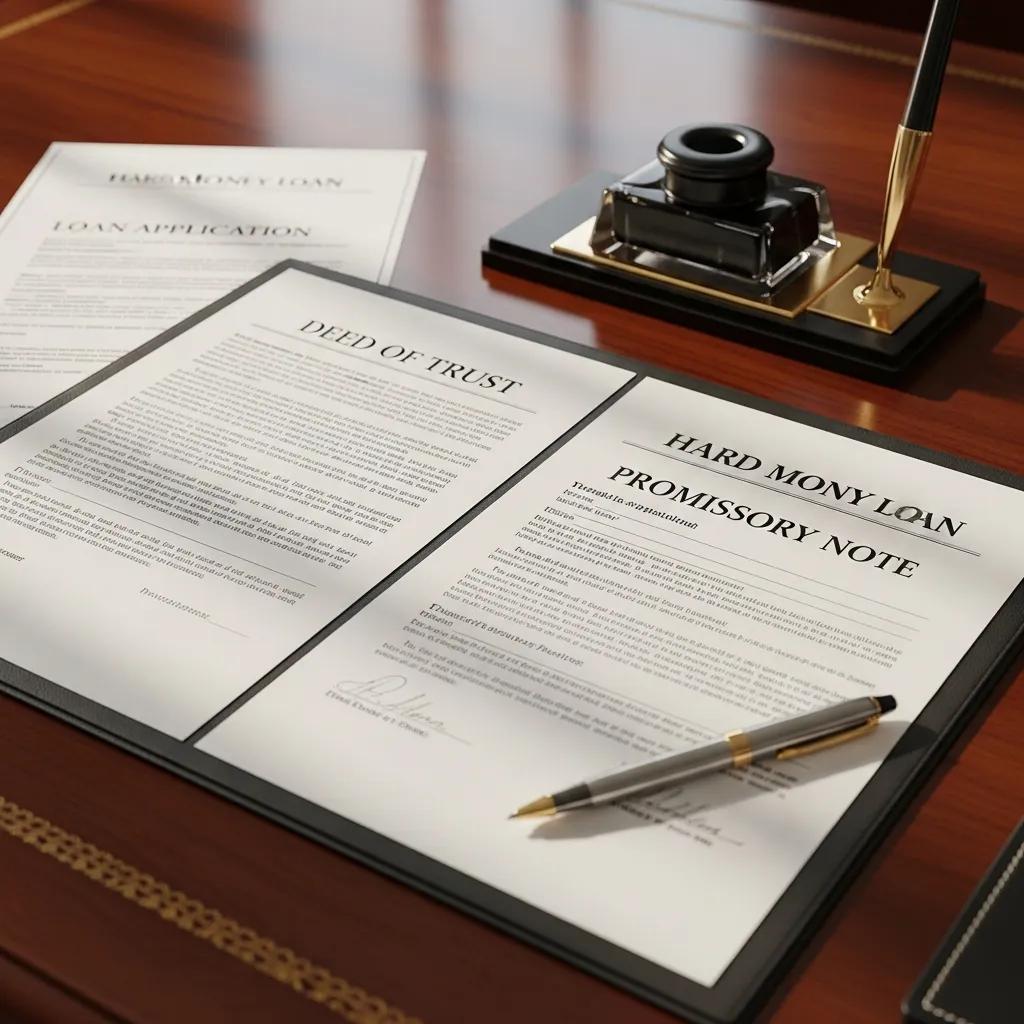
You’ll need several legal and financial documents to complete a hard money closing. These papers protect both borrower and lender and create the legal record that lets the lender fund the loan.
What Is the Purpose of the Deed of Trust and Promissory Note?
The Deed of Trust secures the loan with the property and gives the lender a path to recover their investment if the borrower defaults. The Promissory Note is the borrower’s written promise to repay according to the agreed schedule and terms. Together, they form the legal foundation of the loan.
How Do Loan Agreements and Closing Disclosures Affect Borrowers?
Loan agreements spell out interest, repayment terms, fees, and any special conditions. Closing disclosures summarize the final costs and fees you’ll pay at closing. Review these documents carefully—confirm the numbers and ask questions about anything unclear to avoid unexpected charges on signing day.
How Long Does the Hard Money Loan Closing Timeline Typically Take?
Closing timelines vary by lender and deal complexity, but hard money is designed to move faster than traditional loans. Knowing each phase helps you estimate a realistic timeline for your transaction.
What Are the Phases from Application to Funding?
- Application Submission: You provide the loan application and supporting documents.
- Underwriting: The lender evaluates the property value and the loan terms.
- Closing Preparation: Final documents are prepared and title/escrow work is completed.
- Funding: Once signatures are in place and conditions met, funds are released.
Depending on the lender and the deal, this can take anywhere from a few days up to two weeks.
How Does Fidelity Funding Ensure Fast Closing Within 5 to 7 Days?
We speed closings by combining streamlined underwriting, experienced loan officers, and digital workflow tools. Clear checklists, proactive communication, and coordinated title/escrow partners help us close many deals in 5 to 7 days—ideal for time-sensitive investments.
What Are the Typical Costs and Fees Associated with Hard Money Loan Closings?
Hard money loans carry a set of customary closing costs. Knowing what to expect lets you budget accurately before you sign.
Which Closing Costs Should Borrowers Expect?
- Origination Fees: The lender’s fee for putting the loan together.
- Appraisal Fees: The cost to assess the property’s current market value.
- Title Insurance: Protects against title defects that might arise later.
- Escrow Fees: Charges for managing funds and document exchanges.
Are There Any Prepayment Penalties or Hidden Charges?
Some loans include prepayment penalties or additional administrative fees. Always review the loan agreement and closing disclosure closely and ask your loan officer to point out any fees that might apply if you pay the loan off early.
How Do Escrow and Title Companies Facilitate the Hard Money Loan Settlement?
Title and escrow companies act as neutral facilitators to make sure the transaction is legally sound and funds move only when all conditions are met.
What Is the Role of the Escrow Company in Fund Disbursement?
The escrow company holds funds and documents in trust, confirms that closing conditions are satisfied, and then disburses funds to the appropriate parties—protecting both borrower and lender during final settlement.
How Does Title Work Ensure Clear Property Ownership at Closing?
The title company performs a title search to confirm there are no outstanding liens or ownership disputes. They issue title insurance to protect against future title claims, ensuring you and the lender have clear ownership after closing.
What Should Borrowers Expect on Closing Day and After Funding?

Closing day is the final step—be prepared, bring ID, and expect to sign several documents. After signing, the file is recorded and funds are released per the escrow instructions.
Who Attends the Signing Appointment and What Documents Are Signed?
Common attendees at the signing include:
- Borrower: Signs the loan paperwork and any required disclosures.
- Lender Representative: Confirms loan terms and answers final questions.
- Escrow Officer: Manages the signing and ensures all documents are complete.
Primary documents signed at closing include the Deed of Trust, Promissory Note, and closing disclosures.
What Happens After Closing: Recording and Loan Repayment Terms?
After signing, documents are recorded with the county or relevant government office to establish the lien and your ownership record. Review your repayment schedule and payment methods so you start on time and avoid penalties.
The table above summarizes common closing costs so you can budget for the final settlement.
Knowing the closing process—who’s involved, what to sign, how long it takes, and what it costs—lets you move quickly and confidently when a deal requires rapid funding.
Frequently Asked Questions
What Are the Benefits of Using Hard Money Loans for Real Estate Investments?
Hard money loans are built for speed and flexibility. They close faster than traditional financing and focus on the property’s value rather than solely on credit history, which helps investors act on time-sensitive opportunities like distressed sales or flips.
How Can Borrowers Prepare for the Hard Money Loan Closing Process?
Gather property information, ID, proof of funds, and any financial statements early. Read the loan terms ahead of time and confirm closing timelines with your lender. If anything looks unclear, ask your loan officer or a real estate attorney to walk through the documents before signing.
What Should Borrowers Do If They Encounter Issues During Closing?
Address problems immediately with your lender or escrow officer. Many issues are procedural and can be corrected quickly; if a legal question arises, consult a real estate attorney. Prompt communication is the fastest way to keep the closing on schedule.
Can Borrowers Refinance a Hard Money Loan After Closing?
Yes. Borrowers often refinance into lower-cost long-term financing once the property value improves or credit is restored. Factor in refinancing costs and timing when planning your exit strategy.
What Happens If a Borrower Defaults on a Hard Money Loan?
If a borrower defaults, the lender can pursue remedies outlined in the Deed of Trust, which may include foreclosure. State laws and timelines vary, so it’s important to stay in contact with your lender if you’re facing payment problems to explore alternatives.
Are Hard Money Loans Suitable for First-Time Investors?
Hard money can work for first-time investors who need speed or who can’t secure conventional financing. Because rates and fees are typically higher, first-timers should run conservative projections and have a clear plan for repayment or refinancing.
Conclusion
Understanding the hard money closing process removes uncertainty and speeds your path to funding. Prepare your documents, know the parties involved, and confirm timelines and fees up front. With the right preparation—and a trusted lender—hard money can be a fast, reliable way to finance profitable real estate deals. Explore our resources or contact us to discuss your next closing.