


Hard Money Loans for California Industrial Properties — Fast, Flexible Financing
Hard money loans are a cornerstone financing tool for real estate investors working in the industrial sector. They deliver quick access to capital so you can close deals, rehab, or refinance without the delays of conventional lending. In California’s competitive industrial market, knowing how hard money works—and when it’s the right tool—can improve investment outcomes. Below, we explain what hard money loans are, how they differ from bank financing, which industrial assets typically qualify, and how Fidelity Funding helps investors secure timely funding.
What Are Hard Money Loans for Industrial Properties in California?
Hard money loans are short-term, asset-backed loans secured by real estate and used mainly by investors for purchases or refinances. Rather than relying primarily on personal credit or income documentation, these loans are underwritten against the property’s value and marketability. That asset-focused approach makes hard money a practical option for industrial deals in California where speed and property fundamentals matter most.
How Do Hard Money Loans Differentiate from Traditional Commercial Loans?
- Speed of Approval: Hard money loans can close in days; traditional commercial loans often take weeks or months.
- Flexibility in Requirements: Lenders place greater weight on the property’s value and exit plan than on borrower credit, helping investors who don’t meet bank underwriting standards.
- Focus on Property Equity: Loan size is driven primarily by the equity and cash‑flow potential of the asset, enabling investors to leverage real estate value directly.
Because of these differences, hard money is an effective tool when quick capital or unconventional borrower profiles are involved.
Which Types of Industrial Properties Qualify for Hard Money Loans?
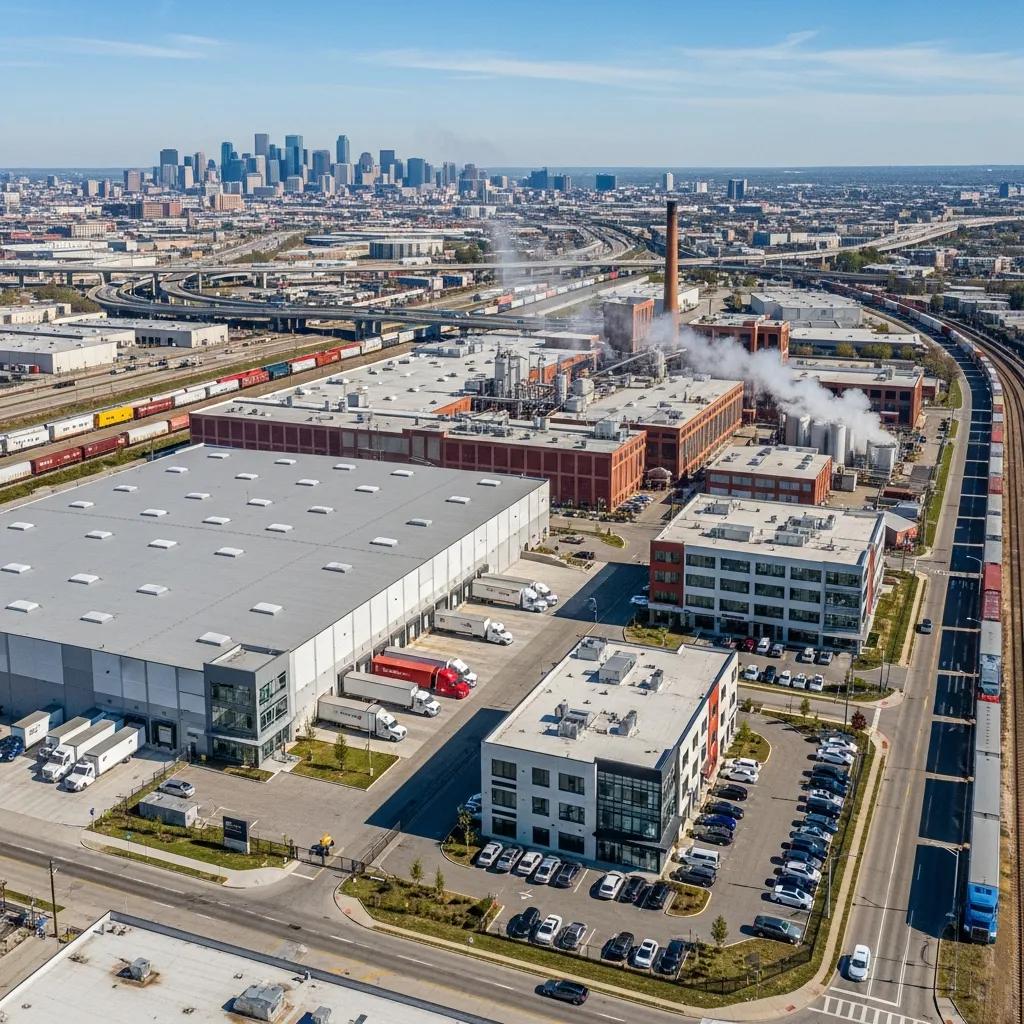
- Warehouses: Large storage and distribution buildings that support logistics operations.
- Manufacturing Facilities: Properties used for production, assembly, and light manufacturing.
- Flex Spaces: Adaptable buildings that combine industrial and office uses for mixed operations.
Knowing which asset classes lenders accept helps you target the right properties and prepare the appropriate documentation for faster approval.
What Are the Key Features and Benefits of Industrial Property Hard Money Loans?
Industrial hard money loans offer practical features that match investor needs in a fast-moving market:
- Loan Amounts and LTV Ratios: Lenders commonly provide loans from $100,000 up to multiple millions, with loan-to-value ratios typically in the 65–75% range for qualifying assets.
- Speed of Funding: Funding can be completed in as little as 7–14 days, letting you act on time-sensitive opportunities.
- Flexibility in Terms: Short-term, negotiable repayment structures that align with renovation schedules, sale timelines, or refinance plans.
These attributes make hard money useful for bridge financing, acquisitions, and repositioning plays in the industrial sector.
What Loan Amounts and LTV Ratios Are Available for Industrial Properties?
Available loan sizes and LTVs vary by lender and asset. A typical breakdown looks like this:
How Fast Can You Get Funding for Industrial Property Loans in California?
Hard money timelines are typically much faster than bank lending. Most borrowers see funding within 7–14 days after a complete application. Key factors that affect timing include:
- Property Appraisal: A timely, accurate appraisal speeds underwriting.
- Documentation: Complete property, title, and borrower documents reduce back‑and‑forth delays.
- Lender Efficiency: Choosing a lender with experience and clear processes shortens turnaround.
Fast funding is critical when competing for off‑market deals, auctions, or quick-close opportunities.
How Does Fidelity Funding Support Industrial Real Estate Investors?

Fidelity Funding helps industrial investors by offering tailored, transparent financing and hands‑on support throughout the loan lifecycle. We emphasize clear terms, rapid decisioning, and practical solutions that fit each project’s timeline and exit strategy.
What Is the Streamlined Approval Process for Industrial Property Loans?
Our streamlined workflow typically follows three straightforward steps:
- Application Submission: You submit a loan request with key property and financial details.
- Property Evaluation: We evaluate market value, condition, and exit plan to structure the loan.
- Loan Approval: We present a clear loan offer and move to closing once terms are accepted.
That efficient process is designed to minimize delays and get capital in your hands when timing matters.
How Does Equity-Based Lending Benefit Industrial Property Borrowers?
Equity-based lending centers approval on the asset’s value, offering several advantages:
- Access to Capital: Leverage property equity to secure larger, faster funding.
- Less Emphasis on Credit: Borrowers with limited credit history can qualify when the collateral and exit plan are strong.
- Flexible Terms: Loan structures can be tailored to renovation, lease-up, or resale strategies.
This approach provides practical financing for investors focused on property performance and exit timing.
What Loan Types Are Offered for Industrial Properties in California?
Fidelity Funding provides several loan products designed for industrial use cases. Knowing the options helps you match financing to your project:
- Fix and Flip Loans: Short-term financing for purchase plus renovation, intended for quick resale.
- DSCR Loans: Loans underwritten to the property’s income (Debt Service Coverage Ratio), suited to income-producing industrial assets.
How Do Fix and Flip Loans Work for Industrial Properties?
Fix and flip loans cover acquisition and renovation costs for properties you intend to improve and sell. They typically have fast approvals and flexible draw schedules so you can complete work and exit on a defined timeline, maximizing return on investment.
What Are DSCR Loans and How Do They Apply to Industrial Investments?
DSCR loans are based on the property’s cash flow—underwriters look at rental or operating income to ensure it covers debt service. This makes DSCR loans a good fit for stabilized, income-producing industrial properties where the asset’s income drives loan capacity.
How Are Common Concerns Addressed for Industrial Property Hard Money Loans?
Investors often raise a few consistent questions about hard money financing. Clear answers help you evaluate whether it’s the right tool for your deal.
- Concerns About Credit: Since underwriting centers on the property, borrowers with credit challenges can still qualify when the collateral and exit plan are solid.
- Speed of Funding: Fidelity Funding’s streamlined processes are engineered to reduce approval and funding timelines so you can move quickly.
Can Borrowers with Credit Issues Qualify for Industrial Hard Money Loans?
Yes. Hard money underwriting places greater emphasis on the property’s collateral value and exit strategy than on personal credit. That means investors with imperfect credit histories can often obtain financing provided the asset and plan justify the loan.
How Does Fidelity Funding Handle Time-Sensitive Industrial Deals?
We prioritize rapid evaluations, clear communication, and decisive underwriting to meet tight timelines. Our team coordinates appraisals, title work, and closing logistics so you can act when opportunities demand quick execution.
What Are the Next Steps to Secure a Hard Money Loan for Your Industrial Property?
Securing hard money for an industrial property follows a predictable, manageable path. These steps will prepare you to move forward:
- Research Lenders: Target lenders experienced with industrial assets and fast turnarounds.
- Prepare Documentation: Gather property details, title information, and basic financials to streamline review.
- Submit Application: Send a complete application to your chosen lender and respond promptly to requests.
How to Apply Online for Industrial Property Financing with Fidelity Funding?
Applying online with Fidelity Funding is simple and fast. Follow these steps:
- Visit the Fidelity Funding website: Open our online application portal to start your request.
- Complete the Application: Provide property information, project plans, and basic financial details.
- Submit for Review: Send the application and our team will contact you to move through underwriting and closing.
Our online process is designed to reduce friction and accelerate decisioning for qualifying projects.
What Support Is Available from Fidelity Funding’s Loan Team?
Our loan team provides hands‑on support from inquiry to closing, including:
- Loan Structuring: Advising on the product and terms that best fit your exit plan.
- Documentation: Helping assemble property, title, and financial documents to speed approval.
- Ongoing Communication: Regular status updates so you know where the file stands and what’s next.
That support reduces uncertainty and keeps deals moving toward a timely close.
Frequently Asked Questions
What are the typical interest rates for hard money loans on industrial properties?
Interest rates vary by lender and loan specifics, but a common range is 8%–15% for industrial hard money loans. Rates reflect the short-term nature and risk profile of these loans. Key rate drivers include property quality, loan size, borrower experience, and market conditions. Comparing offers and understanding total loan costs will help you find the most competitive option.
Are there any prepayment penalties associated with hard money loans?
Many hard money loans allow early repayment without penalties, but policies differ by lender and loan agreement. Always review the note for prepayment terms so you can plan exits—whether refinancing, sale, or payoff—without unexpected fees.
What documentation is required to apply for a hard money loan?
Hard money applications typically require fewer documents than bank loans but still need core items: property details (photos, leases, rent roll if applicable), appraisal or market comps, title information, personal ID, and basic financial statements. Some lenders may request a business or exit plan outlining the intended use of funds.
Can hard money loans be used for refinancing existing industrial properties?
Yes. Hard money is frequently used to refinance industrial assets to access equity, consolidate obligations, or fund repositioning work. Refinances with hard money are usually faster than traditional refinance routes, but you should evaluate the costs and timeline against your goals.
What should investors consider when choosing a hard money lender?
Key considerations include lender reputation, experience with industrial properties, speed of funding, interest rates and fees, and the level of borrower support. Ask for references, read reviews, and compare term sheets to ensure the lender’s processes and expectations align with your timeline and exit strategy.
How can investors mitigate risks associated with hard money loans?
Mitigate risk by doing thorough due diligence: obtain reliable appraisals, analyze local market demand, and confirm realistic exit strategies. Maintain conservative pro formas, build contingency buffers for renovations or lease-up, and work with experienced advisors to validate assumptions before borrowing.
Conclusion
Hard money loans provide a fast, flexible financing alternative for industrial property investors in California—especially when timing and asset value are the priority. With options that focus on property equity and clear, short-term structures, these loans serve a wide range of investment strategies. If you need a lender that moves quickly and structures solutions around your exit plan, Fidelity Funding can help connect you with the right financing for your project. Reach out to learn how we can support your next industrial deal.