


Hard‑Money Loans for Retail Property Acquisitions — Fast, Flexible Financing for Investors
Securing timely financing is often the difference between winning a deal and watching it slip away. Hard‑money loans are a practical route for investors who need speed and certainty when acquiring retail properties. This piece explains how hard‑money financing works for retail acquisitions, the benefits it delivers, and the steps to get funded. We’ll also outline the retail property types that typically qualify, the tailored programs offered by Fidelity Funding, and why equity‑focused lending can be the right tool in a fast market.
What Are Hard Money Loans for Retail Property Acquisitions?
Hard‑money loans are short‑term, asset‑backed loans used by investors to close deals or finance renovations quickly. Rather than relying primarily on personal credit, these loans are underwritten on the property’s value and potential. That lets borrowers access capital fast — often within 7–10 days — making hard‑money lending a practical option when timing matters.
How Do Hard Money Loans Differ from Traditional Commercial Real Estate Financing?
- Speed of Approval: Hard‑money loans can clear in 5–10 days; traditional commercial loans often take weeks or months.
- Loan‑to‑Value (LTV) Ratios: Hard‑money lenders commonly offer LTVs around 65–75%, versus the 70–80% caps some conventional lenders use.
- Credit Requirements: Hard‑money underwriting emphasizes the property’s equity and prospects more than borrower credit scores.
Those differences make hard‑money lending a preferred path for investors who must move quickly or who prioritize the asset’s value over personal credit history.
What Types of Retail Properties Qualify for Hard Money Loans?
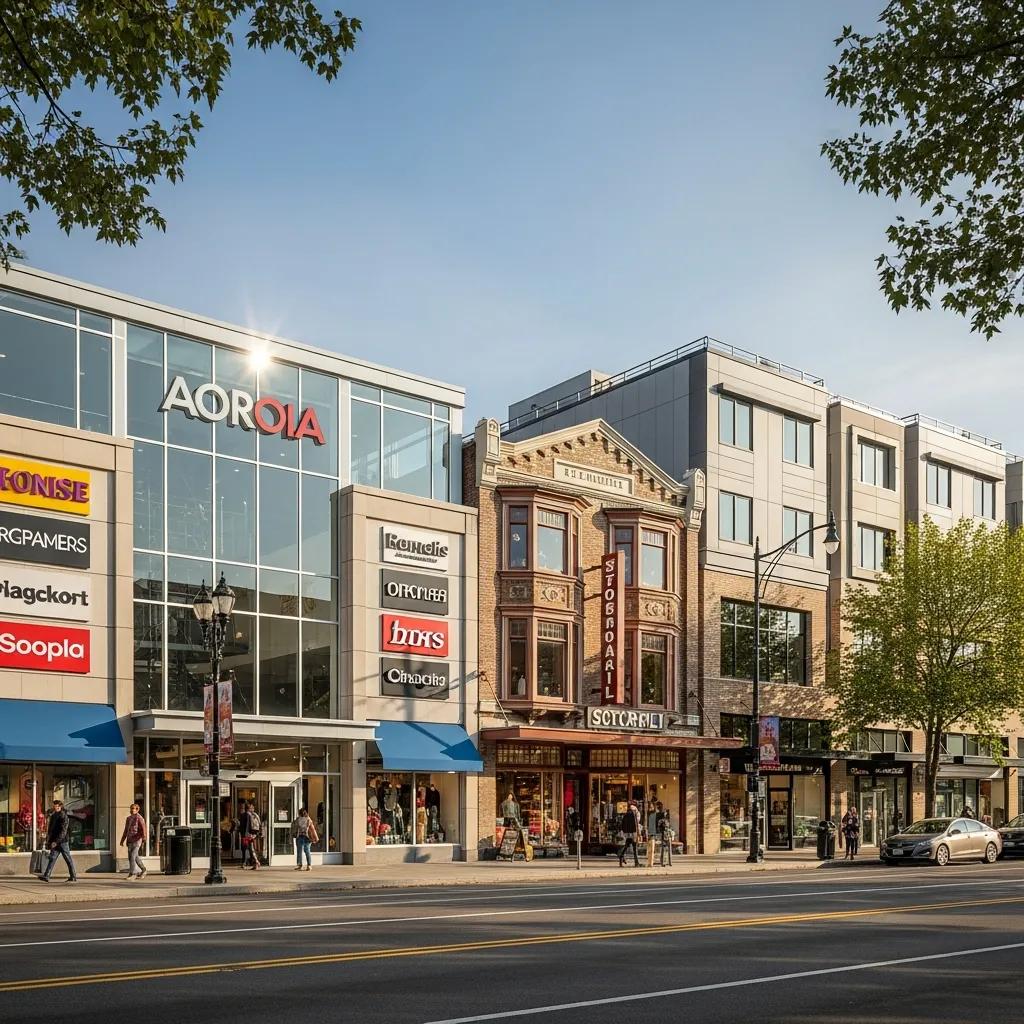
Hard‑money financing can support a range of retail property types, including:
- Shopping Centers: Multi‑tenant retail complexes with established tenant mixes.
- Standalone Retail Stores: Single‑tenant storefronts or small retail buildings.
- Mixed‑Use Properties: Buildings combining retail frontage with residential or office units above.
Equity in the asset is the primary qualification driver — lenders will evaluate marketability, location, and usable equity when assessing eligibility.
Which Hard Money Loan Programs Does Fidelity Funding Offer for Retail Properties?
Fidelity Funding provides targeted hard‑money programs built for retail investors. Our core offerings include:
- Retail Purchase Hard‑Money Loans: Fast fundings for acquiring retail assets.
- Fix‑and‑Flip Loans: Short‑term capital for renovating and reselling retail properties.
What Are Retail Purchase Hard Money Loans and Their Terms?
Retail purchase hard‑money loans are structured to close acquisitions quickly. Typical terms include:
- Loan Amounts: $50,000 to $10,000,000.
- Interest Rates: Generally 8% to 12%, set by the property’s equity and borrower profile.
- Repayment Terms: Short durations, commonly 6 to 24 months, with flexible payoff options.
These terms are designed to give investors the agility to secure and stabilize retail assets in competitive markets.
How Do Fix and Flip Loans Support Retail Storefront Renovations?

Fix‑and‑flip loans fund the repairs and upgrades that increase a retail property’s value before sale. Typical coverages include:
- Renovation Costs: Capital for structural and cosmetic improvements that drive higher resale value.
- Quick Access to Capital: Fast approval and disbursement so work can start without delay.
- Potential ROI: Well‑executed renovations can materially boost market value and investor returns.
When paired with a clear renovation plan, these loans help investors unlock value and shorten the time to market.
How Does the Fast Approval Process Work for Retail Hard Money Loans?
Our approval workflow is streamlined to deliver funding quickly. We focus on the property’s value and the investment plan so you can move from offer to close without the delays common in traditional lending.
What Are the Steps from Application to Funding?
- Application Submission: Provide basic borrower and property details.
- Property Evaluation: We assess current value, condition, and upside potential.
- Approval and Funding: On approval, funds are released promptly — often within 7–10 days.
This clear, property‑first process helps investors secure financing on a reliable timetable.
How Quickly Can Investors Secure Financing for Retail Acquisitions?
Most retail hard‑money financings can close in 7–10 days. Complexity of the asset and completeness of documentation are the main variables that affect timing.
What Are the Key Benefits of Using Hard Money Loans for Retail Property Investors?
Hard‑money lending offers practical advantages that support active retail investors:
- Speed of Funding: Rapid access to capital to compete for priority deals.
- Loan‑to‑Value Ratios: LTVs up to 65–75% let investors use equity to expand buying power.
- Flexible Terms: Short‑term structures and adaptable repayment options suited to investment timelines.
How Do High Loan-to-Value Ratios and Equity-Based Lending Help Investors?
Relying on property equity allows investors to:
- Maximize Purchasing Power: Tap larger sums for acquisitions or improvements.
- Reduce Out‑of‑Pocket Costs: Lower upfront cash requirements to close more deals.
That equity‑centric approach opens opportunities for investors who prioritize the asset’s income and upside over personal credit alone.
What Flexibility Do No Prepayment Penalties and In-House Underwriting Provide?
Features like no prepayment penalties and in‑house underwriting increase flexibility by letting investors:
- Pay Off Loans Early: Refinance or sell without extra fees when timing is right.
- Streamline Approvals: In‑house decisions speed up funding and reduce surprises.
Those conveniences matter when exit strategies or market timing change mid‑project.
How Are DSCR and P&L Based Approvals Applied to Retail Property Loans?
Debt Service Coverage Ratio (DSCR) and Profit & Loss (P&L) reviews are key underwriting tools for retail financings.
What Is Debt Service Coverage Ratio and Its Role in Retail Financing?
DSCR measures the property’s income relative to debt obligations. A DSCR of 1.25 or higher is commonly preferred, signaling the property generates adequate cash flow to cover loan payments — a favorable factor for approval.
How Does P&L Analysis Influence Loan Approval for Retail Businesses?
P&L statements give lenders visibility into a business’s financial health. Underwriters look for:
- Revenue Trends: Stable or growing revenue supports repayment assumptions.
- Expense Management: Consistent control of costs demonstrates operational discipline.
Together, DSCR and P&L analysis help lenders assess repayment capacity and long‑term viability.
What Common Investor Concerns Are Addressed When Financing Retail Properties?
Investors commonly raise questions about credit considerations and foreclosure timelines when pursuing hard‑money financing.
Do Hard Money Lenders Consider Credit Scores for Retail Property Loans?
Credit profiles are reviewed, but hard‑money underwriting places greater weight on the collateral and exit plan. That flexibility makes financing accessible to borrowers with imperfect credit when the property and strategy are sound.
What Are Typical Foreclosure Timelines and Property Eligibility Criteria?
Foreclosure timing and eligibility depend on state law and lender policy. Key points to note:
- Typical Timelines: Foreclosure can take several months to over a year, varying by jurisdiction and circumstances.
- Eligibility Criteria: Lenders require sufficient equity, clear marketability, and a viable exit strategy for approval.
In short, hard‑money loans offer a practical financing path for retail investors who need speed, flexibility, and an equity‑focused underwriting approach.
Frequently Asked Questions
What are the risks associated with hard money loans for retail property investments?
Hard‑money loans deliver speed, but they come with tradeoffs. Higher interest rates and shorter terms increase carrying costs, and if market conditions or renovations don’t go as planned, you may face pressure to refinance or sell sooner than intended. Careful underwriting, realistic exit plans, and contingency budgeting help manage those risks.
How can investors improve their chances of approval for hard money loans?
Improve approval odds by presenting a strong property case: detailed appraisals, clear renovation budgets, documented equity, and a concise business plan. Timely communication and organized documentation reduce friction and speed underwriting.
Are there any fees associated with hard money loans that investors should be aware of?
Yes. Typical costs include origination fees (commonly 1%–3% of the loan amount), closing costs, and potential processing fees. While some loans include prepayment terms, many do not charge prepayment penalties; review the full fee schedule before closing.
What should investors look for when choosing a hard money lender?
Choose a lender with a strong reputation, transparent terms, and demonstrable experience in retail assets. Compare interest rates, fees, underwriting timelines, and responsiveness — a lender who understands your strategy becomes a partner in execution.
Can hard money loans be used for refinancing existing retail properties?
Yes. Hard‑money loans are often used to refinance existing retail holdings to access equity, consolidate debt, or fund further investments. Always weigh the new loan’s terms against your goals to ensure the refinance supports your cash‑flow and exit strategy.
What impact do market conditions have on hard money loan availability?
Market cycles influence lender appetite and terms. In stronger markets, lenders may offer more favorable pricing and higher LTVs; in downturns, criteria can tighten and rates may rise. Staying informed about local conditions helps you choose the right timing and structure for financing.
Conclusion
Hard‑money loans give retail property investors rapid, equity‑driven access to capital — ideal for competitive acquisitions and short‑term renovations. By prioritizing property value and a clear exit plan, these loans provide the flexibility many investors need to act decisively. Explore Fidelity Funding’s programs to see how hard‑money financing can fit your next retail transaction.