

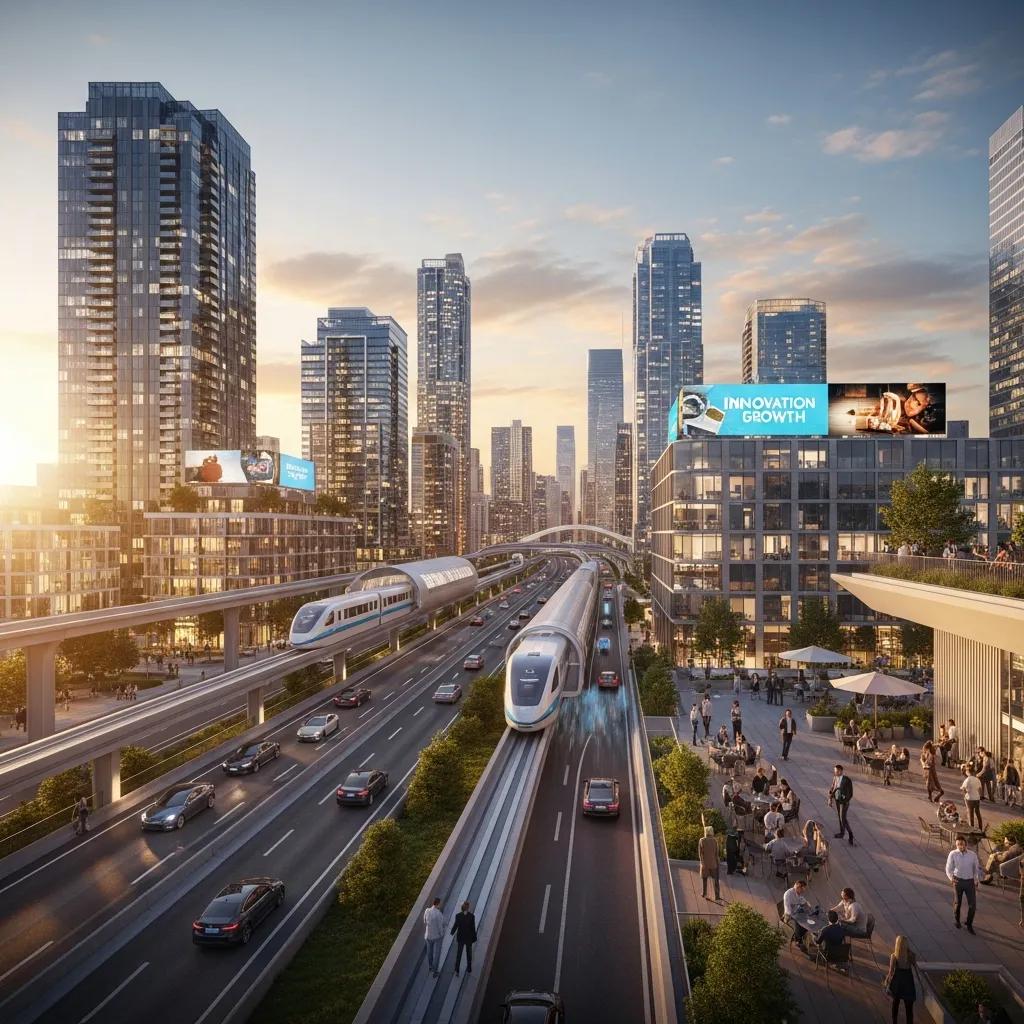
How infrastructure projects boost property values — and where investors find opportunity
New and upgraded infrastructure is one of the clearest catalysts for property value appreciation and fresh real estate opportunities. As cities expand — adding transit lines, modern utilities, and community amenities — the areas around those projects often become more desirable for residents, businesses, and investors. This guide explains how infrastructure affects property appreciation, which projects tend to create the best investment prospects, and how financing solutions like hard money loans can help investors move quickly when opportunities arise.
We’ll walk through how infrastructure drives value, how to spot high-potential projects, financing paths that match fast timelines, and real-world examples of successful investments. You’ll also get practical tips for tracking infrastructure trends so you can identify and act on growth before the market fully prices it in.
How does infrastructure development affect property values?
Infrastructure shapes demand. Better roads, new transit, reliable utilities and upgraded community facilities make neighborhoods easier to live in and easier to do business in. That improved convenience and quality of life draws buyers and renters, which raises demand—and, over time, prices. In short: infrastructure turns underused locations into sought-after ones, and that conversion is a primary driver of real estate appreciation.
How transportation and utility projects push appreciation higher
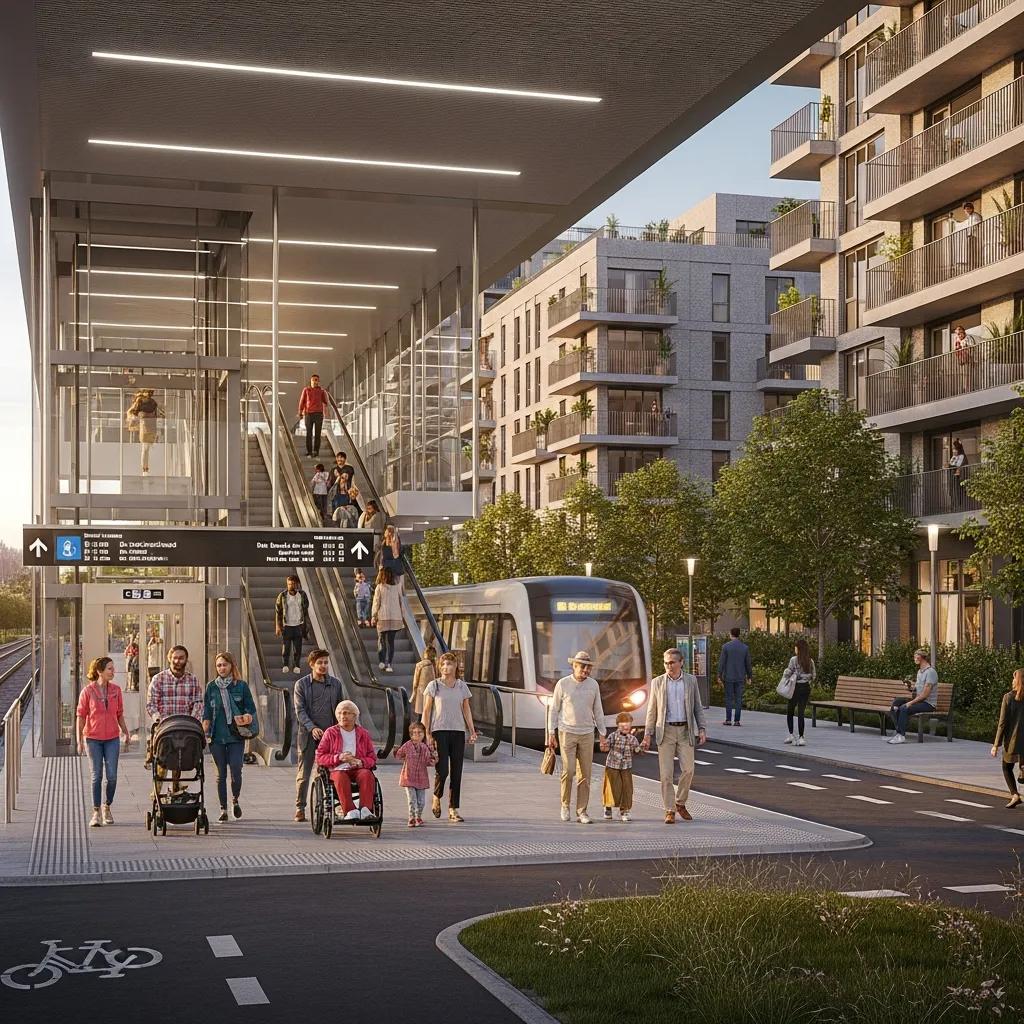
Transit and utility upgrades deliver measurable upside for nearby properties. New highways, bus rapid transit, or rail links shrink commute times and broaden access to jobs and services — which typically raises demand for housing and commercial space near stations and corridors. In many markets, property values near new transit routes rise faster than the broader market as residents pay a premium for reduced travel time and convenience.
Reliable utilities matter just as much. Upgrades to water, power and broadband remove practical obstacles for residents and businesses and lower the perceived risk of investing in an area. Neighborhoods that benefit from modernized infrastructure frequently show higher appreciation rates than similar areas that lack those improvements.
Why parks, schools and community amenities drive value
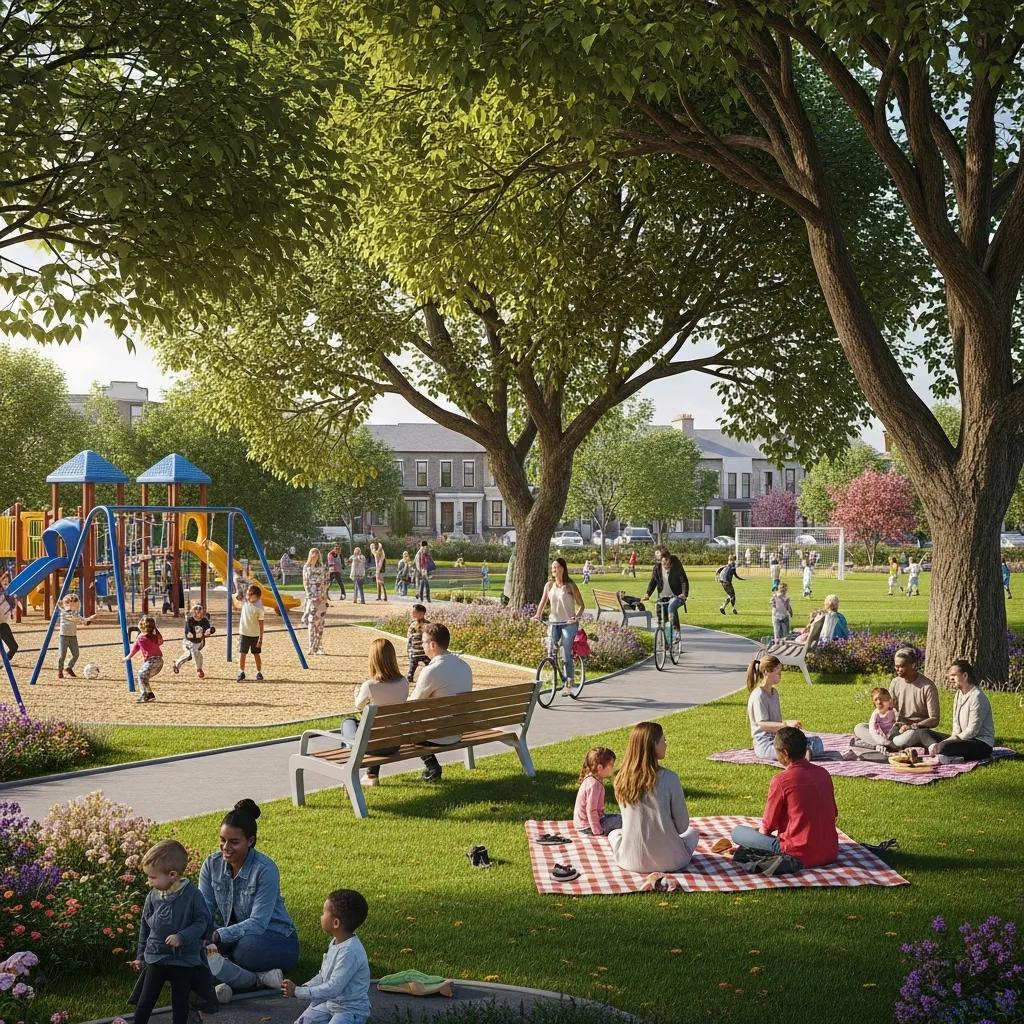
Social amenities—parks, quality schools, libraries and community centers—shape lifestyle decisions and buying patterns. These features improve daily life for residents and make neighborhoods more attractive to families and long-term renters. Properties close to well-maintained amenities often command a premium because buyers value walkability, recreational options and strong school districts.
Data consistently shows that amenity-rich neighborhoods tend to appreciate faster. Homes within walking distance of parks or community hubs generally outperform comparable properties without those benefits. Beyond price, amenities help create durable demand by fostering a stronger sense of community that keeps turnover lower and values more stable.
Which infrastructure projects create the best real estate investment opportunities?
Not all projects yield the same upside. The most promising ones combine meaningful improvements to accessibility, demonstrable economic impact, and a timeline that’s either already underway or has strong public backing. Focus where investment meets execution.
How to spot infrastructure projects with high growth potential
Look for clear signs of commitment and impact: published city plans, confirmed funding, procurement activity, and early-stage construction. Track public hearings, planning documents and developer activity. Local government support and private investment are strong indicators that a project will move forward.
Other useful signals include planned transit expansions, major utility upgrades, and new community amenities. Compare how similar projects performed historically in the region to estimate likely appreciation. The most successful investors combine document-driven research with boots-on-the-ground intel from local planners, developers, and real estate professionals.
What economic and accessibility gains come from investing near infrastructure?
Properties near strategic infrastructure often enjoy higher rents, stronger occupancy and faster price appreciation. Infrastructure can create jobs, attract businesses, and expand consumer activity — all of which support local real estate demand. For landlords, that can mean better cash flow; for owners, higher resale value.
Accessibility improvements—shorter commutes, more transit options, and better road connections—expand the pool of potential tenants and buyers. Over the long term, well-chosen locations benefit from sustained demand and typically produce steadier returns than comparable, less-connected areas.
How can hard money loans help finance deals near infrastructure projects?
Hard money loans are often a practical financing path for investors who need speed and flexibility to capture infrastructure-driven opportunities. Secured by the property itself, these loans move faster than traditional bank financing and can bridge short-term capital needs for purchases, repairs or construction.
What loan options does Fidelity Funding offer for infrastructure-focused investments?
Fidelity Funding provides several loan products designed for investors pursuing opportunities around infrastructure improvements, including:
- Fix & Flip Loans: Short-term financing to buy, renovate and quickly resell properties.
- Construction Loans: Capital for ground-up builds or large-scale renovations tied to development projects.
- Commercial Loans: Financing for retail, office, and multi-unit investments near infrastructure enhancements.
Each product has specific eligibility guidelines and timelines so investors can choose the instrument that best matches the deal and the expected holding period.
Why fast approvals and flexible terms matter for time-sensitive deals
Speed matters in competitive markets. Being able to close in days rather than weeks lets investors secure properties before bidders with slower financing can act. Hard money lenders also offer more flexible underwriting focused on asset value and exit strategy, which helps when conventional requirements would delay or derail a transaction.
Flexible terms allow investors to structure financing around renovation schedules, lease-up plans, or resale timelines — critical when playing in markets influenced by new or announced infrastructure.
What should investors consider when financing properties near infrastructure projects?
Infrastructure can change risk profiles. Before financing a property, evaluate how the project affects value, timeline, and exit options. Consider lender requirements and the investment’s sensitivity to delays or scope changes in the infrastructure project.
How do loan-to-value ratios and equity shape financing choices?
Loan-to-value (LTV) and available equity determine how much capital you can access and under what terms. Higher equity typically increases lender confidence and can unlock better rates or higher loan amounts. Conversely, higher LTVs increase lender risk and may reduce financing options.
Understanding your equity position helps you pick the right loan product and plan your exit: whether that’s selling after renovation, refinancing to a longer-term loan, or holding for rental income.
What documentation and credit flexibility apply to hard money lending?
Hard money lending usually requires fewer traditional documents than bank loans, but you’ll still need property appraisals, proof of funds for your down payment, and an exit plan. Lenders may consider credit, but many prioritize the asset’s value, the borrower’s experience, and the feasibility of the exit strategy.
That flexibility makes hard money a viable option for investors who can show a clear plan and a property with strong collateral value, even if credit isn’t perfect.
Are there real examples where infrastructure drove property value growth?
Yes — numerous projects illustrate how public investment can translate into private returns. Case studies show that well-executed transportation and community improvements often lead to measurable uplifts in nearby property values.
Which investments have seen gains from strategic infrastructure financing?
Properties near new transit corridors and major roadway upgrades frequently experience rapid appreciation as demand increases for convenient locations. In one documented example, a neighborhood that received substantial transit upgrades saw property values rise by approximately 30% within two years after completion, driven by stronger tenant demand and renewed developer interest.
Investors who align timing, financing and renovation plans with infrastructure rollouts can capture outsized returns during these transition periods.
How do fix & flip and construction loans contribute to appreciation?
Fix & flip and construction loans provide the capital needed to raise a property’s standard and marketability. Thoughtful renovations, improved layouts, and modern systems can significantly increase resale value. For investors, these loans enable value-add strategies that convert underperforming assets into competitive, higher-priced inventory.
A strategic renovation funded by the right loan can accelerate resale and amplify returns while contributing to neighborhood improvement and long-term value stability.
How can investors track and leverage infrastructure investment trends?
Being proactive about data and local signals is key. Track project approvals, funding announcements, and planning timelines — and combine that with market data to form a forward-looking view.
Which reports and metrics reveal infrastructure’s effect on property values?
Use a mix of public and private sources: municipal planning documents, transportation authority releases, regional economic reports, and market research from real estate firms. Track metrics like local appreciation rates, job growth, population shifts, and permit activity to gauge where infrastructure is likely to change fundamentals.
Regularly reviewing these indicators helps you identify neighborhoods that are earlier in the growth cycle and more likely to deliver meaningful upside.
How can investors stay current on new projects and financing options?
Stay plugged in through local planning meetings, industry newsletters, and networking with developers, brokers and municipal officials. Use online tools and market platforms to monitor permit filings, development activity and transaction data. Combining those inputs with reliable financing partners ensures you can move quickly when a compelling opportunity emerges.
Frequently Asked Questions
What are the long-term effects of infrastructure development on local economies?
Infrastructure projects typically create jobs during construction and beyond, improve business access to customers and suppliers, and broaden economic activity in the area. Over time, these effects raise local incomes, expand the tax base and improve public services. For real estate, that often translates into steady demand, stronger rents, and sustained property appreciation.
How can investors assess the risk associated with infrastructure projects?
Assess risk by reviewing project funding, timelines, and political support. Study feasibility reports, look for committed funding sources, and check whether permits and procurement are progressing. Evaluate comparable projects in the region and consult local experts to understand likely delays or cost overruns. A conservative exit plan that accounts for timing variability helps mitigate risk.
What types of properties benefit most from nearby infrastructure projects?
Residential properties near transit and amenity upgrades, retail and mixed-use developments benefiting from increased foot traffic, and commercial spaces that gain improved access all tend to benefit. The specific winners depend on the project: transit favors higher-density residential and commercial uses, while utility and amenity upgrades can lift single-family and multi-family values alike.
How do demographic shifts influence investment decisions near infrastructure?
Demographics guide demand: growing, younger populations often drive demand for transit-oriented, rental and mixed-use housing; families prioritize good schools and parks; aging populations may value healthcare access and shorter commutes. Matching property type and location to local demographic trends improves the odds of long-term success.
What role does government policy play in infrastructure and real estate investment?
Policy determines funding, zoning and incentives — all critical levers for whether a project moves forward and how it affects land use. Tax incentives, development grants and transit-oriented zoning can accelerate private investment. Conversely, restrictive policies or shifting political priorities can slow projects and alter expected returns. Staying informed on policy changes is essential.
How can technology help monitor infrastructure investment trends?
Technology tools — GIS mapping, data aggregators, permit trackers and market analytics platforms — help investors visualize where projects are happening and quantify their likely impact. These systems combine public records, market data and demographic indicators so you can spot early signals and model potential value changes with greater confidence.
Conclusion
Infrastructure investment reshapes neighborhoods and creates tangible real estate opportunities. By understanding which projects matter, how they affect demand, and which financing options support fast, value-driven deals, investors can position themselves to capture growth. If you’re tracking infrastructure-driven upside, pair timely research with flexible financing to move when the market opens — and consider our resources to help you act with confidence.