


Real Estate LLCs: Benefits and a Practical Setup Guide for Investors
Forming a Limited Liability Company (LLC) for your real estate holdings is one of the most effective ways to protect assets and streamline taxes. This guide breaks down the core benefits—asset protection, tax flexibility and heightened credibility—then walks you through formation, compliance, and best practices. We’ll also explain how Fidelity Funding can partner with your LLC to provide tailored financing. Read on for clear, actionable steps and answers to the questions investors ask most.
Why Form an LLC for Real Estate?
An LLC is a common choice for property investors because it combines legal protection with tax flexibility, while keeping operations straightforward. Below we outline the practical advantages investors rely on.
How an LLC Shields Your Personal Assets
An LLC creates a legal separation between business property and your personal wealth. If the LLC faces a lawsuit or unpaid obligations, creditors generally cannot pursue your personal bank accounts or home. In practical terms, that means liabilities tied to a rental or commercial property typically stay with the LLC’s assets—not your personal finances. This liability shield is especially valuable in real estate, where tenant claims, accidents, or contractor disputes can arise.
Tax Benefits Real Estate LLCs Offer
LLCs provide several tax advantages that can improve your after-tax returns. Most LLCs use pass-through taxation, so profits and losses flow to owners’ personal returns—avoiding corporate-level tax. Eligible owners may also qualify for the Qualified Business Income (QBI) deduction, potentially reducing taxable income by up to 20% within IRS limits. On top of that, depreciation and other real-estate-specific deductions can lower taxable income, improving cash flow for future investments.
How to Form a Real Estate LLC — Step by Step
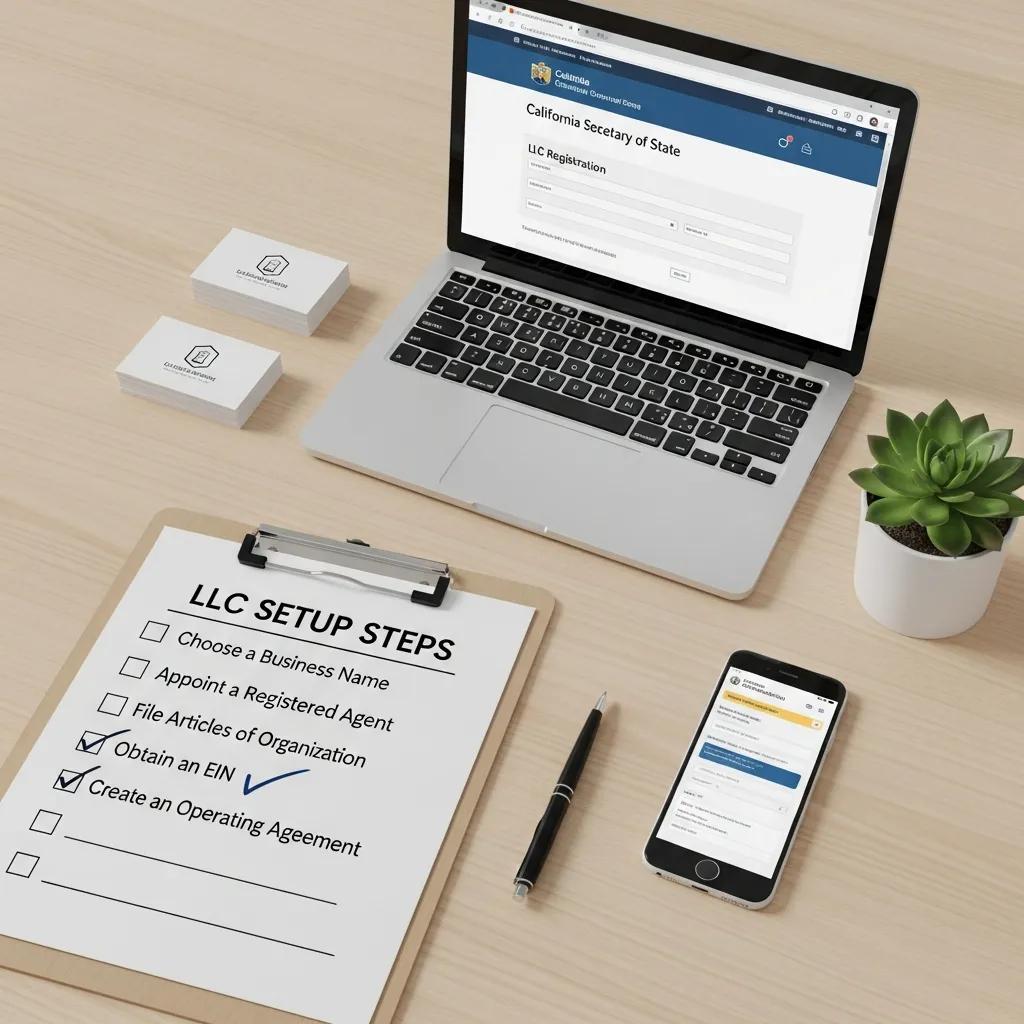
Forming an LLC is a sequence of clear actions—prepare early, file correctly, and stay compliant. The following steps keep the process efficient and legally sound.
Pre-Formation Steps to Complete First
Before you file, take these preparatory steps to avoid delays and protect your interests:
- Choose a business name: Pick a name that’s unique in your state and includes “LLC” or “Limited Liability Company” as required.
- Select a registered agent: Designate someone (an individual or business) to accept legal and tax documents on behalf of the LLC.
- Confirm state requirements: Filing fees, forms and timelines vary by state—research local rules so your paperwork is correct the first time.
File Articles of Organization and Get an EIN
After your pre-formation tasks, complete these filings to make the LLC official and operational:
- File Articles of Organization: Submit the state form that registers the LLC—this typically includes the LLC name, address and registered agent. Fees vary by state.
- Obtain an EIN: Apply to the IRS for an Employer Identification Number. You’ll need it for taxes, payroll (if any) and to open a business bank account.
Operating Agreements and Ongoing Compliance
An operating agreement and consistent record-keeping keep your LLC functioning smoothly and preserve its legal protections.
Essential Clauses for a Real Estate LLC Operating Agreement
Include clauses that clarify control, money flows and member duties to prevent disputes down the line:
- Management structure: State whether the LLC is member-managed or manager-managed and define each role.
- Profit distribution: Specify how profits and losses are allocated—by ownership share or another agreed method.
- Member responsibilities: Lay out duties, decision-making authority and how operational tasks are assigned.
Post-Formation Compliance and Best Practices
To maintain the LLC’s protections and good standing, adopt these routine practices:
- Annual or biennial reports: Many states require periodic filings—track due dates and submit updates on time.
- Appropriate licenses and permits: Confirm any local business, rental or zoning permits your operations need.
- Thorough record-keeping: Keep clear financial records, meeting minutes and contracts to demonstrate corporate separateness.
How Fidelity Funding Supports LLC-Owned Real Estate

Fidelity Funding provides financing solutions designed for investors who own property through LLCs. We evaluate deals based on property equity and project viability to move capital quickly when timing matters.
Hard-Money Loan Options for LLC Properties
We offer several capital options tailored to short-term and opportunistic real estate strategies:
- Fix-and-flip loans: Short-term financing for purchase and renovation projects meant for resale.
- Commercial loans: Structured financing for larger properties or portfolio acquisitions with flexible terms.
- Foreclosure rescue funding: Short-notice funding to stabilize properties and prevent foreclosure where viable.
Why Equity-Based Approvals Help LLC Borrowers
Our underwriting focuses on property equity and deal fundamentals, which benefits LLC borrowers by:
- Leveraging loan-to-value: Using equity to secure competitive terms and access capital for new projects.
- Speeding approvals: Faster funding cycles compared with traditional bank lending—critical in competitive markets.
- Proven outcomes: Many LLC borrowers have expanded portfolios using our equity-based approach and fast execution.
Common Questions Investors Ask About Real Estate LLCs
Below are straightforward answers to frequent concerns investors bring to the table when considering an LLC.
Is it worth putting rental property in an LLC?
For many investors, yes. An LLC offers liability protection and tax flexibility that can outweigh formation and maintenance costs—especially for higher-risk properties or portfolio owners. Evaluate the trade-offs for your situation and consult legal and tax advisors to confirm the right structure.
How many properties should be held in one LLC?
There’s no one-size-fits-all answer. Holding multiple properties in a single LLC can simplify administration but concentrates risk: a claim against one property could affect the others. Many investors use separate LLCs to isolate liability, while others group related assets together. Base your choice on risk tolerance, transaction costs and financing needs.
Using an LLC for real estate can strengthen your asset protection, improve tax handling and present a more professional profile to partners and lenders. Follow the formation and compliance steps above, and lean on partners—like Fidelity Funding—when you need financing that fits your LLC’s strategy. We’re here to help you move quickly and manage risk as you grow.
Frequently Asked Questions
What are the ongoing costs associated with maintaining a real estate LLC?
Ongoing costs typically include state filing fees or franchise taxes, registered agent fees, and periodic legal or accounting support. You should also budget for insurance and routine compliance work. Costs vary by state and complexity, so build them into your investment pro forma.
Can an LLC own multiple types of properties?
Yes. An LLC can hold residential, commercial or industrial assets. While this flexibility helps diversification, mixing property types can complicate management and concentrate liability—so some investors prefer separate LLCs for different asset classes.
How does an LLC affect financing options for real estate investments?
LLCs are treated as separate legal entities by many lenders, which can change loan terms, documentation and rates. LLCs often access hard-money, bridge or commercial financing that prioritizes property value and deal viability. Expect lenders to request clear financials and ownership documentation for the LLC.
What happens if an LLC is sued?
If the LLC is sued, the company’s assets are the first at risk; properly maintained LLCs generally protect members’ personal assets. That protection depends on keeping business and personal affairs separate, maintaining records and following legal formalities.
Are there any limitations on the number of members in a real estate LLC?
Most states place no strict cap on members. You can form a single-member LLC or include multiple investors. State rules vary, so check local regulations and draft agreements that clarify capital contributions, voting rights and profit shares.
How can I dissolve an LLC if I no longer need it?
Dissolution usually requires member approval, filing Articles of Dissolution with the state, settling debts, notifying creditors and canceling licenses. Follow your operating agreement and state rules to formally close the LLC and avoid lingering obligations.
Conclusion
Forming an LLC for real estate can deliver meaningful legal and tax benefits when set up and managed correctly. Use a clear formation checklist, keep solid records and evaluate risk across properties. When you need financing that aligns with an LLC structure, Fidelity Funding offers flexible, equity-focused options to help you execute deals quickly. Ready to discuss how an LLC fits your strategy? Reach out to our team.