


Maintaining Rental Properties
Complete Guide to Maintaining Rental Properties: Checklists, Roles, and Cost-Management Strategies
Keeping rental properties in good repair requires routine upkeep, preventative work, and rapid response to emergencies so units remain habitable, retain value, and keep tenants in place. This guide lays out landlord obligations, tenant responsibilities, and practical checklists organized by season and system. It also offers straightforward budgeting rules, typical cost ranges, and quick financing options—so when time-sensitive repairs arise you can move from diagnosis to funded repair without guesswork. Inside you’ll find maintenance schedules, reserve formulas, contractor decision criteria, and the loan types that best fit urgent or planned work, including fix & flip, cash-out, DSCR, and bailout/bridge loans.
What Are the Key Responsibilities for Landlord Maintenance of Rental Properties?
Landlords are responsible for ensuring habitability, maintaining major building systems, and complying with local safety and habitability codes. That typically means addressing structural issues, plumbing, electrical systems, heating and cooling, and life-safety devices such as smoke and CO detectors—areas that directly affect tenant safety and legal compliance. Keep clear inspection records and repair documentation to reduce liability and support insurance or legal needs. Regular vendor relationships and scheduled inspections cut down on emergencies and make budgeting and tenant communications far more predictable.
Which Maintenance Tasks Are Landlord Obligations?
Core landlord duties usually cover structural repairs, system-level service, and meeting local code requirements because these protect tenants and preserve long-term asset value. Typical tasks include roof and foundation repairs, HVAC servicing, plumbing repairs, and maintaining electrical safety (including required GFCIs). Document every repair with photos, invoices, and dated notes to show due diligence. For structural or system work, use licensed contractors—this lowers risk and often satisfies warranty and insurance rules.
How Do Tenant Responsibilities Complement Property Upkeep?
Tenants generally handle basic cleanliness, minor upkeep, and timely reporting of issues that could escalate. Common expectations include replacing bulbs, keeping living areas reasonably clean, and notifying the landlord about leaks, pests, or appliance problems promptly. Put these expectations in the lease and provide an easy reporting process to avoid disputes. When tenants report issues quickly and follow basic care guidelines, landlords can schedule preventative work and cut down on costly emergency repairs.
How to Create an Effective Rental Property Maintenance Checklist?
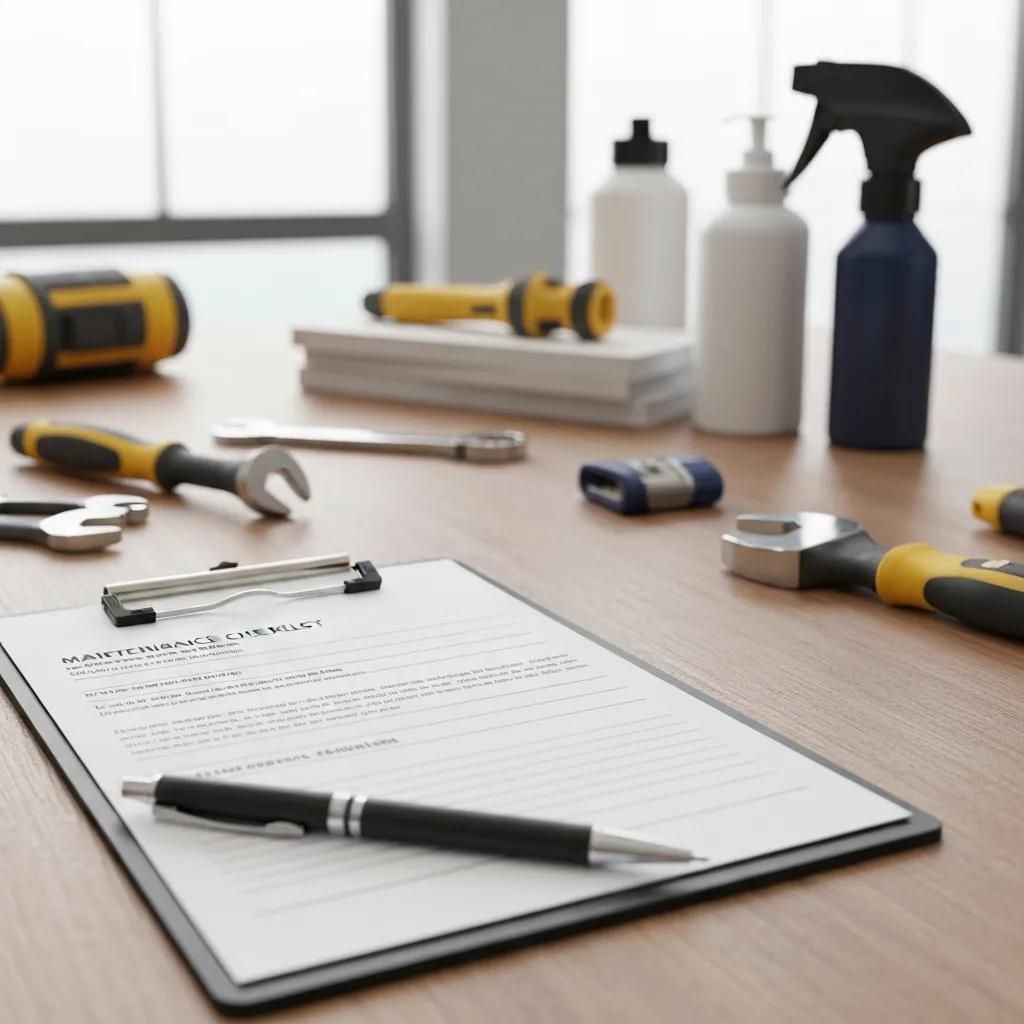
A practical checklist separates routine, preventative, and emergency tasks and sets a repeatable inspection cadence. Organize tasks by system—HVAC, plumbing, electrical, exterior—and assign intervals and ownership so nothing is overlooked. Record completion dates, contractor names, costs, and photos to build a maintenance ledger that supports budgeting, claims, and tenant communication. Whether you use a property-management platform or a shared spreadsheet, centralizing requests and vendor contacts speeds resolution and clarifies escalation steps.
What Are the Essential Routine and Preventative Maintenance Tasks?
Key routine and preventative items include changing HVAC filters, testing smoke detectors, clearing gutters, inspecting appliances, and scheduled pest control—small actions that cut failures and extend component life. Monthly tasks typically cover filters and visual checks; quarterly work may include gutter cleaning and system performance checks; annual service covers roofs, foundations, and full HVAC tune-ups. Track each entry to spot recurring problems and to size reserve funds more accurately. Often, modest preventative spending prevents much larger emergency costs.
How Should Seasonal Maintenance Be Scheduled for Rental Properties?
Plan seasonal work to prepare systems for weather-driven stress—spring for roof and exterior checks, summer for pest control and exterior painting, fall/winter for insulation and heating service. Set calendar reminders for tenant notices, book contractor windows early, and bundle work across properties when possible to secure better rates and faster service. Seasonal planning also highlights cosmetic updates that can improve renewals, like landscaping in spring or touch-ups before winter lease renewals. Consistent seasonal execution reduces emergency calls and improves tenant satisfaction year after year.
What Are Typical Rental Property Repair Costs and How to Budget for Them?
Repair costs vary by system, property age, and local market. Use simple rules—1–3% of property value annually or about $0.90–$1.30 per square foot—to size reserves, then adjust for property condition and tenant profile. Combine these rules with your repair history to set realistic targets and to decide when to use reserves versus financing. Clear budgeting reduces reactive spending and positions you to act quickly when a repair threatens income or habitability.
Before the table below, this markdown table summarizes typical repair types, cost ranges, and urgency levels so landlords can prioritize spending and plan reserves appropriately.
| Repair Type | Typical Cost Range | Urgency |
|---|---|---|
| HVAC service/repair | $150 – $2,500 | Routine / Emergency |
| Plumbing (leaks, pipe repair) | $150 – $3,000 | Emergency / Preventative |
| Roof repair or partial replacement | $300 – $8,000 | Emergency / Preventative |
| Appliance replacement | $200 – $1,200 | Routine / Preventative |
| Exterior siding/paint | $500 – $6,000 | Preventative |
The table shows wide cost ranges driven by scope and condition, reinforcing why a reserve fund sized by per-square-foot or percent-of-value rules is essential for steady upkeep.
How Much Should Landlords Expect to Spend Annually on Maintenance?
Plan for annual maintenance in the 1–3% of property value range or roughly $0.90–$1.30 per square foot, with higher rates for older buildings or high-turnover units. For example, a 1,200 sq ft unit at $1.10 per square foot implies about $1,320 per year—enough to cover routine fixes and small replacements. Adjust reserves based on property age, tenant mix, and local contractor pricing; tracking actual spend will refine your targets year to year. A dedicated maintenance reserve reduces reliance on emergency financing and smooths cash flow.
What Are the Most Common Maintenance Issues Affecting Rental Properties?
Frequent problems include HVAC failures, plumbing leaks, roof and gutter damage, appliance breakdowns, and pest infestations—issues that arise from regular use and gaps between turnovers. HVAC issues often surface during peak seasons, while aging plumbing can cause leaks and costly water damage. Regular HVAC service, annual roof inspections, gutter maintenance, and timely appliance replacement significantly lower the incidence and expense of these common failures. Knowing typical causes and costs helps prioritize preventative spend and plan financing for larger repairs.
How Can Fast Financing Support Timely Rental Property Maintenance?
Fast financing bridges the gap between identifying a time-sensitive repair and having the cash to complete it—protecting habitability and income. Equity-based loans and short-term bridge products let investors tap property value quickly to fund repairs that prevent regulatory violations, lost rent, or foreclosure. Matching loan type to the maintenance scenario minimizes downtime and financing cost. The table below compares common loan products by LTV, funding timeline, and typical fees for quick reference.
| Loan Product | Typical LTV | Typical Timeline to Funding | Typical Fees / Notes |
|---|---|---|---|
| Fix & Flip Loans | 65–75% of ARV | 5–10 days | Points and higher interest; good for rehab projects |
| Foreclosure Bailout / Bridge | 50–70% | 3–7 days | Fast underwriting; designed for urgent rescue |
| DSCR Loans (income-based) | 65–75% | 7–21 days | Underwrites to property income; moderate speed |
| Cash-Out Refinance | 60–80% | 15–45 days | Longer process but lowers rate; good for planned upgrades |
What Loan Options Are Available for Rental Property Repairs and Renovations?
Choose between fix & flip, foreclosure bailout/bridge, DSCR, and cash-out financing based on urgency, income profile, and equity. Fix & flip loans lean on after-repair value (ARV) and often fund in 5–10 days with LTVs in the 65–75% range; required docs typically include the purchase contract, rehab estimate, and proof of ownership. Foreclosure bailout or bridge loans prioritize speed, often funding in 3–7 days with minimal documentation beyond title and repair estimates. DSCR loans focus on property income and usually require rent rolls, P&Ls, and income verification, with funding times from one to three weeks. Match the loan to the repair purpose—use emergency bailouts for habitability crises, fix & flip for larger rehabs, and DSCR or cash-out for income-driven upgrades.
How Does Equity-Based Lending Facilitate Quick Funding for Property Upkeep?
Equity-based lending underwrites to the property rather than deep borrower credit, which simplifies approval and shortens documentation for urgent repairs. Lenders confirm equity via appraisals, broker price opinions, or comparable sales and typically request title reports, recent photos, and contractor estimates to validate the request. Because the loan is secured by the property, LTV and repair scope drive decision speed. This model fits investors facing imminent repair deadlines or foreclosure risk who need capital quickly and can pledge property equity.
Next, we map preventative maintenance practices to financing triggers so landlords can decide when to act with reserves and when to secure outside capital.
What Are Best Practices for Preventative and Emergency Maintenance in Rental Properties?
Combine scheduled preventative work, clear tenant communication, a vetted vendor network, and decision rules that trigger financing when repairs exceed reserves or threaten habitability. Service contracts for HVAC, pest control, and exterior work reduce emergency frequency, while a documented inspection cadence catches problems early. Keep a prioritized contractor list with response-time expectations so emergencies move straight to action. When repairs exceed reserve thresholds or interrupt income, use objective criteria—speed, cost, and long-term value—to choose financing over cash outlay.
How Does Preventative Maintenance Reduce Emergency Repair Costs?
Preventative maintenance finds wear before failure, significantly lowering emergency incidents and avoiding larger replacements. Routine HVAC servicing prevents mid-winter breakdowns; roof inspections catch small leaks before they become interior damage or mold. Low-cost tasks such as filter swaps, gutter clearing, and dryer vent cleaning deliver high ROI by preventing costly failures. Consistently applied, these measures reduce unexpected capital needs and support tenant retention.
Before showing specific emergency triggers, the following decision-mapping table links common scenarios to recommended financing options so landlords can act quickly and strategically.
| Scenario | Recommended Action | Financing Option Recommended |
|---|---|---|
| Imminent foreclosure risk | Immediate payment to halt foreclosure process | Foreclosure bailout / Bridge loan |
| Major system failure affecting habitability | Rapid repair or replacement to restore essential services | Emergency bridge or fix & flip loan |
| Large rehab to increase rents | Structured renovation plan with staged draws | Fix & flip or cash-out refinance |
| Income property needing capital for upgrades | Use cash flow underwriting | DSCR loan or P&L based approval |
When Should Emergency Repairs Trigger Immediate Financing Solutions?
Consider emergency financing when repairs endanger tenant safety, violate code, threaten foreclosure, or exceed reserves enough to interrupt rental income. Triggers include no-heat situations in winter, gas leaks, code enforcement notices with short cure periods, and structural failures that render units uninhabitable. For these scenarios, foreclosure bailouts or bridge loans can fund in 3–7 days; fix & flip loans can fund larger rehabs in roughly 5–10 days when paperwork is complete. Document the issue, obtain contractor estimates, and pick the loan product that minimizes downtime while aligning with your long-term strategy.
How to Develop a Seasonal Rental Property Maintenance Plan?

Build a seasonal plan that breaks tasks into spring, summer, fall, and winter checklists so you proactively address climate-driven wear and protect rental income year-round. Coordinate seasonal work with tenant notices and contractor scheduling to complete jobs efficiently and often at lower cost than emergency service. Focus first on items that affect habitability and energy efficiency—HVAC tune-ups before peak seasons, insulation checks before cold weather—to improve tenant comfort and reduce disputes. A documented schedule with follow-ups supports tenant retention and predictable maintenance spending.
What Are the Key Tasks for Spring, Summer, Fall, and Winter Maintenance?
Seasonal priorities include spring roof and gutter inspections; summer exterior work and pest control; fall heating service and pipe insulation; and winter weatherproofing and emergency readiness to prevent freeze damage. Spring is good for exterior cleaning, landscaping reset, and HVAC pre-season service; summer focuses on pest management and siding or paint repairs; fall prepares heating systems and insulates vulnerable pipes; winter centers on rapid-response plans for snow, ice, and heating performance. Schedule in advance, combine vendor visits across properties, and notify tenants of expected windows to minimize disruption. Consistent execution reduces emergency repairs and supports higher renewal rates.
How Can Landlords Use Maintenance Schedules to Improve Tenant Retention?
Landlords who communicate scheduled maintenance, resolve requests quickly, and time modest upgrades during leases earn tenant trust and higher renewal rates. Three practical steps that improve retention are: clear advance notices for upcoming checks, fast documented resolution of reported issues, and small improvements aligned with renewals that show ongoing care. Track response times, repair quality, and tenant feedback to refine processes and demonstrate commitment to habitability. Over time, a reputation for prompt maintenance shortens vacancy cycles and lowers operating costs.
If you need quick capital to carry out seasonal plans or respond to emergencies, a responsive financing partner can bridge timing gaps and preserve rental income while work is completed.
Fidelity Funding is a private hard-money lender offering loan programs for real estate investors—purchase loans, refinances, fix & flip financing, bridge/foreclosure bailout loans, and DSCR or P&L-based approvals. Our underwriting focuses on equity and speed, often funding within five to seven days for time-sensitive repairs or rehab projects. We streamline documentation around title, property valuation, contractor estimates, and repair scopes to accelerate urgent transactions. Investors seeking capital for property upkeep can submit deal details or request a review so we can recommend the right program without pressure, using clear timelines and LTV guidance.
- Vendor network coordination: Keep a ranked list of contractors with response times and standard quotes.
- Reserve fund policy: Maintain a percentage-based reserve per property to limit emergency funding needs.
- Financing criteria checklist: Keep appraisal, title, and contractor estimates ready to shorten lender review.
These operational practices, combined with fast, equity-focused lending options, let landlords act quickly to protect rental income and preserve property value.
Frequently Asked Questions
What should landlords do if a tenant fails to report maintenance issues?
Start by reviewing the lease to confirm tenant reporting obligations. Reinforce open communication and remind tenants how to report issues. Implement a simple reporting channel—email, portal, or phone—and consider scheduled inspections if problems persist. Regular checks help catch issues early and keep the property compliant and habitable.
How can landlords effectively manage maintenance costs over time?
Develop a detailed maintenance budget that separates routine and unexpected expenses, track repair history, and maintain a reserve fund. Use preventative maintenance schedules to lower long-term costs, and negotiate standing agreements with reliable vendors to secure better rates. Prioritize work by urgency and impact on habitability to get the most value from every dollar spent.
What are the benefits of using a digital property management tool for maintenance?
Digital tools centralize requests, document repairs, manage vendor contacts, and automate reminders—improving accountability and response times. They make it easy to produce maintenance reports, track costs, and coordinate schedules across properties, which reduces emergency incidents and enhances tenant satisfaction. Overall, they streamline operations and strengthen financial control.
How can landlords prepare for seasonal maintenance challenges?
Create a seasonal maintenance calendar with specific tasks for each season, book contractors early, and notify tenants ahead of work windows. Prioritize climate-related items such as HVAC service before summer and insulation checks before winter to reduce weather-related failures. Advance planning minimizes emergency calls and keeps tenants comfortable year-round.
What role does tenant feedback play in property maintenance?
Tenant feedback is vital for spotting issues landlords may not see. Regular surveys or informal check-ins surface problem areas and help prioritize repairs. Addressing tenant concerns promptly improves living conditions and strengthens landlord-tenant relationships, which supports higher retention and lower turnover costs.
What are the legal implications of neglecting maintenance responsibilities?
Failing to maintain a rental can lead to tenant lawsuits, fines, code enforcement actions, or loss of rental income if tenants withhold rent or break leases. Landlords may also face increased liability if someone is injured due to neglect. Staying current with local habitability laws and keeping clear maintenance records is essential to protect both tenants and your investment.
Conclusion
Effective maintenance protects tenants and preserves property value. Use structured checklists, seasonal plans, and clear budgeting to reduce emergency costs and improve tenant satisfaction. When repairs exceed reserves or require fast action, match the repair to an appropriate financing option so you can protect income and equity. Take proactive steps now to make property management smoother and more profitable over the long term.