


Planning Your Finances
Plan Your Investment Finances with Hard Money Loans
Hard money loans are short-term, asset-backed financing that help real estate investors move quickly on time-sensitive deals. This guide explains what hard money is, why investors choose it, and how specific programs — from purchase-plus-rehab combos to DSCR and commercial options — change leverage, timelines, and paperwork. You’ll get practical steps to secure fast funding, learn how lenders underwrite by property equity and ARV rather than full income history, and see which loan types best match common goals like acquisition, rehab, bailout, or cash-out refinance. The material is organized into clear sections: a definition and bank comparison, fix-and-flip mechanics and LTV, DSCR loans for rentals, commercial loan types, foreclosure bailout options, and a step-by-step approval checklist to speed closings. Throughout, the focus stays practical — budgeting, risk management, and executing offers under time pressure — with real-world examples from a fast, flexible private lender to show how it all fits together.
What are hard money loans and how do they support real estate financing?
Hard money loans are private, short-term loans that use the property itself as primary collateral and underwrite based on equity and ARV instead of full income documentation. That asset-first approach speeds decisions and allows higher leverage on deals banks often won’t touch, so investors can lock purchases, fund rehabs, or stop foreclosure timelines. Typical hard money features include interest-only payments, short terms, and clearly defined exit strategies tied to sale or refinance — making these loans useful bridge financing for flips, rehabs, and distressed situations. Knowing how these elements work helps investors match the right product to their plan and manage carrying costs, rehab budgets, and exit timing effectively.
At Fidelity Funding, we illustrate this asset-based model for California investors: speed, flexibility, and clear loan terms that support quick deal execution. Our programs show how local private lenders prioritize property equity when underwriting, often enabling transactions traditional lenders can’t. Next, we’ll break down fix-and-flip financing so you can see how those programs accelerate returns and reduce holding risk.
How do hard money loans differ from traditional bank loans?
The main differences are underwriting focus, timeline, and documentation. Banks concentrate on borrower credit and full income verification and typically take longer to process — which can cost investors opportunities. Hard money lenders focus on the collateral’s value and projected ARV, enabling faster decisions. Rates and fees are usually higher to reflect risk and speed, terms are shorter, and interest-only structures are common to ease cash flow during rehab. Understanding these trade-offs lets investors choose financing that fits the deal’s urgency and the clarity of their exit plan rather than relying on credit history alone.
Those differences create clear use cases: when speed or flexibility matters, hard money can deliver solutions banks cannot. The next section lists the key investor benefits to clarify when it’s the right tool.
What are the benefits of using hard money loans for property investors?
Hard money loans offer distinct advantages for investors planning and executing deals. They enable faster closings to win competitive offers, allow higher leverage on distressed or nonconforming properties, and accept alternative income documentation like P&L statements or bank statements. Flexible underwriting supports second-lien structures, foreclosure bailouts, and rehab financing with draw schedules — all of which help preserve investor capital and speed project timelines. Used thoughtfully, hard money is a practical part of a diversified financing strategy when borrowers have a clear exit, control rehab timing, and plan carrying costs.
Investors should balance these benefits against higher borrowing costs and build exit plans accordingly. Next, we’ll examine how fix-and-flip financing is structured to accelerate investment returns.
How can fix-and-flip financing accelerate your real estate plans?

Fix-and-flip financing bundles acquisition and rehab funding so investors can move from offer to work start faster — cutting holding costs and opportunity risk. These loans can tie leverage to the purchase price, the ARV, or a combination, helping investors preserve capital across multiple projects. Fast approvals and draw schedules let contractors begin promptly and let investors control rehab pacing, reducing time to market and improving ROI. Below are core features and a comparison to help you plan leverage, timelines, and likely funding speed.
The table below compares common fix-and-flip program parameters investors use to estimate equity needs and project feasibility before submitting offers.
| Loan Program | LTV (Purchase) | Rehab Coverage | Typical Term | Funding Speed |
|---|---|---|---|---|
| Purchase + Rehab Combo | Up to 90% purchase | Up to 100% rehab (based on estimates) | 6–12 months | 5–10 days typical |
| Rehab-Only Bridge | Based on existing equity | Progressive draw schedule | 3–12 months | 7–14 days |
| Short-Term Bridge | Lower LTV, quick exit | Minimal rehab coverage | 1–6 months | 3–10 days |
This comparison clarifies how structures affect down payment and timeline planning, helping investors calculate cash-to-close and contingency reserves for a target ARV.
What are the key features and LTVs for fix-and-flip loans?
Fix-and-flip loans often combine a purchase LTV with separate rehab funding. LTVs vary with ARV, property condition, and local market assumptions. Strong ARV projections can allow higher purchase LTVs; rehab funds may be full or partial and are released via draw inspections. Interest-only payments keep cash available for renovations, but don’t forget to budget origination and inspection fees. Knowing how LTV, ARV, and rehab coverage interact helps you calculate break-even points and projected profit before you close.
These parameters also influence underwriting and required documents. The next subsection outlines the step-by-step financing process so you can move faster.
What is the step-by-step process to secure fix-and-flip financing?
A clear process reduces approval time and funding delays: prepare documentation, submit deal details, order appraisal/inspection, complete underwriting, and schedule closing with title and escrow. Typical prequalification items include a purchase contract, repair estimates or scope of work, property photos, and proof of investor funds for down payment or reserves. Underwriting focuses on ARV realism, rehab budget accuracy, and a solid exit plan. When title and documents are in order, funds can often be available in days. Keep an up-to-date draw schedule and stay responsive with title and contractors to minimize hold time.
For high-LTV examples, some lenders offer up to 90% purchase financing paired with full rehab funding on eligible projects — demonstrating how private financing enables aggressive acquisition strategies while managing capital deployment.
What are DSCR loans and how do they help rental investors plan finances?
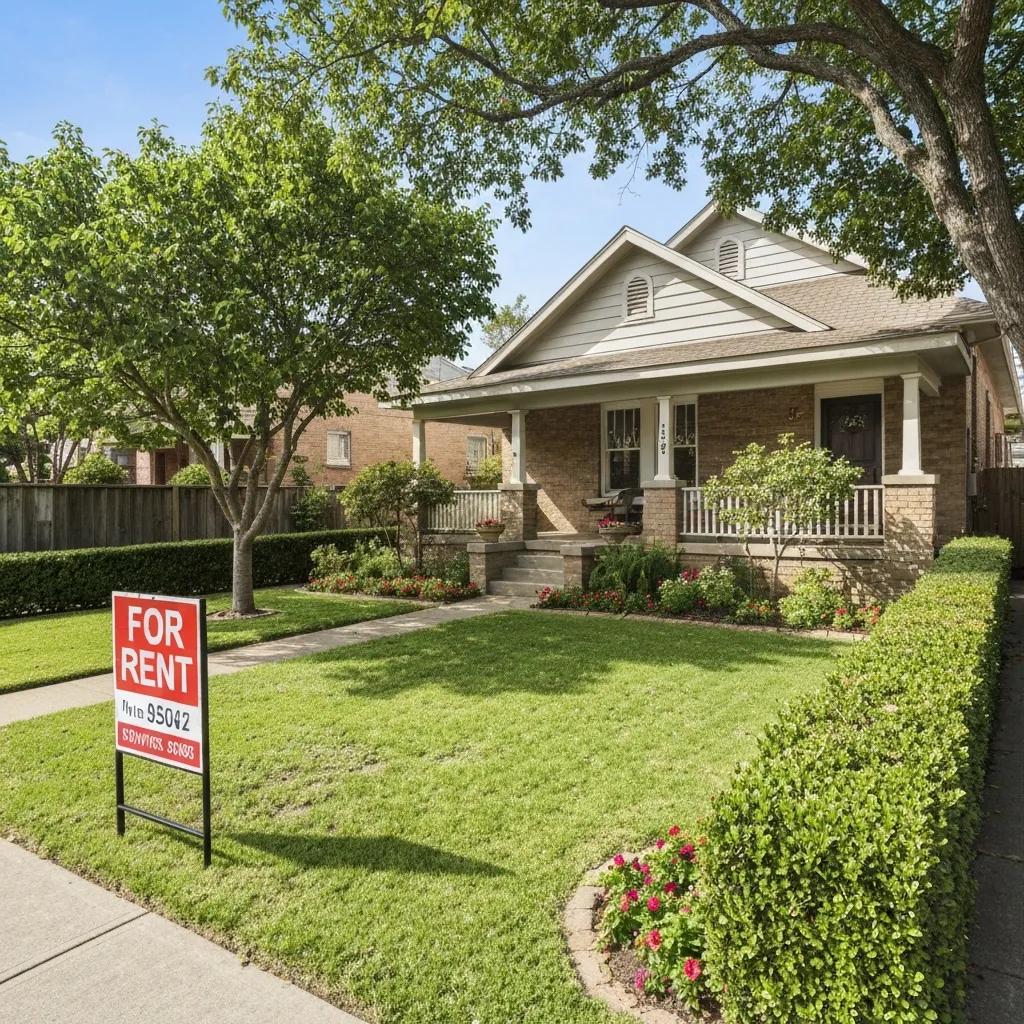
DSCR (Debt Service Coverage Ratio) loans underwrite by property cash flow rather than borrower income. Lenders compare net operating income to debt service to size the loan. That lets investors with strong rental performance secure financing even when personal income documents are limited, because the property’s cash flow is the main metric. DSCR thresholds determine loan size, influence rates, and affect reserve requirements, so converting gross rent to NOI accurately and applying realistic vacancy and expense assumptions is critical. Understanding DSCR mechanics helps you forecast monthly cash-flow impacts and judge whether a purchase or refinance will improve portfolio yield.
The table below shows typical DSCR loan attributes and documentation requirements that affect approval and structuring.
| DSCR Loan Type | DSCR Requirement | Documentation | Typical LTV | Use Case |
|---|---|---|---|---|
| Standard DSCR | 1.20–1.40 minimum | Leases, rent roll, P&L, bank statements | 60–75% | Small rental acquisitions |
| Portfolio DSCR | Variable by asset class | Historical income, expense statements | 65–80% | Multi-unit portfolios |
| Flexible DSCR | Lower DSCR with reserves | P&L and bank statements accepted | 70–75% | Investors with strong reserves |
This table shows how DSCR thresholds and documentation choices shape loan options; prepare rent rolls and clear expense records to maximize LTV and secure better terms.
What are the DSCR loan requirements for investors?
DSCR loans require clear rental income documentation — either leases and rent rolls for stabilized properties or P&L statements and bank records when leases aren’t available. Lenders calculate NOI by subtracting operating expenses and vacancy assumptions from gross scheduled rent, then divide NOI by annual debt service to get DSCR. Typical underwriting asks for property-level statements, proof of reserves, and evidence of market rents. Higher DSCRs or extra reserves improve approval odds. Accurate expense and rent documentation speeds underwriting and reduces back-and-forth.
How does rental income influence DSCR approval?
Rental income is the numerator in the DSCR calculation, so small changes in rent or expense assumptions can materially affect loan size. For example, $24,000 NOI against $18,000 annual debt service yields a DSCR of 1.33 — often above lender minimums and supportive of higher LTV. Overstated income or understated expenses shrink borrowing capacity, so conservative, documented rent and expense modeling matters. Lenders that accept P&L and bank statements help investors with nontraditional income profiles access DSCR financing faster — a flexibility some private lenders offer for time-sensitive portfolio moves.
How do commercial loans provide fast financing for investment properties?
Commercial loans cover retail, office, industrial, mixed-use, and multifamily properties and differ by underwriting criteria, term length, and amortization. Compared with residential hard money, commercial underwriting emphasizes stabilized income, tenant mix, leases, and DSCR at the property level — but private commercial lenders can still provide rapid bridge funding when speed is essential. These products support purchases, refinances, rehab, and bridge-to-permanent strategies and typically offer larger loan sizes with terms tailored to cash-flow goals. The table below helps you compare common commercial options so you can match capital structure to your business plan.
| Commercial Loan Type | Property Types | Typical Terms | Loan Size Range | Funding Speed |
|---|---|---|---|---|
| Short-Term Bridge | Retail, office, industrial | 6–36 months, interest-only | $250k–$5M+ | 7–21 days |
| DSCR Commercial | Multifamily, small apartment | 5–25 years, amortization varies | $500k–$10M+ | 10–30 days |
| Rehab/Value-Add | Mixed-use, multifamily | 12–36 months, draw schedules | $250k–$10M+ | 7–30 days |
This comparison helps you weigh time horizons and funding speed against long-term financing goals when structuring deals.
What property types qualify for commercial loans?
Commercial loans can finance retail storefronts, office buildings, industrial warehouses, mixed-use projects, and multifamily complexes — each with different underwriting priorities. Lenders review occupancy, lease terms, tenant credit, zoning compliance, and historical performance. Properties with stable, long-term leases usually get the largest loans and best terms. Bridge or rehab commercial loans accept more condition risk but require credible business plans and realistic pro forma income. Knowing the qualifying criteria for each class helps you choose the right lender and prepare the correct documentation.
These property distinctions influence term choice and exit planning, which leads into typical commercial loan terms and their benefits.
What are the typical terms and benefits of commercial loans?
Commercial terms range from short, interest-only bridge loans to longer amortizing loans for cash-flow stability. Benefits include the ability to finance larger projects, match amortization to cash flow, and use cash-out refinancing to scale a portfolio. Flexible private lenders can also enable transactions when conventional timelines are impractical. Prepayment terms and exit strategies matter because they affect refinancing or sale economics. Match your term selection to your business plan: more flexibility often costs more short term but gives you the ability to execute time-sensitive, profitable projects.
Private commercial lenders that couple speed with local market knowledge can help investors seize repositioning or value-add opportunities.
What are foreclosure bailout loans and how can they protect your investment?
Foreclosure bailout loans are emergency, short-term funds designed to stop foreclosure by covering the amounts needed to cure a default or buy time for a longer solution. These loans prioritize speed and coordinated title work because trustee sale timelines are fixed. Lenders quickly assess equity and the cure amount to determine feasibility. Bailout financing can include arrears payoffs, temporary bridge loans, or structured cure plans to stabilize the property or enable a sale. Knowing the operational steps and required documents under time pressure is essential for investors facing imminent sale dates.
How do foreclosure bailout loans prevent property loss?
A bailout loan provides immediate funds to satisfy arrears and fees and creates a temporary lien or payoff structure that halts a trustee sale while parties negotiate a longer-term outcome. The lender coordinates with title and servicers to ensure funds are applied correctly and subordinate liens are handled, preserving the investor’s ability to sell or refinance once stabilized. Prompt delivery of the notice of default, payoff estimate, and title records speeds underwriting because the lender can verify equity and build a cure budget quickly. Fast, clear communication between borrower, lender, title, and servicer is the operational mechanism that turns available equity into a successful bailout.
The next subsection lists the fast approval steps and documentation common to bailout financing so you can prepare.
What are the requirements and approval steps for bailout financing?
For bailout financing, lenders typically need documentation that confirms default status, a payoff estimate from the servicer, a recent valuation or appraisal, and proof of available equity or exit strategy. Submitting these items quickly shortens approval time. The usual process is: (1) provide notice/default docs and the payoff amount, (2) deliver a recent title report and valuation, (3) confirm the exit plan (sale, refinance, or cure), and (4) coordinate with escrow for immediate payoff and lien recording. Lenders assess feasibility based on equity, timing relative to the trustee sale, and title clarity; having these documents ready often leads to approvals measured in days. Be prepared to act fast and keep channels open so funds clear before critical sale deadlines.
Private lenders that emphasize rapid underwriting can be decisive where coordinated title work and immediate funds are required to stop a sale.
What are the fast approval steps and required documents for planning your real estate finances?
Fast approvals depend on a ready documentation package, efficient coordination with title and escrow, and a clear exit plan. Lenders focus on documents that prove property value, rehab scope, and borrower capacity to cover initial costs. Submitting a complete file up front is the single biggest way to speed closings. Below is a practical checklist to assemble before applying to a hard money or private lender so you can move through pre-qualification and underwriting quickly.
Prepare the following checklist to streamline your submission and avoid common bottlenecks:
- Purchase Contract and Amendments: Include all pages, contingencies, and signatures.
- Repair Estimates and Scope of Work: Provide contractor bids and a phased draw plan.
- Title Preliminary Report and Existing Liens: Current title data to confirm encumbrances.
- Borrower Identification and Proof of Funds for Down Payment: ID and bank statements.
- Rental Documentation or P&L: Leases, rent rolls, or business P&L for income-based approvals.
Having these materials ready reduces underwriting questions and speeds appraisal and title steps, which are common delay points.
Fidelity Funding emphasizes fast closings and clear checklists so borrowers move from inquiry to funding quickly. When files and title are in order, we regularly document the ability to close many transactions within a 5–10 day window. For time-sensitive deals, submit a complete packet, stay responsive to underwriter requests, and engage title/escrow early. If you need immediate help, submit your deal, call our intake team, or fill out our submission form so underwriting can begin right away.
What documents are needed for quick hard money loan approval?
Quick approvals rely on a compact, complete document set that verifies the property, rehab plan, and borrower readiness. Core items include the fully executed purchase contract, clear property photos, a preliminary title report, contractor estimates or scope, borrower ID, and proof of funds for any required down payment or reserves. For income verification, many lenders accept alternatives like profit-and-loss statements, bank statements, or rent rolls instead of tax returns — which speeds approvals for nontraditional borrowers. Organized, labeled files and quick responses help appraisal and title proceed without interruption.
These documents feed directly into process optimizations that enable 5–10 day closings with the right lender and a prepared borrower.
How does Fidelity Funding deliver closings in 5 to 7 days?
We close quickly by focusing on local, asset-based underwriting, a checklist-driven intake, and tight coordination with title and escrow partners. Early ordering of appraisal and title, combined with underwriters who prioritize property equity and exit plans, reduces time spent on nonessential verifications. Borrower readiness — delivering the purchase contract, repair scope, and proof of funds promptly — pairs with our workflow to meet aggressive timelines. When title is clear and documentation is complete, 5–7 day closings are achievable. You can help by preparing a full submission packet, keeping escrow lines open, and having contingency plans for contractor draws.
This structured approach to documentation and local underwriting flexibility turns prepared investor plans into timely funding outcomes.
Frequently Asked Questions
1. What types of properties are best suited for hard money loans?
Hard money is ideal for distressed properties, fix-and-flip projects, and investments that need fast financing. Use it on properties traditional lenders may avoid — those needing major repairs or with uneven cash flow — and on nonconforming assets that don’t fit standard underwriting. It’s a tool to capitalize on opportunities that require speed and flexibility.
2. How can I determine if a hard money loan is right for my investment?
Consider deal urgency, property condition, and your exit strategy. Hard money makes sense if you need quick access to funds, have a clear and realistic exit plan, and can handle higher interest and fees. Evaluate repair costs, market conditions, and carrying expenses to ensure the numbers support your return goals.
3. What are the typical interest rates for hard money loans?
Rates commonly range from 8% to 15%, depending on lender, borrower experience, and property condition. Expect higher costs than bank loans because terms are shorter and risk is elevated. Also factor in origination fees and closing costs — compare multiple offers to find the best net terms.
4. Can I use hard money loans to refinance existing properties?
Yes. Hard money can refinance properties when traditional options aren’t available, including cash-out situations to access equity or consolidate debt. Because costs are higher, have a clear plan for refinance or sale to ensure the transaction remains profitable.
5. What should I prepare before applying for a hard money loan?
Prepare a complete package: executed purchase contract, property photos, preliminary title report, repair estimates, and proof of funds for down payment or reserves. A clear exit strategy and realistic valuation estimate will streamline underwriting and reduce delays.
6. How quickly can I expect funding from a hard money lender?
Typical funding timelines are 5–10 days after application when documentation and title are in order. Speed is a primary advantage of hard money, but timelines vary by lender and deal complexity. Clear communication throughout the process helps keep things on track.
7. Are there risks associated with hard money loans?
Yes. Higher interest rates and fees can squeeze cash flow and reduce profitability. If the property doesn’t sell or refinance as planned, or repairs run over budget, investors can face financial strain. Do thorough due diligence, budget conservatively, and maintain a solid exit plan to mitigate risk.
Conclusion
Hard money loans can be a powerful lever in your real estate strategy — providing fast capital and flexible structures that let you act on time-sensitive opportunities. When matched to the right deal and paired with a clear exit plan, these loans help manage risk, control rehab timelines, and execute with confidence. If you’re ready to move quickly, explore our hard money options or contact our team to start your submission.