


Property Disclosures: Investor Responsibilities and Legal Obligations in Real Estate
Property disclosures are a foundational part of every real estate deal — especially for investors who must balance opportunity with legal risk. Knowing what sellers must disclose, how to verify that information, and where state and federal rules apply helps you protect capital and avoid costly surprises. This guide breaks down investor responsibilities, seller duties, due diligence best practices, special scenarios you’ll commonly encounter, and the regulatory landscape that shapes disclosure obligations.
What Are Property Disclosures and Why Do They Matter to Real Estate Investors?
Property disclosures are the formal statements sellers give about a property’s condition and known issues. For investors, these disclosures are decision-making tools: they reveal hidden costs, help price offers, and reduce legal exposure. Clear disclosures create transparency that protects both buyers and sellers and reduces the chance of post-sale disputes.
What Is a Property Disclosure Statement and Its Key Components?
A property disclosure statement lists known defects and material facts about a property. Typical components cover structural problems, plumbing and electrical systems, past repairs or renovations, and environmental or health hazards. Sellers are legally obligated to be truthful; incomplete or inaccurate statements can lead to liability for misrepresentation. For investors, the disclosure statement is a primary source for assessing risk before committing funds.
How Do Property Disclosures Protect Investors and Mitigate Risks?
Disclosures protect investors by flagging issues that could require repairs, limit resale value, or trigger regulatory remediation — for example, lead paint, mold, or underground contamination. Investors who closely review disclosures and pair them with inspections face fewer unexpected costs and legal claims. In short: disclosures reduce uncertainty and help you size projects and contingencies accurately.
What Are the Seller Disclosure Requirements for Investors?
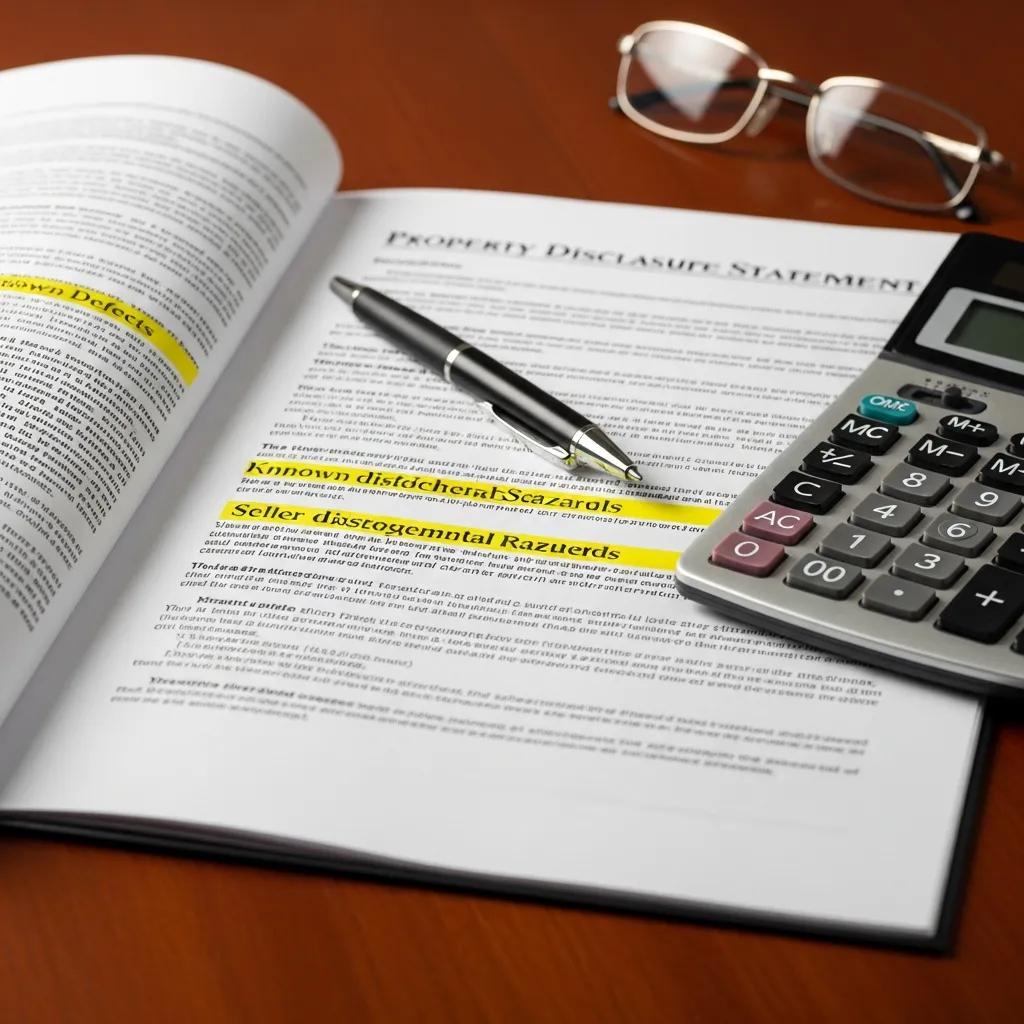
Disclosure rules differ by state, but most require sellers to report material defects and other facts that would influence a buyer’s decision. As an investor-seller, you must understand and follow your state’s requirements: failing to disclose known issues can lead to lawsuits, financial penalties, and damaged reputation.
Which Material Defects Must Investors Disclose When Selling Property?
Material defects are conditions that affect a property’s value or habitability — common examples include structural failure, significant water intrusion, and active pest infestations. Disclosing these issues not only meets legal obligations but also protects you from future claims. When in doubt, disclose: transparency reduces liability and builds trust with buyers.
How Do Environmental Hazards and Title Encumbrances Affect Disclosure Obligations?
Known environmental hazards — like asbestos, contaminated soil, or underground storage tanks — must be disclosed because they can carry remediation costs and regulatory obligations. Title encumbrances such as liens, easements, or unresolved judgments also need disclosure because they affect marketability and financing. Both categories materially influence buyer decisions and loan approvals, so they belong on the disclosure form.
How Should Investors Conduct Due Diligence on Property Disclosures When Buying?

Due diligence starts with a careful read of the disclosure statement, followed by independent inspections and targeted investigations (environmental tests, title searches, permit records). Verify seller claims and document discrepancies. The goal is to confirm the property’s condition and to quantify remediation or renovation costs before closing.
What Are the Buyer’s Rights Regarding Seller Disclosures?
Buyers have the right to receive accurate disclosure information and to act on undisclosed defects discovered after purchase. Remedies vary by jurisdiction but can include rescission, repair costs, or damages for misrepresentation. Knowing your rights helps you negotiate protections into the contract — contingencies, escrow holds, or price adjustments.
How Can Property Inspections Complement Disclosure Forms for Investors?
Inspections provide an independent, professional evaluation that often reveals issues not listed on disclosure forms — hidden structural problems, outdated systems, or safety concerns. Pair disclosures with qualified inspections to build a complete risk profile and refine your offer and renovation budget.
What Are Special Disclosure Scenarios Relevant to Real Estate Investors?
Certain investment strategies create disclosure nuances. Fix-and-flip projects, owner-financed sales, bulk portfolio transfers, and distressed sales each carry different expectations and legal obligations. Recognizing these scenarios lets you plan disclosure strategy and manage buyer expectations.
How Do Disclosure Obligations Differ for Fix and Flip Properties?
Even when selling a property you’ve renovated, you must disclose known defects, prior damage, and any work performed without permits. Buyers and lenders expect transparency about the scope and quality of repairs. Clear, documented disclosures reduce post-sale disputes and support a smoother resale process.
What Are the Owner Financing Disclosure Responsibilities for Investor-Lenders?
Investor-lenders offering owner financing must disclose loan terms, repayment schedules, interest rates, and any risks tied to owner financing arrangements. Full disclosure protects both parties and helps ensure compliance with lending laws and consumer protection rules.
How Do State and Federal Laws Impact Investor Property Disclosure Obligations?
State statutes dictate most disclosure requirements, but federal rules add layers for specific hazards and buyer protections. Investors must understand both levels to stay compliant and avoid penalties.
What Are the Key State-Specific Disclosure Variations Investors Should Know?
State differences are wide: some require detailed checklists, others rely on general duty-to-disclose standards. Certain states mandate disclosures for particular hazards or past repairs. Always consult local statutes or counsel to confirm what your state requires before listing or buying.
Which Federal Disclosure Requirements Apply to Investment Properties?
Federal laws — for example, the Residential Lead-Based Paint Hazard Reduction Act for properties built before 1978 — impose specific disclosure rules. Other federal standards may apply depending on funding sources or property use. Ensure federal obligations are met in addition to state requirements to avoid penalties.
How Does Understanding Property Disclosures Influence Loan Approvals and Investor Success?
Accurate disclosures and strong due diligence signal credibility to lenders. Incomplete or inconsistent disclosures can delay or derail financing. A disciplined disclosure process helps you close deals faster, secure better loan terms, and protect investor returns.
How Do Disclosure Compliance and Due Diligence Affect Hard Money Loan Approvals?
Hard money lenders focus on collateral and exit strategy. Clear disclosures and documented inspections reduce perceived risk and speed underwriting. Showing lenders that disclosures are complete and that you’ve budgeted for known issues improves the odds of approval and timely funding.
What Resources Does Fidelity Funding Provide to Support Investor Disclosure Responsibilities?
Fidelity Funding offers practical resources to help investors meet disclosure obligations: educational guides, sample disclosure checklists, and access to partner professionals (legal and environmental) when needed. Use these tools to streamline due diligence and keep transactions compliant and predictable.
Frequently Asked Questions
What should investors do if they discover undisclosed issues after purchasing a property?
Document the issue immediately — photos, inspection reports, and any communications. Then consult a real estate attorney to assess remedies based on your contract and local law; options may include a claim for misrepresentation, breach, or pursuing compensation through escrow. Review whether additional inspections could have uncovered the problem and update your due diligence checklist for future deals.
How can investors ensure they are compliant with local disclosure laws?
Start by checking state real estate commission resources and model disclosure forms. Work with a local real estate attorney or an experienced agent who understands regional requirements. Regularly review updates to state law and attend local investor workshops to stay current with best practices.
What are the consequences of failing to provide accurate property disclosures?
Consequences range from financial damages and repair costs to rescission of the sale, statutory penalties, and damage to your reputation. In many cases, buyers can sue for misrepresentation or seek contract remedies. Accurate disclosures are both a legal requirement and a practical safeguard.
Are there any exemptions to property disclosure requirements for investors?
Yes—exemptions exist in some situations, such as certain estate sales, foreclosures, or sales of newly constructed properties, depending on state law. Even where exemptions apply, disclosing known material defects is often the prudent choice to avoid later disputes. Verify exemptions with local counsel before assuming they apply.
How can technology assist investors in managing property disclosures?
Technology streamlines disclosure workflows: document management platforms, digital signature tools, and disclosure-tracking software help ensure forms are complete, stored, and shared correctly. Some tools integrate inspections, title reports, and communication logs to create a single source of truth for each deal.
What role do real estate agents play in the disclosure process for investors?
Agents guide investors through local disclosure requirements, help prepare accurate forms, and advise on how to present known issues to buyers. Experienced agents can also connect you with inspectors and attorneys, and help structure offers and contingencies that protect your position.
How can investors effectively communicate disclosure information to potential buyers?
Be proactive and transparent: provide a clear, complete disclosure packet early in the sales process, include inspection reports when available, and be ready to answer questions. Plain-language explanations and documentation build buyer confidence and reduce negotiation friction.
Conclusion
Property disclosures are a practical risk-management tool for investors. Being thorough, truthful, and proactive protects your investment, speeds transactions, and preserves your reputation. Combine clear disclosures with solid inspections, local legal guidance, and the right resources to minimize surprises and maximize returns. For more tools and guidance, explore our investor resources and reach out to our team when you need tailored support.