

Investment Property Maintenance Checklist: Practical Steps to Preserve Value, Maximize ROI, and Protect Your Assets
Routine maintenance is one of the most reliable ways investors protect capital and improve returns. This checklist lays out the preventative tasks, cost-conscious repair strategies, and tech tools that keep properties market-ready and tenants satisfied. It also highlights California-specific rules every landlord should know so you can avoid surprises and preserve property value.
Why preventative property maintenance matters for investors
Preventative maintenance preserves value by catching small problems before they become costly repairs. Regular inspections and scheduled upkeep limit deterioration, reduce emergency work, and keep units attractive to renters. A proactive approach lowers operating costs over time and helps properties stay competitive in the rental market.
How proactive maintenance protects investment value
Addressing issues early shields a property from cascading damage. Simple examples: routine checks on plumbing and HVAC reduce the risk of leaks and breakdowns that lead to extensive repairs. Properties with consistent upkeep retain value better and lease faster than neglected units—so preventative spending is often a net gain at resale or refinancing.
What are the financial risks of neglecting maintenance?
Skipping routine care leads to higher emergency repair costs, unexpected budget hits, and more frequent vacancies. Tenants avoid units that look poorly maintained, which drives turnover and lowers rent potential. Over time, deferred maintenance can depress a property’s value, making it harder to refinance or sell at market rates.
What belongs in a rental property upkeep guide?
A thorough upkeep guide covers recurring inspections, a seasonal maintenance calendar, and clear documentation of all work. That structure ensures nothing slips through the cracks and provides a record you can use for budgeting, insurance claims, and loan underwriting.
Which plumbing and HVAC tasks should investors prioritize?
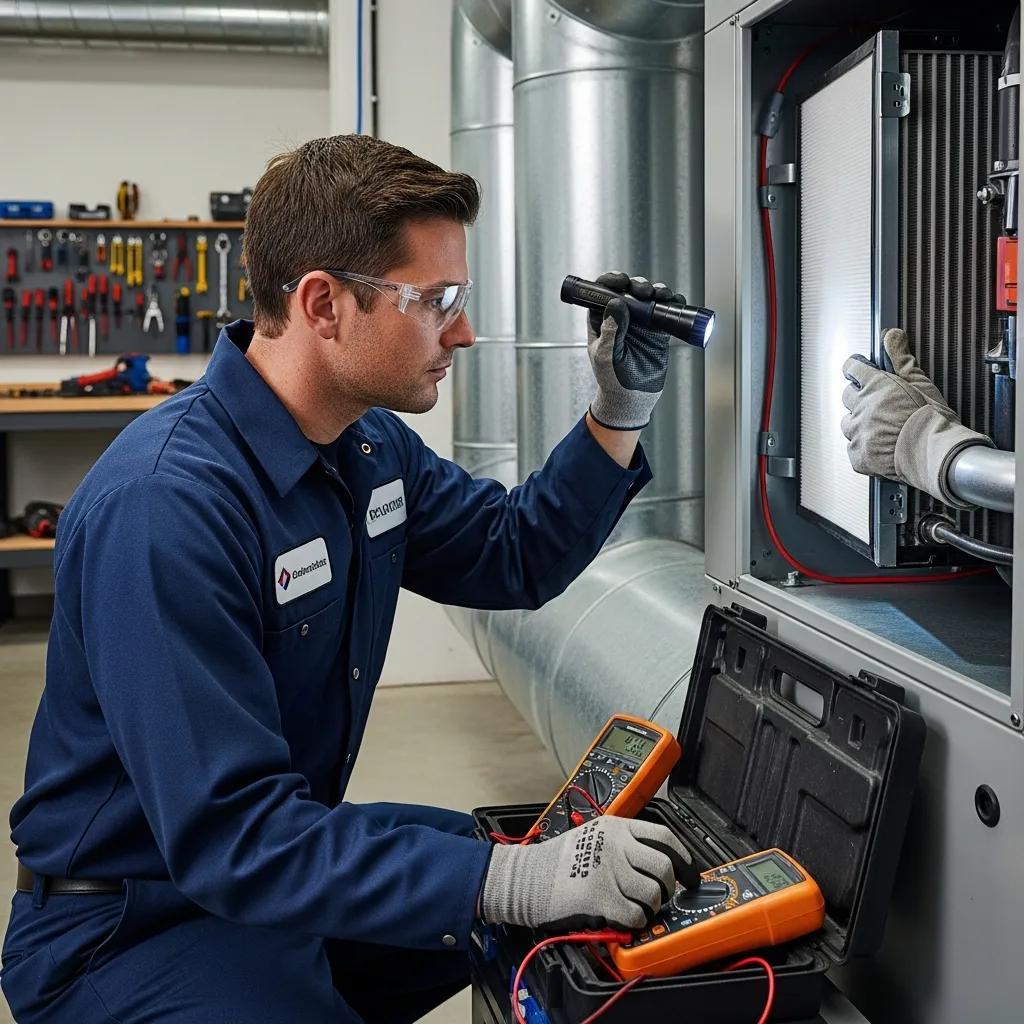
Focus on high‑impact HVAC and plumbing tasks that prevent failures and maintain efficiency. Key priorities include:
- Annual inspections: Inspect plumbing and water lines each year to catch leaks, corrosion, and loose fittings.
- Filter replacement: Replace HVAC filters every 1–3 months based on usage and filter type to protect equipment and indoor air quality.
- Drain maintenance: Schedule professional drain cleaning every 1–2 years to avoid backups and slow drains.
These routine items reduce emergency calls and help sustain tenant comfort and satisfaction.
How exterior and landscaping upkeep improve curb appeal
The exterior is a property’s first impression. Well-kept grounds and finishes attract better tenants and support stronger rents. Focus on:
- Fresh paint and trim: Repaint as needed to guard against weathering and preserve siding and trim.
- Landscaping upkeep: Keep lawns, shrubs, and walkways tidy and safe to boost curb appeal.
- Exterior lighting: Maintain outdoor lights for safety and to enhance the property’s look at night.
Investing in the exterior reduces vacancy time and improves perceived value.
How can landlords make repairs cost-effective?
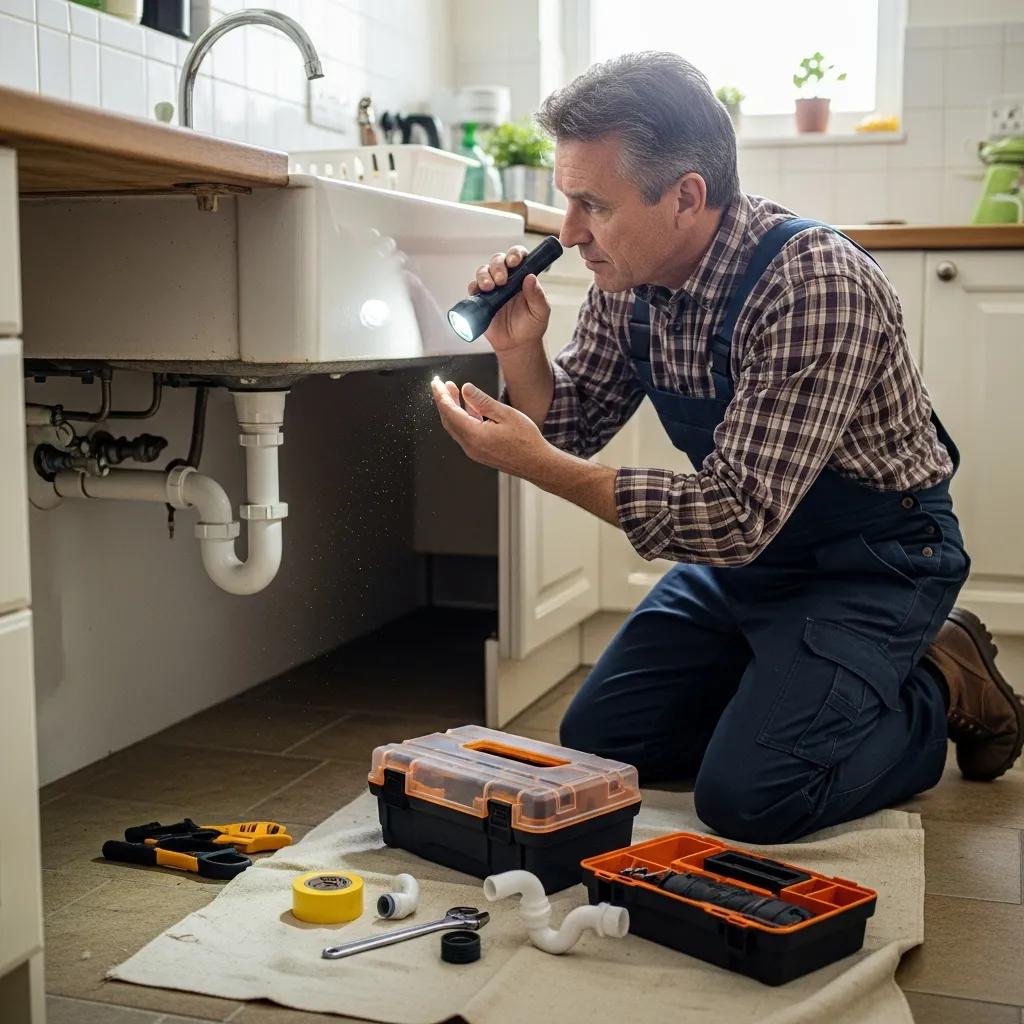
Cost-effective repairs start with triage: prioritize urgency and tenant impact, then allocate funds where they prevent bigger problems. A planned approach—backed by a reserve—keeps small issues from becoming budget-crushing emergencies.
Which budgeting strategies support sustainable maintenance?
Adopt simple financial habits to absorb repair costs without disrupting cash flow:
- Maintenance reserve: Allocate a percentage of rental income to a repair fund for unexpected work.
- Quarterly budget reviews: Reassess maintenance spending every quarter and adjust projections as systems age.
- Smart DIY: Handle minor, safe repairs in-house to save on labor while reserving contractors for complex jobs.
These steps keep you prepared and reduce reliance on emergency spending.
How to balance emergency repairs with preventative care
Effective property stewardship balances urgent fixes with scheduled upkeep:
- Respond to emergencies first: Address safety and habitability issues immediately to limit damage.
- Maintain a preventive schedule: Use quarterly and annual checklists for non-urgent tasks.
- Engage tenants: Encourage prompt reporting so small problems don’t escalate.
This balance preserves value and controls long-term costs.
How can technology and contractors streamline maintenance?
Combining the right tools with reliable tradespeople accelerates repairs and simplifies recordkeeping. Technology reduces response time; vetted contractors deliver consistent quality.
What are best practices for hiring and managing contractors?
Follow clear, repeatable steps when working with vendors to protect timelines and budgets:
- Check references and reviews: Verify past work and client satisfaction before hiring.
- Use clear contracts: Define scope, schedules, milestones, and payment terms in writing.
- Keep communication open: Regular updates and site checks prevent misunderstandings and rework.
These practices reduce risk and help build a dependable vendor network.
How can smart maintenance tools improve efficiency?
Leverage software and devices that automate tracking and alert you to problems early:
- Maintenance management platforms: Centralize requests, schedules, and vendor communications.
- IoT sensors: Monitor HVAC, humidity, and water lines to detect anomalies before they cause damage.
- Tenant apps: Let residents submit requests and photos to speed triage and resolution.
Tech reduces manual work, shortens response times, and creates a documented history of maintenance activity.
Which California maintenance laws should investors consider?
California enforces specific landlord obligations that affect scheduling, disclosures, and habitability. Staying compliant avoids legal risk and protects your asset.
Which state regulations affect landlord maintenance responsibilities?
- Implied warranty of habitability: Units must meet basic health and safety standards required by law.
- Timely repairs: Landlords must address repairs within reasonable timeframes—typically promptly for emergencies and within a commercial reasonable period (often referenced as 30 days) for non-emergencies.
- Disclosure rules: Disclose known hazards affecting the property, such as lead paint or significant mold issues.
Know these rules and document actions to reduce exposure to disputes and claims.
How do California laws shape scheduling and tenant relations?
- Entry notice: Provide at least 24 hours’ written notice before entering a unit for non-emergency repairs, unless the situation is urgent.
- Tenant repair rights: Tenants can request repairs and expect timely responses; timely communication helps resolve issues amicably.
- Maintain clear communication: Transparent, documented updates reduce conflicts and build tenant trust.
Following these practices supports compliance and better landlord–tenant relationships.
How does proper maintenance support financing and investment goals?
Well-documented maintenance and a track record of care make properties more attractive to lenders and buyers. Lenders often weigh property condition heavily when underwriting loans.
How do hard money loans support fix-and-flip projects with maintenance in mind?
Hard money lenders underwrite fast-turn projects based on property value and after-repair projections, not just credit. Doing necessary maintenance and documented renovations during a flip increases equity and improves resale prospects.
Why is a well-maintained property important for future financing?
Lenders favor properties in good condition because they represent lower risk. Regular maintenance can improve appraisals and financing options, giving investors more leverage for future acquisitions.
This comparison shows how proactive strategies—like inspections and preventative upkeep—deliver the strongest long‑term return, while emergency work tends to be expensive with limited ROI.
In short, disciplined maintenance protects income and equity. A proactive playbook, a reliable contractor network, and clear records make it easier to maximize returns and reduce risk across your portfolio.
Frequently Asked Questions
What are the benefits of using technology in property maintenance?
Technology helps you respond faster and track everything. Maintenance platforms centralize requests, scheduling, and vendor communication. IoT sensors alert you to system failures early, and tenant apps speed reporting. Together, these tools lower downtime, cut repair costs, and improve tenant satisfaction.
How can landlords ensure tenant satisfaction through maintenance?
Timely, transparent communication is key. Give tenants a clear way to report issues, acknowledge requests quickly, and share realistic timelines for repairs. Regular preventive checks reduce disruptions, and completing repairs to a good standard builds trust and improves retention.
What should investors consider when creating a maintenance schedule?
Tailor the schedule to each property’s systems, age, and climate. Include seasonal tasks, routine inspections, and a timeline for major system servicing (like HVAC and roof checks). Track completed work to spot repeat problems and refine the schedule over time.
How can landlords handle tenant complaints about maintenance issues?
Listen, document, and respond. Record the complaint, confirm the expected timeline, and provide status updates. If repairs will take time, explain interim measures to assure tenant safety and comfort. Resolving issues professionally reduces escalation and builds goodwill.
What role does regular documentation play in property maintenance?
Documentation is your proof of care: inspection reports, invoices, and photos create a clear maintenance history. That record supports compliance, helps with insurance or lender reviews, and improves resale or refinance outcomes by demonstrating consistent stewardship.
How can landlords prepare for unexpected maintenance costs?
Build a maintenance reserve funded from rental income, review budgets regularly, and prioritize inspections to catch issues early. Having vetted contractors and a plan for triage reduces repair costs and limits the financial impact of surprises.
Conclusion
Consistent, documented maintenance is a practical investment: it protects income, supports higher valuations, and reduces long‑term costs. Adopt a preventive mindset, budget for reserves, use technology where it saves time, and maintain clear tenant communication. Those habits keep properties competitive and protect your investment capital. Explore additional resources to sharpen your maintenance program and strengthen your portfolio.