

How Public Transit Shapes Property Values — and Where Investors Find Opportunity
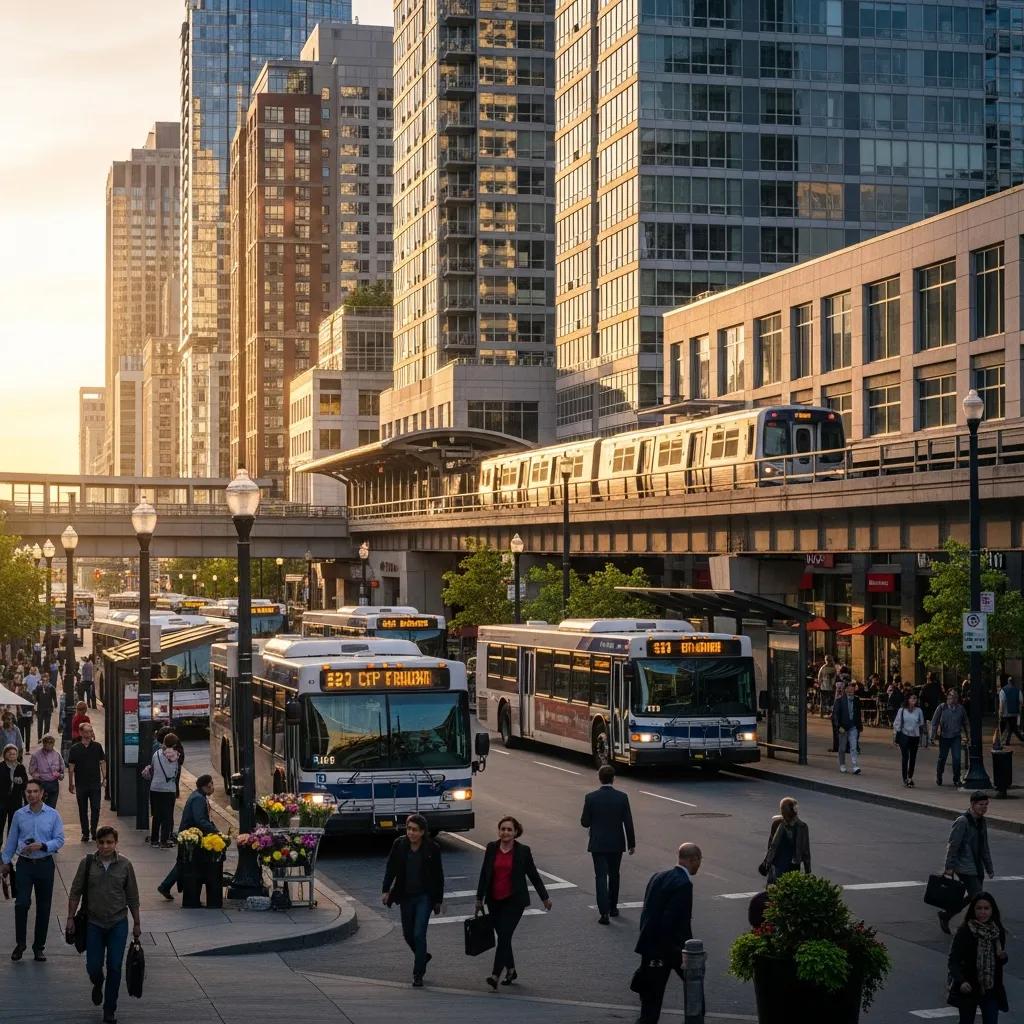
Public transportation is a major driver of urban change — and a clear signal for real estate value. As cities grow, access to reliable transit increasingly influences where people choose to live, work and spend time. This guide breaks down the link between transit access and property performance, shows how transit-oriented development (TOD) boosts returns, and outlines practical financing routes for properties near transit lines. Read on to understand how transit can accelerate appreciation and where smart investors can position themselves to benefit.
How does public transit affect residential and commercial property values?
Transit improves accessibility and convenience, and that typically translates to higher demand for nearby properties. Homes and businesses close to stations tend to appreciate faster because shorter commutes and easier access to amenities make those locations more attractive. Research consistently shows properties within a half-mile of transit often outperform more distant locations — a pattern that matters when evaluating investment potential.
How much does proximity to transit stations influence appreciation?
Being near a transit stop is a measurable advantage. Studies show properties within a quarter-mile of transit can appreciate 5–20% faster than those a mile away, driven by shorter commutes, stronger neighborhood desirability, and direct access to jobs and services. Market transformations around major hubs in cities like San Francisco and New York highlight how transit proximity can reshape neighborhoods and lift values.
What economic gains come from better accessibility and shorter commutes?
Improved transit access supports local commerce by increasing foot traffic and customer reach. Shorter commutes also boost worker productivity and can broaden the effective labor pool for employers, which helps local economies grow. Over time, higher demand for transit-accessible housing drives up rents and values, creating lasting economic momentum in cities that invest in transit infrastructure.
How does transit-oriented development (TOD) increase investment returns?
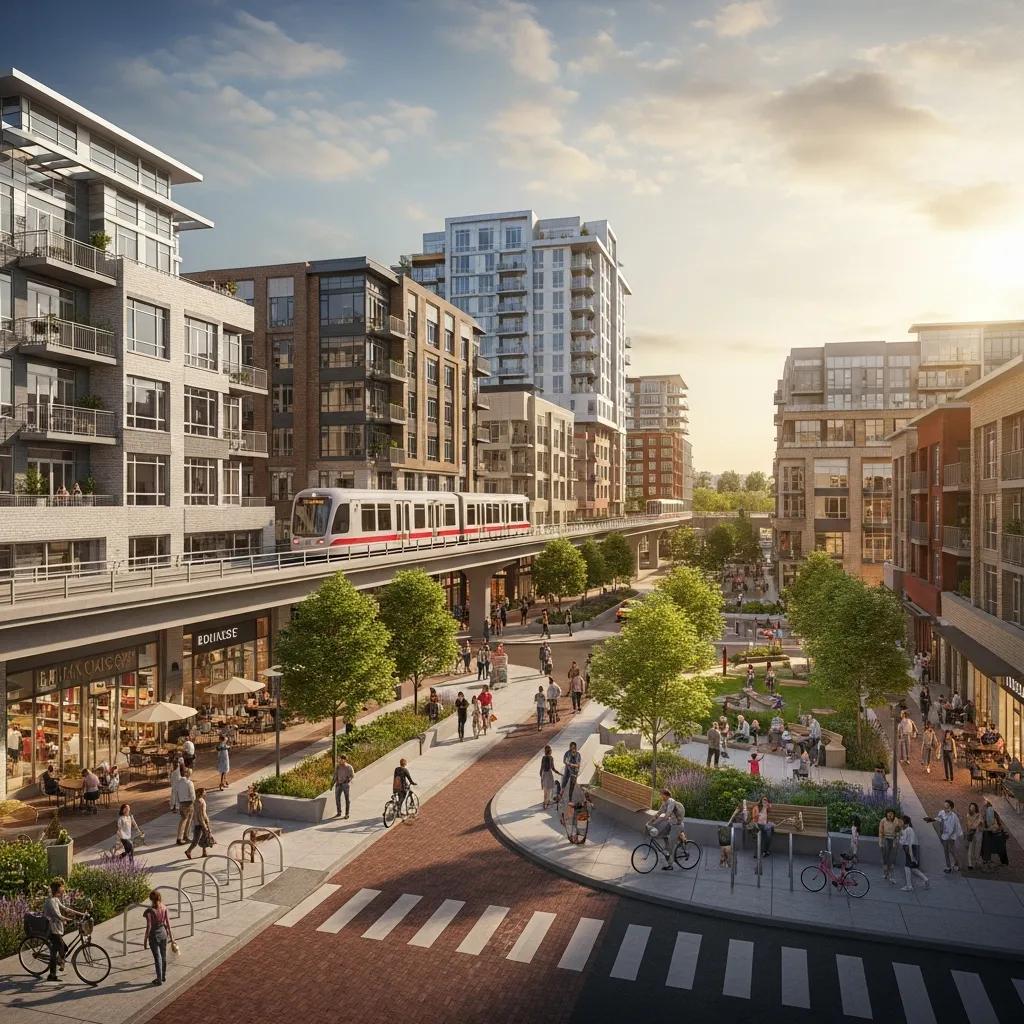
Transit-oriented development intentionally concentrates housing, shops and services around high-quality transit. TODs deliver compact, walkable neighborhoods that appeal to renters and buyers alike — and that appeal translates into stronger rent rolls and higher resale values. For developers and investors, TOD can mean higher yields and lower long-term vacancy risk.
Which TOD features most directly boost property value?
Key TOD features that lift value include mixed-use programming, pedestrian-friendly design, and curated local amenities. Mixed-use projects bring residents and retail together, creating steady daytime and evening activity. Walkability reduces car dependence and widens the pool of potential tenants. Parks, shops and cultural spots further enhance desirability and support sustained value growth.
How do mixed-use projects near transit drive rental income and demand?
Mixed-use developments close to transit attract residents who prioritize convenience — especially young professionals and urban households. Rental premiums in these locations commonly run 10–20% above comparable single-use neighborhoods, reflecting the premium people are willing to pay for proximity to work, leisure and services. Examples from Portland and Chicago show how well-executed mixed-use projects can deliver reliable returns in transit-friendly markets.
Why are hard money loans a good fit for transit-adjacent deals?

Hard money loans offer speed and flexibility that traditional lenders often can’t match — a major advantage when targeting properties near transit where competition and timing matter. Secured by the property, these loans can be funded quickly, letting investors move on time-sensitive opportunities in rapidly appreciating transit corridors.
How do fast, flexible loans support time-sensitive transit-adjacent investments?
When multiple buyers compete, the ability to close quickly is a tactical edge. Hard money lenders can underwrite and fund deals in days rather than weeks, enabling investors to win bids and start value-add work sooner. That speed helps capture appreciation that can occur as soon as transit improvements are announced or completed.
What loan programs does Fidelity Funding provide for transit-oriented projects?
Fidelity Funding offers hard money and tailored financing options for transit-oriented investments — from short-term acquisition and rehab loans to longer-term solutions. We structure competitive rates and terms designed for properties near transit, with application paths that prioritize speed and clarity so investors can act when opportunities arise.
What strategies help investors maximize returns on transit-impacted properties?
Successful investors combine market research with timing and the right financing. Look for neighborhoods with planned transit upgrades, use fix-and-flip or rehab loans to add value quickly, and track demographic and rental demand trends. Staying close to local planning activity and transit timelines lets you position capital where appreciation is most likely.
How can fix-and-flip loans speed renovations in transit-rich areas?
Fix-and-flip loans supply fast capital for acquisition and renovation so properties can be updated and relisted quickly. In transit-rich neighborhoods, well-timed renovations can capture outsized gains because demand often outpaces supply. The faster you renovate and re-market, the sooner you realize profit in these high-demand corridors.
What risks should investors weigh when buying near new transit lines?
Transit projects bring upside — and risks. Construction delays, shifting zoning or community opposition can alter timelines and returns. Gentrification can also change tenant mix and affordability. Robust due diligence, contingency planning and local market expertise are essential to manage these uncertainties as you invest near new transit lines.
How do urban development and infrastructure expansion change local property markets?
Infrastructure and development reshape where people live and where businesses cluster. New transit corridors can reallocate demand, lift land values, and make previously overlooked areas investable. For investors, understanding local planning and phasing is key to anticipating where value will migrate.
How does public transportation drive urban revitalization and gentrification?
Transit can spark revitalization by attracting investment, retailers and new residents to underserved areas. While this can raise property values and improve services, it also risks displacing long-term residents. Investors should weigh both the financial upside and the social impact of projects, aiming for development that supports community stability where possible.
How do infrastructure projects affect land and commercial property values?
Major infrastructure upgrades typically boost demand for land and commercial space near stations. Commercial rents near transit hubs can climb 10–20% after improvements, reflecting higher foot traffic and accessibility. Savvy investors map these impacts into acquisition and leasing strategies to capture value early.
How can investors get started financing transit-adjacent real estate?
Start by mapping the transit landscape, identifying properties that align with demand, and matching those opportunities to the right loan product. Gather property and financial information early, understand timelines, and choose a lender experienced with transit-oriented deals — that combination smooths the path to a successful investment.
What are the steps to apply for hard money loans with Fidelity Funding?
Applying with Fidelity Funding is straightforward: assemble property details and basic financials, submit an application, and our team will review options and timelines. Once approved, funding moves quickly so you can close and execute on time-sensitive transit-adjacent opportunities.
How can investors use loan programs to capture California’s transit growth?
California’s transit investments create concentrated pockets of demand. Use financing designed for speed and flexibility to acquire, renovate or hold properties near growing corridors. Understanding program eligibility and aligning your timeline with local transit plans lets you capitalize on the state’s long-term transit-driven growth.
The table summarizes typical appreciation ranges and the primary drivers for each property type near transit. Use these benchmarks as a starting point when evaluating where to allocate capital.
Properties near public transportation offer strong potential for appreciation and higher rental income, provided investors pair location insight with the right financing and execution plan. By understanding how transit shapes demand and using targeted loan products, you can position your portfolio to benefit from the growing appetite for accessible urban living.
Frequently Asked Questions
What are the long-term effects of public transportation on neighborhood development?
Over the long term, transit tends to attract investment, new housing and services that can revitalize neighborhoods. That often improves local amenities and economic opportunity, but it can also raise rents and displace existing residents. Thoughtful investment and community engagement help balance growth with neighborhood stability.
How can investors assess the potential of a property near transit lines?
Assess potential by researching station proximity, planned transit projects, local demographic trends, and historical price movement. Evaluate ridership projections, nearby amenities, and the strength of the local rental market. Consulting local brokers and planners can reveal timing and regulatory details that matter for returns.
What are the environmental benefits of transit-oriented development?
TOD reduces car dependence, which lowers emissions and traffic congestion. Compact, walkable neighborhoods encourage active lifestyles and make it easier to integrate green building practices and public spaces. These environmental advantages support long-term sustainability and community resilience.
What challenges do investors face when financing properties near public transit?
Common challenges include interest rate volatility, competition for desirable assets, and potential zoning or permitting changes. Rapidly evolving neighborhoods can create uncertainty around tenant mix and affordability. Thorough due diligence and flexible financing structures help mitigate these risks.
How does public transportation influence commercial real estate investment?
Transit increases accessibility for employees and customers, which often raises foot traffic and demand for commercial space. That demand can translate into higher rents and stronger tenant retention, making transit access a key factor when evaluating commercial investments.
What role do local governments play in supporting transit-oriented development?
Local governments shape TOD through zoning, infrastructure funding and incentives for mixed-use projects. Collaboration between public agencies and private developers helps align projects with community needs, expand affordable housing, and accelerate transit-supportive investments.
How can technology enhance the investment potential of transit-adjacent properties?
Technology gives investors better data and tools to identify trends and measure performance. GIS mapping, ridership analytics and smart building systems can improve site selection, operational efficiency and tenant satisfaction — all of which strengthen investment returns for transit-adjacent properties.
Conclusion
Investing near public transportation can deliver meaningful appreciation and stronger rental performance when backed by the right strategy and financing. By tracking transit plans, focusing on TOD principles, and choosing lenders who move with speed and clarity, you can capture the opportunities created by transit-driven demand. Explore our resources and financing options to see how Fidelity Funding can help you execute on transit-adjacent investments.