

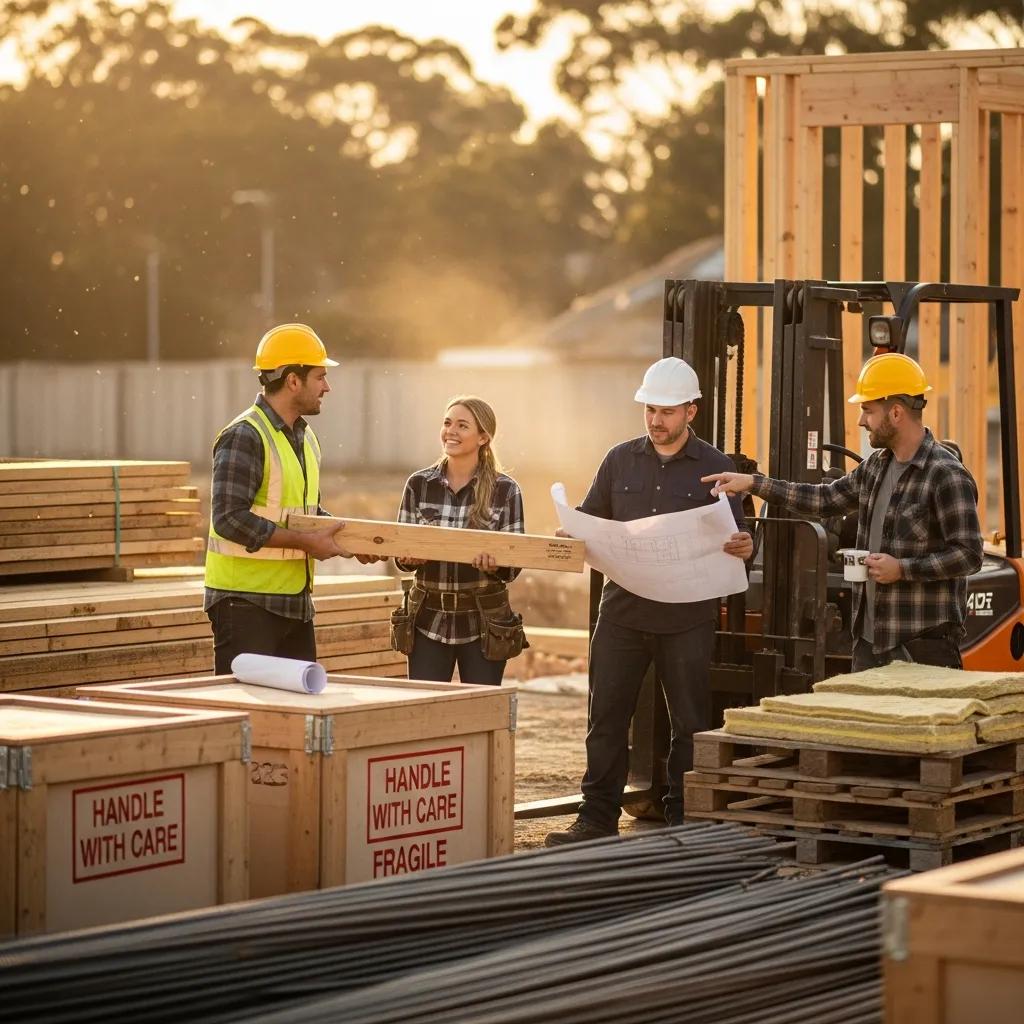
How Supply Chain Disruptions Are Driving Construction Cost Inflation in 2025 — and How to Mitigate Them
In 2025, supply chain disruptions are a primary driver of higher construction costs. Material shortages, labor constraints and geopolitical friction are all pushing prices up and stretching schedules. This article explains how those forces affect budgets and timelines, and it offers practical steps—financial and operational—to reduce their impact. We’ll cover the main supply-chain pressure points on material pricing, the role of labor and geopolitics, the financial risks projects now face, how fast hard‑money loans can help bridge gaps, and tactics investors can use to manage risk on the ground.
Which supply chain disruptions are pushing construction material prices higher?
Disruptions across logistics, raw‑material supply and demand surges are directly lifting material costs and creating budget volatility. Shipping delays, constrained production runs and sudden upticks in demand produce ripple effects: longer lead times, spot price spikes and shifting supplier priorities. The pandemic exposed these weaknesses, and while some pressures have eased, intermittent shortages and transport bottlenecks still influence pricing and availability. Project teams must plan for that unpredictability when estimating costs and schedules.
How do material price increases affect construction budgets?
Rising material prices can turn a balanced budget into a shortfall fast. A jump in steel or lumber costs can add thousands — or tens of thousands — to a project’s bottom line, forcing scope cuts, change orders or additional funding. Many projects that looked viable on paper have required extra capital when material costs spiked, so proactive financial planning and contingency reserves are essential to avoid costly delays or renegotiations.
Which building materials face the longest lead times?
Some items consistently show longer lead times: lumber, structural steel, precast concrete elements, specialty glazing and major HVAC components. Production slowdowns, limited mill runs and transport backlogs are common causes. Lumber’s 2021 price shock is a reminder that prices can normalize while lead times remain uneven. Knowing which components will take time lets managers reorder the schedule and source alternatives early.
How do labor shortages and geopolitical events influence construction costs?

Skilled labor shortages and international policy changes are key cost drivers. Fewer available trades increase wage pressure and slow progress, while trade disputes, tariffs and import restrictions can reduce supply options and raise material prices. Together, these forces make scheduling and procurement more complex and expensive, demanding tighter coordination between procurement, field teams and financing partners.
How do labor shortages affect project timelines and budgets?
Labor gaps slow work and increase unit labor costs, which lengthens schedules and raises overhead. A job estimated at six months can stretch to eight or more if trades are hard to secure, driving up financing, supervision and site costs. Those duration-related expenses often outweigh the incremental wage increases, so staffing risk is a material budget item that needs early mitigation.
How do tariffs and geopolitical events shape material availability and price?
Tariffs, export controls and geopolitical shocks narrow supplier options and raise input costs. For example, tariffs on steel and aluminum raise baseline pricing and push teams to source domestically or from alternative markets — both of which can increase lead times or unit costs. Procurement strategies that track policy changes and diversify sourcing can reduce exposure to sudden price shifts.
What financial risks and budget overruns stem from supply chain challenges?
Supply‑chain volatility creates financial risks across the project life cycle: outdated estimates, stretched contingency reserves and increased borrowing needs. When costs rise or deliveries slip, projects face schedule risk, higher carrying costs and sometimes impaired returns for investors. Robust risk controls and flexible financing options are critical to preserve project viability.
How do inflation and interest‑rate volatility affect project viability?
Inflation raises material and labor costs; rate volatility changes the cost of capital. Rising interest rates increase loan service costs and can make planned financing more expensive or harder to secure. Combined, these forces squeeze margins and can render marginal projects unprofitable unless teams adjust scope, timing or financing quickly.
Why are project delays and abandonments increasing in 2025?
Delays and abandonments reflect a mix of supply shortages, labor constraints and tightened financing. When costs outpace budgets and capital becomes harder to access, some owners pause or walk away from projects rather than accept unacceptable returns. That trend highlights the value of contingency funds, early procurement and financing partners who can act fast.
How can fast hard‑money loans help mitigate cost inflation and supply‑chain delays?

Fast hard‑money loans give project teams quick access to capital when traditional financing is too slow or restrictive. Because underwriting emphasizes property equity and project fundamentals over rigid credit criteria, these loans can cover cost overruns, secure delayed materials or keep crews running while longer‑term financing is arranged. For time‑sensitive shortfalls, speed to funding is often as important as cost.
What loan programs does Fidelity Funding offer for construction cost overruns?
Fidelity Funding provides several equity‑based solutions for projects facing overruns: bridge loans for short‑term gaps, fix‑and‑flip financing for renovation projects, and construction loans tailored to ground‑up or rehab builds. Each program is structured to move quickly and leverage property value so investors can finish projects on schedule and protect returns.
How does equity‑based lending provide flexibility during supply‑chain disruption?
Equity‑based lending focuses on the asset rather than just credit scores, which shortens approval times and broadens access for projects with temporary cash challenges. That flexibility lets borrowers cover urgent expenses, re‑sequence work or source alternative suppliers without waiting on slow conventional approvals.
What strategies can real estate investors use to manage supply‑chain risk?
Investors can reduce exposure by combining procurement tactics, contract flexibility and financing readiness. The most effective plans pair operational steps—like early ordering—with financial safeguards so projects aren’t derailed by a single supply shock.
How do early procurement and inventory management reduce lead‑time risks?
Ordering long‑lead items early and holding a modest buffer stock smooths the impact of delivery delays. Early procurement locks pricing and timetables, giving teams a clearer path to completion. Where storage or cashflow is a concern, staged ordering tied to project milestones limits unnecessary carrying costs.
What role do diversified suppliers and flexible contracts play in cost control?
Diversifying suppliers reduces single‑source risk and increases bargaining power when markets tighten. Flexible contracts that allow for pricing or delivery adjustments — and clear escalation clauses — protect both owners and contractors when market conditions change unexpectedly.
How to get started with Fidelity Funding’s construction loans to address supply‑chain challenges?
Beginning the process is straightforward: prepare basic project documents and an updated budget, then contact our team to discuss the best fit for your timeline and needs. We focus on fast decisions and clear terms so you can close the funding gap and keep work moving.
What are the approval timelines and requirements for hard‑money construction loans?
Typical approval timelines can be as short as five to seven days for well‑documented projects. We evaluate property equity, project scope and exit strategy; having plans, budgets and permits ready speeds the process. Early preparation helps avoid delays during underwriting.
Where can investors find success stories and apply for fast funding?
Visit Fidelity Funding’s website to review case studies and borrower testimonials that show how fast funding helped projects reach completion. Applications and initial qualification tools are available online so investors can start the process quickly and speak to an advisor about next steps.
Frequently Asked Questions
What are the long‑term effects of supply‑chain disruptions on the construction industry?
Long term, disruptions push the industry toward greater resilience: higher baseline material costs, more emphasis on local or diversified sourcing, and stronger contingency planning. Companies will likely invest in supply‑chain visibility and contractual protections to reduce future exposure and keep projects predictable.
How can technology help mitigate supply‑chain disruptions in construction?
Technology improves visibility and decision‑making. Project management platforms, real‑time tracking, and predictive analytics help teams anticipate delays, optimize orders and coordinate suppliers. Tools like Building Information Modeling (BIM) also tighten coordination across trades, reducing rework when parts arrive late or specifications change.
What are best practices for managing construction budgets amid inflation?
Best practices include up‑to‑date market research on material costs, flexible budgeting with clear contingencies, and regular budget reviews tied to procurement milestones. Strong supplier relationships and transparent owner‑contractor communication also help preserve margins as prices shift.
How do changes in consumer demand affect construction supply chains?
Shifts in demand change ordering patterns and resource allocation across the supply chain. A housing boom increases competition for key materials, driving up prices and lead times; a slowdown can leave suppliers with excess inventory and pressure margins. Staying aligned with market signals lets teams adjust purchasing and schedules proactively.
What role do government policies play in shaping construction supply chains?
Government policies — tariffs, regulations, incentives and infrastructure spending — all shape supply availability and cost. Policies that favor local production can strengthen resilience; tariffs or trade restrictions can narrow options and raise prices. Monitoring policy shifts is a necessary part of procurement strategy.
How can construction companies prepare for future supply‑chain disruptions?
Preparation means diversifying suppliers, investing in supply‑chain visibility tools, creating contingency budgets and developing clear escalation plans. Building long‑term supplier relationships and keeping flexible financing options available will also help teams respond quickly when disruptions occur.
Conclusion
Supply‑chain disruption is a defining constraint for construction in 2025, but it’s manageable with the right mix of planning, procurement and financing. Early procurement, supplier diversification and contingency financing—like fast hard‑money loans—help projects stay on schedule and protect returns. Explore our resources or contact Fidelity Funding to discuss solutions tailored to your project.