

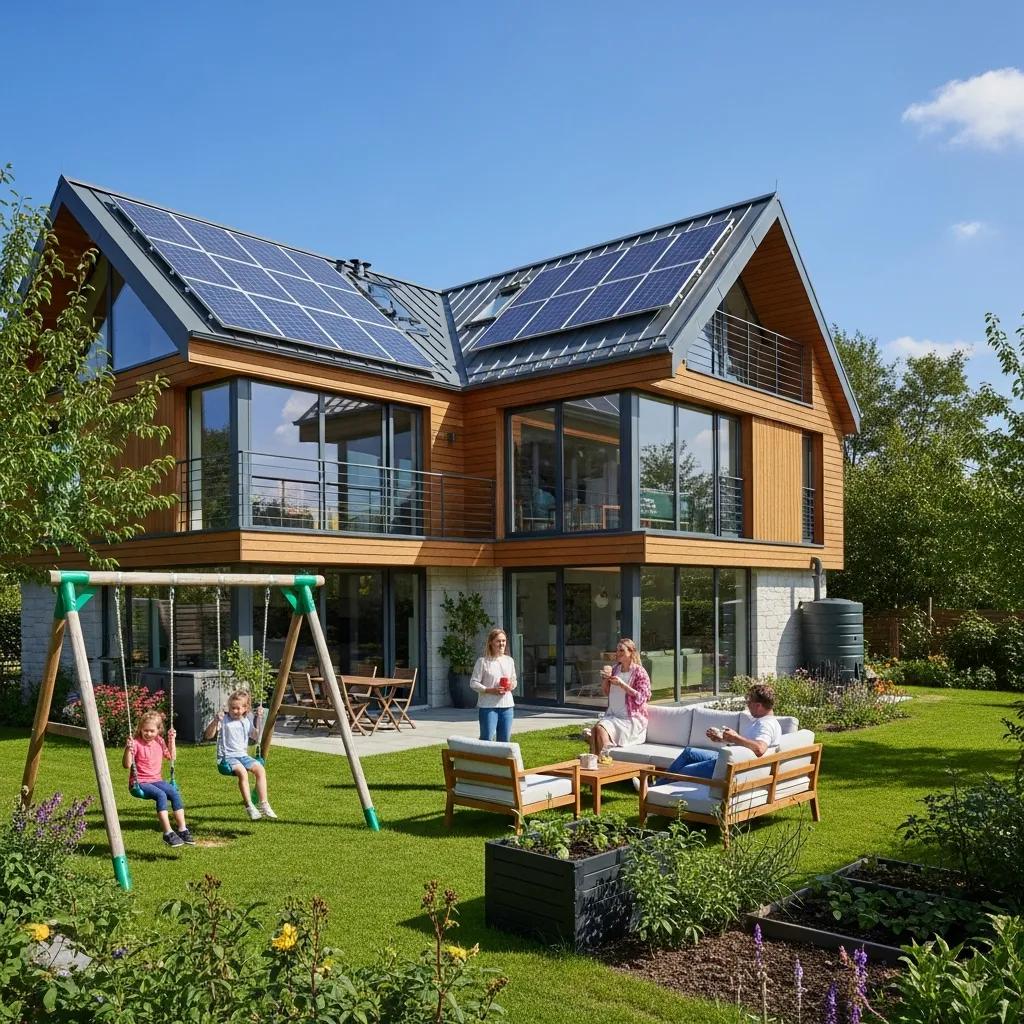
Sustainable Real Estate Investing: Green Trends and Practical Financing Solutions
Sustainable real estate is moving from niche to mainstream as investors factor environmental performance into value and risk. This guide breaks down the market drivers, clear financial benefits, and the financing paths that make green projects viable — including how hard money can accelerate sustainable development. Read on for practical insight into certifications, technologies, and strategies that help investors capture returns while reducing environmental impact.
What Are the Key Benefits of Eco-Friendly Real Estate Investments?
Eco-friendly properties deliver tangible advantages for owners and occupants: stronger resale value, lower operating costs, and tax or incentive opportunities that improve overall returns. As demand for efficient, healthy buildings grows, sustainability-focused assets are becoming more competitive in both rental and sales markets.
How Do Green Properties Increase ROI and Property Value?
Energy-efficient features and sustainable design often translate to higher sale prices. Studies show certified green homes can sell for about 9% more on average, with premiums reaching 15–20% in certain markets. That uplift reflects buyer willingness to pay for lower utility costs, healthier indoor environments, and reduced long-term operating risk.
What Utility Savings and Tax Incentives Support Sustainable Investments?
Green buildings typically lower utility expenses through solar, efficient HVAC, and building envelope upgrades. Many jurisdictions also offer tax credits, deductions, or rebates for energy improvements — incentives that boost cash flow and shorten payback periods for sustainable upgrades.
How Can Hard Money Loans Support Sustainable Property Development?
Hard money loans provide a speed-focused financing option for green projects that need quick capital. These short-term loans are useful for purchases, renovations, and construction when traditional financing is too slow or inflexible for time-sensitive opportunities.
What Flexible Financing Options Does Fidelity Funding Offer for Green Projects?
Fidelity Funding provides hard money solutions tailored to green investments — from acquisition and renovation loans to construction financing. By evaluating property equity rather than relying solely on credit history, we help investors move quickly on projects that incorporate sustainable upgrades.
How Do Fast Approvals Benefit Time-Sensitive Eco-Friendly Real Estate Deals?
Speed matters in competitive markets. Faster approvals allow investors to lock deals and start renovations before opportunities vanish. For green projects with narrow acquisition windows or construction schedules, quick access to capital can be the difference between securing a property and missing it.
Which Green Building Certifications Influence Sustainable Real Estate Investing?
Third-party certifications set clear sustainability standards and improve transparency for buyers, tenants, and lenders. Recognized frameworks like LEED, BREEAM, and WELL measure performance across energy, water, materials, and occupant health — factors that can affect financing and market appeal.
What Are LEED, BREEAM, and WELL Certifications?
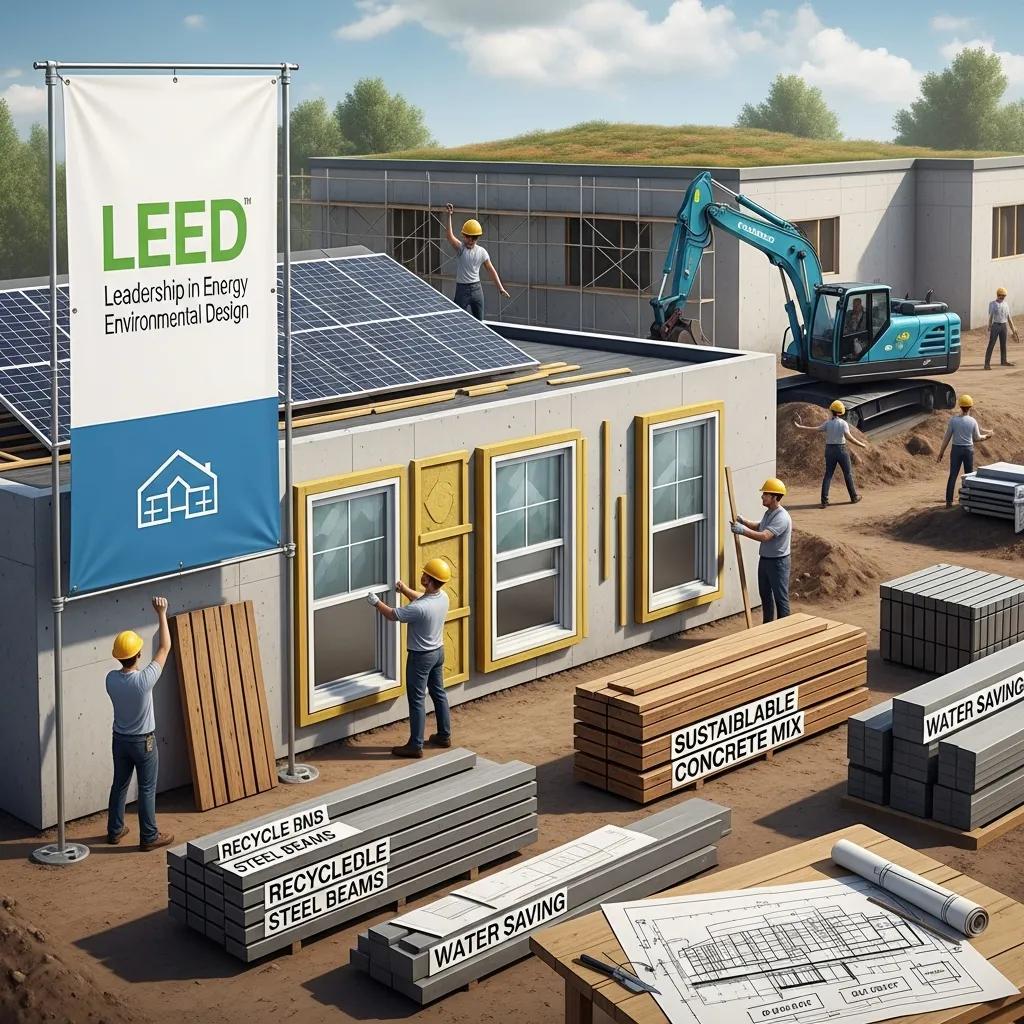
LEED (Leadership in Energy and Environmental Design), BREEAM (Building Research Establishment Environmental Assessment Method) and WELL are widely used rating systems that assess a building’s environmental and health performance. They evaluate metrics like energy use, water efficiency, material sourcing, and indoor air quality to give stakeholders an objective sustainability score.
How Do Certifications Impact Financing and Marketability?
Certified properties often qualify for better financing terms and draw more interest from environmentally conscious buyers or tenants. Lenders may view certified assets as lower-risk due to predictable operating costs and stronger demand, which can translate into improved loan options and resale prospects.
What Are the Latest Green Building Trends and Technologies in 2024?
Innovation continues to shape sustainable construction. In 2024, expect wider adoption of integrated renewable systems, smarter energy management, and materials choices that reduce embodied carbon while improving durability and occupant comfort.
How Are Renewable Energy and Smart Home Technologies Integrated?
Solar arrays, battery storage, and microgrid-ready systems are increasingly specified in new and renovated projects. Paired with smart energy controls and building automation, these systems enable real-time monitoring and load management to reduce bills and peak demand.
What Sustainable Materials and Water Conservation Methods Are Emerging?
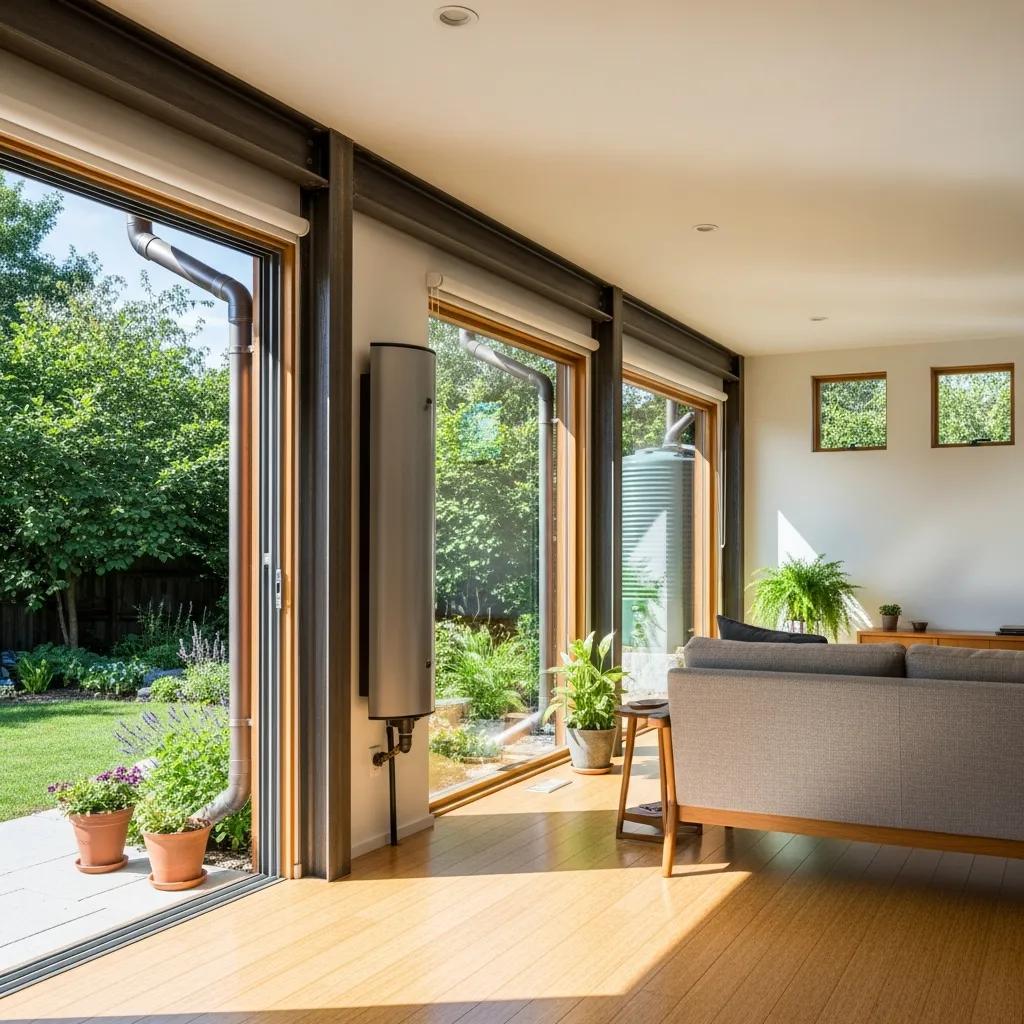
Specifying recycled steel, engineered timber, bamboo, and low-carbon concrete reduces embodied emissions. On-site water strategies — rainwater harvesting, greywater reuse, and high-efficiency fixtures — cut potable water demand and lower utility costs over a building’s life.
How to Maximize ROI with Eco-Friendly Fix and Flip Projects Using Hard Money Loans?
Hard money can finance targeted green upgrades that materially boost value for fix-and-flip investors. Focus investments where they create the biggest market impact and fastest payback.
Which Energy-Efficient Upgrades Are Most Effective?
High-impact upgrades include efficient windows, upgraded insulation, heat-pump HVAC systems, and smart thermostats. These changes improve comfort and lower operating costs, making the property more attractive to buyers and renters.
What Is the Loan Application Process for Sustainable Renovations?
Applications typically require a property appraisal, a clear scope of planned upgrades, and financial documentation. Hard money lenders such as Fidelity Funding streamline underwriting by prioritizing property value and project feasibility, enabling faster closings for renovation projects.
What Are the Opportunities and Challenges in ESG Real Estate Investing?
ESG integration opens new market opportunities — better tenant retention, improved brand reputation, and access to sustainability-focused capital. At the same time, investors must manage upfront costs, measurement complexity, and evolving regulatory expectations.
How Does ESG Integration Affect Investment Decisions?
Considering ESG factors shifts investment analysis to include long-term operational savings, regulatory risk, and tenant demand for healthy, efficient spaces. That broader view can improve portfolio resilience but requires rigorous data and strategic planning.
What Regulatory Changes Are Impacting Sustainable Real Estate in 2024?
Governments are tightening energy and emissions standards and expanding disclosure requirements. These changes can affect development timelines and compliance costs, so investors should monitor local rules and factor regulatory trends into underwriting.
Different benefits of eco-friendly investments can be compared as follows:
This table highlights clear financial drivers for green investments — stronger resale values, lower operating costs, and policy incentives that together support a compelling ROI case.
When paired with the right financing and execution plan, sustainable real estate delivers both financial and environmental returns. Understanding market trends, certification value, and financing options helps investors make decisions that align profit with purpose.
Frequently Asked Questions
What types of properties are considered eco-friendly?
Eco-friendly properties include residential, commercial, and mixed-use buildings designed for lower environmental impact and better occupant health. Common features are solar panels, green roofs, efficient HVAC, water-saving systems, and sustainable materials. Properties with certifications like LEED or BREEAM are typically recognized for meeting defined sustainability standards.
How can investors assess the sustainability of a property?
Assess sustainability by reviewing energy performance, water use, material sourcing, and indoor air quality. Look for certifications, utility data, and results from energy audits. These measures reveal upgrade opportunities and help estimate operating savings and capex needs.
What role do local governments play in promoting sustainable real estate?
Local governments drive adoption through building codes, zoning incentives, tax credits, and grants. Many municipalities offer rebates for energy upgrades and require higher performance standards for new construction, shaping both supply and demand for green buildings.
What are the common challenges faced in sustainable real estate investing?
Challenges include higher upfront costs for green technologies, navigating certification processes, and keeping up with changing regulations. Market demand and financing availability for sustainable projects can also vary by region, so due diligence is essential.
How can technology enhance sustainable real estate practices?
Technology improves efficiency and decision-making: smart controls optimize energy use, building information modeling (BIM) reduces waste in design, and monitoring systems provide data to validate performance and drive continuous improvements.
What is the future outlook for sustainable real estate investing?
Outlook is positive — demand for efficient, healthy buildings is rising, regulations are tightening, and technology is making green solutions more cost-effective. ESG integration will increasingly shape investment criteria and capital flows in the real estate sector.
Conclusion
Sustainable real estate combines measurable financial upside with lower environmental impact. By staying informed on green trends, leveraging appropriate financing, and targeting high-impact upgrades, investors can improve returns while meeting evolving market expectations. Explore our resources to find financing solutions and strategies that align your investments with long-term value and sustainability goals.