


Tools for Real Estate Investors
Essential Financing Tools for Real Estate Investors: Hard Money, Fix-and-Flip, DSCR, and Commercial Loans
Successful investors rely on financing that moves as quickly as the market — speed, flexibility, and asset-focused underwriting. This guide breaks down short-term investor loans, fix-and-flip financing, DSCR products, commercial options, and emergency bridge or bailout solutions, and it maps the documents, timelines, and leverage metrics you need to act fast. When purchase deadlines are tight, income documentation is unclear, or a property needs immediate capital, the right lender focuses on equity, ARV, and cash flow instead of only tax returns or credit. Below we define each product, provide numeric examples for LTV and DSCR calculations, compare hard money and conventional approaches, and outline practical steps to close urgent deals. Read on to see what lenders look for, how rehab draws and ARV-based leverage work, and which loan types fit acquisition, rehab, or long-term rental goals.
What Are Hard Money Loans and How Do They Benefit Real Estate Investors?

Hard money loans are short-term, asset-backed loans that underwrite primarily to property value and equity rather than to traditional income documentation. That focus lets lenders approve and fund acquisitions or rehab projects quickly, using current value or after-repair value (ARV) as collateral. Typical structures include higher leverage, interest-only payments, and flexible terms that support quick flips, bridge financings, or urgent bailouts. Investors get faster closings, underwriting that accepts non-traditional income profiles, and the ability to finance deals conventional lenders might decline for timing or documentation reasons. The table below summarizes common hard money program attributes to help you choose the right product for purchase, rehab, or short-term hold situations.
| Loan Program | Key Attributes (LTV, Term, Rate, Speed) | Typical Use Case |
|---|---|---|
| Hard Money Purchase Loan | LTV up to 70–75% on select deals; term 6–24 months; higher rates; funding in days | Fast acquisitions when conventional underwriting is too slow |
| Fix and Flip Loan | ARV-based sizing, staged rehab draws, interest-only payments; term 6–18 months; rapid draws | Purchase plus rehab financing for flips with milestone-based disbursements |
| Bridge Loan | Short term 3–12 months; flexible sizing; exit-focused; quick close | Temporary capital to bridge to permanent financing or to a sale |
This comparison shows how leverage, term length, and speed align with investor goals and why hard money is often the pragmatic choice when timing and equity matter most. Next we explain how a responsive lender operationalizes those advantages and which underwriting steps enable fast approvals.
How Does Fidelity Funding Provide Fast and Flexible Hard Money Loans?
We deliver equity-focused hard money through in-house underwriting and direct capital access, which can shorten approval-to-fund timelines to as little as five to seven days. Our process evaluates property valuation and collateral strength over borrower tax returns or credit history, so decisions reflect the asset and the exit plan. Typical steps include deal submission, a quick pre-qualification call, appraisal or AVM review, in-house underwriting, and a coordinated closing — each designed to compress timelines without sacrificing necessary due diligence. That workflow supports investors who need certainty on time-sensitive offers and pairs with high-leverage options and no prepayment penalties to preserve exit flexibility.
What Are the Eligibility Requirements and Loan Terms for Hard Money Loans?
Eligibility centers on the asset and documented equity: clear title, a realistic ARV, and an executable exit plan are primary. Credit and tax returns are secondary. Required items usually include a preliminary title report or title commitment, current mortgage payoff statements, property photos and a detailed scope of work for rehab, and an ARV appraisal or comparable sales to establish collateral value. Terms typically range from interest-only monthly payments on 6–24 month products to longer-term hard money solutions for buy-and-hold cases. LTVs vary by product and property condition — select deals may reach 75–80% LTV when backed by strong equity or additional collateral. Clear exit strategies (sale, refinance, permanent financing) and accurate rehab budgets speed underwriting and improve access to higher-leverage programs.
How Can Fix and Flip Financing Accelerate Your Real Estate Investment Strategy?
Fix-and-flip financing combines purchase funds with staged rehab draws so you can buy and renovate without tying up all your capital. Lenders underwrite to the property’s ARV, set a maximum combined loan amount based on purchase price plus allowable rehab, and release draws as work is completed and inspected. That structure reduces upfront cash needs and aligns capital with progress; interest-only payments during rehab help manage carrying costs. The table below contrasts purchase LTV with ARV-based maximum loans to show how leverage can expand as rehab increases value.
| Metric | Before Rehab (Purchase LTV) | After Repair (ARV-based Max Loan) |
|---|---|---|
| Example Purchase Price | 60% LTV on $200,000 purchase = $120,000 financed | ARV $300,000 at 70% ARV = $210,000 max loan |
| Rehab Reserve | Minimal or none until funded | Rehab draws funded against verified invoices to reach ARV cap |
| Leverage Outcome | Limited buying power | Greater total project leverage when ARV supports a higher loan amount |
The example shows how an investor can begin with limited purchase leverage, then access more capital as rehab raises value — accelerating completion and resale. The following subsection outlines program features and draw mechanics to expect from a responsive lender.
What Are the Key Features of Fix and Flip Loans from Fidelity Funding?
Our fix-and-flip programs prioritize fast funding, ARV-based underwriting, and practical rehab draw schedules tied to verifiable milestones. Common features include interest-only payments during rehab, staged draws that release as work is inspected, and in-house underwriting to cut coordination delays. Fees and rates reflect the short-term, high-turnover nature of flips, but speed and draw flexibility often reduce overall carrying costs by shortening project timelines and enabling faster resale or refinance. To submit a deal, have your purchase contract, a clear scope of work, and ARV comps ready to accelerate review.
How Do Loan-to-Value and After Repair Value Impact Fix and Flip Financing?
LTV and ARV determine both initial purchase financing and the maximum total loan available for rehab and holding costs. Purchase LTV limits immediate acquisition funding, while ARV underwriting can support additional rehab funds through draws. The exit strategy or DSCR then demonstrates the viability of the refinance or sale. For example, a $200,000 purchase with a $300,000 ARV and a 70% ARV cap yields a potential $210,000 max loan — enabling financing for both purchase and rehab where purchase LTV alone would fall short. Conservative ARV estimates and accurate rehab budgets matter because lenders will stress-test comps and scope to avoid overruns that threaten the exit.
What Are DSCR Loans and Why Are They Important for Rental Property Investors?
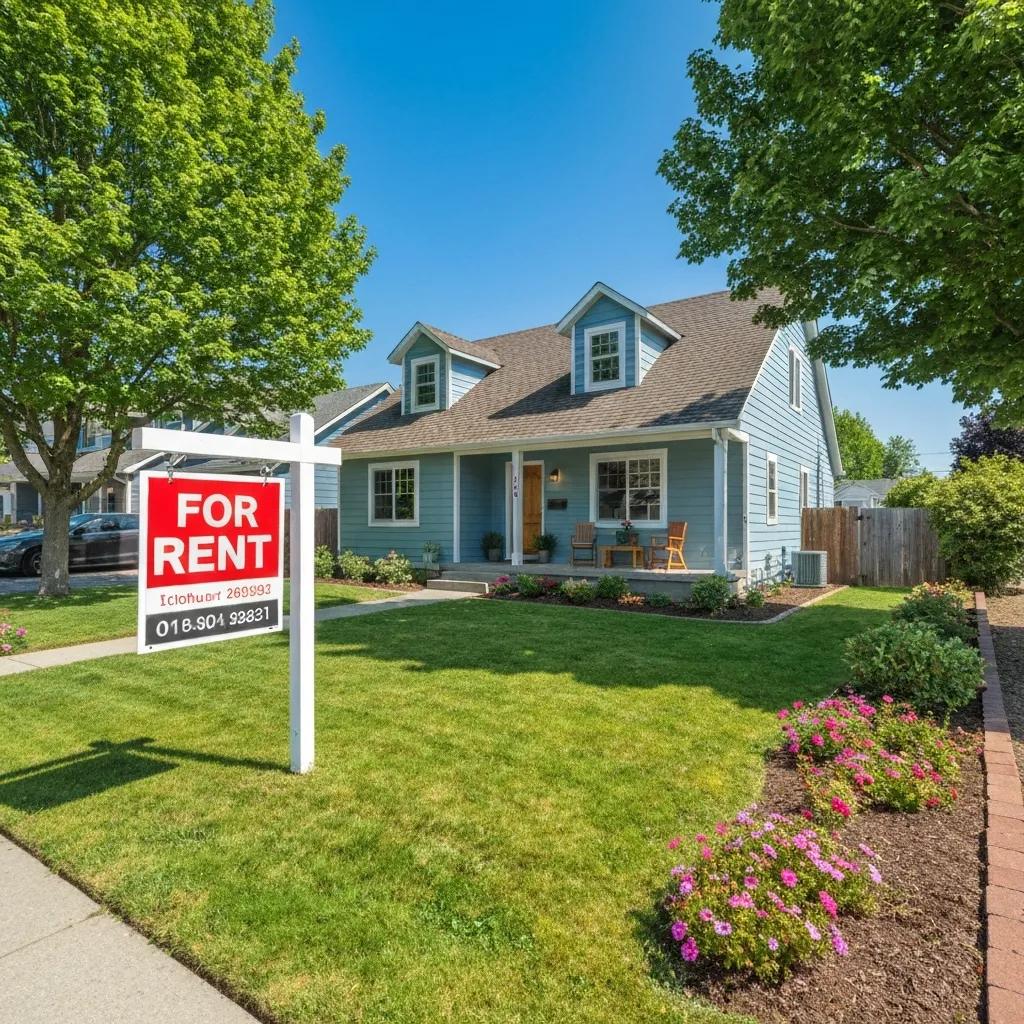
DSCR loans underwrite a loan based on a property’s ability to cover debt service — comparing net operating income (NOI) to annual debt obligations. The debt service coverage ratio (DSCR = NOI ÷ debt service) shows whether rental income supports the proposed payment, and lenders set minimum DSCR thresholds to provide a cushion for vacancies and unexpected expenses. DSCR underwriting is ideal for buy-and-hold investors and those without traditional salary documentation because approval depends on property performance and market rents. The table below converts sample NOI and debt service figures into DSCR examples to illustrate common qualification benchmarks.
| Property Type | Monthly NOI / Monthly Debt Service | Example DSCR (NOI ÷ Debt Service) |
|---|---|---|
| Single-family rental | $1,800 NOI / $1,200 debt = $600 margin | DSCR = 1.50 |
| Small multifamily (4 units) | $6,000 NOI / $4,500 debt = $1,500 margin | DSCR = 1.33 |
| Small commercial (retail) | $10,000 NOI / $7,500 debt = $2,500 margin | DSCR = 1.33 |
These examples show why lenders commonly require DSCRs in the 1.25–1.5 range: higher NOI or conservative debt sizing improves the likelihood of approval. Next, we walk through how DSCR is calculated and the documentation lenders typically request to verify cash flow.
How Is the Debt Service Coverage Ratio Calculated and What Are the Requirements?
Calculate DSCR by subtracting operating expenses from gross rental income to get NOI, then divide NOI by annual debt service (principal plus interest). Lenders verify rental income with leases, rent rolls, recent bank deposits, market rent surveys, and sometimes a P&L for borrowers managing multiple properties. Expenses should be realistic and include vacancy allowance, property management, taxes, insurance, and maintenance. Example: $24,000 annual rent minus $6,000 expenses = $18,000 NOI; if annual debt service is $12,000, DSCR = 1.5 — typically sufficient for many lenders. Clear income documentation and conservative expense assumptions speed DSCR underwriting and improve approval odds.
What Benefits Do DSCR Loans Offer for Rental Property Financing?
DSCR loans let investors qualify on property performance rather than personal income, simplifying portfolio growth and removing constraints tied to W-2s or tax-return verification. Benefits include underwriting aligned to NOI, the ability to purchase properties that add positive cash flow, and access to financing for small multifamily or mixed-use assets where property metrics matter most. Investors with stable leases, accurate rent rolls, and reasonable expense histories can often achieve competitive leverage and predictable payment structures that support buy-and-hold strategies.
Which Commercial Real Estate Loans Are Best for Business Property Investors?
Commercial loans are tailored by property type and use: bridge loans, construction loans, land financing, and longer-term term loans each address different needs for retail, office, industrial, and multifamily assets. Commercial underwriting focuses on rent rolls, leases, NOI, tenant quality, and market vacancy rates — differing from residential investor loans that weigh borrower credit and single-property ARV more heavily. Choose the product that matches your timeline and use case: bridge financing for timing gaps, construction loans for development, and longer-term loans for stabilized income properties. The following subsections outline common commercial offerings and the approval process so business investors can align financing with asset strategy and exit plans.
What Types of Commercial Loans Does Fidelity Funding Offer?
We offer commercial hard money and bridge loans, land and construction loans, and longer-term financing designed for business property investors who need flexible underwriting and faster closes. Each product is sized against property-level income and collateral: bridge and hard money options support acquisitions and repositioning while construction loans finance development milestones. Timelines vary by complexity, but in-house underwriting and direct capital can shorten approval cycles compared with conventional commercial lenders. Clear rent rolls, signed leases, and pro forma income projections help expedite sizing and commitment.
How Does Commercial Loan Approval and Funding Work?
Commercial approvals begin with property financials — rent rolls, income statements, leases, and an appraisal or market valuation — followed by underwriting that assesses NOI, tenant stability, and exit feasibility. Lenders may require additional conditions such as environmental reports or contractor agreements for construction loans. The approval flow typically includes eligibility review, financial underwriting, term negotiation, and clearance of lender conditions before closing. Due diligence and lender conditions can extend timelines on complex assets, but thorough preparation reduces surprises. Knowing required documents and milestones — appraisal, title review, and condition clearance — helps investors manage expectations and sequence tasks for timely funding.
How Do Foreclosure Bailout and Bridge Loans Support Real Estate Investors in Urgent Situations?
Foreclosure bailouts and bridge loans are purpose-built for urgent scenarios where speed matters most. A foreclosure bailout pays the delinquent balance quickly to stop a sale and restore control, while a bridge loan provides short-term capital to close an acquisition or fund renovations until a longer-term exit is in place. Both tools cost more over the short term but preserve strategic opportunities. Below we define bailout and bridge uses, outline typical emergency timelines, and offer practical steps investors should take when deadlines tighten.
What Are Foreclosure Bailout Loans and How Can They Prevent Property Loss?
A foreclosure bailout is designed to pay arrears and lender balances fast enough to halt an imminent foreclosure sale. Lenders prioritize accurate payoff statements, clear title, and a confirmed exit plan — for example, a pending sale contract or refinance application — to ensure the bailout resolves the default and supports a next step. In urgent cases, signed authorization for payoffs, a preliminary title report, and evidence of the exit strategy allow in-house underwriting to move quickly; with complete documentation, closing in days is possible. Preparing these items in advance and communicating timelines clearly improves the odds of a successful bailout.
When Should Investors Use Bridge Loans for Real Estate Transactions?
Use a bridge loan when there’s a timing gap between acquisition and permanent financing, when short-term capital is needed to reposition a property before sale or refinance, or when a purchase requires fast, non-contingent funding. Bridge loans trade higher short-term costs for speed and flexibility and work best when the exit — sale, refinance, or stabilization — is achievable within the bridge term. Common uses include closing under tight contract timelines, funding immediate repairs to avoid defaults, or securing a purchase while a permanent lender completes underwriting. Model carrying costs and exit assumptions to confirm the bridge is the most economical path.
What Are the Advantages of Using Alternative Income and Investment Property Loans?
Alternative income programs and P&L-based approvals let self-employed investors and business owners qualify when W-2s or tax returns don’t reflect available cash flow. These products accept profit-and-loss statements, bank deposits, and other non-traditional documentation and pair that evidence with asset-based underwriting that weighs property value, NOI, and exit strategy heavily. For long-term investments, borrowers can access extended terms for rental holds and plan a refinance-to-perm to convert short-term financing into permanent loans once stabilization occurs. The following subsections explain how P&L approvals are evaluated and what to expect when converting short-term financing to longer-term solutions.
How Do Alternative Income Loans Help Investors with Non-Traditional Income Sources?
Alternative income loans accept documentation such as business P&L statements, bank deposit histories, and profit verification to show capacity to service debt when W-2 or tax-return verification is inadequate. Lenders look at deposit consistency, the relationship between business cashflow and personal withdrawals, and how those flows support debt obligations. Corroborating documents like invoices, contracts, or CPA-prepared statements strengthen applications. This path benefits self-employed investors, pass-through entity owners, and those whose taxable income doesn’t reflect operational cash. Clear business financials and a credible exit plan reduce underwriting friction and speed decisions.
What Should Investors Know About Long-Term Investment Property Loans?
Long-term investment loans offer a path from short-term acquisition or rehab financing to stabilized, amortizing loans that lower monthly payments and lock in fixed or adjustable rates for extended terms. Key considerations include timing the refinance-to-perm event, ensuring the property meets lender seasoning or income thresholds, and weighing refinance costs against remaining on a short-term product. Investors should plan three exit scenarios — sale, refinance, or hold — to pick the right initial product. Thoughtful timing, performance documentation, and planning for seasoning reduce friction and cost when transitioning to permanent financing.
If you have time-sensitive opportunities, Fidelity Funding accepts deal submissions and provides direct in-house underwriting to speed approvals and funding. Our product menu includes hard money purchase and refinance loans, fix-and-flip financing, bridge loans, commercial lending, foreclosure bailouts, and alternative income or DSCR-based programs. When documentation and property information are complete, approvals and funding can occur in as little as five to seven days. We focus underwriting on property equity, ARV, and cash flow rather than only credit or tax returns. To move forward, prepare a concise deal package with purchase contracts, title/payoff details, scope of work, ARV comps, and rent rolls or P&L where applicable, then submit it for rapid review — proper preparation maximizes the chance of a fast close under our direct-capital model.
Frequently Asked Questions
1. What is the difference between hard money loans and traditional bank loans?
Hard money loans are asset-based and weight the property’s value and equity more heavily than borrower income or credit. That approach enables faster approvals and funding — often in days. Traditional bank loans require extensive documentation, credit checks, and income verification, which can take weeks or months. Hard money suits short-term needs and time-sensitive deals; traditional loans are better for lower-cost, long-term financing.
2. How can I determine if a DSCR loan is right for my investment strategy?
Compare your property’s net operating income (NOI) to its debt obligations. If NOI comfortably covers debt service and meets lender DSCR minimums, a DSCR loan may fit. This product is especially useful for buy-and-hold investors who prioritize property cash flow over personal income verification. Consider your growth plans and whether portfolio scaling without traditional income documentation is a priority.
3. What are the typical costs associated with fix and flip loans?
Fix-and-flip loans commonly include origination fees, closing costs, and higher interest rates that reflect the short-term risk. Expect inspection and appraisal fees plus costs tied to staged rehab draws. Always budget for renovation overruns. Understanding these costs upfront helps you model returns and avoid surprises.
4. How do I prepare for a successful loan application with Fidelity Funding?
Gather key documents: purchase contracts, title reports, property photos, a detailed scope of work, and ARV comps. Clearly state your exit strategy — sale or refinance — and provide rent rolls or P&L where applicable. Organized, complete submissions speed underwriting and increase the chance of quick approval.
5. What should I consider when choosing between a bridge loan and a foreclosure bailout loan?
Assess urgency and the desired outcome. A foreclosure bailout is for immediate crises where stopping a sale is the priority. A bridge loan covers short-term timing gaps between acquisition and permanent financing or funds short-term repositioning. Evaluate timelines, property condition, and your exit plan to choose the right tool.
6. Can alternative income loans benefit self-employed investors?
Yes. Alternative income loans accept profit-and-loss statements, bank deposits, and other non-traditional documentation to show cashflow. That flexibility helps self-employed borrowers access capital for investment properties and scale portfolios when W-2s or tax returns understate available cash.
7. What factors influence the approval process for commercial loans?
Commercial approvals hinge on NOI, tenant quality, lease terms, and market conditions. Lenders evaluate cash-flow stability and the property’s appreciation potential. Borrower experience and credit can also matter. Thorough, accurate financials and clear documentation are essential for a smooth approval.
Conclusion
Specialized financing — hard money, fix-and-flip, DSCR, and commercial loans — gives investors the speed and flexibility needed to seize time-sensitive opportunities and optimize returns. Understanding which product matches your strategy, documenting a clear exit plan, and preparing accurate rehab and income figures will improve approval odds and speed execution. To explore tailored financing for your next deal, connect with Fidelity Funding and let our in-house team review your package.