


California’s Top Emerging Real Estate Markets for 2025 — Investment Hotspots to Watch
California’s real estate landscape is shifting. This guide highlights the most promising emerging markets for 2025 and explains the forces behind their growth. You’ll find the cities investors are watching, the neighborhoods with the strongest upside, and practical criteria for spotting attractive opportunities. With clear, actionable insight, investors can better navigate California’s market changes and make informed decisions.
Which California cities are leading the emergence of new real estate markets in 2025?
A handful of California cities are drawing investor attention in 2025. These markets share common strengths: sustained economic activity, growing populations, and targeted infrastructure projects that improve access and quality of life — all factors that increase investor demand.
What makes these cities attractive for real estate investment?
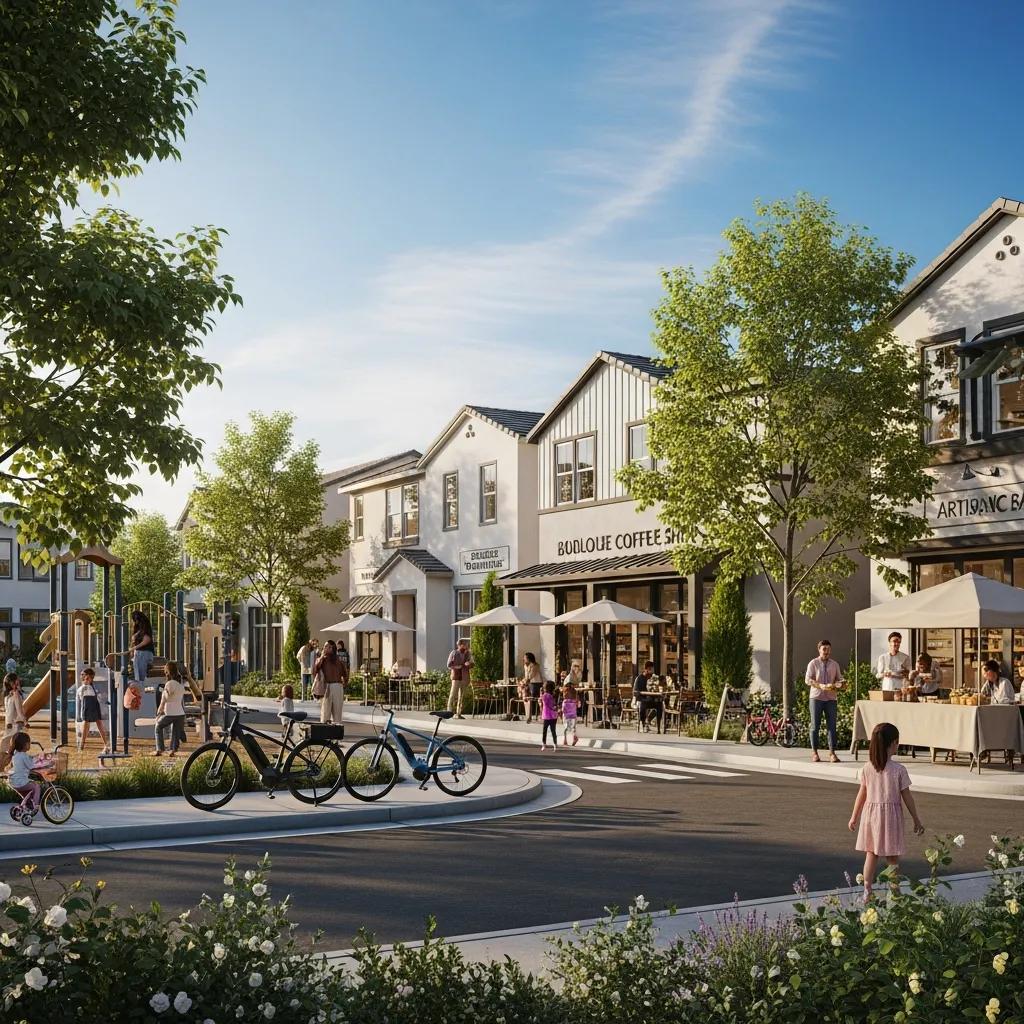
The appeal in these markets comes down to a few repeatable drivers:
- Economic Growth: Markets such as Sacramento and Fresno are posting steady expansion backed by diverse employers and new job creation.
- Population Trends: Migration from higher-cost coastal areas is increasing demand in inland and secondary cities where housing is more affordable.
- Infrastructure Investment: Improvements to transit, roads and public services are making these places more accessible and livable — and more attractive to buyers and renters.
How do property growth trends compare across these markets?
Growth trajectories vary. Some inland markets — including Riverside and San Bernardino — have shown consistent appreciation over recent years, while others are accelerating quickly from a lower baseline. Overall, projections point to a mix of moderate appreciation and manageable downside risk for investors who pick markets with strong local fundamentals.
What are the best places to invest in California real estate right now?
Choosing the right neighborhood is crucial to capturing appreciation and rental demand. Several pockets across the state stand out for value, stability and growth potential.
Which neighborhoods show the highest potential for appreciation?
- East Sacramento: Characterized by desirable housing stock and close access to downtown Sacramento, East Sacramento is seeing steady value gains.
- Clovis: A family-oriented community with highly rated schools, Clovis consistently attracts buyers looking for stability and long-term appeal.
- Burbank: Beyond studios and production, Burbank’s residential market is drawing demand for its amenities and commuting options.
How do local economic factors influence investment opportunities?
Local employment, business growth and municipal policies directly affect demand and values. Markets with low unemployment and expanding local businesses typically draw more residents, which tightens housing supply and supports price growth. Evaluating those local conditions helps you separate short-term hype from lasting opportunity.
How are emerging California housing markets evolving in 2025?
What demographic shifts are driving housing demand?

Population shifts — particularly younger buyers and renters moving to affordable urban and suburban areas — are reshaping demand. Millennials and Gen Z value locations that balance affordability, lifestyle and job access, so cities that deliver on those points are seeing increased interest.
How is new construction affecting market growth?
New developments are expanding supply while upgrading neighborhood appeal. Projects in markets such as San Jose and Oakland are adding modern housing and amenities that attract both buyers and renters, supporting broader market momentum and improving long-term prospects for nearby properties.
What factors define California property growth areas?
How do infrastructure developments affect real estate values?
Infrastructure matters. New transit lines, highway improvements and upgraded public services increase accessibility and raise property desirability. In Los Angeles, for example, transit and road upgrades have made previously overlooked neighborhoods more competitive.
What role do local policies play in market expansion?
Local regulations — zoning, permitting and tax incentives — shape development patterns and investor appetite. Communities that streamline sensible development and offer incentives for growth tend to attract capital faster, so understanding local policy is essential when evaluating a market.
How to identify top California real estate markets for investment success?
What metrics should investors analyze before buying?
Focus on a small set of reliable indicators:
- Return on Investment (ROI): Estimate likely returns after accounting for purchase price, operating costs and projected rent or resale value.
- Market Trends: Review historical appreciation, inventory levels and absorption rates to anticipate near-term performance.
- Property Evaluations: Conduct thorough inspections and comparable analyses to confirm value and renovation needs.
How to balance risk and reward in emerging markets?
Mitigate risk by diversifying across geographies, verifying local fundamentals and doing rigorous due diligence. Stay current on economic indicators and policy changes so you can time entries and exits to match your investment horizon and risk tolerance.
Summary: California’s market is evolving rapidly. Several cities and neighborhoods offer clear paths to appreciation and rental demand — but success depends on matching local fundamentals to your investment strategy and timeline.
Frequently asked questions
What risks should investors expect in emerging real estate markets?
Emerging markets carry risks like higher short-term volatility, shifting local policies, or overbuilding. Values can swing if job growth slows or supply outpaces demand. The best defense is thorough research, conservative underwriting, and contingency planning for slower-than-expected appreciation.
How can investors stay current on California market trends?
Follow regional market reports, subscribe to industry newsletters, and use analytics platforms for up-to-date data. Local agents and city planning updates are invaluable for on-the-ground context. Regularly tracking employment, migration and infrastructure announcements will also help you anticipate changes.
What financing options do investors have in California?
Investors commonly use conventional mortgages, hard money loans, private lenders or partnerships. Conventional loans typically offer lower rates, while hard money provides speed for fix-and-flip deals. Consider your timeline, cost of capital and exit strategy when choosing financing.
How does the rental market shape investment decisions?
Rental demand directly affects cash flow and resale value. Areas with strong job growth, low vacancy and stable rent increases typically deliver healthier returns. Analyze local rent levels, vacancy trends and tenant demographics before buying.
What role does technology play in modern real estate investing?
Technology improves market research, property management and deal sourcing. Analytics tools, virtual tours and online listing platforms increase efficiency, while newer tools like blockchain can streamline transactions. Leveraging the right tech can reduce costs and sharpen decision-making.
How can investors find undervalued properties in emerging markets?
Locate undervalued opportunities by studying comparable sales, watching for early signs of neighborhood change (infrastructure projects, new employers), and networking with local brokers for off-market deals. Factor in renovation costs and timelines to assess the true upside.
Conclusion
California presents a range of high-potential markets for 2025. By focusing on strong local fundamentals, tracking infrastructure and policy shifts, and applying disciplined underwriting, investors can find properties that fit their goals. Use this guide to prioritize markets, refine your strategy, and act with confidence — the next cycle of opportunity is already taking shape.