

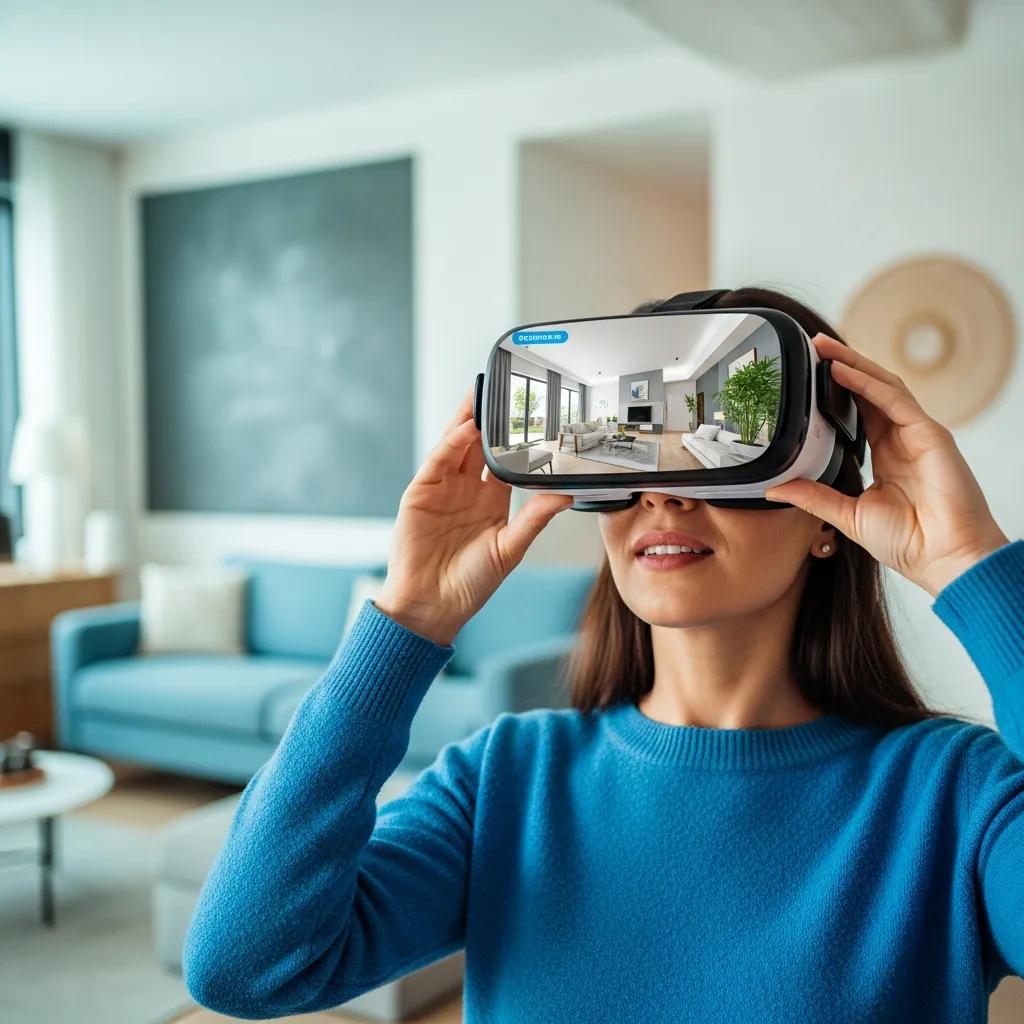
Virtual Reality for Real Estate Marketing: A Practical Guide for Investors to Boost Sales and Engagement
Virtual reality (VR) is changing how properties are marketed and sold. For investors, VR offers a way to showcase assets more vividly, reach more buyers, and shorten the sales timeline. This guide breaks down what VR delivers, how it’s used in real estate, how to add it to your marketing mix, financing options that support tech-driven deals, and the trends to watch as the market evolves.
Why Real Estate Investors Should Add VR to Their Marketing Mix
VR creates immersive property experiences that traditional photos and listings can’t match. Used strategically, it increases visibility, deepens buyer interest, and helps transactions move faster — advantages that matter in competitive markets and for value-focused investors.
What Are the Key Benefits of VR in Real Estate Marketing?
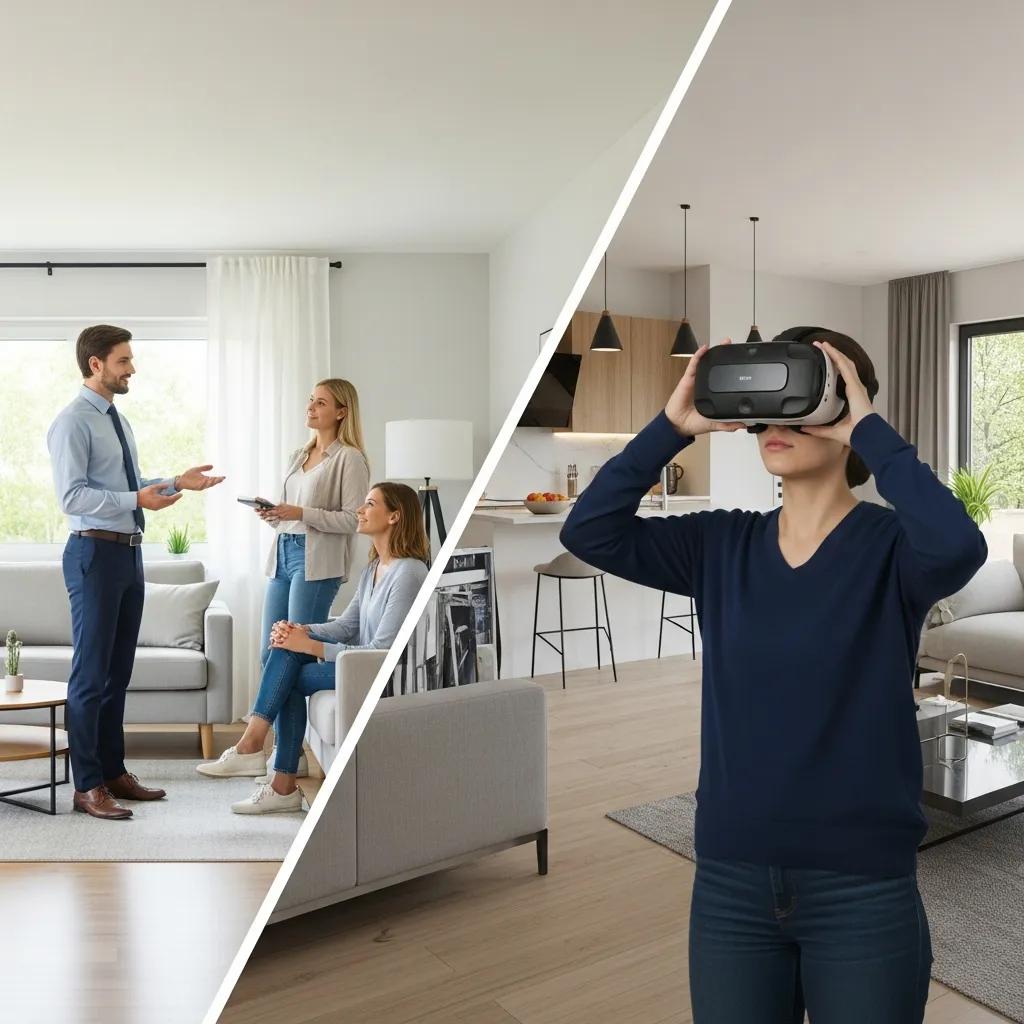
VR adds measurable value across the sales funnel:
- Higher engagement rates: Immersive tours keep prospects on the listing longer and invite deeper exploration, increasing qualified leads.
- Better buyer experience: Virtual walkthroughs give a realistic sense of scale and flow, helping buyers visualize living or investing in the space.
- Shorter sales cycles: When buyers can assess a property remotely and confidently, deals progress faster and the time on market often drops.
These benefits show why investors are treating VR as a practical marketing upgrade, not just a novelty.
How Does VR Compare to Traditional Real Estate Marketing Methods?
VR complements — and in some cases replaces — older tactics. Key distinctions include:
- Cost-effectiveness: Initial setup can be higher, but VR often reduces recurring marketing costs and accelerates closings, improving long-term ROI.
- Time efficiency: Remote tours cut down on back-and-forth showings and let serious buyers screen properties before visiting in person.
- Enhanced visualization: Unlike photos or video, VR puts buyers in control of the tour, letting them inspect layout and detail at their own pace.
Taken together, these factors make VR a strong complement to listing photos, floor plans, and broker-hosted showings.
What Types of Virtual Reality Applications Enhance Property Marketing?
Different VR tools serve different goals. Here are the most common applications investors deploy:
- Virtual property tours: Full 3D walkthroughs that let prospects explore a space remotely, increasing reach and accessibility.
- Virtual staging: Digital furniture and finishes that demonstrate a property’s potential without the cost and time of physical staging.
- Augmented reality (AR) tools: Device-based overlays that add info or options to a live view — useful for reno concepts, unit options, or data overlays.
These applications let you present properties in ways that match how today’s buyers research and decide.
How Do Virtual Property Tours Improve Buyer Experience?
Virtual tours put viewers in control. Buyers can move through rooms, revisit areas of interest, and form a clearer emotional and spatial impression without multiple site visits. That improved clarity often converts interest into offers faster.
What Is Virtual Staging and How Does It Boost Property Appeal?
Virtual staging digitally furnishes and styles an empty unit so buyers can see practical layouts and design potential. It’s faster and cheaper than physical staging and can be updated quickly to target different buyer profiles or design trends.
How Can Investors Integrate Virtual Reality into Their Marketing Strategy?

Successful VR adoption follows a few practical steps. Consider these priorities when building your program:
- Choosing the right VR tools: Pick platforms that balance image quality, usability, and distribution options so your listings perform across channels.
- Budgeting: Factor in capture, editing, hosting, and promotion costs — and compare those to expected time-on-market and lead improvements.
- Measuring results: Track leads, engagement time, and conversion rates to refine your approach and justify ongoing spend.
Following these steps helps integrate VR without disrupting core sales workflows.
Which VR Solutions Are Best Suited for Real Estate Investors?
Several platforms are built for real estate needs, varying by price and feature set. Common solutions include:
- Matterport: Reliable 3D capture and hosting, strong for high-quality walkthroughs and floor plan exports.
- EyeSpy360: User-friendly virtual tours with interactive widgets and lead-capture options.
- Zillow 3D Home: A free option for 3D tours that enhances visibility on major listing portals.
Each platform fits different budgets and marketing goals — pick the one that aligns with your target buyers and distribution plan.
How to Measure the ROI of VR Marketing in Real Estate?
Track a handful of KPIs to understand VR’s impact:
- Lead generation: Monitor inquiries tied to VR-enabled listings versus standard ones.
- Sales conversion rates: Compare how often VR viewers become offers versus viewers from other channels.
- Time on market: Measure whether VR listings sell faster and at stronger prices than comparable non-VR listings.
Use those metrics to optimize content, channels, and spend.
How Does Financing Support VR-Enabled Real Estate Investments?
Financing keeps the acquisition and value-add work moving. Investors can pair VR-driven marketing with the right loan products to execute faster and scale smarter.
- Types of loans available: Options include hard money loans, conventional mortgages, and portfolio-style financing depending on strategy and timeline.
- Speed of funding: Short-term or asset-based lenders often move faster, which helps when acting on time-sensitive opportunities.
- Flexibility in terms: Different programs offer varied terms — choose financing that supports your hold period and exit plan.
Matching capital to strategy helps you leverage VR without straining cash flow.
Can Hard Money Loans Finance Properties Marketed with VR?
Yes. Hard money loans are commonly used for quick acquisitions or rehab projects and can support properties marketed with VR. Lenders typically focus on asset value and exit strategy, which aligns well with short-term, tech-enabled selling approaches.
What Loan Options Support Tech-Forward Real Estate Investments?
Investors pursuing tech-enabled strategies can consider:
- Hard money loans: Fast funding based on property value — useful for quick turn projects.
- Conventional mortgages: Suitable for longer-term holds where lower rates and stability matter.
- Portfolio loans: Bundle multiple properties under one financing vehicle to simplify capital management.
Choosing the right loan depends on timeline, risk tolerance, and scale.
What Are the Future Trends of Virtual Reality in Real Estate Marketing?
VR is maturing rapidly. Investors should watch several trends that will shape marketing and valuation over the next few years.
- Better hardware and graphics: Improvements will make virtual walkthroughs more lifelike and accessible.
- Market growth: Adoption is expanding across residential and commercial sectors as buyers expect richer digital experiences.
- More tech-savvy buyers: As consumers adopt immersive tools, VR will move from “nice to have” to “expected” in many markets.
These trends suggest VR will become a standard component of competitive property marketing.
How Is VR Changing Property Valuations and Investor Returns?
VR helps present a property’s potential more clearly, which can influence perceived value and buyer competition. By attracting a larger, more qualified audience and speeding transactions, VR can support higher sale prices and improved returns when deployed thoughtfully.
What Emerging VR Technologies Will Impact Real Estate Marketing?
Several technologies are set to expand VR’s usefulness in real estate:
- AI-driven VR personalization: AI can tailor tours to buyer interests, highlighting the features that matter most.
- 360-degree video: Dynamic video capture provides an immersive alternative to static 3D scans.
- Interactive VR features: Clickable elements, info overlays, and configurators increase engagement and help buyers evaluate options.
These tools will deepen buyer interaction and support more effective online-first marketing strategies.
Combining these VR applications into a coordinated marketing plan can give investors a tangible advantage when promoting listings and closing deals.
In short, VR is more than a trend — it’s a practical tool that improves visibility, buyer engagement, and deal velocity. Investors who adopt the right mix of VR technology and financing can position their properties to sell faster and more profitably.
Frequently Asked Questions
What are the initial costs associated with implementing VR in real estate marketing?
Costs vary by approach. Expect expenses for capture hardware, software or platform subscriptions, and any professional capture or editing services. While upfront spend can be higher than basic photography, many investors recoup costs through faster sales and stronger buyer interest.
How can real estate agents effectively promote their VR listings?
Promote VR listings across channels: embed tours on listing pages, share them on social media, include them in email campaigns, and host virtual open houses. Use clear calls-to-action and lead capture to convert virtual interest into showings or offers.
What skills are necessary for real estate professionals to utilize VR technology?
Teams should be comfortable with basic capture tools and editing workflows, and know how to market digital assets. Many providers offer turnkey services, so agents and investors can outsource technical tasks while focusing on promotion and sales strategy.
Are there any limitations to using VR in real estate marketing?
Limitations include the initial cost, varying buyer access to VR hardware, and the fact that VR can’t convey certain sensory details like smell or neighborhood ambiance. Still, VR excels at communicating space, flow, and potential.
How can VR technology enhance the property appraisal process?
VR can give appraisers a clearer sense of layout and condition remotely, supporting more informed valuations and reducing the need for repeated site visits — especially useful for preliminary assessments or remote properties.
What role does user feedback play in improving VR marketing strategies?
User feedback helps refine navigation, highlight missing details, and shape staging or information overlays. Collecting viewer behavior data and direct feedback lets you iterate quickly and improve conversion rates.
How can investors stay updated on the latest VR trends in real estate?
Follow industry publications, attend proptech conferences, join investor networks, and subscribe to updates from leading VR vendors. Regularly testing new tools on a small scale is also a practical way to stay current.
Conclusion
Virtual reality is reshaping how properties are presented and sold. For investors, it offers a concrete way to improve marketing reach, speed up transactions, and present value more clearly to buyers. When paired with the right financing and measurement approach, VR becomes a strategic asset — not just an experiment. Explore VR options that match your portfolio and start testing small to capture the advantages sooner.