


Virtual Staging for Real Estate: Boost Appeal, Speed Sales, and Maximize Investor Returns
Virtual staging uses digital tools to present properties at their best — helping buyers picture the potential and investors move inventory faster. This guide explains how virtual staging benefits real estate investors, shortens time on market, and supports stronger offers. We’ll walk through the upside of virtual staging versus traditional staging, the staging workflow and technology involved, tips for choosing a provider, and how virtual staging pairs with financing solutions from Fidelity Funding.
Key benefits of virtual staging for real estate investors
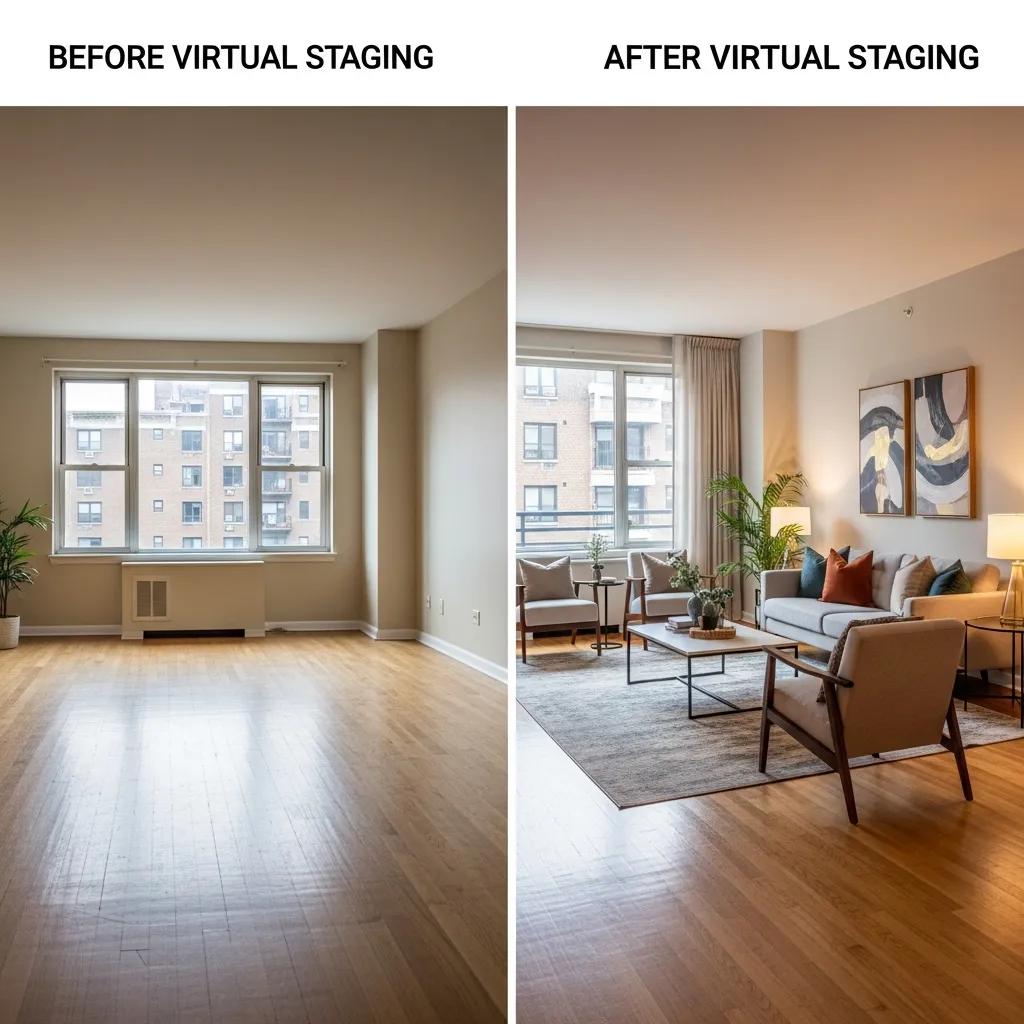
Virtual staging delivers measurable marketing advantages that improve presentation and return on investment.
- Faster sales cycles: Professionally staged images help buyers visualize living in the space, which drives quicker inquiries and shorter listing times.
- Higher perceived value: Thoughtful digital furnishings highlight a property’s strengths, encouraging stronger offers and better sale prices.
- Lower upfront cost: Virtual staging removes the need for rented furniture and onsite logistics, giving investors an affordable, scalable way to polish listings.
How virtual staging shortens sales timelines and supports faster loan repayment
Listings with virtual staging commonly spend less time on market — often closing weeks sooner than comparable unstaged properties. For investors that means faster turnover and earlier loan payoffs, which improves cash flow and shortens the investment cycle.
How virtual staging raises perceived value and attracts higher offers
Empty rooms can feel impersonal; staged images show use and flow, helping buyers connect emotionally with a home. That increased engagement typically translates into more competitive offers and a stronger final sale price for the investor.
How virtual staging stacks up against traditional home staging for cost and effectiveness
Comparing virtual and traditional staging makes clear why many investors prefer the digital option.
- Cost comparison: Physical staging often requires significant rental fees and moving costs. Virtual staging usually runs at a small fraction of that expense, making it practical for portfolios of any size.
- Effectiveness: High-quality virtual images attract buyer attention online without the scheduling and storage hurdles of physical staging — a major advantage in fast markets.
Typical virtual staging costs and expected ROI
Prices typically range from $150 to $500 per room, depending on complexity and provider. Many investors report sale price improvements that outweigh staging expenses, delivering a strong return on each staged listing.
Why virtual staging is a cost-efficient presentation strategy
Virtual staging removes moving, setup, and teardown costs, plus it speeds up marketing turnaround. The result is an economical way to improve listing appeal and accelerate sales.
What the virtual staging process looks like and the technology involved

Virtual staging combines photography with digital design tools to create market-ready listing images.
- Photo capture: Start with clear, well-lit photos of the empty space.
- Editing and staging: Use professional software to add furniture, finishes, and decor that match the property’s style.
- Rendering and polish: Finalize lighting, shadows, and color so the staging looks natural and accurate.
How 3D rendering and AI improve virtual staging
3D rendering and AI speed up production and increase realism, allowing stagers to produce lifelike photos that reflect layout, scale, and materials — all important for buyer confidence.
From empty photos to engaging staged images — step by step
- Capture quality images: Photograph rooms with consistent exposure and composition.
- Edit and place furniture: Add digitally‑rendered furnishings that suit the home’s market and architecture.
- Refine details: Tweak lighting, perspective, and textures to ensure believable, sale-ready visuals.
How to choose the right virtual staging provider
Selecting the right vendor ensures staging aligns with your strategy and target buyer profile.
- Reputation and examples: Review provider portfolios and case studies to confirm quality and style fit.
- Technical capability: Confirm the provider uses current software and delivers consistent, high-resolution files suitable for MLS and marketing channels.
What investors should evaluate in providers and software
Prioritize vendors offering customization, clear turnaround times, and a diverse portfolio. Confirm they can match staging styles to the property type and intended buyer.
Legal and ethical considerations for virtual staging
Transparency matters: disclose when images are virtually staged and avoid misrepresenting structural features. Honest presentation protects reputation and prevents buyer disputes.
How virtual staging fits into hard money financing and investment strategies
Virtual staging can strengthen financing outcomes by improving a property’s marketability and perceived collateral value.
- Financing impact: A market-ready, well-presented property may secure better lending terms because it demonstrates higher sale potential.
- Investor advantages: Faster sales and stronger offers help investors repay loans sooner and improve overall project returns.
How virtual staging helps fix-and-flip financing and collateral appeal
For fix-and-flip deals, staged visuals communicate the finished potential to lenders and buyers — enhancing collateral appeal and supporting financing conversations.
How Fidelity Funding supports investors using virtual staging
Fidelity Funding offers fast, flexible capital geared to property equity rather than strict credit thresholds — approvals in 48 hours and funding in 5–7 days. That speed lets investors act quickly when staged listings gain traction in competitive markets.
EAV Table: Benefits of virtual staging by property type
Key considerations when evaluating virtual staging
Keep these practical points in mind before committing to a staging provider:
- Image quality: Use professional photography as the foundation for believable staging.
- Provider experience: Choose teams with proven results and market-appropriate styling.
- Customization: Ensure staged designs reflect the property’s character and target buyer demographics.
Mindful choices here will improve listing performance and preserve investor upside.
Frequently Asked Questions
Which property types gain the most from virtual staging?
Virtual staging works across residential, commercial, and luxury markets. Residential listings often sell faster; commercial spaces benefit from clearer tenant visualization; luxury homes can attract high-end buyers by highlighting premium finishes and layouts.
How does virtual staging change an investor’s marketing approach?
Virtual staging elevates online listings with compelling, aspirational imagery that stands out. That increased engagement drives more showings, stronger offers, and a more professional brand presence for investors.
What are the limitations of virtual staging?
Virtual staging can’t fix structural or serious condition issues. It should be used honestly and disclosed when required; otherwise buyers may be disappointed if photos overpromise. Use staging to complement, not obscure, real property condition.
Which software tools are commonly used for virtual staging?
Common tools include 3D rendering and photo-editing software such as SketchUp and Adobe Photoshop, plus specialized platforms and services that streamline virtual staging workflows and produce MLS‑ready images.
How does virtual staging affect online listings?
Staged photos typically increase listing views and engagement, leading to more inquiries and faster offers. Visually compelling images help prospective buyers imagine living in the space, which is a strong driver of conversion.
Can virtual staging be used for rental listings?
Yes. Virtual staging helps landlords showcase furnished possibilities and lifestyle, often shortening vacancy periods and supporting higher rental rates by improving perceived value.
What are best practices for using virtual staging?
Use high-quality photos, choose a reputable provider, match staging to the target market, and disclose virtual staging where appropriate. Promote staged images across listing platforms and marketing channels to maximize reach.
Conclusion
Virtual staging is a practical, cost-effective way to improve listing presentation, shorten selling timelines, and enhance investor returns. When paired with fast, equity-focused financing from Fidelity Funding, staged listings can move quickly and deliver stronger outcomes. Explore virtual staging options that match your portfolio and timing — and let presentation work for your bottom line.